Zimbabwe

'Where Ancient Pegmatites Hold Lithium of Singular Significance Alongside Eastern Highland Tea, Roses, and Rhodesian Teak'

'Zimbabwe is a landlocked southern African nation of extraordinary mineral and agricultural heritage, a country whose Precambrian geological foundations contain one of the most diverse critical mineral portfolios on the continent. The Bikita lithium pegmatite, among the world's largest and most mineralogically diverse lithium deposits, anchors a mineral identity of growing global strategic importance as battery technology transforms energy systems worldwide.

The Eastern Highlands of Manicaland Province, where the Chimanimani and Nyanga mountain ranges create a cool, moist highland climate of exceptional fertility at the Mozambique border, support one of Africa's finest tea growing regions. Chipinge tea from the Honde Valley is consistently assessed among the continent's most quality-consistent black teas. The Eastern Highlands also support a cut flower industry producing roses and summer flowers for regional and export markets.

The Kalahari sand forests of western Zimbabwe, in Matabeleland North, sustain one of Africa's most distinctive hardwood landscapes, with Baikiaea plurijuga Rhodesian teak growing across deep Kalahari sand systems in a botanical community found nowhere outside this specific geological and climatic intersection.'

Zimbabwe on Iferous.com

Zimbabwe's Bikita Minerals deposit in Masvingo Province is one of the world's largest and most mineralogically diverse lithium-bearing pegmatite systems, containing spodumene, petalite, lepidolite, and eucryptite in commercial concentrations within a Precambrian Zimbabwe Craton pegmatite of 1950 operational heritage and seven decades of geological documentation.

The mineralogical diversity at Bikita, where multiple lithium mineral species occur together, confers commercial flexibility to produce different lithium product streams for battery cathode, glass-ceramic, and specialty lithium chemical markets. Petalite serves heat-resistant glass and ceramic manufacturers; spodumene feeds lithium hydroxide and carbonate conversion facilities for battery production. Seven decades of geological knowledge constitute one of the most valuable lithium deposit datasets in the global industry.

For procurement contacts in battery materials, glass-ceramic, and specialty lithium chemical sectors seeking lithium from a Precambrian pegmatite of exceptional geological documentation and multi-mineral species diversity, Zimbabwe's Bikita Lithiferous value chain offers provenance of historical depth and battery-grade quality unmatched by newer entrants.

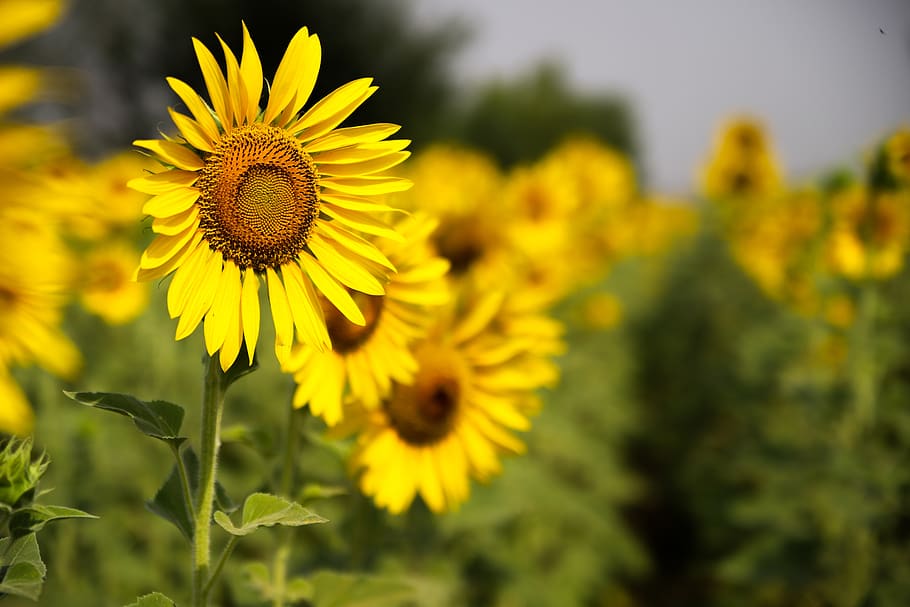
Zimbabwe's cut flower industry, centred on the farms of Mazowe, Harare North, and the Eastern Highlands where altitude, water availability, and the quality of Zimbabwean highland soils create growing conditions for roses and summer flowers of export grade, supplies southern African retail markets and regional export channels with floriculture products whose quality reflects the country's strong horticultural tradition.

Zimbabwe's commercial flower farming heritage, developed through the technical expertise of commercial agriculture systems, produces roses of strong stem quality, good vase life, and consistent Dutch auction grade specifications on farms operating at elevations of 1,000-1,500 metres in the Highveld plateau conditions. The Zimbabwean floriculture industry, though reduced from its peak by economic disruption, maintains technical competence and growing infrastructure that capable operators continue to develop for regional and export market recovery.

The Eastern Highlands farms, benefiting from the cooler temperatures and higher rainfall of the Chimanimani and Nyanga highland zones, produce specialty summer flowers and proteas alongside roses, with the specific conditions of altitude and moisture creating floral products of character distinct from the hotter Highveld growing areas. For procurement contacts in regional floriculture, cut flower wholesale, and specialty flower sectors seeking Zimbabwean highland-grown roses and summer flowers with documented provenance, Zimbabwe's Floricultures value chain offers southern African highland growing heritage.

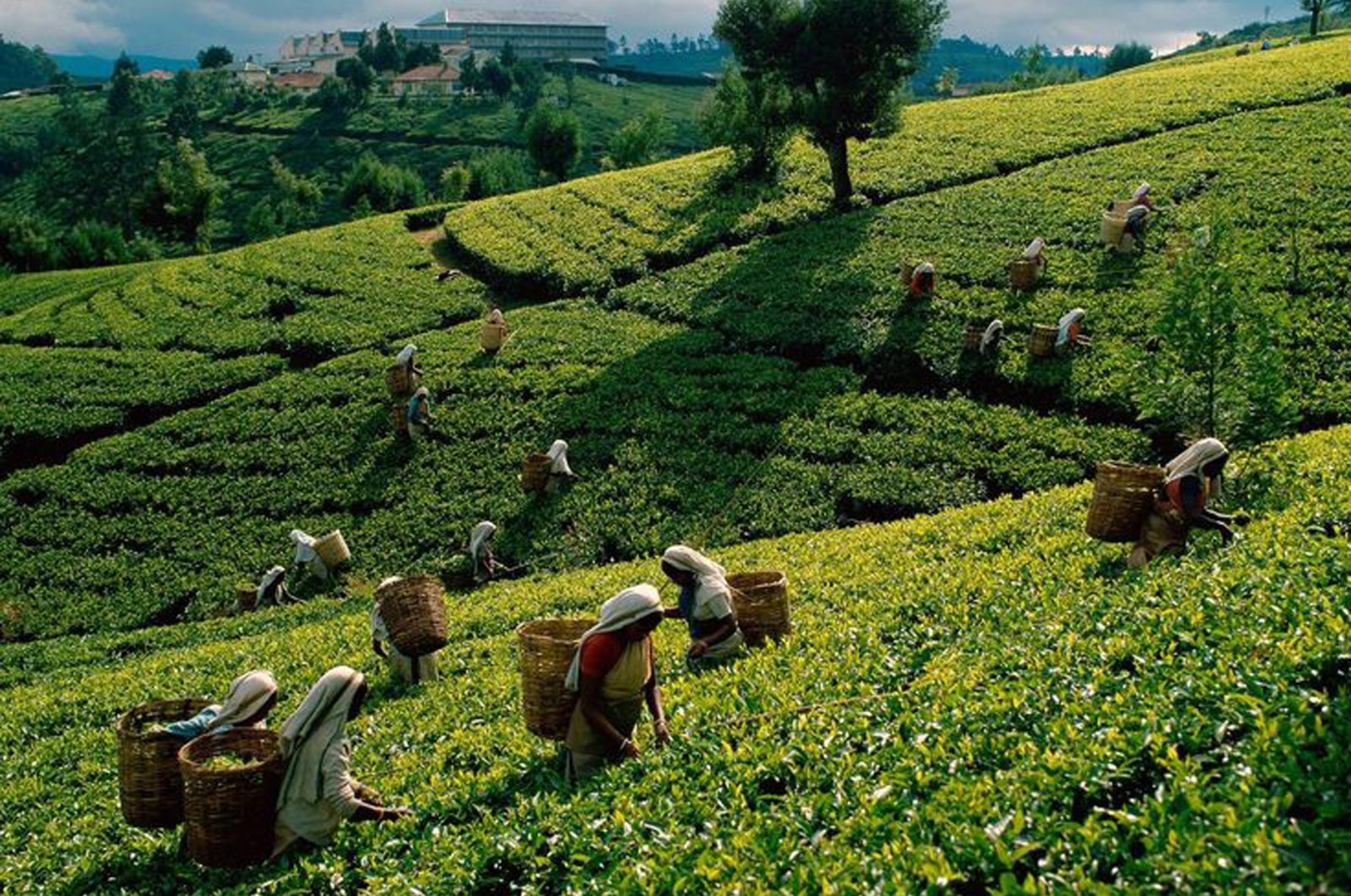
Zimbabwe's Eastern Highlands tea, grown in the Honde Valley and Chipinge area of Manicaland Province at elevations of 1,000-2,000 metres where the Chimanimani mountain rainfall and cool highland climate create conditions analogous to Kenya's Kericho highlands, produces black tea of consistent quality and distinctive character that has established Zimbabwe as one of Africa's most quality-respected tea origins.

The Eastern Highlands tea growing area, developed from the 1920s under the expertise of British plantation management, produces predominantly CTC grades of bright, brisk Zimbabwean character with a coppery liquor that tea blenders describe as clean and consistent. Eastern Highlands tea estates, including the Katiyo and Honde Valley operations, maintain production despite economic pressures through continued commitment to growing and processing quality standards that have preserved Zimbabwe's reputation in international tea buyer assessments.

Chipinge orthodox tea, produced in smaller quantities through traditional rolling and fermenting methods rather than CTC machinery, achieves a fuller-bodied, more complex cup character that specialty tea buyers increasingly seek as consumer interest in origin-specific and artisan teas grows. For procurement contacts in tea blending, specialty tea, and East African origin sourcing seeking Zimbabwe's Eastern Highlands tea with documented Honde Valley provenance and the distinctive highland character of altitude-grown Zimbabwean theiculture, Zimbabwe's Teas value chain offers a historically significant African origin of consistent quality and growing specialty recognition.

Rhodesian teak, Baikiaea plurijuga, growing in the Kalahari sand forests of Matabeleland North in one of the most botanically distinctive woodland systems in southern Africa, produces timber of exceptional hardness, natural durability, and deep red-brown beauty that has been the benchmark premium hardwood of the southern African flooring, heavy joinery, and outdoor construction market for over a century.

Baikiaea plurijuga grows exclusively in the Kalahari sand systems of northwestern Zimbabwe, northeastern Botswana, and adjacent areas of Zambia and Angola, reaching its finest development in the deep nutrient-poor Kalahari sands of the Hwange and Kavango regions where its root systems penetrate to significant depths to access water in one of southern Africa's most water-stressed woodland environments. This extreme growing environment produces timber of extraordinary density, with a Janka hardness rating that places Rhodesian teak among the hardest commercial timbers available from the African continent.

Zimbabwe Forestry Commission concession agreements govern Rhodesian teak extraction from the Kalahari sand forests, with diameter limits and annual allowable cut restrictions designed to manage this slow-growing species sustainably. The timber's documented resistance to termite attack, dimensional stability under humidity variation, and natural red-brown heartwood beauty have established Rhodesian teak as the preferred choice for premium outdoor decking, railway sleepers, bridge decking, and architectural flooring across the region. For specialist timber procurement contacts seeking the benchmark hardwood of southern Africa with documented Matabeleland provenance and Forestry Commission extraction permits, Zimbabwe's Silvicultures value chain offers Rhodesian teak of geological landscape exclusivity.

IFEROUS+ - Aligning with Zimbabwe's sovereign resource identity across Bikita lithium pegmatite of battery metals strategic depth, Eastern Highlands cut roses and summer flowers, Honde Valley Chipinge tea of consistent African highland quality, and Rhodesian teak from the Kalahari sand forests as southern Africa's benchmark premium hardwood, we are building integrated value chain partnerships across this mineral-rich southern African nation.

Call our London Office on 020 3355 1985 or email plus@iferous.com to connect with our strategists and discuss opportunities.

Resource identity. Sovereign value. Shared future.

Zimbabwe