
-
Resources
- Precious Metals
- Battery Metals
- Industrial Metals
- Nuclear Energy
-
.cultures
- Timbers / Silvicultures
- Cottons / Gossypicultures
- Rubbers / Heveacultures
- Grains / Granicultures
- Oils / Oleicultures
- Sugars / Saccharicultures
- Coffees / Coffeicultures
- Cacaos / Cacaocultures
- Teas / Theicultures
- Flowers / Floricultures
- Fruits / Pomicultures
- Vegetables / Olericultures
- Citruses / Citricultures
-
Regions
- .IFEROUS+
- About
Myanmar
'The Golden Land, Where Imperial Jade, the World's Benchmark Teak, and a Fermented Tea Culture Found Nowhere Else Define an Incomparable Heritage'

'Myanmar is Southeast Asia's most resource-abundant nation, a country of extraordinary geological and ecological wealth whose mineral endowment, forest heritage, and distinctive agricultural traditions combine to create a sovereign resource identity of genuinely global significance. The Golden Land, as Myanmar is traditionally known, lives up to its name across every dimension of natural wealth.
Hpakant in Kachin State supplies approximately ninety percent of the world's jadeite jade, the Imperial Jade whose deep emerald translucency the Chinese market has prized above all other gemstones for a thousand years. The Mogok Valley produces rubies of the finest pigeon's blood colour, the most valuable gemstone in the world per carat. Myanmar's forests contain the world's reference-standard teak, Tectona grandis managed by Myanmar Timber Enterprise with a documented extraction and quality certification history that makes Myanmar teak the benchmark against which all other teak origins are assessed.
And in the highland tea gardens of Shan State, Myanmar sustains a tea culture without parallel anywhere on earth: lahpet, fermented tea leaves consumed as a salad rather than a beverage, represents the world's most distinctive evolution of the tea leaf as food rather than drink, a living culinary tradition rooted in Buddhist monastery culture stretching back over a thousand years.'
Myanmar on Iferous.com
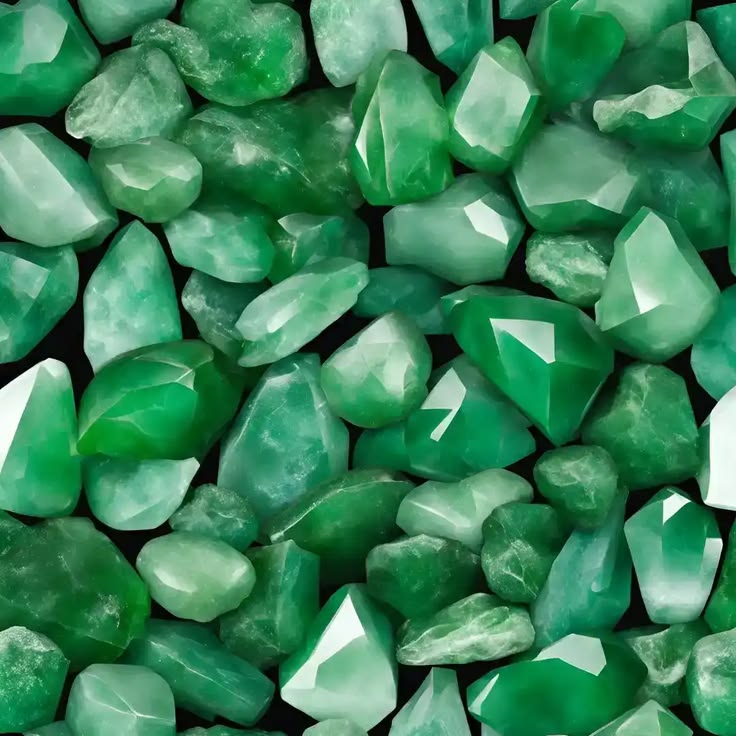
Myanmar's Hpakant jade mines in Kachin State supply approximately ninety percent of the world's jadeite, the sodium aluminium pyroxene mineral whose finest Imperial Green specimens achieve per-carat values exceeding any other gemstone in Chinese cultural markets, making Myanmar the undisputed sovereign of the world's most culturally prized stone.
Jadeite jade, distinguished from the softer nephrite by its pyroxene mineralogy, higher hardness, and the translucent emerald Imperial Green colour that forms only under specific high-pressure metamorphic conditions in the Hpakant serpentinite belt, commands prices in the Chinese luxury and investment market that reflect centuries of cultural veneration. The finest Hpakant jadeite cabochons, carved pendants, and bangles of Imperial Green translucency have achieved auction records that rival or exceed the finest diamonds and rubies of equivalent weight.
Myanmar's Mogok Stone Tract adds rubies of the most valued pigeon's blood red colour — a specific combination of chromium fluorescence and iron absorption producing a red of extraordinary saturation — alongside blue sapphires, spinels, and other gem minerals from secondary alluvial deposits that have supplied the world's finest coloured gemstone market for over five centuries. For procurement contacts in the luxury gemstone, high jewellery, and investment mineral sectors seeking jadeite of documented Hpakant origin or Mogok ruby of certified provenance, Myanmar's Jadeiferous value chain offers the world's most culturally significant gemstone origin.
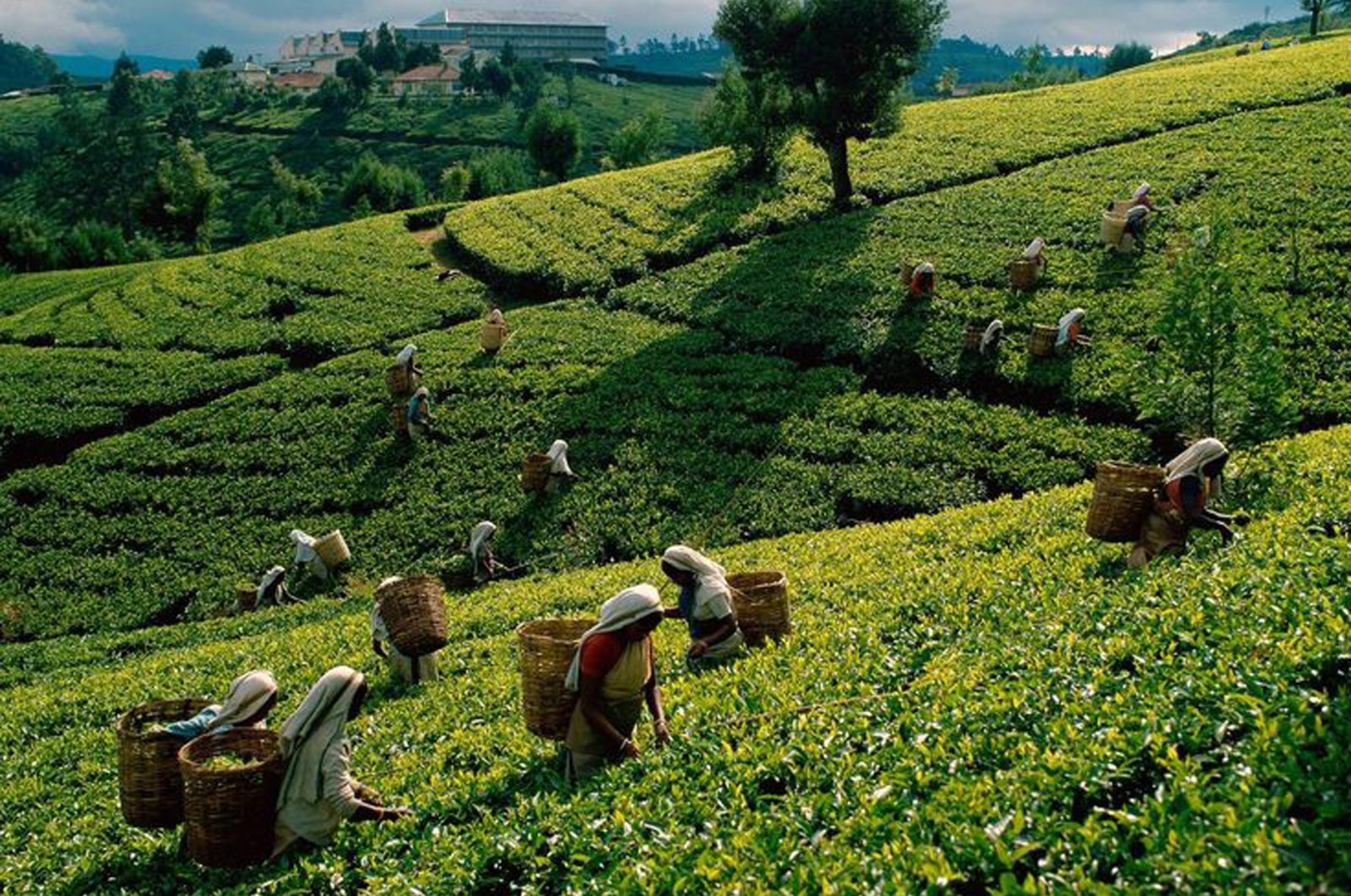
Myanmar's lahpet, fermented tea leaves consumed as a dressed salad rather than brewed as a beverage, is the world's most distinctive evolution of the tea plant as food, a culinary tradition rooted in Buddhist monastery culture and Burmese court cuisine stretching back over a thousand years that represents a dimension of tea culture found nowhere else on earth.
Lahpet thoke, the dressed fermented tea leaf salad served as Myanmar's most celebrated traditional dish, is prepared from fresh tea leaves harvested in the highlands of Shan State and fermented in bamboo-lined underground pits for months or years before being mixed with sesame oil, dried shrimps, fried garlic, peanuts, and lime juice. The specific bacterial and enzymatic fermentation process transforms the tea leaf's polyphenol profile, reducing bitterness while developing complex umami depth and a mild caffeine character that makes lahpet both a stimulant food and a culturally significant offering at ceremonies, weddings, and Buddhist festivals across Myanmar.
The highland tea estates of Shan State also produce conventional brewed teas of significant quality, with the altitude cultivation of Camellia sinensis in the Hsipaw, Namhsan, and Pyin Oo Lwin growing areas producing green and oolong teas of aromatic character increasingly recognised by specialty tea buyers. For procurement contacts in specialty food, fermented ingredients, and culturally distinctive botanical sectors seeking lahpet or Shan highland tea with documented Myanmar provenance, Myanmar's Theicultures value chain offers the world's most culturally unique expression of the tea leaf.

Myanmar teak, Tectona grandis extracted from the Ayeyarwady River basin forests under Myanmar Timber Enterprise management, is the world's benchmark premium hardwood, the teak against which all other origins are assessed for colour, grain, natural oil content, and durability, its golden-brown heartwood and exceptional weather resistance establishing a quality standard that plantation teak from other nations consistently aspires to but rarely achieves.
Myanmar's teak forests, concentrated in the Bago Yoma hills and the Ayeyarwady drainage basin, produce natural-growth teak of a silica content, interlocked grain structure, and natural tectoquinone oil saturation that distinguishes it from plantation teak grown in Costa Rica, India, or Indonesia. The slow growth of Myanmar teak in its natural forest environment, where trees may take sixty to eighty years to reach harvesting diameter, produces timber of a density and natural durability that thirty-year plantation cycles cannot replicate. Myanmar Timber Enterprise's grading system, which assesses each log by girth, taper, and quality class, produces the most extensively documented teak quality record in the global hardwood trade.
Myanmar teak's resistance to shrinkage, swelling, and splitting under alternating wet and dry conditions makes it irreplaceable in yacht and boat deck construction, outdoor furniture of the highest specification, and architectural applications where dimensional stability under tropical and maritime exposure is critical. For procurement contacts in luxury marine, premium outdoor furniture, and heritage architectural joinery seeking the world's benchmark teak with documented Myanmar provenance and MTE grading, Myanmar's Silvicultures value chain offers the original and most technically credentialed teak origin.
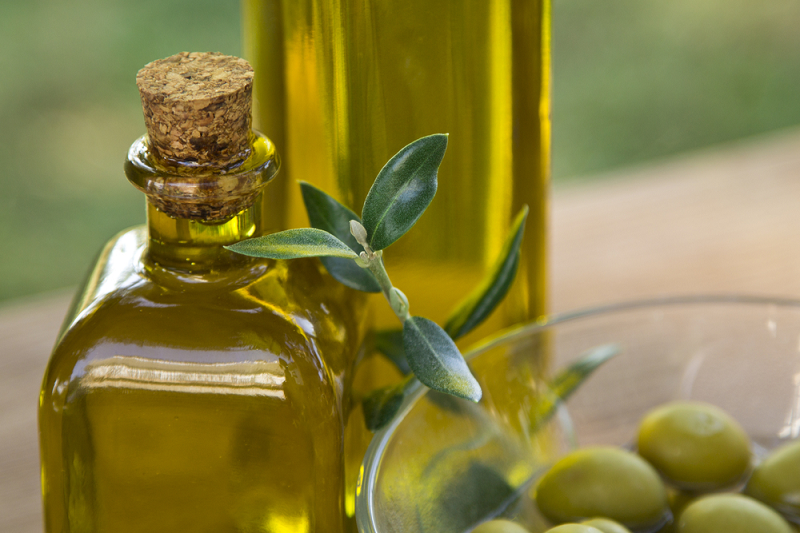
Myanmar is one of Asia's most significant sesame producers, its Sesamum indicum cultivation across the dry central plains of the Mandalay and Magway regions producing white and black sesame seed of documented quality whose cold-pressed oil carries the nutty aromatic depth and high lignan antioxidant content that Asian culinary markets specify as the premium standard.
The dry zone of central Myanmar, receiving 500-800 millimetres of annual rainfall, has sustained sesame cultivation for centuries as one of the region's most drought-tolerant and commercially significant oilseed crops. Myanmar sesame oil, expressed from white sesame cultivated on the well-drained alluvial plains between the Chindwin and Irrawaddy rivers, produces a cold-pressed oil of pale golden colour and mild aromatic character used throughout Southeast and East Asian cuisine. The black sesame varieties grown in central Myanmar produce a more intensely flavoured oil with a higher concentration of sesamol and sesaminol lignans whose antioxidant properties are of commercial interest to functional food formulators.
Myanmar's sesame production supports both domestic consumption, where sesame oil is fundamental to traditional Burmese cuisine as a cooking and finishing oil, and export to Chinese, Japanese, and South Korean markets whose sesame oil processing industries source Myanmar origin for its consistent grade and aromatic quality. For procurement contacts in the culinary oil, functional food ingredient, and Asian food manufacturing sectors seeking Myanmar sesame with documented central plains provenance and high-lignan cold-pressed quality, Myanmar's Oleicultures value chain offers sesame of Asian culinary heritage and antioxidant distinction.

IFEROUS+ - Aligning with Myanmar's sovereign resource identity across Hpakant Imperial jadeite supplying ninety percent of world jade demand, lahpet fermented tea as the world's most culturally unique expression of the tea leaf, Myanmar teak as the global benchmark hardwood against which all teak is assessed, and central plains sesame oil of Asian culinary heritage, we are building integrated value chain partnerships across the Golden Land's most irreplaceable sovereign assets.
Call our London Office on 020 3355 1985 or email plus@iferous.com to connect with our strategists and discuss opportunities.