-
Resources
- Precious Metals
- Battery Metals
- Industrial Metals
- Nuclear Energy
-
.cultures
- Timbers / Silvicultures
- Cottons / Gossypicultures
- Rubbers / Heveacultures
- Grains / Granicultures
- Oils / Oleicultures
- Sugars / Saccharicultures
- Coffees / Coffeicultures
- Cacaos / Cacaocultures
- Teas / Theicultures
- Flowers / Floricultures
- Fruits / Pomicultures
- Vegetables / Olericultures
- Citruses / Citricultures
-
Regions
- .IFEROUS+
- About
United Kingdom
'Where Ancient Geology Meets Sovereign Prestige'
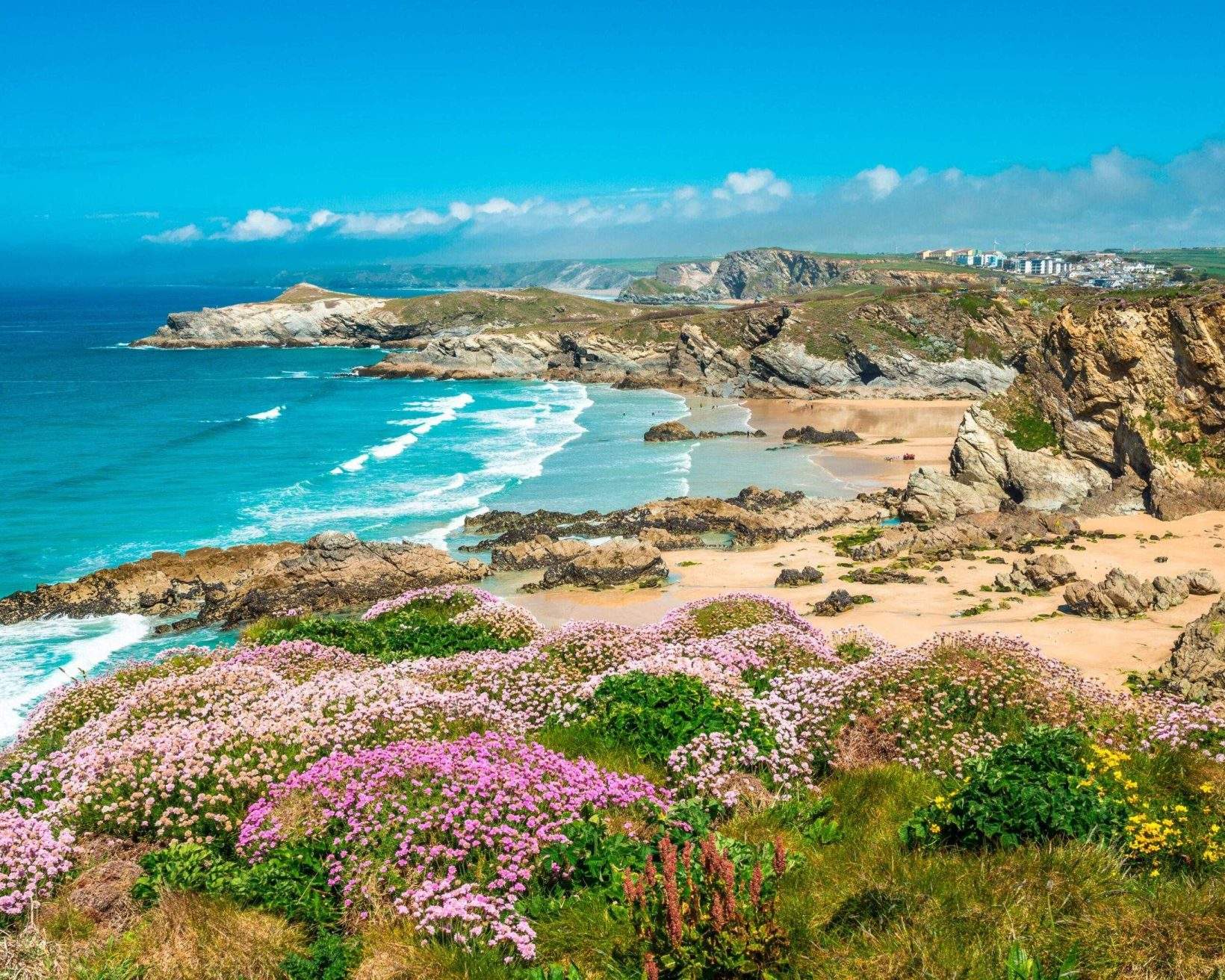
'The United Kingdom stands as one of the world's most layered trading nations, a sovereign archipelago where centuries of resource heritage meet modern global commerce.
From the rich agricultural estates of England's shires, producing world-class cereals, dairy, and premium livestock, to the distilleries of Scotland where single malt whisky carries protected geographic identity, every region contributes a distinct and irreplaceable export identity.
The North Sea has long delivered oil and gas to global markets, while Welsh slate, Cornish lithium prospects, and the distinctive minerals of Scotland's ancient geological formations continue to attract international attention. Beneath these islands lies a resource story that spans millennia.'
United Kingdom on Iferous.com
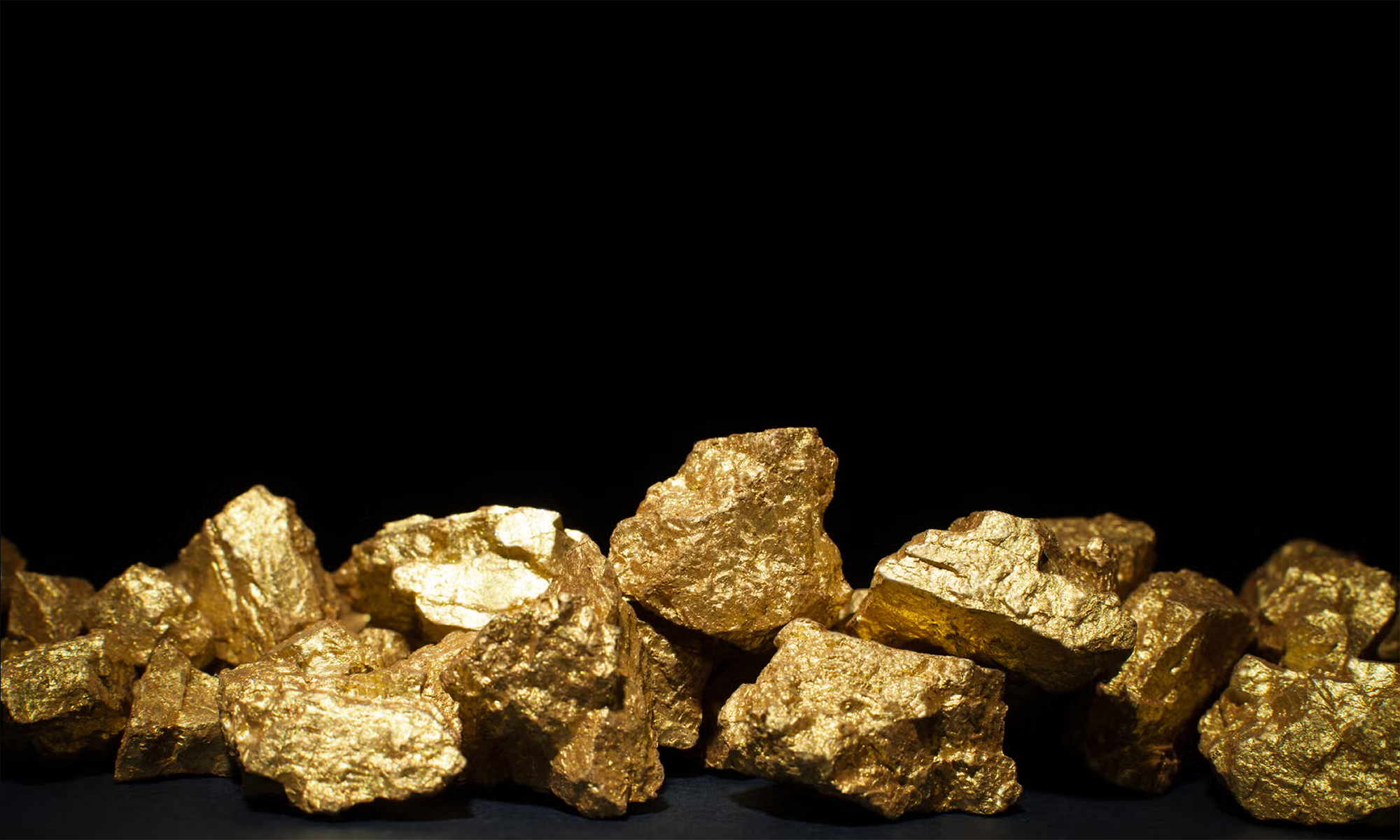
Among the world's most geologically distinctive gold deposits, Welsh gold carries a prestige that no other source can replicate.
Formed within ancient Precambrian and Cambrian rock formations unique to the Welsh uplands, Welsh gold carries a geological identity that cannot be reproduced elsewhere on earth. Its crystalline structure, trace mineral composition, and characteristic colour set it apart from all other gold sources, a fact recognised by the British royal family for over a century.
Since 1923, Welsh gold has been the exclusive material used in the wedding rings of the British royal family, a tradition of provenance and prestige that has elevated this mineral far beyond its quantity into a category of sovereign rarity. The Clogau St David's mine in Snowdonia remains the primary source of this irreplaceable material.
For procurement contacts seeking gold with a verifiable, legally documented identity, Welsh gold represents the ultimate expression of scientifically profiled precious metal, a resource where provenance is not a marketing claim but a geological and historical fact.
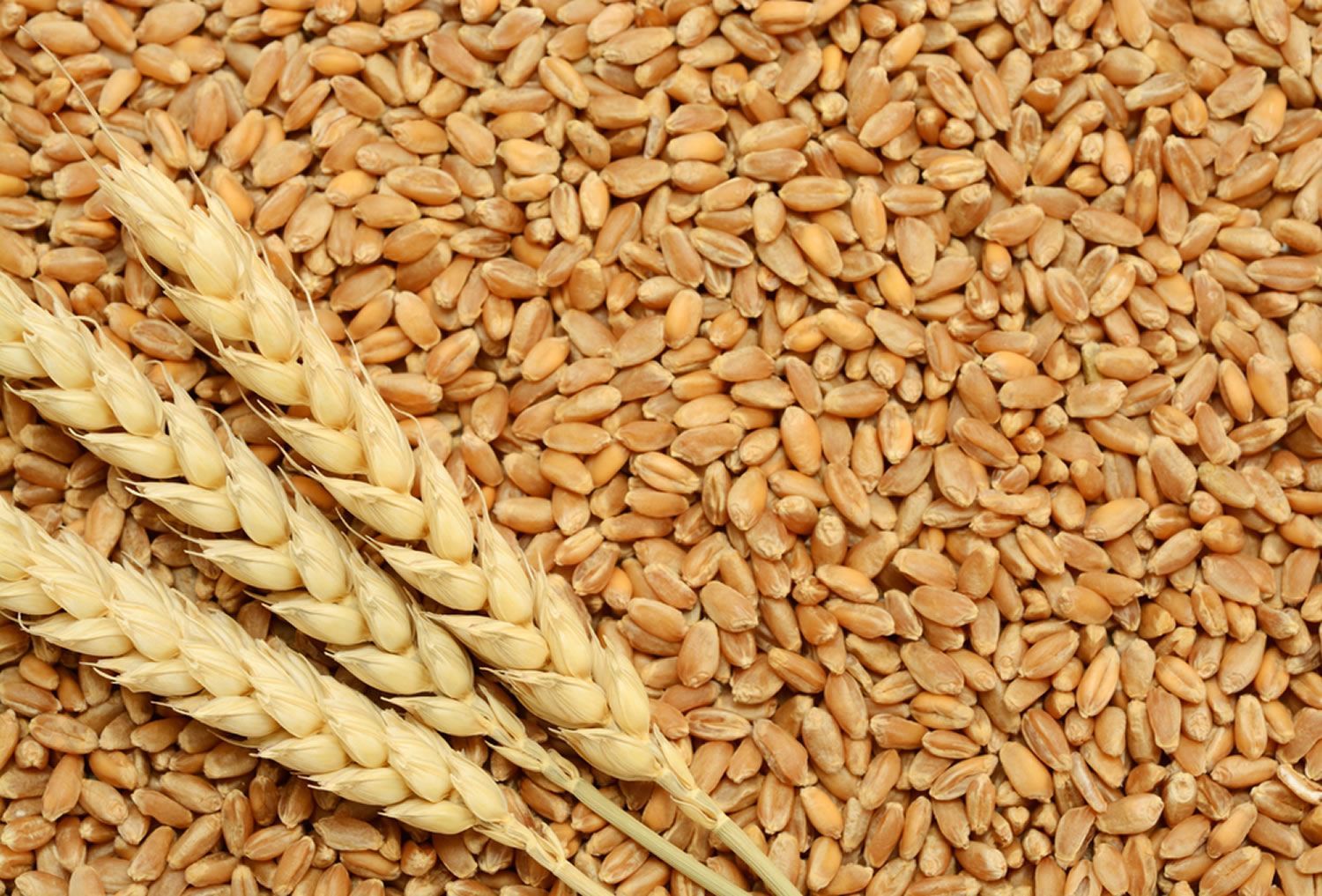
British malting barley, particularly the Maris Otter variety developed at the UK's Plant Breeding Institute, is the world's most prized raw material for craft brewing, its malt character the result of decades of selective breeding within Britain's specific maritime agricultural climate.
Maris Otter barley carries a specific combination of low nitrogen content, high enzymatic activity, and a characteristic biscuity, nutty flavour profile that newer high-yielding varieties have consistently failed to replicate to the satisfaction of the world's most discerning craft brewers. Its dominance in premium brewing malt after six decades of competition from higher-yielding varieties is the most compelling evidence of a grain's scientifically documented flavour superiority.
The malting barley of East Anglia, the Scottish Borders, and the English Midlands benefits from the UK's maritime climate, chalk and loam soils, and measured rainfall distribution that produces grain of consistent low moisture and controlled protein content. Scottish Golden Promise barley, another UK-developed variety, is additionally prized by Scotch whisky distillers for the specific fermentation characteristics its starch structure delivers in single malt production.
For procurement contacts in the premium craft brewing, Scotch whisky, and artisan distilling sectors seeking grain with the world's most documented flavour heritage, UK malting barley's Granicultures value chain offers varietal provenance, documented malt analysis profiles, and the institutional knowledge of an industry whose grain selection standards have shaped global brewing quality for over two centuries.
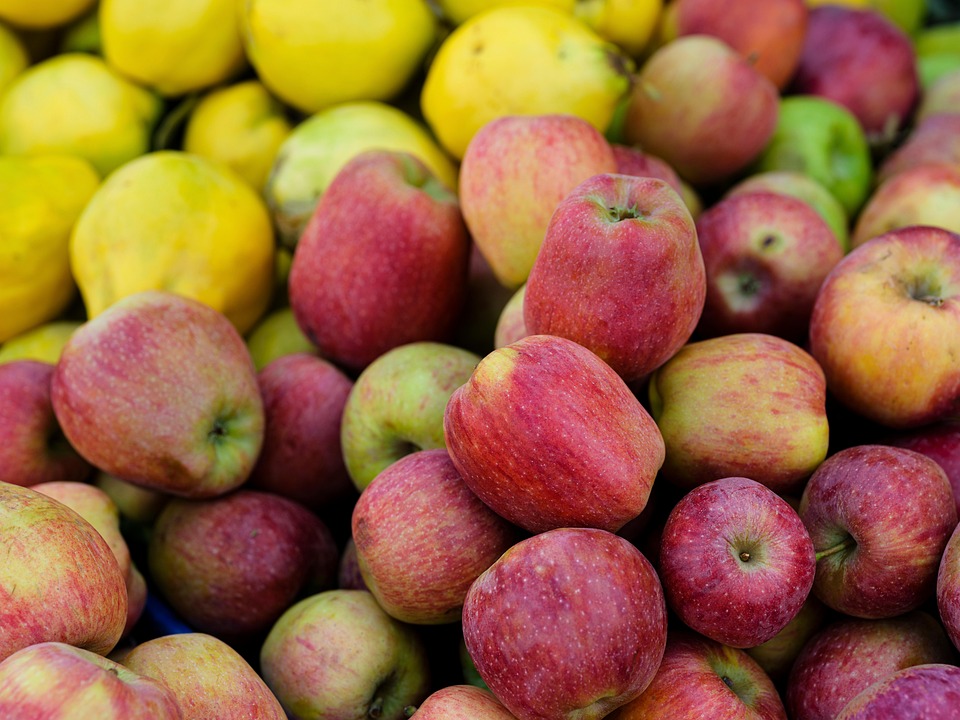
The Bramley apple, originating from a single seed planted in Southwell, Nottinghamshire around 1809, is the world's only cooking apple with Protected Geographical Indication status, its unique sugar-acid ratio and culinary behaviour the result of over two centuries of documented clonal propagation from one original tree.
Every Bramley apple sold under its PGI designation is genetically traceable to a single original tree, making it one of the world's most precisely documented fruit clones. Its exceptionally high malic acid content and specific sugar profile cause it to collapse into a fluffy puree when cooked, a culinary property no other apple variety replicates and which has made it the irreplaceable foundation of British culinary apple tradition for two hundred years.
British heritage orcharding represents a broader botanical legacy of global significance. The UK maintains some of the world's most extensive national collections of apple and pear varieties, with over 2,000 named apple varieties documented in British pomological records spanning six centuries. Cox's Orange Pippin, Worcester Pearmain, and Conference pear are British-originating varieties that have shaped global pome fruit cultivation across four continents.
For procurement contacts in the food processing, premium grocery, cider production, and heritage fruit sectors seeking apple varieties with documented clonal provenance, PGI-protected geographic identity, and scientific flavour differentiation built on two centuries of botanical documentation, UK pomiculture's Fruits value chain offers a heritage of institutional depth unmatched by any other apple-growing nation.
British lavender, cultivated at the northern limits of Lavandula angustifolia's commercial growing range, produces essential oil of scientifically documented chemical distinction from Mediterranean lavender, its elevated camphor content and specific linalool profile a direct product of the UK's maritime climate and chalk soil conditions.
British lavender, grown primarily in Norfolk, Kent, and the Cotswolds, occupies a unique position in the global lavender essential oil market. Cultivated at the most northerly commercial latitude of Lavandula angustifolia, British lavender develops a chemical profile shaped by the UK's cooler temperatures, longer summer daylight hours, and maritime humidity levels. The resulting essential oil carries a higher camphor and distinct linalool content compared to its Provençal counterpart, a difference documented by gas chromatography analysis that gives British lavender specific properties valued in pharmaceutical and aromatherapy formulations.
Norfolk lavender, the largest lavender cultivation in the northern hemisphere outside the Mediterranean basin, has been producing commercial essential oil since 1932, creating Britain's most established lavender oil heritage. The specific clay-over-chalk soil structure of the North Norfolk landscape contributes mineral complexity to the region's lavender oil, distinguishing it from limestone-grown Provençal lavender in its aromatic profile and therapeutic application.
For procurement contacts in the fragrance, pharmaceutical, and botanical wellness sectors seeking lavender essential oil with a scientifically distinct chemical profile from Mediterranean sources, documented northerly-latitude botanical character, and a British heritage of commercial cultivation spanning over ninety years, UK floriculture's Flowers value chain offers lavender provenance of analytical and geographic distinction.

IFEROUS+ - Aligning with the United Kingdom's multi-dimensional sovereign resource identity across Welsh gold, Maris Otter malting barley, Bramley apple heritage, and British lavender, we are building integrated value chain partnerships that span the nation's most scientifically distinctive assets, connecting global procurement contacts with the provenance documentation and long-term supply relationships that irreplaceable British resources command.
Call our London Office on 020 3355 1985 or email plus@iferous.com to connect with our strategists and discuss opportunities.