
-
Resources
- Precious Metals
- Battery Metals
- Industrial Metals
- Nuclear Energy
-
.cultures
- Timbers / Silvicultures
- Cottons / Gossypicultures
- Rubbers / Heveacultures
- Grains / Granicultures
- Oils / Oleicultures
- Sugars / Saccharicultures
- Coffees / Coffeicultures
- Cacaos / Cacaocultures
- Teas / Theicultures
- Flowers / Floricultures
- Fruits / Pomicultures
- Vegetables / Olericultures
- Citruses / Citricultures
-
Regions
- .IFEROUS+
- About
Indonesia
'The Emerald Archipelago, Where Sulawesi Nickel Anchors the EV Revolution, Sumatran Coffee Defines a Category, and Indonesian Palm Oil Feeds the World'

'Indonesia is the world's largest archipelago nation, a republic of over seventeen thousand islands whose extraordinary geological and ecological diversity has produced one of the most significant natural resource endowments on earth. From the nickel-rich laterite soils of Sulawesi's Morowali basin, which supply the majority of the world's battery-grade nickel for the electric vehicle revolution, to the coffee estates of Sumatra, Java, and Sulawesi that together constitute one of the world's great coffee origins, Indonesia's resource identity spans critical minerals, tropical agriculture, and maritime biodiversity of global significance.
Indonesia is the world's largest palm oil producer, supplying over half of global output from the Sumatran and Kalimantan plantation systems whose ISPO-certified production increasingly meets international sustainability standards. It is the world's fourth largest coffee producer, with Sumatran wet-hulled Mandheling representing one of coffee's most distinctive processing innovations. And its Java and Sulawesi fine flavour cacao, produced from Trinitario varieties in the volcanic growing zones of Jembrana and Mamuju, represents a fine flavour potential increasingly recognised by the world's craft chocolate community.
Indonesia's decision in 2020 to ban raw nickel ore exports, forcing international battery manufacturers to invest in Indonesian processing facilities, represents one of the most strategically assertive sovereign resource decisions of the twenty-first century and has repositioned Indonesia from commodity supplier to battery manufacturing value chain partner.'
Indonesia on Iferous.com
Indonesia is the world's largest nickel producer, its Sulawesi laterite systems at Morowali, Konawe, and Pomalaa containing the world's largest nickel reserves, with the Indonesian Morowali Industrial Park (IMIP) housing the world's largest integrated nickel-to-stainless-steel and nickel-to-battery-materials processing complex, a sovereign value chain achievement that has repositioned Indonesia from ore exporter to battery supply chain anchor.
The nickel laterite deposits of central and southeast Sulawesi, formed through deep tropical weathering of ophiolitic ultramafic rocks over millions of years under equatorial rainfall and temperature conditions, produce saprolite and limonite ore bodies of extraordinary lateral extent and contained nickel value. PT Vale Indonesia's Sorowako operation and the Harita Group's Obi Island complex supplement the Morowali IMIP complex to give Indonesia a nickel production profile of approximately one million tonnes contained nickel annually, approximately forty percent of world output.
Indonesia's 2020 nickel ore export ban, enforced against international opposition including a World Trade Organisation dispute initiated by the European Union, has successfully attracted over fifteen billion dollars of battery manufacturing investment to Indonesian processing zones, with battery cathode active material facilities on Obi Island and Sulawesi positioning Indonesia as a direct supplier to Chinese, Korean, and emerging Indonesian electric vehicle manufacturers. For procurement contacts in battery materials, stainless steel, and nickel alloy sectors seeking the world's most strategically managed nickel supply chain, Indonesia's Sulawesi Nickeliferous value chain offers sovereign resource control and processing infrastructure of unprecedented EV-era significance.
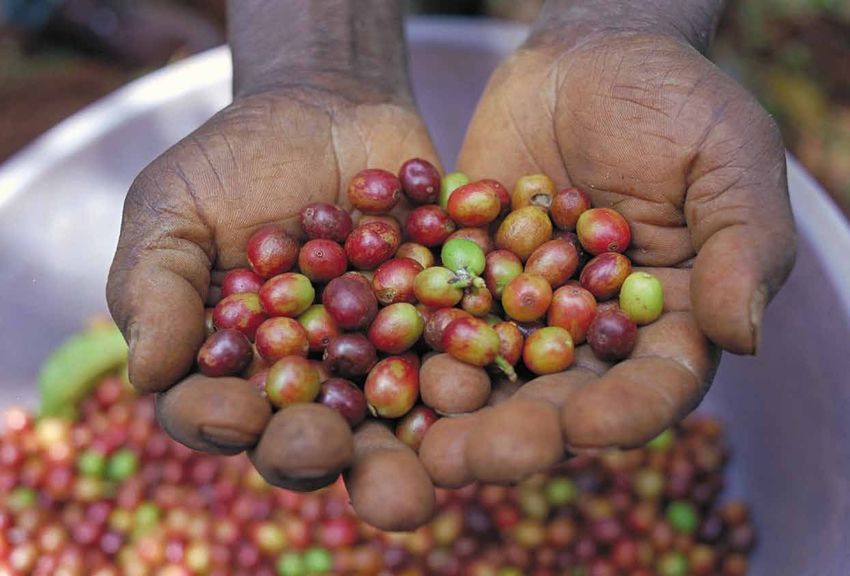
Indonesian coffee, encompassing the wet-hulled Sumatra Mandheling whose earthy, full-bodied, low-acid character is achieved through the uniquely Indonesian Giling Basah processing method, the Java Estate coffees from the oldest established arabica plantations outside Arabia and Ethiopia, and the Sulawesi Toraja and Kalosi highland coffees of complex fruity character, represents one of the world's great coffee-producing archipelagos whose island diversity creates a range of cup profiles no single growing region can match.
Sumatra Mandheling, processed through the wet-hulling method specific to Sumatra where the parchment is removed from the coffee bean while still at high moisture content and the bean is dried in its green state, develops the characteristic earthy, cedar, and dark chocolate complexity that makes Sumatran coffee one of the most immediately identifiable origins in the specialty market. The Giling Basah process, unique to Indonesia, creates a coffee whose cellular structure expands differently from conventionally processed arabica, producing a bean of lower density and higher porosity that absorbs roast energy differently and develops the full-body, low-acid profile that millions of consumers specify by origin name.
Java coffee, grown on the Ijen plateau estates of East Java and carrying the oldest continuously documented arabica cultivation heritage in the southern hemisphere, gives Indonesia a coffee provenance of historical depth that predates most other tropical origins. The word java as a generic English synonym for coffee itself testifies to the cultural penetration of Indonesian coffee identity. For procurement contacts in specialty, commercial, and historical origin coffee sectors seeking the world's most diverse island-origin coffee portfolio, Indonesia's Coffeicultures value chain offers cup character of volcanic archipelago distinction.

Indonesia is the world's largest palm oil producer, supplying over fifty percent of global crude palm oil output from the Sumatran and Kalimantan plantation systems whose ISPO-certified production feeds the food manufacturing, personal care, biofuel, and oleochemical industries of India, China, Europe, and Pakistan with the world's most consumed vegetable oil.
Indonesian palm oil, produced from Elaeis guineensis plantations covering approximately sixteen million hectares across Sumatra, Kalimantan, and Sulawesi, is subject to the Indonesian Sustainable Palm Oil (ISPO) mandatory certification standard, a government-administered framework requiring environmental and social compliance by all Indonesian palm oil producers. The mandatory character of ISPO, unlike the voluntary RSPO standard, creates a baseline sustainability governance framework across the entire Indonesian industry that independent certification alone cannot achieve.
Indonesia's biofuel mandate, currently requiring B35 blending of palm-based biodiesel into diesel fuel, creates a significant domestic consumption base that supports palm oil prices and reduces export volume, giving Indonesian palm oil a supply dynamic distinct from other producing nations whose palm oil output is primarily export-oriented. For procurement contacts in food manufacturing, personal care, oleochemical, and biofuel sectors seeking Indonesian palm oil with ISPO certification, documented Sumatra or Kalimantan plantation provenance, and the supply scale of the world's dominant producing nation, Indonesia's Oleicultures value chain offers the foundational vegetable oil supply chain of the global food system.
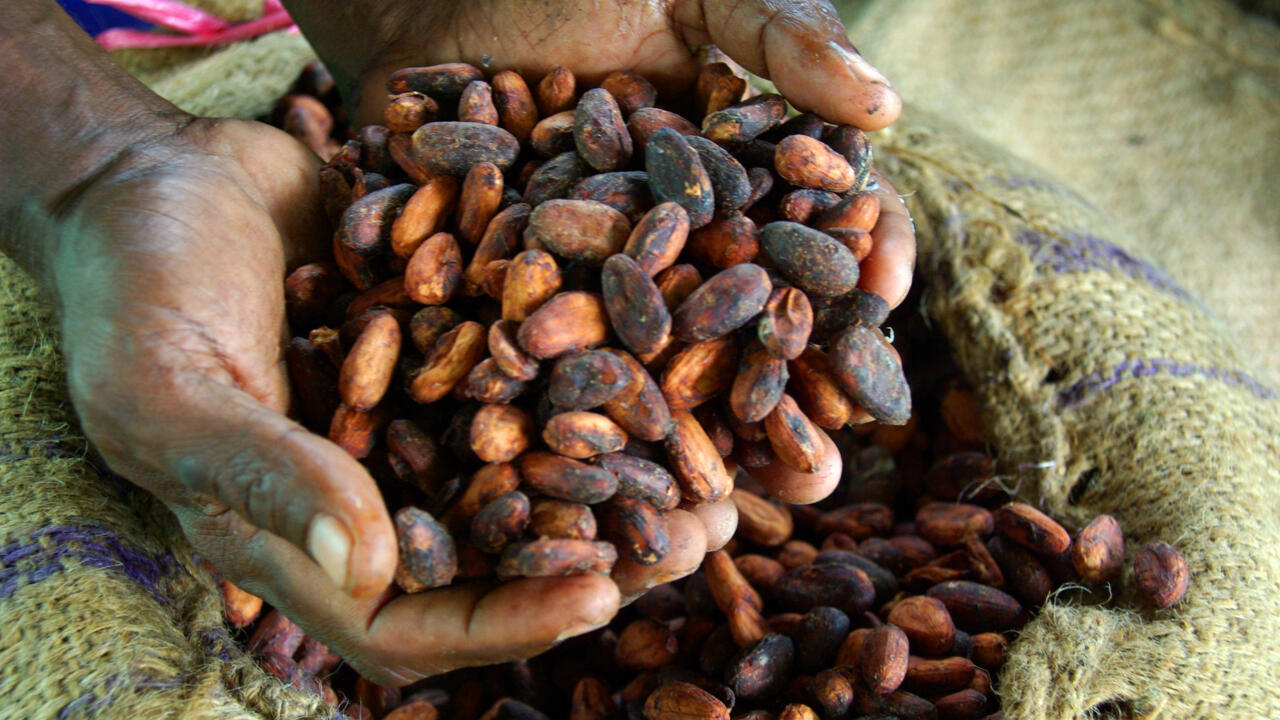
Indonesian fine flavour cacao from the Jembrana district of Bali, the Mamuju and Luwu areas of Sulawesi, and the Flores island growing zones produces Trinitario beans of the complex fruity, earthy, and spiced character that craft chocolate makers have increasingly identified as a distinctive Indonesian origin quality tier separate from the commodity bulk cacao that constitutes the majority of Indonesia's annual production.
Indonesia is the world's third largest cocoa producer, with the majority of production from robusta Forastero varieties grown across Sulawesi, Sumatra, and East Java for the bulk chocolate manufacturing market. Within this production landscape, the Trinitario fine flavour enclaves of Jembrana, Bali, and the volcanic highland zones of Sulawesi produce beans of ICCO fine flavour potential whose specific combination of Theobroma cacao genetics, volcanic mineral soil, and traditional fermentation knowledge creates a flavour profile assessed by international chocolate evaluators as among Southeast Asia's most distinctive.
Craft chocolate makers including Zotter of Austria and several Japanese bean-to-bar producers have sourced directly from Indonesian fine flavour cooperatives, producing single-origin bars that showcase the complex cinnamon-spice, red fruit, and earthy depth that Indonesian volcanic island cacao offers at its quality pinnacle. The diversity of Indonesian island microclimates across Java, Bali, Sulawesi, Flores, and Papua creates a fine flavour landscape of potential variety that the international craft chocolate market has only begun to explore. For procurement contacts in premium chocolate, craft confectionery, and fine flavour cacao sectors seeking Indonesian Trinitario with documented island provenance and ICCO fine flavour assessment, Indonesia's Cacaocultures value chain offers archipelago origin cacao of volcanic complexity.

IFEROUS+ - Aligning with Indonesia's extraordinary sovereign resource identity across Sulawesi nickel as the world's #1 producer and the foundational battery metal of the EV transition, Sumatra Mandheling and Java Estate coffee of one of the world's great archipelago coffee origins, world-dominant Indonesian palm oil feeding the global food system, and Jembrana and Sulawesi fine flavour cacao of craft chocolate discovery, we are building integrated value chain partnerships across the Emerald Archipelago's most strategically significant assets.
Call our London Office on 020 3355 1985 or email plus@iferous.com to connect with our strategists and discuss opportunities.