
-
Resources
- Precious Metals
- Battery Metals
- Industrial Metals
- Nuclear Energy
-
.cultures
- Timbers / Silvicultures
- Cottons / Gossypicultures
- Rubbers / Heveacultures
- Grains / Granicultures
- Oils / Oleicultures
- Sugars / Saccharicultures
- Coffees / Coffeicultures
- Cacaos / Cacaocultures
- Teas / Theicultures
- Flowers / Floricultures
- Fruits / Pomicultures
- Vegetables / Olericultures
- Citruses / Citricultures
-
Regions
- .IFEROUS+
- About
Barbados
'Where Coral Limestone and Centuries of Craft Define a Proud Trading Island'
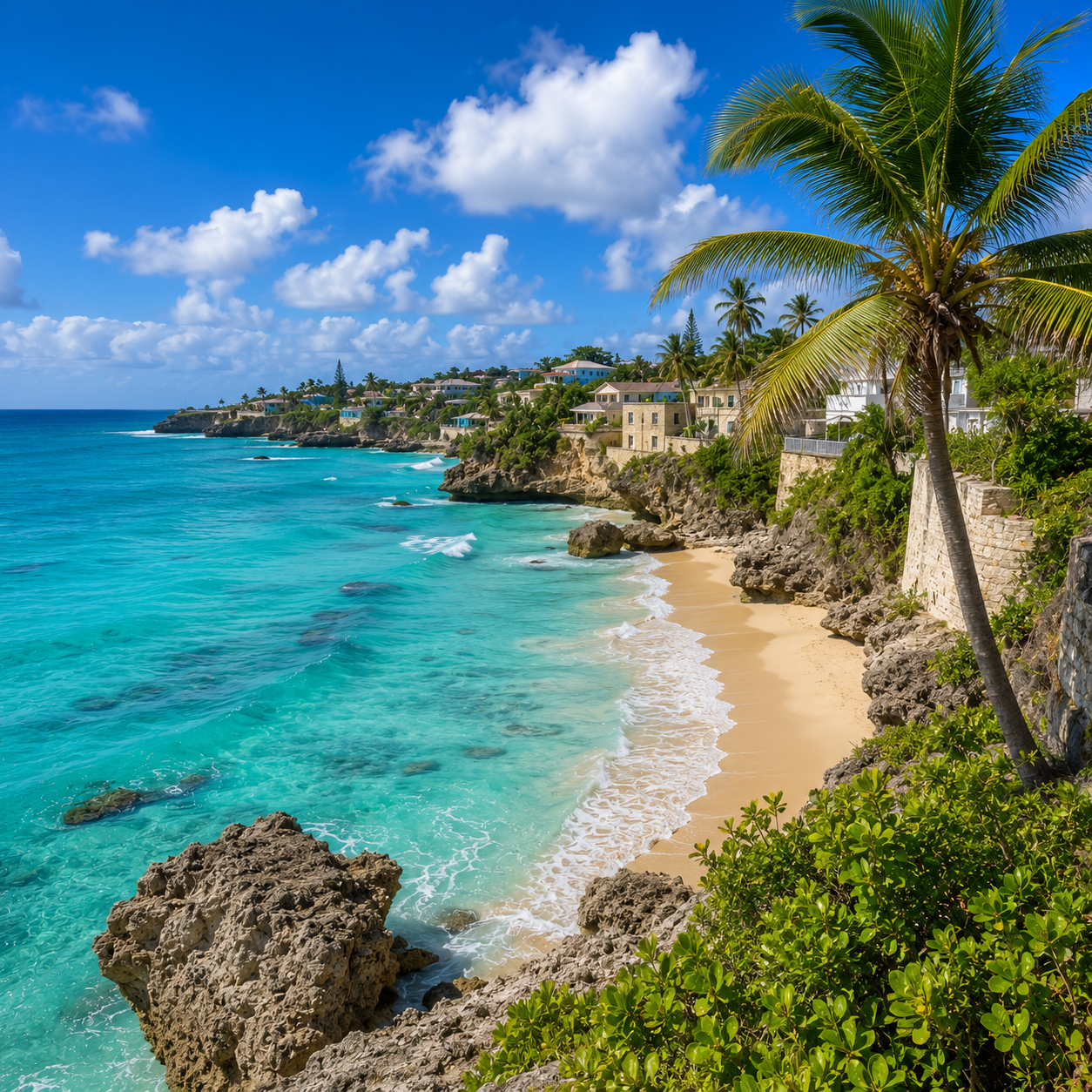
'Barbados is the most easterly island in the Caribbean, a coral limestone plateau rising gently from the Atlantic whose landscape, culture, and economic identity have been shaped by centuries of agricultural tradition, maritime heritage, and a social sophistication unique in the region. As the birthplace of rum and a pioneer of sugar cultivation, Barbados occupies a founding place in Caribbean trade history.
The agricultural identity of Barbados is built on sugar, a heritage that transformed this small island into one of the most productive agricultural territories per acre in the world during its colonial era. Today, premium Barbadian rum, distilled from local cane molasses and carrying protected geographic status, commands premium pricing in international spirits markets. Sea island cotton, once the finest cotton in the world, and the acerola cherry add further depth to the island's remarkable agricultural portfolio.
The natural landscapes of Barbados, including the Scotland District in the island's northeast, support a distinct ecological character shaped by coral geology, Atlantic wind exposure, and centuries of land use. The island's mahogany trees, introduced historically and now naturalised across the landscape, represent a woodland resource of both ecological and heritage significance, their timber shaped by alkaline coral soil into material of distinctive character.'
Barbados on Iferous.com

The woodland ecosystems of Barbados, anchored by naturalised mahogany and native gully species grown in coral limestone soil, represent an island timber resource of heritage significance and ecological distinction.
Barbados supports a woodland character shaped by its unique coral limestone geology and Atlantic exposure. The introduction of mahogany to Barbados in the eighteenth century for plantation shade and timber created what is now a centuries-old naturalised population of this prized hardwood species, growing in conditions of alkaline coral soil that produce timber of distinctive density and grain character found nowhere else in the Lesser Antilles.
The protected woodland areas of Barbados, including Turners Hall Wood, represent some of the last remnants of the island's original forest cover, containing native species of botanical significance. Barbadian timber heritage is inseparable from the island's social and architectural history, with the chattel house tradition of locally sourced timber craftsmanship reflecting centuries of intimate relationship between the island and its forest resources.
For procurement contacts and heritage timber specialists seeking Caribbean hardwood with documented island-specific botanical character, Barbados offers a woodland resource shaped by coral geology, Atlantic climate, and centuries of human and ecological interaction giving its timber a story unique in the Eastern Caribbean.
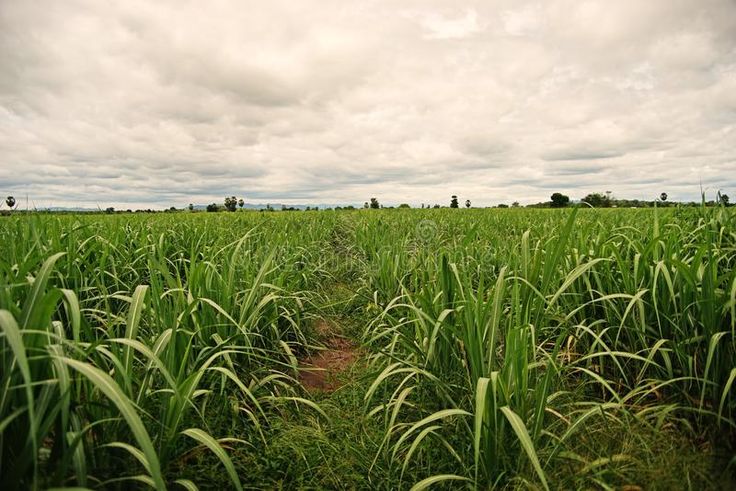
Barbados is the birthplace of rum, with Mount Gay Distilleries holding documentation confirming distilling operations at the Barbados estate from 1703, making it the world's oldest documented rum producer, its Barbadian rum tradition defined by the coral limestone terroir of the island's sugarcane cultivation and the pot still distillation heritage unique to Barbadian rum production.
Mount Gay Distilleries in St. Lucy, Barbados, holds deeds dating to 1703 that reference the existence of distilling equipment at the estate, constituting the world's oldest documented evidence of continuous rum production and making Barbados the unambiguous birthplace of the rum category. The sugarcane grown on Barbados's coral limestone soils, with the island's specific combination of Atlantic wind exposure, moderate rainfall, and the alkaline mineral character of coral geology influencing sugar chemistry and fermentation, produces molasses of a specific character that informs the clean, balanced profile of Barbadian rum.
Barbadian rum is characterised by its use of both pot still and column distillation in combination, a blending tradition that gives the best Barbadian rums their characteristic balance of aromatic complexity from pot still distillation and clean refinement from column distillation. The Barbados Rum Association's geographical indication, protecting the Barbados rum designation for spirits made entirely from Barbadian sugarcane molasses and distilled and aged on the island, gives procurement contacts access to a rum category with formal geographic protection and documented production requirements.
For procurement contacts in the premium spirits, heritage rum, and rum category development sectors seeking rum with the world's most historically documented geographic production heritage, Geographical Indication protection, and the distinctive coral limestone terroir of the Caribbean's original rum producing island, Barbadian rum's Saccharicultures value chain offers provenance of historical primacy and institutional depth unmatched in the global rum category.
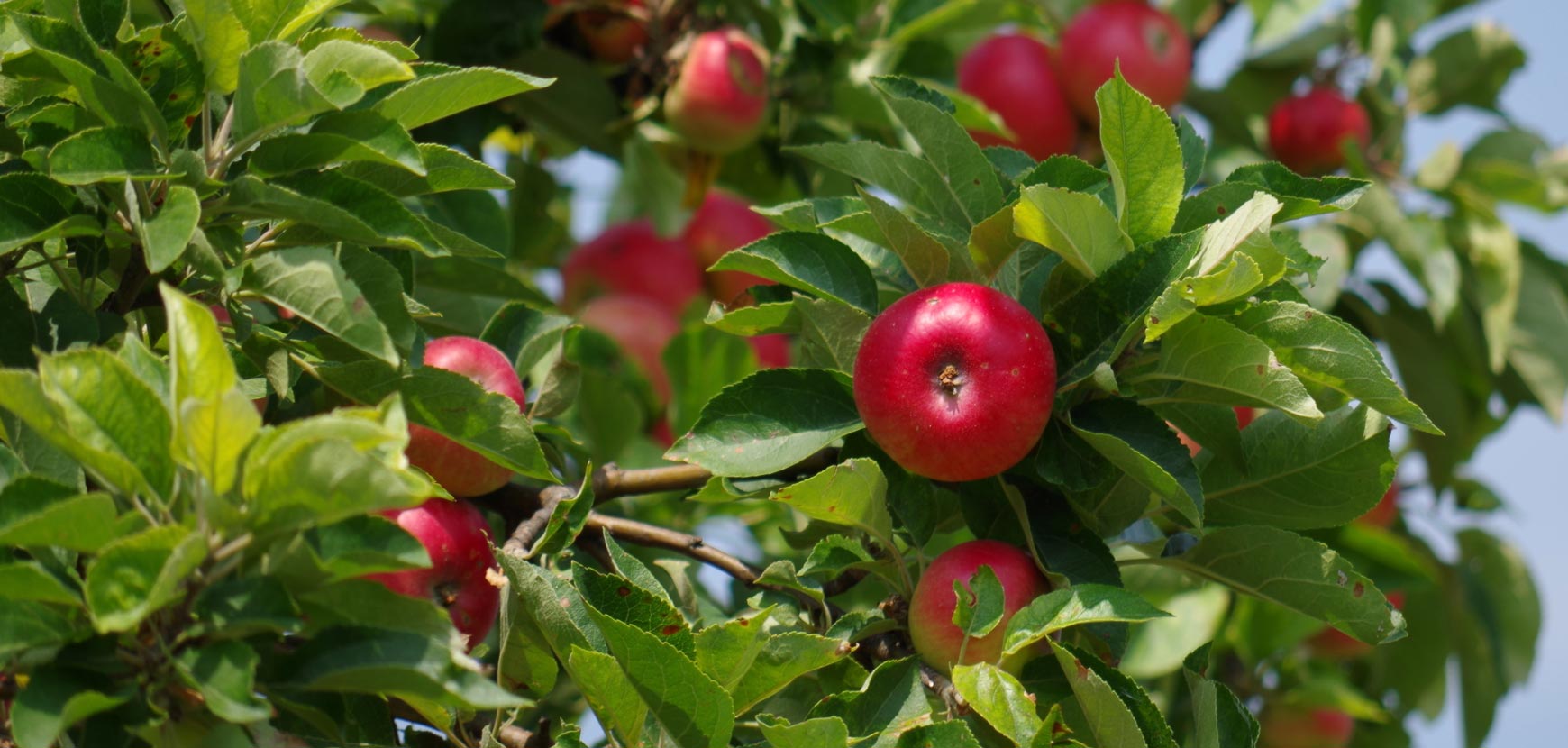
The acerola, known as Barbados cherry, Malpighia emarginata, carries the highest documented natural vitamin C content of any commercially cultivated fruit in the world, with values 50 to 100 times higher than citrus oranges, making Barbados the geographic origin namesake of the world's most vitamin-C-dense commercial fruit.
The Barbados cherry, Malpighia emarginata, native to the Caribbean and carrying Barbados in its most common English name due to early European documentation of the fruit from this island, contains documented ascorbic acid concentrations of 1,000 to 4,500 milligrams per 100 grams of fresh fruit, compared to 50-70 milligrams per 100 grams for commercial orange juice. This extraordinary vitamin C concentration, confirmed across multiple peer-reviewed publications, makes acerola the single highest natural source of ascorbic acid among commercially cultivated fruits, with significant implications for pharmaceutical, nutraceutical, and functional food applications where natural vitamin C is specified.
The acerola fruit's vitamin C content degrades rapidly after harvest, requiring immediate processing that limits commercial fresh fruit trade and directs most commercial production toward freeze-dried powder, juice concentrate, and standardised extract formats for the nutraceutical industry. The functional food and dietary supplement market for natural vitamin C derived from acerola has grown substantially as consumer preference for plant-derived vitamins over synthetic ascorbic acid creates premium positioning for documented natural-source vitamin C with Barbados cherry provenance.
For procurement contacts in the nutraceutical, pharmaceutical, functional food, and natural ingredient sectors seeking the world's highest natural vitamin C source in commercially cultivable fruit form, with documented ascorbic acid content of 50 to 100 times citrus orange concentration, and the Caribbean island origin provenance that underpins the Barbados cherry's historic botanical identity, acerola's Pomicultures value chain offers fruit provenance of exceptional nutritional science and natural ingredient authenticity.
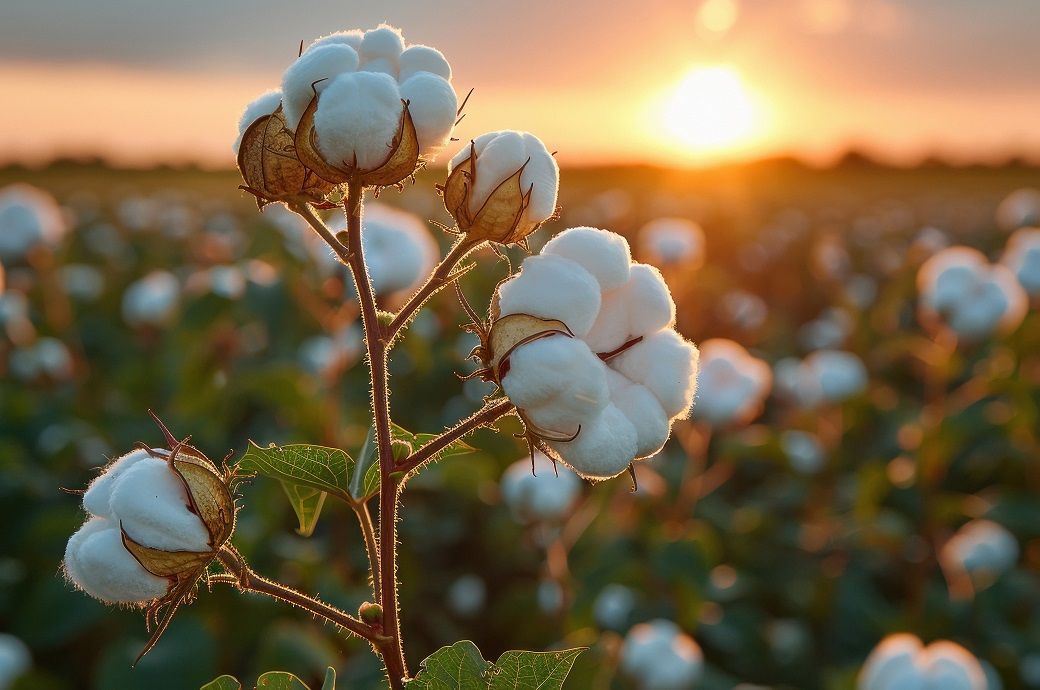
Sea island cotton, Gossypium barbadense, originally cultivated on Barbados and the surrounding Caribbean islands and named for the island geography of its origin, is historically the finest natural fibre produced by any commercial cotton species, its extra-long staple length, silky lustre, and exceptional tensile strength a product of Caribbean island climate and coral soil conditions.
Gossypium barbadense, the botanical species name carrying the Latin form of Barbados in direct acknowledgement of its Caribbean island origin, produces fibres of extraordinary length, fineness, and silky character that distinguish it categorically from the Gossypium hirsutum upland cotton that dominates global production. Sea island cotton fibres of 38 to 44 millimetres staple length, compared to 25-30 millimetres for standard commercial cotton, enable the spinning of exceptionally fine yarns that produce the finest luxury cotton textiles in the world, including the Egyptian Giza and Pima varieties that trace their genetics to the original Caribbean sea island cultivars.
The cultivation of sea island cotton on Barbados and the Leeward Islands in the eighteenth and nineteenth centuries produced the most economically valuable textile fibre in the world at its peak, commanding prices many times higher than standard cotton. The specific combination of Caribbean island climate, adequate but not excessive rainfall, and the alkaline coral limestone soils of the Barbadian coastal plain created growing conditions that developed the extra-long staple character and silky lustre in the Gossypium barbadense plant that cannot be replicated in continental growing environments.
For procurement contacts in the luxury textile, premium apparel, fine thread, and specialty fibre sectors seeking cotton with the world's most historically documented extra-long staple heritage, a botanical species named for its Caribbean island geographic origin, and the genetic lineage that underpins modern luxury cotton production from Egyptian Giza to Peruvian Pima, sea island cotton's Gossypicultures value chain offers fibre provenance of historical primacy and luxury textile heritage unique in the global cotton industry.

IFEROUS+ - Aligning with Barbados' multi-dimensional sovereign resource identity across coral limestone mahogany, the world's oldest documented rum heritage, acerola the world's most vitamin-C-dense fruit, and sea island cotton whose botanical name carries Barbados to every luxury textile market on earth, we are building integrated value chain partnerships that span the island's most scientifically distinctive assets, connecting global procurement contacts with the provenance documentation and long-term supply relationships that irreplaceable Barbadian resources command.
Call our London Office on 020 3355 1985 or email plus@iferous.com to connect with our strategists and discuss opportunities.