
-
Resources
- Precious Metals
- Battery Metals
- Industrial Metals
- Nuclear Energy
-
.cultures
- Timbers / Silvicultures
- Cottons / Gossypicultures
- Rubbers / Heveacultures
- Grains / Granicultures
- Oils / Oleicultures
- Sugars / Saccharicultures
- Coffees / Coffeicultures
- Cacaos / Cacaocultures
- Teas / Theicultures
- Flowers / Floricultures
- Fruits / Pomicultures
- Vegetables / Olericultures
- Citruses / Citricultures
-
Regions
- .IFEROUS+
- About
Guyana
'The Land of Many Waters, Where Guiana Shield Gold and Demerara Heritage Define a Continental Giant'
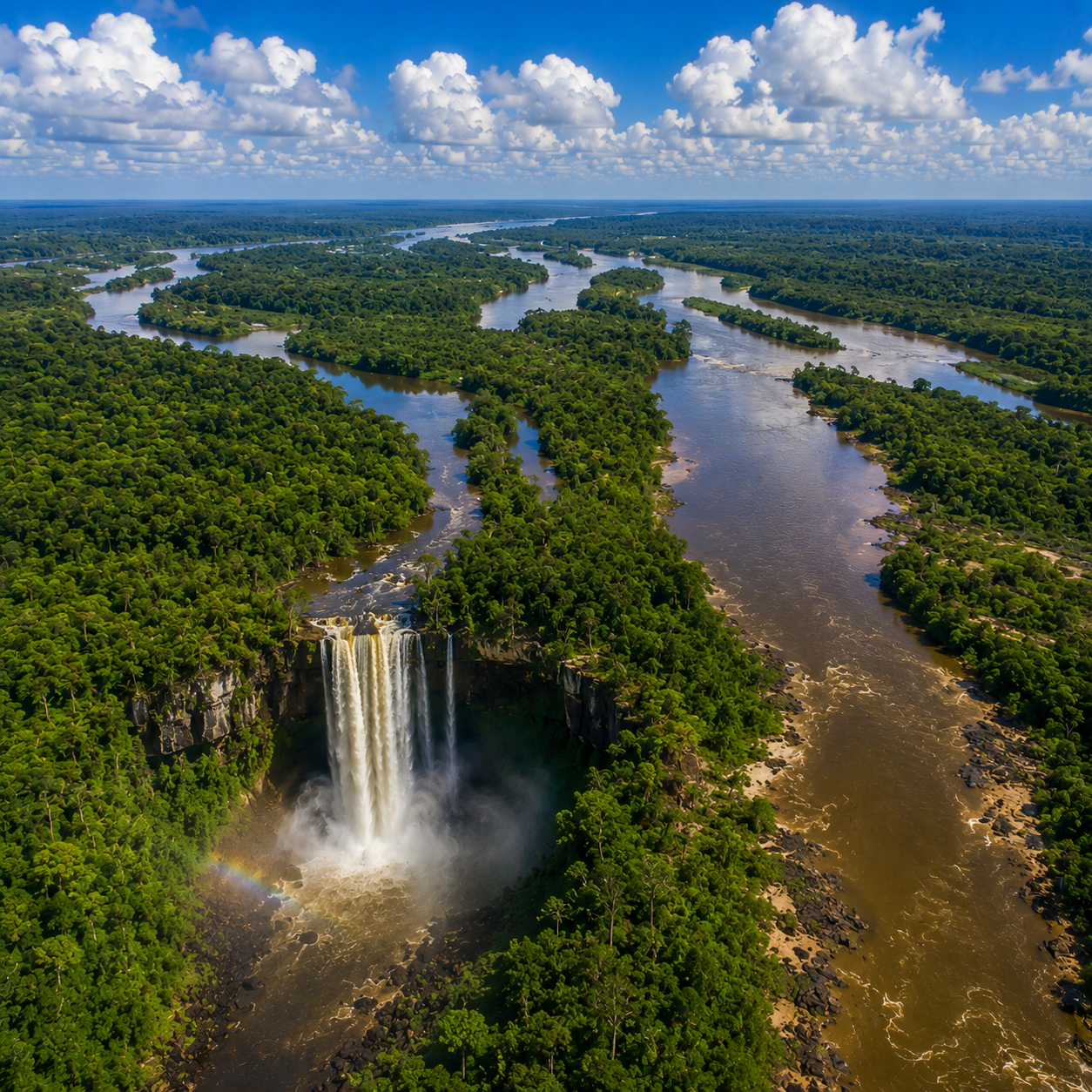
'Guyana is South America's only English-speaking nation, a country of continental scale whose enormous natural resource endowment spans offshore oil of world-class significance, Amazonian hardwood of engineering irreplaceability, gold from the ancient Guiana Shield, and the agricultural heritage of the Demerara, Essequibo, and Berbice river systems. The very name Demerara has entered global trade vocabulary as the definitive descriptor for large-crystal amber cane sugar.
The coastal polders of Guyana, reclaimed from the sea by Dutch engineering beginning in the seventeenth century and maintained below sea level by a system of dams and sluices, support rice, sugar, and tropical produce cultivation in some of the most fertile river delta soils in the Caribbean basin. The Demerara River valley that gave the world its most recognised cane sugar name continues to produce sugar of documented authenticity from this same geographic origin.
The interior forests of Guyana, covering approximately 85% of the nation's territory within the Guiana Shield biodiversity hotspot, are managed under the Low Carbon Development Strategy as one of the world's most significant carbon forest assets, a nationally mandated framework that supports certified sustainable timber extraction alongside the preservation of forest carbon and biodiversity values of global scientific importance.'
Guyana on Iferous.com
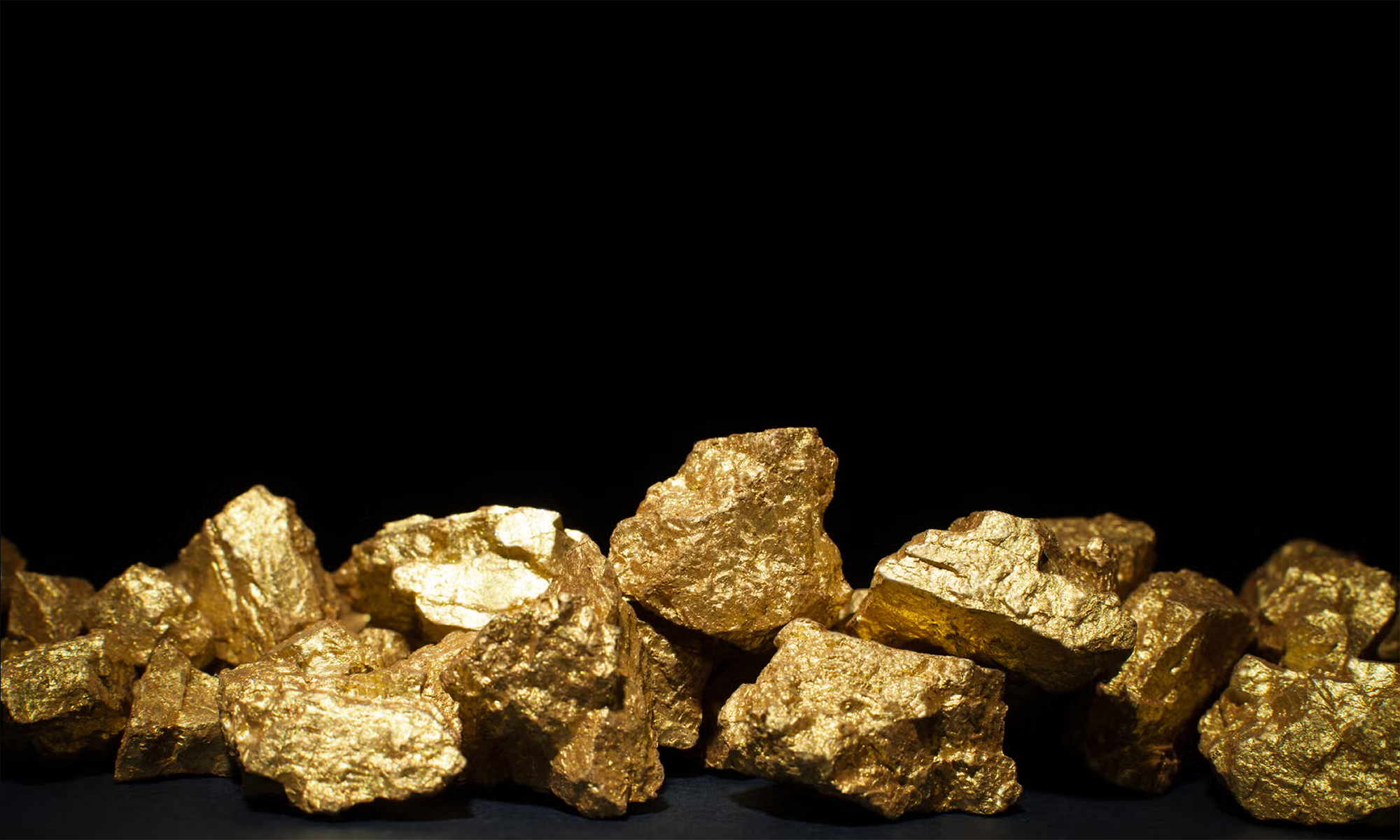
The Guiana Shield of Guyana hosts gold deposits of ancient geological origin and extraordinary commercial significance, their formation in Precambrian greenstone belts of 2.5 billion years of age making Guyanese gold among the most geologically ancient precious metal resources in active commercial production anywhere on earth.
The gold deposits of the Guiana Shield, exposed across the interior highlands of Guyana in greenstone belt sequences of Precambrian age, include the Omai deposit operated by Cambior in a partnership with the Guyanese government, which was the largest open pit gold mine in South America at its peak of production. The Guiana Shield's ancient cratonized basement, one of the world's oldest exposed geological formations, contains gold mineralisation of both orogenic lode and alluvial types distributed across the Upper Essequibo, Mazaruni, and Potaro river basins.
Guyana's gold sector is overseen by the Guyana Gold Board, which certifies and assays artisanal and small-scale gold production alongside the large-scale operations of international mining companies. The combination of Guiana Shield geological heritage, institutional gold management infrastructure, and the growing large-scale mining investment from companies including ExxonMobil's upstream presence establishing Guyana as a major resource economy positions Guyanese gold in an expanding institutional framework of international credibility.
For procurement contacts seeking gold from a geologically ancient, institutionally credentialed South American source with certified Guyana Gold Board documentation, the geological prestige of the Guiana Shield's Precambrian formation, and the sovereign resource identity of the Caribbean's most rapidly developing major resource economy, Guyanese gold's Auriferous value chain offers provenance of geological antiquity and institutional depth.
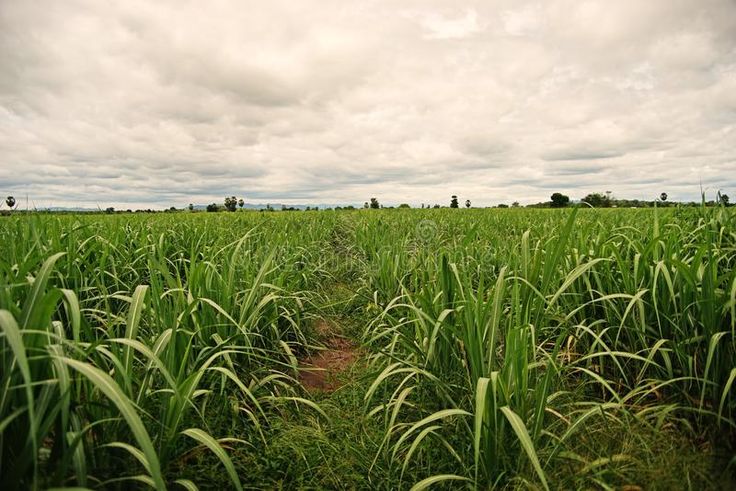
Demerara sugar, named for the Demerara River of Guyana and produced from Guyanese sugarcane since the colonial era, is one of the world's most recognised geographic confectionery product names, its distinctive large amber crystals, molasses-rich flavour, and documented moisture retention making it the premium cane sugar of choice for professional baking and confectionery applications globally.
Demerara sugar takes its name directly from the Demerara River of central Guyana, around whose coastal alluvial plain the most productive sugar estates of the former British Guiana were established. The term Demerara sugar, now used as a descriptor in many global markets for large-crystal raw cane sugar of golden colour, originated as a geographic indication of genuinely Guyanese provenance, making the Demerara River valley arguably the first Caribbean geographic indication to achieve global confectionery market recognition. Authentic Demerara sugar from Guyana, produced by Guysuco from cane grown on the coastal polders, carries the original provenance that the worldwide use of the Demerara name reflects.
The specific character of authentic Guyanese Demerara sugar, with its large sucrose crystals retaining a film of natural molasses that gives the sugar its characteristic amber colour, moist texture, and caramel-like flavour, is produced by a partial refining process that deliberately preserves a portion of the cane's natural molasses content. This processing decision, reflecting the specific cane varieties and production traditions of Guyanese sugar cultivation, creates a sugar of distinctive flavour that professional pastry chefs and confectioners specify over fully refined white sugar for applications where Demerara's caramel depth enhances the finished product.
For procurement contacts in the premium food manufacturing, professional baking, confectionery, and specialty grocery sectors seeking authentic Demerara sugar with documented Guyanese Demerara River valley provenance, the large-crystal amber character of partial molasses retention, and the original geographic identity behind the world's most commercially recognised cane sugar name, Guyanese saccharicultural value chain offers sugar provenance of historical authenticity and confectionery market distinction.

Guyana's Amazonian interior forests, managed under the internationally recognised Low Carbon Development Strategy as one of the world's most significant carbon forest assets, contain Greenheart and Purpleheart tropical hardwoods of exceptional marine engineering value, certified by the Guyana Forestry Commission under one of South America's most rigorous sustainable extraction frameworks.
The interior forests of Guyana, covering approximately 85% of national territory within the Guiana Shield biodiversity hotspot, contain the world's most significant commercial stands of Greenheart (Chlorocardium rodiei), a tropical hardwood whose specific gravity exceeds that of water and whose resistance to marine borers and biological decay makes it irreplaceable in harbour construction, lock gates, and marine piling applications. European and North American dock and harbour infrastructure built with Guyanese Greenheart during the nineteenth and twentieth centuries continues to demonstrate the timber's exceptional longevity under continuous marine exposure.
Guyana's Low Carbon Development Strategy, an internationally recognised national framework for managing the forest estate as a carbon asset while permitting certified sustainable timber extraction, provides procurement contacts with the most institutionally credentialed sustainable tropical timber supply chain available in South America. The Guyana Forestry Commission administers timber concession agreements incorporating FSC certification requirements and environmental impact assessment standards aligned with international best practice for tropical forest management.
For procurement contacts in the marine engineering, harbour construction, specialist hardwood joinery, and sustainable timber sectors seeking Amazonian hardwood with the most comprehensively documented sustainable extraction credentials in South America, Greenheart's exceptional marine durability proven over a century of international application, and the institutional forest governance framework of Guyana's internationally recognised Low Carbon Development Strategy, Guyanese silviculture's Timbers value chain offers hardwood of engineering performance, sustainability documentation, and ecological integrity unique in the global tropical hardwood market.
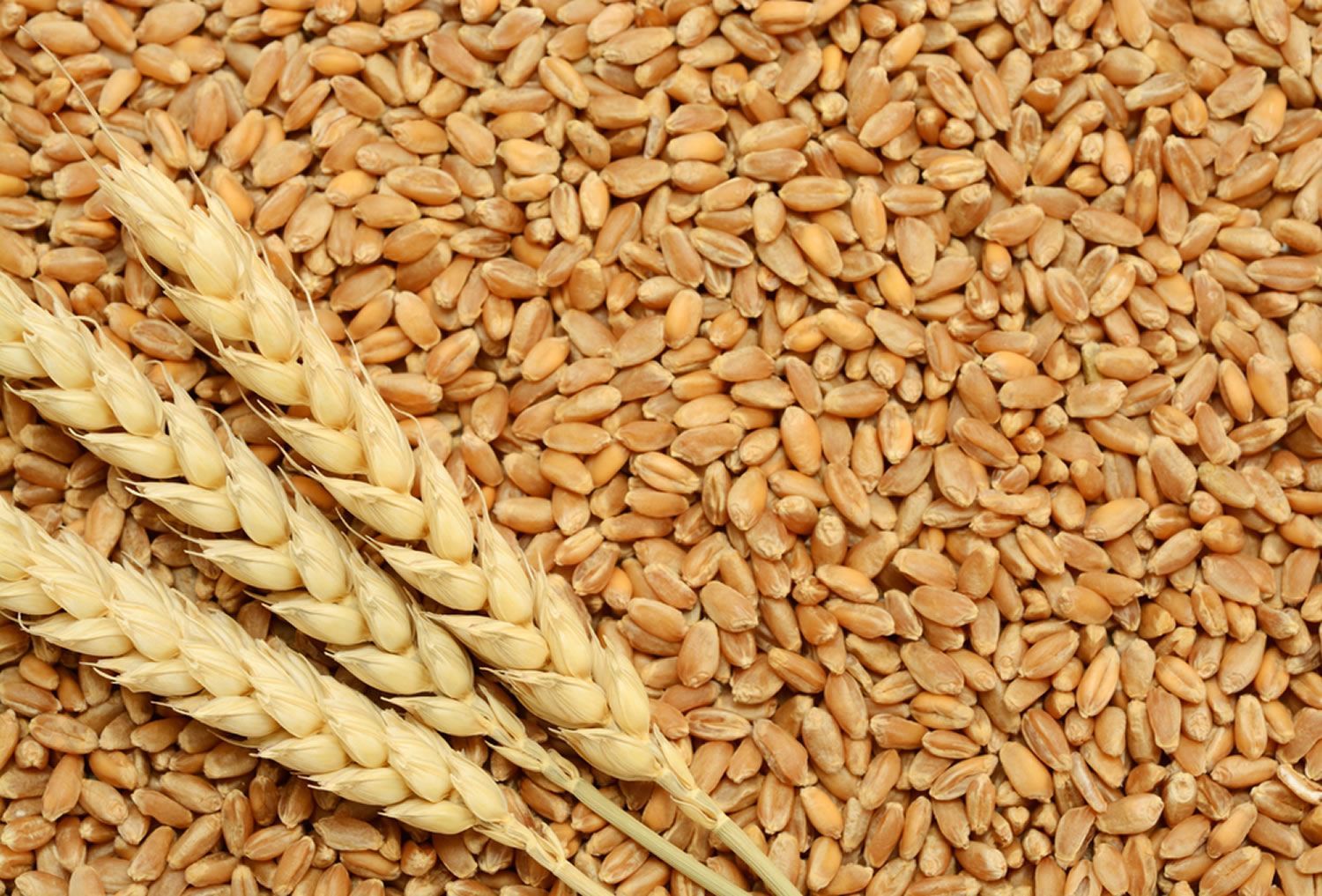
Guyanese rice, cultivated on the engineered coastal polders of the Essequibo, Demerara, and Berbice river lowlands below sea level using drainage infrastructure of Dutch colonial origin, is produced in one of the most technically ambitious agricultural systems in the Americas, its long grain quality and two-crop annual yield making it a significant Caribbean regional staple export.
The coastal polders of Guyana, engineered primarily by Dutch colonial planters in the seventeenth and eighteenth centuries using a system of dams, canals, and sluice gates to reclaim fertile alluvial lowland from tidal inundation, support rice cultivation on some of the most mineral-rich agricultural soils in the Caribbean basin. Guyanese long grain rice, grown on the polder system of the Essequibo coast, the Demerara-Mahaica region, and the Berbice coastal strip, benefits from the extraordinary mineral richness of river delta alluvium deposited over millennia from the Guiana Shield and Amazonian highlands.
Guyana is one of the Caribbean region's most significant rice producers by volume, with the Guyana Rice Development Board administering quality standards for milling, moisture content, and grain specification that have established Guyanese rice in Caribbean, North American, and international diaspora markets. The two-crop annual production system enabled by the equatorial climate and the polder irrigation infrastructure gives Guyana a rice supply reliability and volume consistency that single-crop producers in the region cannot match.
For procurement contacts in the Caribbean food wholesale, diaspora grocery, and regional staple grain sectors seeking long grain rice with documented Guyanese coastal polder provenance, the mineral richness of Demerara and Essequibo river delta alluvial soils built up over geological time from the Guiana Shield, and supply reliability from a two-crop annual production system built on three centuries of Dutch polder engineering heritage, Guyanese Granicultures value chain offers rice provenance of agricultural engineering heritage, mineral soil distinction, and regional supply chain reliability.

IFEROUS+ - Aligning with Guyana's multi-dimensional sovereign resource identity across Guiana Shield gold of 2.5 billion year geological heritage, authentic Demerara sugar whose river gave global confectionery its most recognised geographic name, Low Carbon Strategy certified Greenheart timber, and coastal polder rice of Dutch engineering heritage, we are building integrated value chain partnerships spanning South America's most extraordinary English-speaking nation, connecting global procurement contacts with the provenance documentation and long-term supply relationships that irreplaceable Guyanese resources command.
Call our London Office on 020 3355 1985 or email plus@iferous.com to connect with our strategists and discuss opportunities.