
-
Resources
- Precious Metals
- Battery Metals
- Industrial Metals
- Nuclear Energy
-
.cultures
- Timbers / Silvicultures
- Cottons / Gossypicultures
- Rubbers / Heveacultures
- Grains / Granicultures
- Oils / Oleicultures
- Sugars / Saccharicultures
- Coffees / Coffeicultures
- Cacaos / Cacaocultures
- Teas / Theicultures
- Flowers / Floricultures
- Fruits / Pomicultures
- Vegetables / Olericultures
- Citruses / Citricultures
-
Regions
- .IFEROUS+
- About
Bahamas
'Where Atlantic Light Meets Coral Heritage and Endemic Natural Wealth'
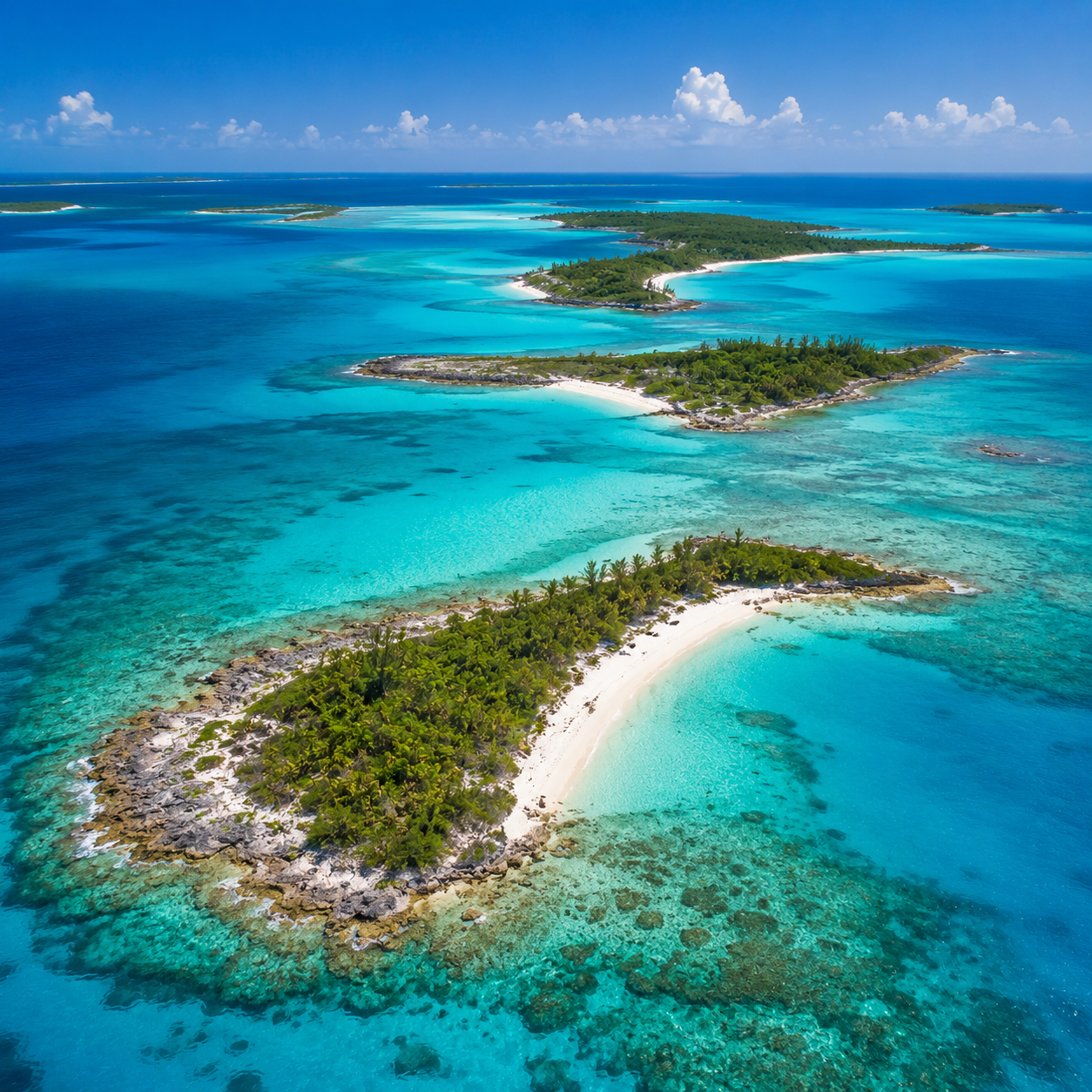
'The Commonwealth of the Bahamas is an archipelago of 700 islands and 2,400 cays scattered across the western Atlantic, a sovereign nation of extraordinary maritime identity whose shallow turquoise seas, coral limestone geology, and Atlantic positioning have shaped a natural resource heritage unlike any other Caribbean state. The Bahamas is defined by the intersection of coral and ocean, a nation whose identity is inseparable from the sea that surrounds it.
The Bahamian natural resource portfolio reflects the island chain's unique Atlantic ecology. Pinus caribaea variety bahamensis, the world-exclusive endemic pine subspecies found nowhere outside Bahamian territory, represents a botanical heritage of sovereign scientific significance. The Queen conch, harvested from the island's extensive seagrass beds under rigorous management, is the defining marine protein of Bahamian culinary identity and a significant Caribbean seafood export.
The coral limestone geology of the Bahamian platform, built up over millions of years of marine biological deposition, creates a land and sea resource base of unique chemical character. Alkaline coral soils, mineral-rich seagrass beds, and the shallow-water habitats of the Great Bahama Bank sustain plant and marine communities of documented ecological singularity, making the Bahamas one of the most biologically distinctive marine environments on earth.'
Bahamas on Iferous.com

Bahamian sea grapes, Coccoloba uvifera, and the archipelago's diverse coastal fruit heritage represent a natural pomiculture identity shaped by Atlantic island ecology, coral limestone soils, and the unique botanical community of the Bahamian littoral environment found along virtually every inhabited island shoreline.
The sea grape, Coccoloba uvifera, is the defining native fruit tree of the Bahamian coastal landscape, growing along the shorelines of virtually every inhabited island and producing clusters of small, tart-sweet grape-like fruits of cultural and ecological significance. Sea grape fruit, harvested from wild coastal stands across the Bahamian islands, is used in traditional Bahamian jelly and artisan wine production, with the fruit's notable tannin content and distinctive aromatic character giving it a flavour profile unlike any commercially cultivated fruit. The sea grape's deep root system and tolerance for salt wind and coral substrate make it an ecologically defining species of the Bahamian coastal ecosystem.
Bahamian tropical fruit cultivation, including papaya, soursop, guava, and sapodilla grown on the larger islands' agricultural plots, reflects the specific adaptation of tropical varieties to the alkaline mineral-rich coral limestone soils of the Bahamas. The sapodilla, known locally as dilly, grows with particular vigour in Bahamian coral soil, producing a fruit of exceptional caramel sweetness that is a defining flavour of traditional Bahamian domestic cuisine.
For procurement contacts in the specialty food, artisan preserves, botanical ingredient, and Caribbean fruit sectors seeking sea grape and Bahamian tropical fruit products with documented coral island origin, the ecological heritage of the Bahamian littoral botanical community, and provenance from the only Atlantic archipelago where coral soil and endemic coastal flora define the fruit character, Bahamian Pomicultures value chain offers fruit provenance of island-specific botanical distinction.
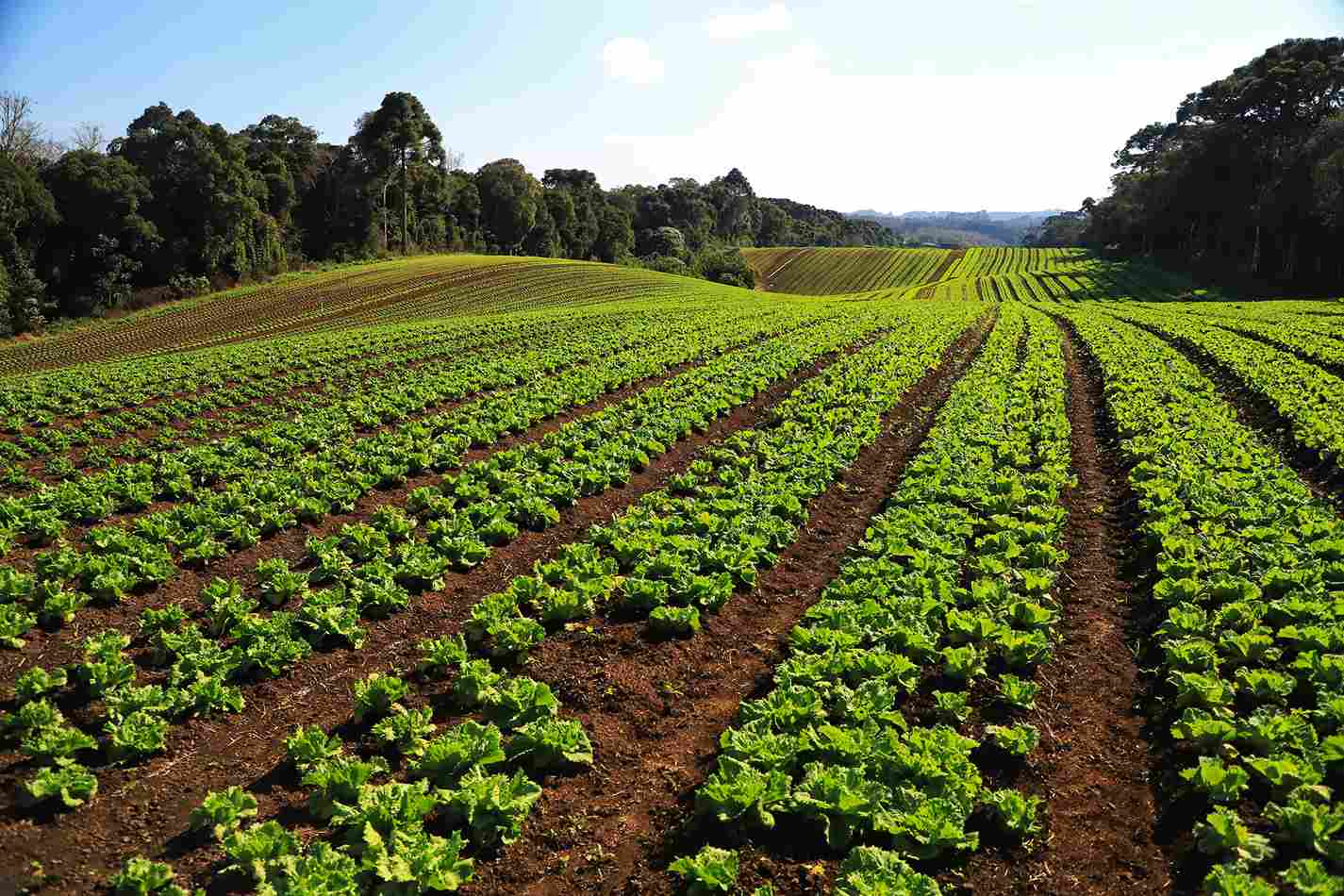
The Queen conch, Strombus gigas, harvested from the shallow Bahamian seagrass beds under one of the Caribbean's most rigorous marine resource management frameworks, is the defining protein of Bahamian culinary identity and the most institutionally managed conch fishery in the region.
The Queen conch, Strombus gigas, is a large marine gastropod native to the shallow warm-water habitats of the Caribbean and western Atlantic, growing in the extensive seagrass beds of the Bahamian Bank. The Bahamas supports one of the largest remaining Queen conch populations in the Caribbean, with the species harvested under strict size and season regulations administered by the Department of Marine Resources to ensure sustainable yield from wild populations. Conch meat, rich in protein and low in fat, is the central ingredient of Bahamian cracked conch, conch salad, and conch fritters, making it the defining food of Bahamian culinary identity.
The Bahamian conch management framework, combined with active research into Queen conch aquaculture at regional institutions, represents the Caribbean's most developed institutional approach to sustainable conch resource management. The conch shell itself, a beautiful natural calcium carbonate structure of significant craft and decorative export value, contributes an additional revenue stream to the Bahamian conch value chain that extends commercial utility beyond the food market.
For procurement contacts in the Caribbean seafood, specialty food service, and marine resource sectors seeking Queen conch with documented sustainable harvest certification, rigorous Bahamian marine resource management provenance, and the culinary heritage of the Caribbean's most institutionally documented conch producing nation, Bahamian olericulture's Vegetables value chain offers marine product provenance of sustainability documentation and Bahamian island identity.

IFEROUS+ - Aligning with the Bahamas' multi-dimensional sovereign resource identity across the world-exclusive endemic Bahamian pine, sea grape and coral island fruit heritage, and Queen conch under the Caribbean's most rigorous marine management framework, we are building integrated value chain partnerships that span the archipelago's most scientifically distinctive assets, connecting global procurement contacts with the provenance documentation and long-term supply relationships that irreplaceable Bahamian resources command.
Call our London Office on 020 3355 1985 or email plus@iferous.com to connect with our strategists and discuss opportunities.