
-
Resources
- Precious Metals
- Battery Metals
- Industrial Metals
- Nuclear Energy
-
.cultures
- Timbers / Silvicultures
- Cottons / Gossypicultures
- Rubbers / Heveacultures
- Grains / Granicultures
- Oils / Oleicultures
- Sugars / Saccharicultures
- Coffees / Coffeicultures
- Cacaos / Cacaocultures
- Teas / Theicultures
- Flowers / Floricultures
- Fruits / Pomicultures
- Vegetables / Olericultures
- Citruses / Citricultures
-
Regions
- .IFEROUS+
- About
Viet Nam
'The Rising Dragon, Where Central Highlands Bauxite, World-Dominant Robusta Coffee, and the Most Pungent Cinnamon on Earth Define a Nation of Extraordinary Resource Momentum'

'Viet Nam is one of Asia's most remarkable economic stories, a nation that has transformed from post-war agricultural economy to one of the world's most dynamic export manufacturing and commodity trading nations within a generation. From the rice paddies of the Mekong Delta to the coffee highlands of Dak Lak, from the tea gardens of Thai Nguyen to the cinnamon forests of Yen Bai, Vietnam's agricultural landscape produces commodities that shape global food, beverage, and spice supply chains at volume and quality.
Vietnam is the world's second largest coffee producer and by far the largest robusta coffee exporter, its Central Highlands supplying the majority of the world's instant coffee, commercial espresso blend robusta, and canned coffee ingredient base for the Asian beverage industry. Beneath those same highlands, the Dak Nong and Lam Dong bauxite deposits contain one of the world's largest aluminium ore reserves, whose scale dwarfs even Vietnam's already extraordinary coffee resource identity.
Vietnamese Saigon cinnamon, Cinnamomum loureiroi, grown in the forested hills of Yen Bai Province, contains the highest cinnamaldehyde content of any commercially available cinnamon, a chemical potency that makes it the preferred origin for the American cinnamon bun, cinnamon candy, and spiced beverage market, where intensity of cinnamon character is the primary quality parameter.'
Viet Nam on Iferous.com
Vietnam's Central Highlands bauxite deposits in Dak Nong, Lam Dong, Gia Lai, and Dak Lak provinces represent one of the world's largest bauxite reserves, with total resource estimates exceeding five billion tonnes of gibbsite-dominant laterite ore that make Vietnam the possessor of one of the most significant untapped aluminium raw material assets on the planet.
The Vinacomin-developed Tan Rai alumina refinery in Lam Dong Province and the Nhan Co alumina plant in Dak Nong Province represent Vietnam's initial steps in converting this extraordinary geological endowment into processed alumina for international aluminium smelters. The gibbsite mineralogy of Vietnamese Central Highlands bauxite, where the aluminium hydroxide mineral gibbsite predominates over the harder-to-refine boehmite and diaspore minerals of other bauxite origins, ensures efficient Bayer process refinery economics that make Vietnamese ore among the most technically attractive for alumina production.
For procurement contacts in alumina refining, aluminium smelting, and raw material supply chain sectors seeking engagement with one of the world's largest bauxite systems at an early stage of commercial development, Vietnam's Central Highlands Aluminiferous value chain offers geological scale and processing infrastructure investment of strategic long-term significance.
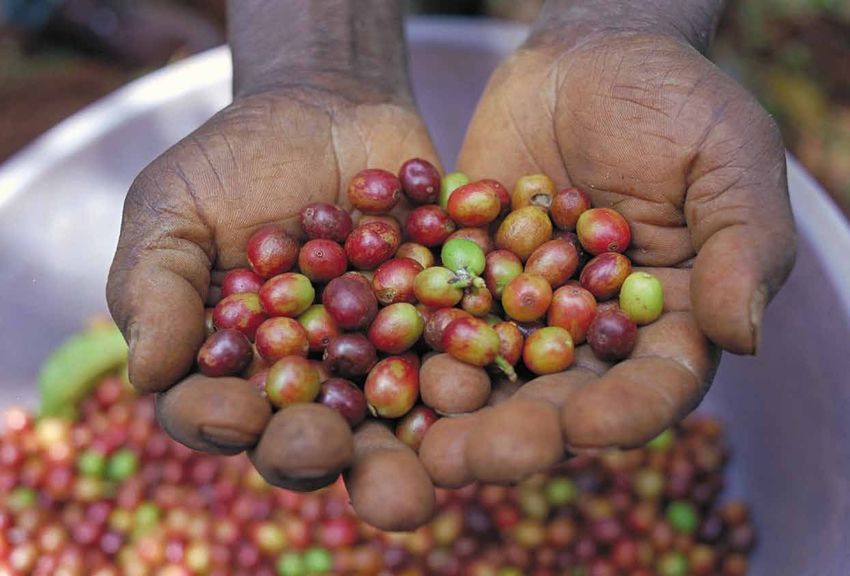
Vietnam is the world's second largest coffee producer and the undisputed global leader in Coffea canephora robusta exports, its Central Highlands supplying over ninety-five percent of the world's instant coffee manufacturers, commercial espresso blend roasters, and canned coffee producers with a robusta of consistently low defect count and high caffeine content that makes Buon Ma Thuot the most important single coffee origin address in the global commodity trade.
The coffee industry of Dak Lak Province, centred on the city of Buon Ma Thuot where the Central Highlands plateau provides the specific combination of altitude, red basaltic soil, and bi-modal rainfall that produces robusta of exceptional cherry density and low moisture, was developed from French colonial plantation beginnings into a smallholder-dominated system of over six hundred thousand hectares that transformed Vietnam from a net food importer to the world's dominant robusta exporting nation within thirty years of post-war agricultural reform. The Vietnamese robusta's specific chemical profile, with above-average caffeine content and a chlorogenic acid concentration that gives it superior crema-forming properties in espresso extraction, makes it a valued component in commercial espresso blends worldwide.
A growing arabica sector in the Da Lat highlands of Lam Dong Province and the northern Shan highlands adds a quality-focused counterpoint to the robusta volume story, with Da Lat arabica achieving recognition from specialty buyers for its mild, chocolatey character from volcanic plateau cultivation. For procurement contacts in commercial coffee manufacturing, instant coffee, and specialty sourcing seeking Vietnamese robusta with documented Dak Lak provenance or Da Lat arabica of emerging specialty recognition, Vietnam's Coffeicultures value chain offers the world's most commercially significant robusta origin at scale.
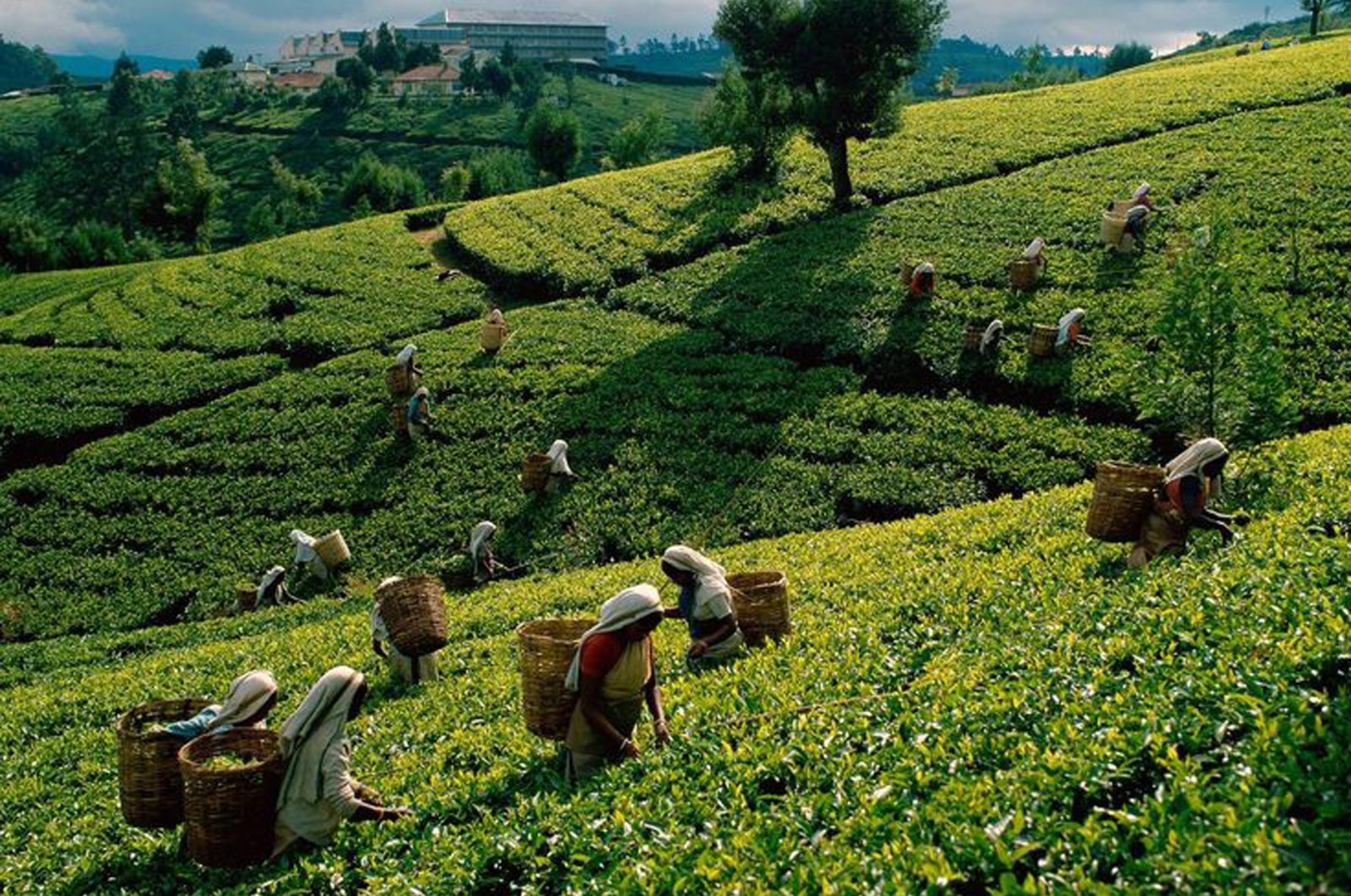
Thai Nguyen Province, specifically the Tan Cuong commune whose name has become synonymous with Vietnam's finest green tea, produces a hand-processed green tea of delicate vegetal sweetness, fresh highland aroma, and characteristic orchid-honey finish that Vietnamese tea culture regards as the nation's most distinguished single-origin, assessed by domestic connoisseurs as the equal of top-grade Chinese green teas in its category.
The Tan Cuong growing area, situated in the hills surrounding Thai Nguyen city at elevations of 100-400 metres on acidic red-yellow soils derived from granite and schist parent rock, benefits from the morning mist and moderate humidity of northern Vietnam's subtropical highland climate. Hand-picking the two youngest leaves and bud, followed by pan-firing and rolling processes adapted from Chinese green tea tradition, produces Tan Cuong tea of the fresh, clean character and subtle sweetness that has made it the gift tea of choice for Vietnamese diplomacy and official hospitality for generations.
Vietnam is among the world's top ten tea producing nations by annual output, with green tea for domestic consumption and export to Pakistani, Afghan, and Central Asian markets alongside black tea for blending supply chains representing a dual-market production system of considerable commercial scale. For procurement contacts in specialty tea, Asian green tea, and trade gift sectors seeking Vietnamese Tan Cuong green tea with documented Thai Nguyen provenance, Vietnam's Theicultures value chain offers highland green tea of national heritage and diplomatic distinction.
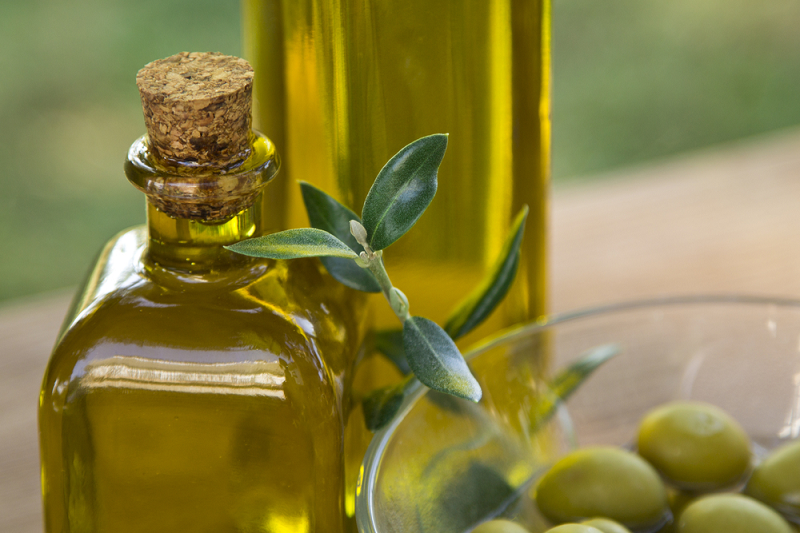
Vietnamese Saigon cinnamon, Cinnamomum loureiroi, grown in the forested hills of Yen Bai, Lang Son, and Quang Ngai provinces, contains the highest cinnamaldehyde content of any commercially available cinnamon, typically 80-90% of essential oil composition compared to 50-65% for Ceylon cinnamon, making it the world's most chemically potent cinnamon and the preferred origin for the American food industry where intense cinnamon character is the defining quality specification.
Cinnamomum loureiroi, known variously as Saigon cinnamon, Vietnamese cassia, and Cinnamomum cassia annamense, is a species distinct from both Sri Lankan true cinnamon and Chinese cassia in its exceptional cinnamaldehyde concentration, its stronger bite and more pronounced sweet-spice character making it the cinnamon of choice for the American cinnamon roll, snickerdoodle, and cinnamon candy market where cinnamon intensity rather than delicacy defines product character. Vietnam is the world's largest Saigon cinnamon exporter, supplying the United States market which consumes the majority of global Saigon cinnamon output through McCormick and other major spice brands.
The distilled essential oil of Vietnamese cinnamon bark, with its exceptionally high cinnamaldehyde content combined with traces of eugenol and beta-caryophyllene, finds application in pharmaceutical antibacterial formulations, natural preservative systems, and functional food ingredients where cinnamaldehyde's documented antimicrobial activity makes it of commercial interest. For procurement contacts in spice supply, food flavour, pharmaceutical ingredients, and natural preservative sectors seeking Vietnamese Saigon cinnamon with documented Yen Bai provenance and cinnamaldehyde content certification, Vietnam's Oleicultures value chain offers the world's most pungent cinnamon origin.

IFEROUS+ - Aligning with Vietnam's extraordinary sovereign resource identity across Central Highlands bauxite of world-top-five reserve scale, Buon Ma Thuot robusta as the world's dominant commercial coffee origin driving the global instant coffee and espresso blend industries, Tan Cuong green tea as Vietnam's most celebrated national heritage, and Yen Bai Saigon cinnamon as the world's most pungent and chemically potent cinnamon origin, we are building integrated value chain partnerships across Asia's most dynamic rising resource nation.
Call our London Office on 020 3355 1985 or email plus@iferous.com to connect with our strategists and discuss opportunities.