
-
Resources
- Precious Metals
- Battery Metals
- Industrial Metals
- Nuclear Energy
-
.cultures
- Timbers / Silvicultures
- Cottons / Gossypicultures
- Rubbers / Heveacultures
- Grains / Granicultures
- Oils / Oleicultures
- Sugars / Saccharicultures
- Coffees / Coffeicultures
- Cacaos / Cacaocultures
- Teas / Theicultures
- Flowers / Floricultures
- Fruits / Pomicultures
- Vegetables / Olericultures
- Citruses / Citricultures
-
Regions
- .IFEROUS+
- About
Suriname
'Where Amazonian Abundance and Atlantic Heritage Define a Sovereign Identity'
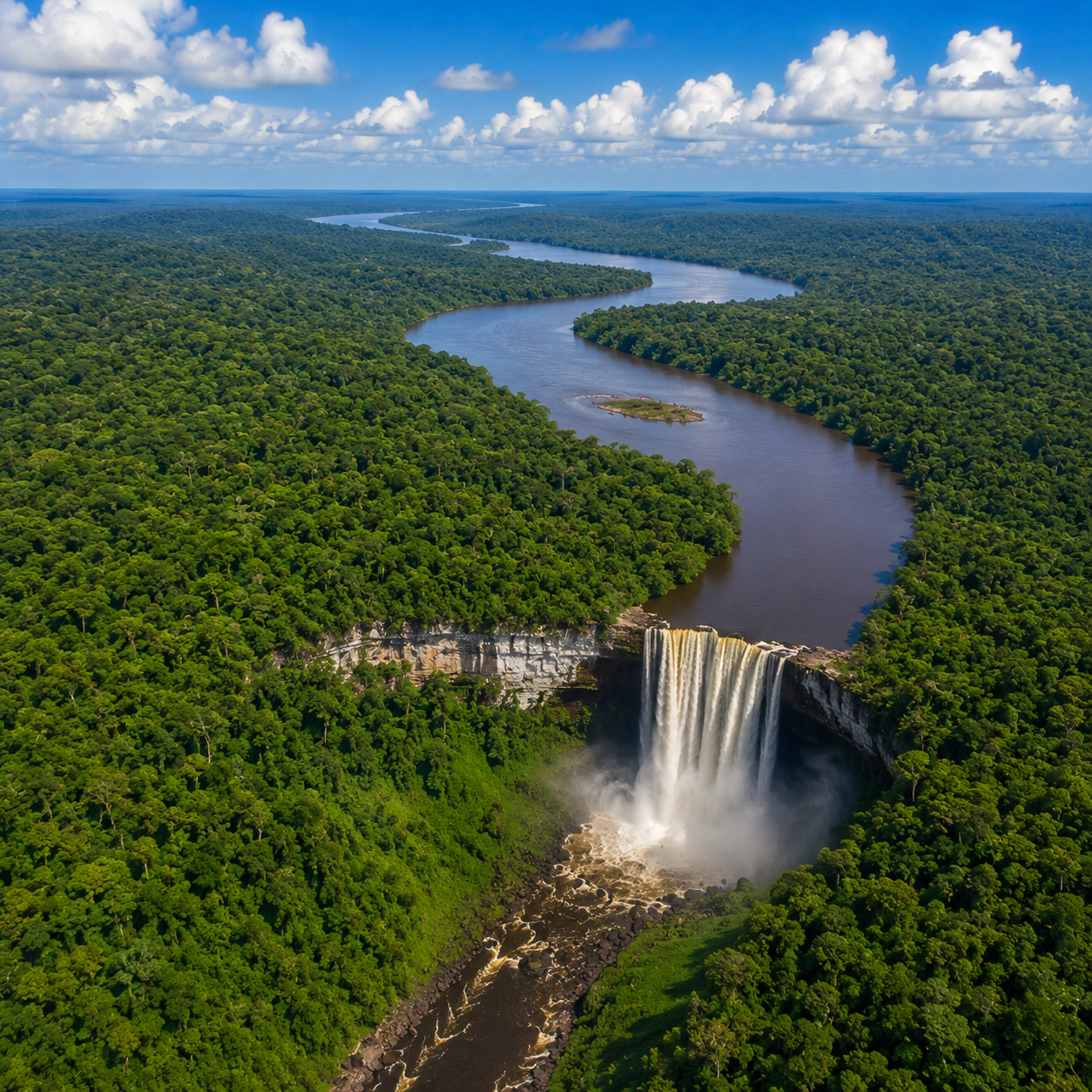
'Suriname is South America's smallest sovereign nation by population, a country of extraordinary ecological richness where vast tracts of Amazonian rainforest, Caribbean coastal lowlands, and a cultural diversity spanning Hindustani, Creole, Javanese, Maroon, and indigenous communities combine to create one of the most biologically and culturally complex nations on the continent. Over 90% of Suriname's territory is covered by tropical rainforest.
The natural resource endowment of Suriname spans mineral wealth of considerable commercial significance, including the Bakhuis and Bakhuys bauxite deposits of the interior that give Suriname its position among South America's most significant aluminium ore producing nations. The Guiana Shield geological formation that underlies Suriname's forest provides a mineral substrate of exceptional richness that sustains some of the most biologically diverse tropical forest on earth.
The timber heritage of Suriname's Amazonian interior, including commercially significant stands of Greenheart and Purpleheart among the world's densest tropical hardwoods, represents a forest resource of global engineering and ecological importance. The coastal agricultural landscape of the northern polders, reclaimed from the sea through Dutch colonial engineering, supports palm oil, tropical fruits, and rice cultivation of regional significance in the fertile river delta environment of the Atlantic coast.'
Suriname on Iferous.com
Suriname's Bakhuis bauxite deposit in the Guiana Highlands represents one of South America's most significant undeveloped aluminium ore assets, its exceptional gibbsite-dominant mineralogy positioned among the highest-grade bauxite resources available for future extraction in the Western Hemisphere.
The Bakhuis bauxite deposit in western Suriname's Sipaliwini District, extensively studied by Suralco and BHP Billiton in joint venture exploration programmes, contains gibbsite-dominant bauxite ore of the most reactive and highest-grade form, formed through prolonged tropical weathering of the ancient Guiana Shield geological basement under conditions of high rainfall and intense heat. Estimates of the Bakhuis deposit's contained bauxite resource place it among the largest undeveloped aluminium ore assets in the Caribbean-South American region.
Suriname's existing aluminium heritage, built on the Paranam refinery and the Afobaka hydroelectric dam whose lake was created specifically to power aluminium processing, represents a legacy of vertical integration from bauxite to metal that gave Suriname one of the most developed aluminium value chains in South America during the mid-twentieth century. The knowledge infrastructure and institutional experience of Suriname's aluminium industry provides the foundation for future resource development of the Bakhuis asset.
For procurement contacts and strategic partners engaging with future large-scale gibbsite bauxite development in the Caribbean-South American region, Suriname's Bakhuis resource offers geological quality, established hydroelectric power infrastructure, and sovereign resource ownership within a stable political and legal framework that supports long-term value chain development.

Suriname's Amazonian interior forests contain Greenheart and Purpleheart, among the world's densest and most durable natural timbers, extracted under certified sustainable forestry frameworks from one of the world's most intact tropical forest systems covering over 90% of national territory.
The interior forests of Suriname, part of the Guiana Shield biodiversity hotspot and among the most ecologically intact tropical forest systems remaining on earth, contain commercially significant stands of Greenheart (Chlorocardium rodiei) and Purpleheart (Peltogyne species), tropical hardwoods of exceptional density and natural resistance to marine borers and biological decay. Greenheart, with a specific gravity exceeding that of water, has been the timber of choice for marine construction, harbour pilings, and lock gates across Europe and North America for over a century, with the Guiana Shield forests of Suriname and Guyana representing the primary commercial source of this irreplaceable material.
Suriname's timber extraction operations in the interior are conducted under the oversight of the Surinamese Forest Service (LBB) within a concession framework that incorporates international certified sustainable forestry principles. The Guiana Shield geological formation underlying Suriname's forest provides a mineral substrate of exceptional richness that supports tropical hardwood growth of the density and natural durability that makes Surinamese Greenheart and Purpleheart irreplaceable in specialist marine engineering and premium joinery applications.
For procurement contacts in the marine engineering, harbour construction, specialist joinery, and conservation timber sectors seeking Amazonian hardwood with certified sustainable extraction credentials, the extreme density and marine durability documentation of Guiana Shield Greenheart and Purpleheart, and provenance from one of the world's most biologically intact and extensive remaining tropical forest systems, Surinamese silviculture's Timbers value chain offers hardwood of scientific, engineering, and ecological distinction.
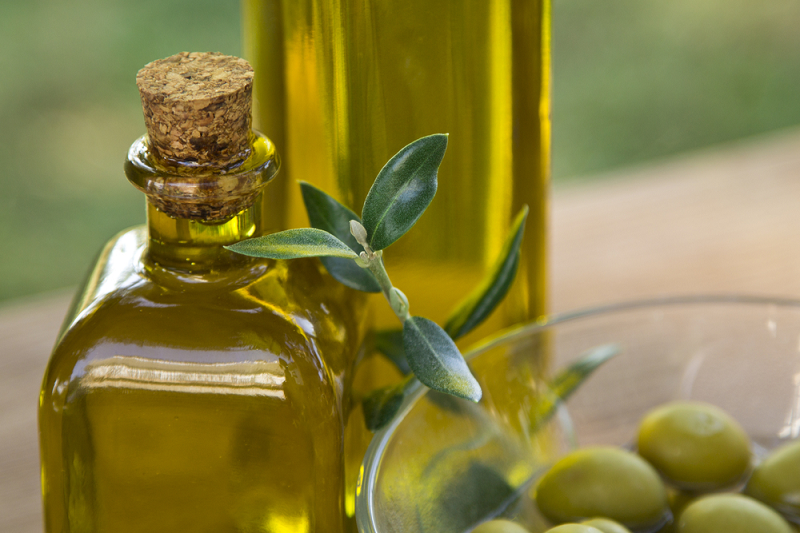
Suriname's coastal lowlands support commercial oil palm cultivation in one of South America's most environmentally regulated tropical oil production contexts, with Surinamese palm oil produced within a national framework that balances agricultural productivity with the ecological integrity of the adjacent Amazonian forest systems that cover over 90% of the nation's territory.
Oil palm cultivation in Suriname is concentrated on the fertile coastal lowlands and river delta soils of the northern coastal strip, where deep alluvial deposits of the major river systems provide high-nutrient growing conditions for Elaeis guineensis. Surinamese palm oil production operates within the oversight of national environmental regulations designed to limit plantation expansion into primary forest areas, distinguishing Surinamese production from less regulated palm oil landscapes in international sustainability comparisons.
The Surinamese tropical oil landscape encompasses not only palm oil but also coconut cultivation in coastal communities, producing coconut oil of traditional importance in Surinamese cuisine. The diverse cultural heritage of Suriname's population, including Javanese, Indian, African Creole, and indigenous Maroon communities, has sustained traditional knowledge of tropical plant oil extraction and culinary application that represents a botanical and culinary heritage of considerable ethnobotanical significance.
For procurement contacts in the palm oil, tropical edible oils, and sustainable ingredient sectors seeking tropical oil with documented South American provenance, production within a national regulatory framework designed to protect adjacent Amazonian forest integrity, and the ecological credibility of a source country whose 90% forest cover commitment represents a genuine sovereign conservation policy, Surinamese Oleicultures value chain offers oil provenance of regulatory distinction and South American ecological identity.

IFEROUS+ - Aligning with Suriname's multi-dimensional sovereign resource identity across Bakhuis gibbsite bauxite, Amazonian Greenheart and Purpleheart from the world's most intact forest system, and coastal palm oil within a nationally regulated ecological framework, we are building integrated value chain partnerships spanning this extraordinary nation's most scientifically distinctive assets, connecting global procurement contacts with the provenance documentation and long-term supply relationships that irreplaceable Surinamese resources command.
Call our London Office on 020 3355 1985 or email plus@iferous.com to connect with our strategists and discuss opportunities.