
-
Resources
- Precious Metals
- Battery Metals
- Industrial Metals
- Nuclear Energy
-
.cultures
- Timbers / Silvicultures
- Cottons / Gossypicultures
- Rubbers / Heveacultures
- Grains / Granicultures
- Oils / Oleicultures
- Sugars / Saccharicultures
- Coffees / Coffeicultures
- Cacaos / Cacaocultures
- Teas / Theicultures
- Flowers / Floricultures
- Fruits / Pomicultures
- Vegetables / Olericultures
- Citruses / Citricultures
-
Regions
- .IFEROUS+
- About
St. Vincent & The Grenadines
'Where Volcanic Soil and Island Diversity Forge a Sovereign Trading Identity'
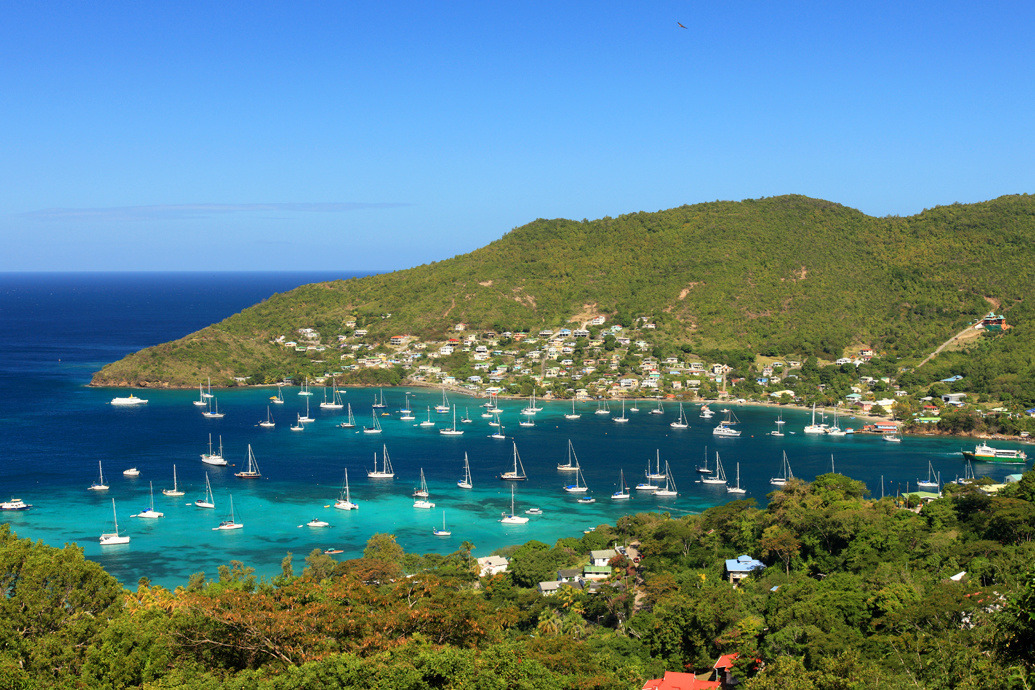
'St. Vincent and the Grenadines is an archipelago of striking natural beauty, a sovereign island nation where volcanic peaks descend to crystalline Caribbean waters and fertile soils yield a diversity of tropical produce that has sustained these islands for centuries.
The agricultural exports of St. Vincent and the Grenadines carry genuine scientific distinction. Arrowroot starch, produced nowhere else in the world at commercial scale, was historically prized for its unique molecular structure, used in document paper, fine biscuits, and pharmaceutical applications. The island's banana cultivation, cocoa groves, and spice production add further depth to an agricultural portfolio rooted in volcanic fertility.
The forested interior highlands of St. Vincent and the wooded hillsides of the Grenadines support a diverse ecosystem of tropical hardwoods, fruit trees, and medicinal plants, while the surrounding Caribbean Sea delivers lobster, conch, and finfish to export markets across the region. These islands offer a compact but richly varied natural resource identity.'
St. Vincent and the Grenadines on Iferous.com

The tropical hardwood forests of St. Vincent and the Grenadines represent one of the Eastern Caribbean's most biodiverse timber ecosystems, sustained by volcanic soil fertility unique to these islands.
The interior highlands of St. Vincent support dense tropical forest cover enriched by volcanic basalt soils, a geological inheritance that produces timber of exceptional density and grain quality. Species including Caribbean cedar, mahogany variants, and endemic hardwoods grow in conditions of rainfall and mineral richness found across very few island territories in the Lesser Antilles.
Sustainable forestry in St. Vincent operates within a framework of watershed protection and biodiversity conservation, recognising the forest's dual role as timber resource and ecological foundation for the island's water systems, agriculture, and coastal fisheries. This integrated management approach produces timber with a verifiable sustainability profile of growing value in export markets.
The Grenadines contribute a distinct botanical character to the archipelago's timber portfolio, with dry forest species and coastal hardwoods adding variety to the resource base. The combination of wet highland forest on St. Vincent and drier island forest across the Grenadines gives the territory a breadth of timber ecology unusual for a nation of its geographic scale.
For procurement contacts seeking tropical timber from a politically stable, English-speaking Caribbean source with documented sustainability credentials, St. Vincent and the Grenadines offers a value chain grounded in island-scale forest stewardship, volcanic soil quality, and a government framework committed to responsible natural resource management.

IFEROUS+ - Aligning with St. Vincent and the Grenadines' unique position as a biodiverse volcanic island timber source, we are exploring sustainable hardwood value chain partnerships focused on provenance documentation, responsibly harvested species identification, and the premium market positioning that island-origin Caribbean timber commands.
Call our London Office on 020 3355 1985 or email plus@iferous.com to connect with our strategists and discuss opportunities.