
-
Resources
- Precious Metals
- Battery Metals
- Industrial Metals
- Nuclear Energy
-
.cultures
- Timbers / Silvicultures
- Cottons / Gossypicultures
- Rubbers / Heveacultures
- Grains / Granicultures
- Oils / Oleicultures
- Sugars / Saccharicultures
- Coffees / Coffeicultures
- Cacaos / Cacaocultures
- Teas / Theicultures
- Flowers / Floricultures
- Fruits / Pomicultures
- Vegetables / Olericultures
- Citruses / Citricultures
-
Regions
- .IFEROUS+
- About
Philippines
'The Pearl of the Orient Seas, Where Zambales Chromite, the World's Sweetest Mango, the Only Nation Growing All Four Coffee Species, and the Sugar Bowl of Asia Define a Uniquely Endowed Pacific Archipelago'

'The Philippines is Southeast Asia's most biologically diverse archipelago, a nation of over seven thousand islands whose position at the intersection of the Pacific Ocean, the South China Sea, and the Celebes Sea creates an ecological complexity that has produced extraordinary endemism in flora, fauna, and agricultural heritage. The Pearl of the Orient Seas has given the world the Carabao mango — certified by Guinness as the world's sweetest — and is the only nation on earth where all four commercially cultivated coffee species grow simultaneously.
The Zambales chromite deposits of Luzon, historically the largest chromite-producing district in Asia, gave the Philippines its first significant mineral export identity in the twentieth century, supplying chrome ore to the stainless steel and refractory industries of Japan and the United States. Today, the Philippines' growing nickel laterite industry on Mindanao and Palawan is positioned to add a further critical mineral dimension to a sovereign resource portfolio already distinguished by agricultural uniqueness.
Negros Occidental, the island province whose sugar cane plains earned it the title of the Sugar Bowl of Asia, produced the cane sugar that sustained the Philippine economy for generations and whose processing infrastructure at Victorias Milling remains among the largest integrated sugar milling operations in Southeast Asia.'
Philippines on Iferous.com
The Zambales chromite deposits of western Luzon, associated with the Zambales Ophiolite Complex, were historically the largest chromite-producing district in Asia, supplying high-chromium chrome ore for refractory, metallurgical, and chemical applications to Japanese and American industries for several decades and establishing the Philippines as Asia's primary chromite origin of the twentieth century.
The Zambales Ophiolite, a fragment of ancient oceanic crust obducted onto the Asian continental margin, contains podiform chromite deposits in its dunite and harzburgite mantle sections whose high Cr2O3 content and low iron oxide ratios produce refractory-grade ore of the composition required for magnesia-chrome brick manufacture in high-temperature industrial furnaces. The Philippines' chromite was particularly valued for its chemical grade applications in chromium chemicals production and metallurgical grade use in ferrochrome for stainless steel manufacture.
For procurement contacts in refractory materials, ferrochrome production, and chromium chemical sectors seeking historical chromite origin documentation and engagement with Philippine mineral development frameworks, the Zambales Chromiferous value chain offers Asia's most historically significant ophiolite-hosted chromite provenance and the mineral foundations of one of Southeast Asia's most biologically distinctive nations.
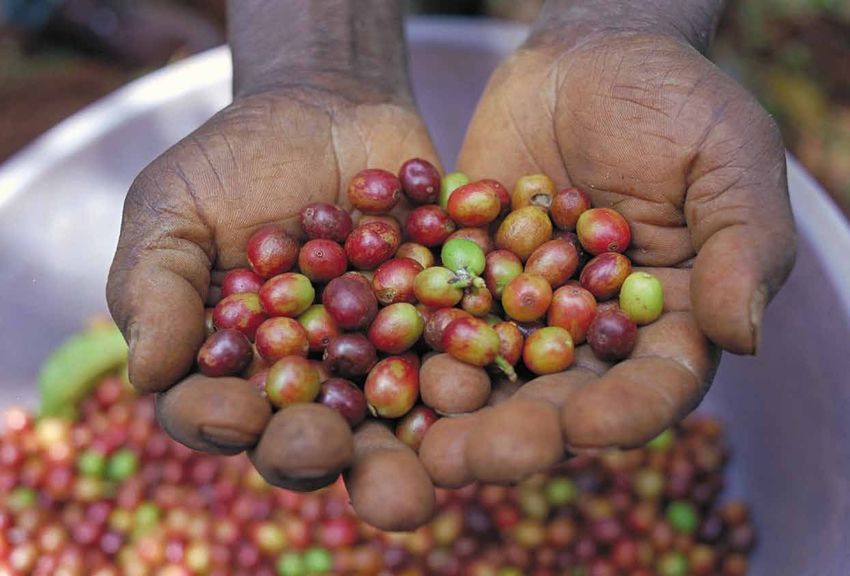
The Philippines is the only nation on earth where all four commercially cultivated coffee species grow simultaneously: arabica in the Cordillera highlands of Benguet and Sagada, robusta across southern Luzon and Mindanao, Liberica (Barako) in the Batangas and Cavite provinces of Luzon as the last significant Liberica-consuming culture in the world, and Excelsa in Mindanao, giving Filipino coffee culture a biodiversity of cup character available nowhere else.
Kapeng Barako, Coffea liberica var. barako grown on the volcanic hills of Lipa and Batangas, is the most culturally significant component of this four-species heritage, a coffee so deeply embedded in Filipino food identity that it survived the global arabica-dominated specialty coffee movement as a living cultural counterpoint. Barako's large bean, intensely strong flavour, and distinctive anise-like aromatic character makes it a genuinely different sensory experience from any arabica, robusta, or commercial blend available in other markets, and its near-extinction outside the Philippines gives it a rarity value that specialty food importers increasingly recognise.
Benguet arabica from the Cordillera highlands, grown by indigenous Ibaloi and Kankanaey farmers at altitudes of 1,200-1,500 metres on the granitic soils of Baguio's mountain hinterland, produces a bright, mild arabica of stone fruit and chocolate character that domestic specialty roasters position as the Philippines' contribution to the East Asian specialty coffee market. For procurement contacts in specialty coffee, rare coffee origin, and cultural food heritage sectors seeking the world's only four-species coffee origin with Barako Liberica heritage of agricultural uniqueness, Philippine Coffeicultures' Coffees value chain offers cup diversity without parallel.
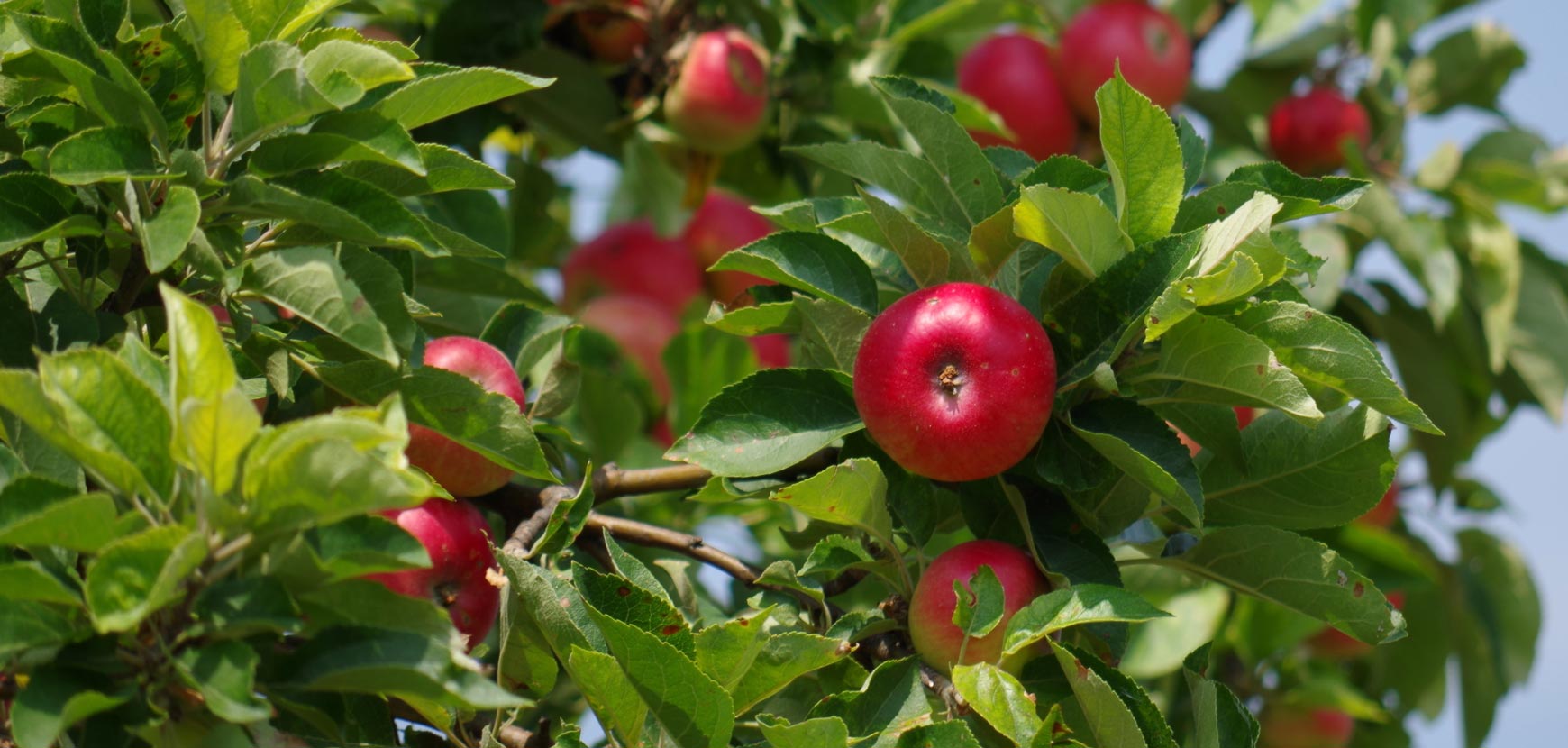
The Carabao mango of Guimaras Island and the Iloilo and Quezon province growing zones, certified by Guinness World Records as the world's sweetest mango variety, achieves sugar content exceeding twenty-five percent brix in peak-ripeness specimens, its fibreless deep-yellow flesh and honeyed tropical fragrance representing the pinnacle of the Mangifera indica species's flavour development under the specific Philippine volcanic island growing conditions.
The Carabao variety, named for the Philippine water buffalo whose plodding dependability it was whimsically said to embody in contrast to its actual explosive tropical sweetness, was developed through centuries of selection in the Philippine lowland agricultural tradition into a mango of such concentrated sugar and aromatic depth that it set the Guinness World Record for the sweetest mango in 1995. Guimaras Island, the small island province between Iloilo and Bacolod in the Visayas, is internationally designated the Carabao Mango Capital of the Philippines, its specific combination of sandy volcanic loam soils, consistent rainfall, and salt-air moderation from the narrow Guimaras Strait producing mangoes of the most reliably exceptional sweetness and colour.
Philippine mango exports, primarily Carabao and the related Pico and Pahutan varieties, supply Asian and Middle Eastern luxury fruit markets through established cold chain logistics from Davao and Manila international airports. For procurement contacts in Asian premium fruit, luxury food retail, and tropical produce sectors seeking Carabao mango with documented Guimaras or Quezon province origin and the Guinness-validated sweetness credentials that define the world's most acclaimed mango variety, Philippine Pomicultures' Fruits value chain offers the world's sweetest mango origin.
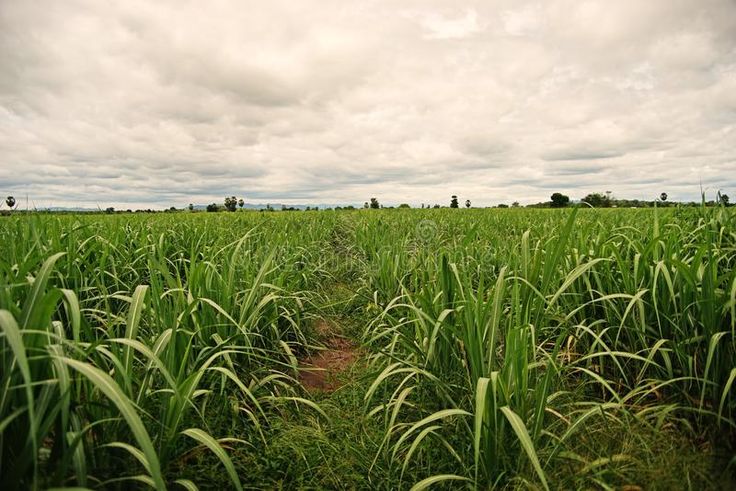
Negros Occidental, the western half of the island of Negros in the Philippine Visayas, has been called the Sugar Bowl of Asia for its extraordinary concentration of sugar cane cultivation and processing infrastructure, with the Victorias Milling Company and the cluster of sugar centrals around Bacolod City historically making this single island province one of the world's most productive sugar cane growing zones per unit area.
Negros Occidental's sugar industry, built from the Spanish colonial period through American-era expansion of the centrifugal milling system, produced the majority of Philippine sugar export volumes that sustained the national economy through the twentieth century. The flat alluvial plains of the Negros lowlands, enriched by volcanic soils from the Negros Occidental mountain range and irrigated by the rivers draining these highlands, support cane cultivation of exceptionally high sucrose content and yield per hectare. The Victorias Milling Company, one of Asia's largest integrated sugar milling and refining operations, processes cane from tens of thousands of Negros Occidental haciendas into raw sugar, refined sugar, molasses, and alcohol products exported across Southeast Asian and Asian markets.
Philippine muscovado sugar, unrefined whole cane sugar retaining the full molasses content and mineral richness of the cane juice, is produced in Negros Occidental by traditional small-scale processing operations whose muscovado carries documented micronutrient content, deep caramel flavour, and moist texture distinguishing it from refined white sugar or the partial molasses retention of Demerara. For procurement contacts in food manufacturing, premium food retail, and certified sugar sourcing seeking Philippine sugar with documented Negros Occidental provenance and the heritage identity of the Sugar Bowl of Asia, Philippine Saccharicultures' Sugars value chain offers cane sugar of island agricultural heritage.

IFEROUS+ - Aligning with the Philippines' sovereign resource identity across Zambales chromite as Asia's historically largest ophiolite chromite origin, the world's only nation growing all four commercial coffee species including the near-extinct Liberica Barako of irreplaceable cultural heritage, the Guinness-certified world's sweetest Carabao mango from Guimaras Island, and Negros Occidental sugar from the Sugar Bowl of Asia, we are building integrated value chain partnerships across the Pearl of the Orient Seas' most agriculturally unique and mineralogically distinctive assets.
Call our London Office on 020 3355 1985 or email plus@iferous.com to connect with our strategists and discuss opportunities.