
-
Resources
- Precious Metals
- Battery Metals
- Industrial Metals
- Nuclear Energy
-
.cultures
- Timbers / Silvicultures
- Cottons / Gossypicultures
- Rubbers / Heveacultures
- Grains / Granicultures
- Oils / Oleicultures
- Sugars / Saccharicultures
- Coffees / Coffeicultures
- Cacaos / Cacaocultures
- Teas / Theicultures
- Flowers / Floricultures
- Fruits / Pomicultures
- Vegetables / Olericultures
- Citruses / Citricultures
-
Regions
- .IFEROUS+
- About
Belize
'Where Maya Forest Wisdom Meets Caribbean Coastal Abundance'
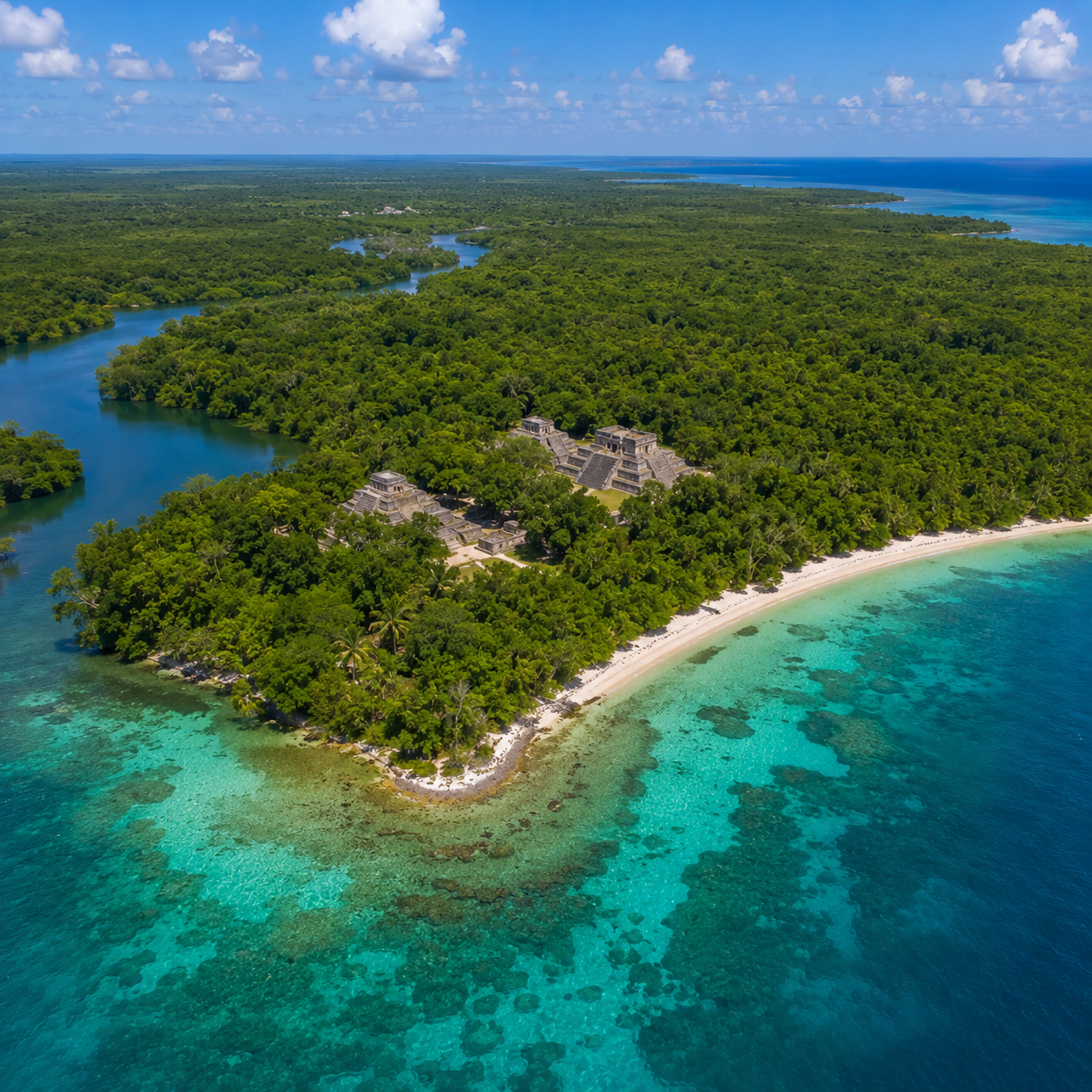
'Belize is a Central American nation of extraordinary ecological and cultural complexity, a country where the ancient Maya civilisation left a landscape legacy of rainforest management, cacao cultivation, and agricultural knowledge whose modern inheritors continue to produce food and timber products of genuine global distinction. The world's second largest barrier reef lies off the Belizean coast, an ecological heritage that UNESCO recognised as irreplaceable.
The agricultural exports of Belize are rooted in the ecological diversity of its three primary landscapes. The Maya Mountain interior supports shade-grown cacao cultivation by indigenous communities in the Toledo District. The Stann Creek Valley produces citrus on alluvial soils enriched by mountain river systems. The northern plains of Corozal and Orange Walk support commercial sugar cane cultivation under Fairtrade certification frameworks.
The timber heritage of Belize is inseparable from its history. The mahogany trade that drew British settlers to the Bay of Honduras in the seventeenth century established the commercial identity of the territory that became British Honduras and then Belize. Today, FSC-certified sustainable timber extraction from Belize's Maya Forest represents a commitment to managing this woodland heritage within an international certification framework that commands premium pricing in responsible procurement markets.'
Belize on Iferous.com

Belizean mahogany, Swietenia macrophylla, extracted from the Maya Forest under FSC certification and managed within a sustainable forestry framework that balances commercial timber yield with the ecological integrity of one of Central America's most significant remaining tropical forest systems.
Mahogany was the founding commercial resource of Belize, attracting British timber cutters to the Bay of Honduras in the seventeenth century and shaping the settlement patterns and economic identity of the territory that became British Honduras. The mahogany of the Belizean Maya Forest, Swietenia macrophylla, the broad-leaved mahogany of Central America, produces timber of the rich reddish-brown colour, fine grain, and workability that made it the premier luxury timber of European furniture and cabinet making for three centuries.
Today, Belizean mahogany extraction from the Maya Forest is conducted under FSC certification administered through the Forest Department of Belize, with concession agreements requiring environmental impact assessment, minimum diameter limits, and silvicultural treatment of logged areas. This certification framework, combined with the Maya Forest Alliance's community forestry model that incorporates indigenous Q'eqchi' and Mopan community participation in forest management, gives Belizean certified mahogany the most comprehensively documented responsible sourcing credentials available in the Central American timber market.
For procurement contacts in the luxury furniture, high-end joinery, and responsibly sourced timber sectors seeking mahogany with FSC certification, community forestry model documentation, and the heritage provenance of the species that defined British Caribbean timber trade for three centuries, Belizean Ligniferous value chain offers mahogany of historical depth, certification integrity, and forest governance distinction.
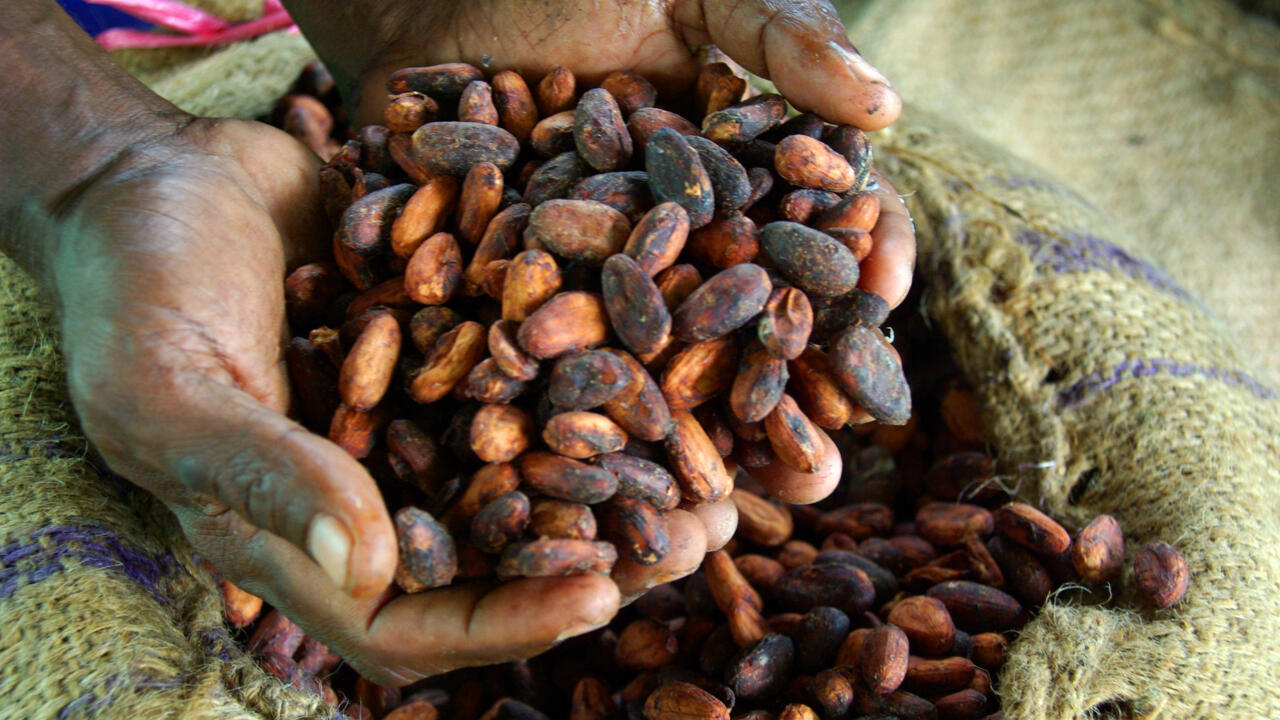
Belizean Maya Forest cacao, cultivated by Maya Q'eqchi' and Mopan communities in the shade-grown forest gardens of the Toledo District, represents the world's most culturally authenticated cacao origin, its traditional fermentation practices and forest garden cultivation connecting the modern specialty chocolate market directly to the ancient Mesoamerican civilisation that first cultivated Theobroma cacao.
The Toledo District of southern Belize, inhabited by indigenous Maya Q'eqchi' and Mopan communities, is one of the world's most historically significant cacao growing territories. The Maya civilisation cultivated and consumed cacao for thousands of years before European contact, with archaeological evidence from Belizean Maya sites documenting cacao use extending back over 2,500 years. The Toledo cacao produced by current Maya farming communities represents a direct cultural and botanical continuity with this ancient agricultural heritage, grown under shade canopy in forest garden systems whose ecological design mirrors the agroforestry principles that sustained Maya civilisation for millennia.
Toledo cacao carries ICCO fine flavour designation and has been recognised by the international specialty chocolate industry through the Toledo Cacao Growers Association and partnerships with craft chocolate makers who value the combination of genetic heritage, traditional fermentation knowledge, and forest garden growing conditions that produce Belizean Maya cacao's characteristic fruity, floral, and earthy aromatic complexity. The Maya Mountains alluvial soils, high humidity, and shade forest canopy of Toledo produce beans of documented fine flavour character assessed by international chocolate evaluation bodies.
For procurement contacts in the premium chocolate manufacturing, ethical sourcing, and indigenous food heritage sectors seeking cacao with the world's most historically authenticated indigenous cultivation heritage, ICCO fine flavour designation, and direct trade with Maya farming communities whose traditional knowledge is inseparable from the product's identity, Belizean Toledo Cacaocultures value chain offers cacao of historical depth, cultural authenticity, and fine flavour distinction unique in the global cocoa supply chain.
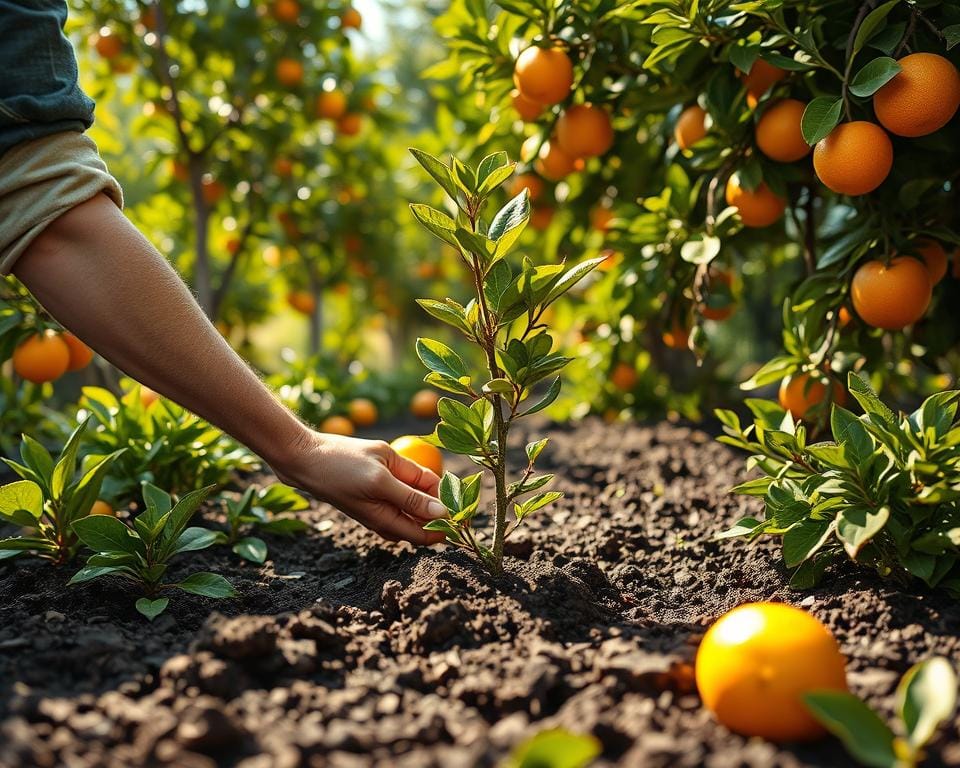
The Stann Creek Valley of central-southern Belize is one of the Caribbean basin's most significant commercial citrus producing regions, its grapefruit and orange groves supplying international juice processors with citrus of documented quality from alluvial valley soils enriched by the drainage of the Maya Mountains.
The Stann Creek Valley, following the Sittee River system through central Belize to the Caribbean coast, supports commercial orange and grapefruit cultivation on alluvial soils of high fertility derived from Maya Mountain geological systems. Belize is a significant regional citrus producer, with grapefruit and orange concentrate exports supplying international processors including major operations at Dangriga, making the Stann Creek Valley a documented commercial citrus origin of Caribbean regional importance with established processing infrastructure.
Belizean citrus cultivation benefits from the valley's combination of well-drained alluvial soils, consistent tropical rainfall from the Maya Mountain catchment, and the maritime moderation of the Caribbean coast. Belizean grapefruit, grown in the Stann Creek Valley's specific conditions of mountain-fed alluvial fertility, produces fruit of documented flavour balance and juice content that has supported Belize's position as a commercial citrus exporter in regional markets for several decades.
For procurement contacts in the citrus processing, juice manufacturing, and commercial produce sectors seeking grapefruit and orange from a documented Caribbean basin origin with alluvial valley soil provenance, established commercial processing infrastructure, and the biodiversity-adjacent growing environment of a valley system flowing from one of Central America's most ecologically significant mountain ranges, Belizean Stann Creek Citricultures value chain offers citrus provenance of commercial documentation and geographic distinction.

IFEROUS+ - Aligning with Belize's multi-dimensional sovereign resource identity across FSC-certified Maya Forest mahogany, Toledo Maya fine flavour cacao of the world's most historically authenticated indigenous cacao origin, and Stann Creek Valley citrus, we are building integrated value chain partnerships spanning Belize's most scientifically distinctive assets, connecting global procurement contacts with the provenance documentation and long-term supply relationships that irreplaceable Belizean resources command.
Call our London Office on 020 3355 1985 or email plus@iferous.com to connect with our strategists and discuss opportunities.