
-
Resources
- Precious Metals
- Battery Metals
- Industrial Metals
- Nuclear Energy
-
.cultures
- Timbers / Silvicultures
- Cottons / Gossypicultures
- Rubbers / Heveacultures
- Grains / Granicultures
- Oils / Oleicultures
- Sugars / Saccharicultures
- Coffees / Coffeicultures
- Cacaos / Cacaocultures
- Teas / Theicultures
- Flowers / Floricultures
- Fruits / Pomicultures
- Vegetables / Olericultures
- Citruses / Citricultures
-
Regions
- .IFEROUS+
- About
Dominica
'The Nature Isle, Where Untouched Forest Abundance Defines a Sovereign Identity'
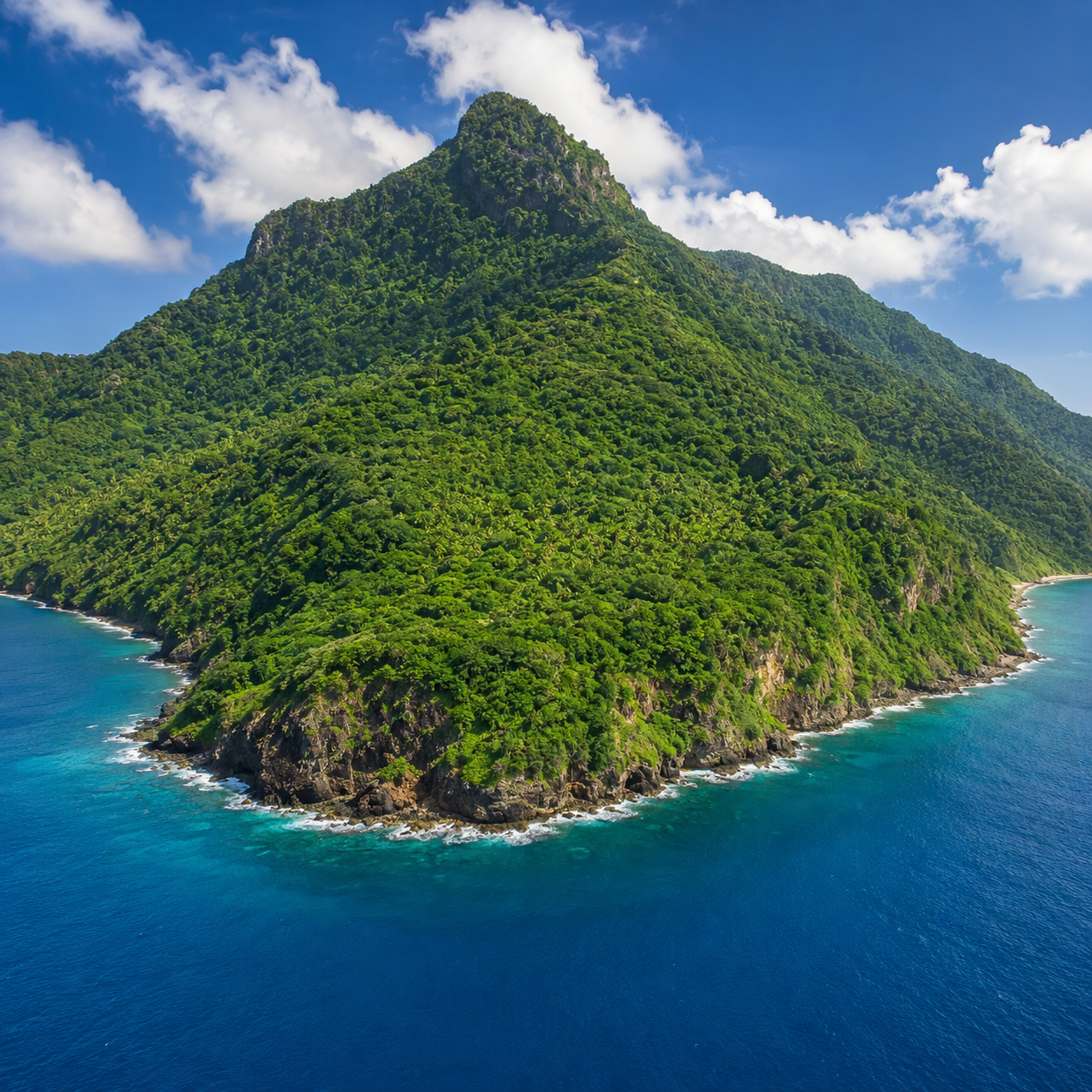
'Dominica is the most volcanically active and ecologically intact island in the Eastern Caribbean, a natural fortress of tropical rainforest covering over 60% of its land area and containing biodiversity of extraordinary scientific significance. Known globally as the Nature Isle of the Caribbean, Dominica's geothermal landscape, boiling lakes, fumaroles, and pristine rivers support plant and animal communities found nowhere else on earth.
The agricultural identity of Dominica is shaped by its volcanic ecology. Bay oil from Pimenta racemosa, cultivated across the volcanic hillsides, has been distilled and exported for over a century. Mountain-grown organic arabica coffee, shade-cultivated under the native forest canopy on volcanic soils of exceptional mineral richness, is gaining increasing recognition among international specialty coffee buyers seeking authentically ecological origins.
The Kalinago people of Dominica maintain the only surviving indigenous Caribbean community, and their intimate relationship with the island's forest resources, particularly the gommier tree used for traditional canoe construction, represents a living botanical and cultural heritage unique in the entire Caribbean basin. Dominica's development model, centred on geothermal energy and ecological tourism, reflects a sovereign nation whose natural wealth is its most defining and enduring asset.'
Dominica on Iferous.com

The gommier tree, Dacryodes excelsa, growing to forest giant dimensions in Dominica's interior volcanic highlands, is both the primary native hardwood of the Eastern Caribbean's most intact forest system and the living material of the Kalinago people's traditional canoe-making heritage, a craft connection between Dominican timber and Caribbean maritime culture spanning thousands of years.
The gommier reaches its finest dimensions in Dominica's high-rainfall volcanic interior, where the extraordinary mineral richness of volcanic soils fed by the island's active geothermal system and annual rainfall among the highest in the Eastern Caribbean produces trees of a scale rarely seen elsewhere in the Lesser Antilles. The Kalinago Community Territory in the northeastern coast of Dominica maintains the living tradition of felling and hollowing gommier trees to produce the dugout canoes that have been the maritime vessel of Caribbean indigenous peoples since pre-Columbian times.
The Dominica Forestry Division's sustained yield framework for the management of gommier and other native hardwood species within Dominica's forest reserves provides scientific documentation of the island's timber resource that supports certification for specialty timber markets. The volcanic mineral richness of Dominican soils produces timber of specific density and natural durability characteristics documented by decades of forestry research.
For procurement contacts in the sustainable tropical timber, heritage hardwood, and conservation forest product sectors seeking gommier with the most ecologically intact Eastern Caribbean forest provenance, living indigenous harvesting tradition of cultural heritage significance, and sustainable yield management documentation from the Nature Isle's forestry authority, Dominican silviculture's Timbers value chain offers hardwood provenance of ecological, cultural, and scientific distinction unique in the global tropical timber market.
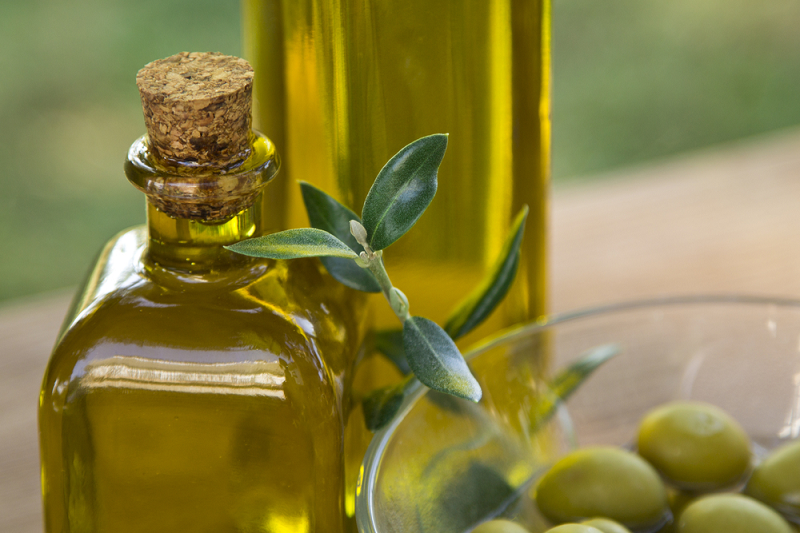
Dominican bay oil, steam-distilled from the leaves of Pimenta racemosa, a tree indigenous to the Eastern Caribbean and cultivated across Dominica's volcanic hillsides, is the world's primary commercial source of this essential oil, used in hair care, fragrance, and pharmaceutical applications for its documented eugenol and myrcene-dominant chemical profile.
Bay oil from Pimenta racemosa, known as West Indian bay, is a distinctly Caribbean essential oil whose primary commercial source is Dominica, where the tree grows naturally across the volcanic hillside landscape and has been cultivated and distilled for export for over a century. The essential oil, obtained by steam distillation of the leaves, carries a eugenol-dominant composition with significant myrcene and chavicol fractions, giving it a spicy, clove-like warmth with characteristic herbal notes that distinguish it from all other bay oils. Dominica's volcanic soil and high-rainfall growing conditions produce a leaf oil of consistent chemistry documented by export quality standards.
Bay rum, the traditional Caribbean hair tonic and cologne produced by combining West Indian bay oil with rum and water, has carried Dominican bay oil as its primary botanical ingredient since the nineteenth century, establishing a commercial heritage in the hair care and personal grooming sectors that continues in both traditional formulations and modern cosmetic applications. The documented antimicrobial and circulatory stimulant properties of eugenol in bay oil additionally support its use in therapeutic massage oils and topical pharmaceutical preparations.
For procurement contacts in the hair care, fragrance, cosmetic formulation, and pharmaceutical sectors seeking West Indian bay oil with documented Pimenta racemosa botanical origin, the eugenol-dominant chemical profile of volcanic island cultivation, and supply chain provenance from the world's primary commercial source of this distinctively Caribbean essential oil, Dominican Oleicultures value chain offers essential oil provenance of botanical, cultural, and chemical distinction unique in the global essential oil trade.

IFEROUS+ - Aligning with Dominica's multi-dimensional sovereign resource identity across the most intact Eastern Caribbean rainforest, Kalinago gommier timber heritage, and Dominican bay oil from the world's primary Pimenta racemosa producing territory, we are building integrated value chain partnerships that span the Nature Isle's most scientifically distinctive assets, connecting global procurement contacts with the provenance documentation and long-term supply relationships that irreplaceable Dominican resources command.
Call our London Office on 020 3355 1985 or email plus@iferous.com to connect with our strategists and discuss opportunities.