
-
Resources
- Precious Metals
- Battery Metals
- Industrial Metals
- Nuclear Energy
-
.cultures
- Timbers / Silvicultures
- Cottons / Gossypicultures
- Rubbers / Heveacultures
- Grains / Granicultures
- Oils / Oleicultures
- Sugars / Saccharicultures
- Coffees / Coffeicultures
- Cacaos / Cacaocultures
- Teas / Theicultures
- Flowers / Floricultures
- Fruits / Pomicultures
- Vegetables / Olericultures
- Citruses / Citricultures
-
Regions
- .IFEROUS+
- About
Belgium
'The Cobalt Capital of Europe, Where Industrial Heritage Meets Strategic Vision'
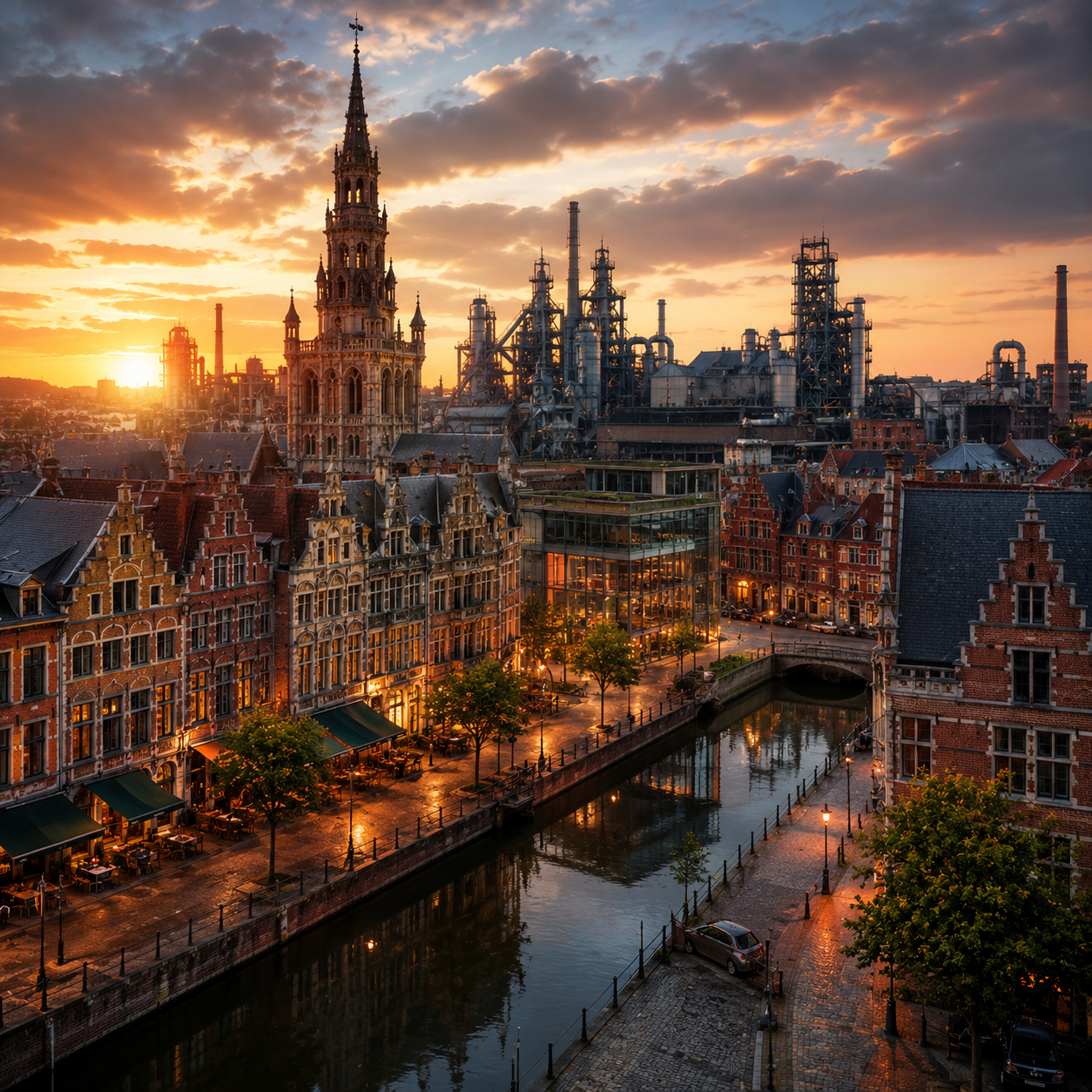
'Belgium occupies a position of disproportionate strategic importance in global trade, a small nation at the heart of European commerce whose ports, logistics infrastructure, and industrial heritage make it one of the continent's most significant trading hubs. The Port of Antwerp is among the world's busiest, handling commodity flows that touch every major supply chain on the planet.
Belgian agriculture produces some of Europe's most celebrated food exports, from the artisan chocolates of Brussels and Bruges, formulated with precision from the world's finest cacao, to the Trappist ales brewed under strict monastic codes that give each variety a geographic and process identity of genuine distinction. Belgian endive, cultivated in darkened cellars by a technique unique to the Brabant region, carries a protected geographic indication.
Belgium's industrial identity is inseparable from cobalt. For over a century, through its relationship with the mineral wealth of the Congo, Belgium positioned itself as the world's primary processing and trading centre for this critical metal. The expertise accumulated in Belgian refineries, trading houses, and metallurgical institutions created an industrial knowledge base for cobalt that no other European nation has replicated.'
Belgium on Iferous.com
Belgium stands as the world's pre-eminent cobalt processing and trading nation, a position built on a century of metallurgical expertise and supply chain infrastructure that remains unmatched in Europe.
The mineral wealth of the Democratic Republic of Congo, formerly the Belgian Congo, positioned Belgium as the dominant processor and trader of cobalt from the early twentieth century. The Union Miniere du Haut Katanga, a Belgian enterprise, became the world's largest cobalt producer and established the processing, trading, and logistics frameworks that continue to define the global cobalt supply chain.
Umicore, headquartered in Brussels, is among the world's most sophisticated cobalt processing and recycling companies, operating at the intersection of primary cobalt refining and battery material manufacturing. Belgium's cobalt processing capabilities are matched by its regulatory and traceability frameworks, operating within the most rigorous due diligence and chain of custody standards in the world.
For procurement contacts in the battery, aerospace, superalloy, and electronics sectors requiring cobalt with European-standard refining provenance and the institutional depth of a century of metallurgical expertise, Belgium's cobalt value chain represents the most credentialed and strategically positioned source in the European market.
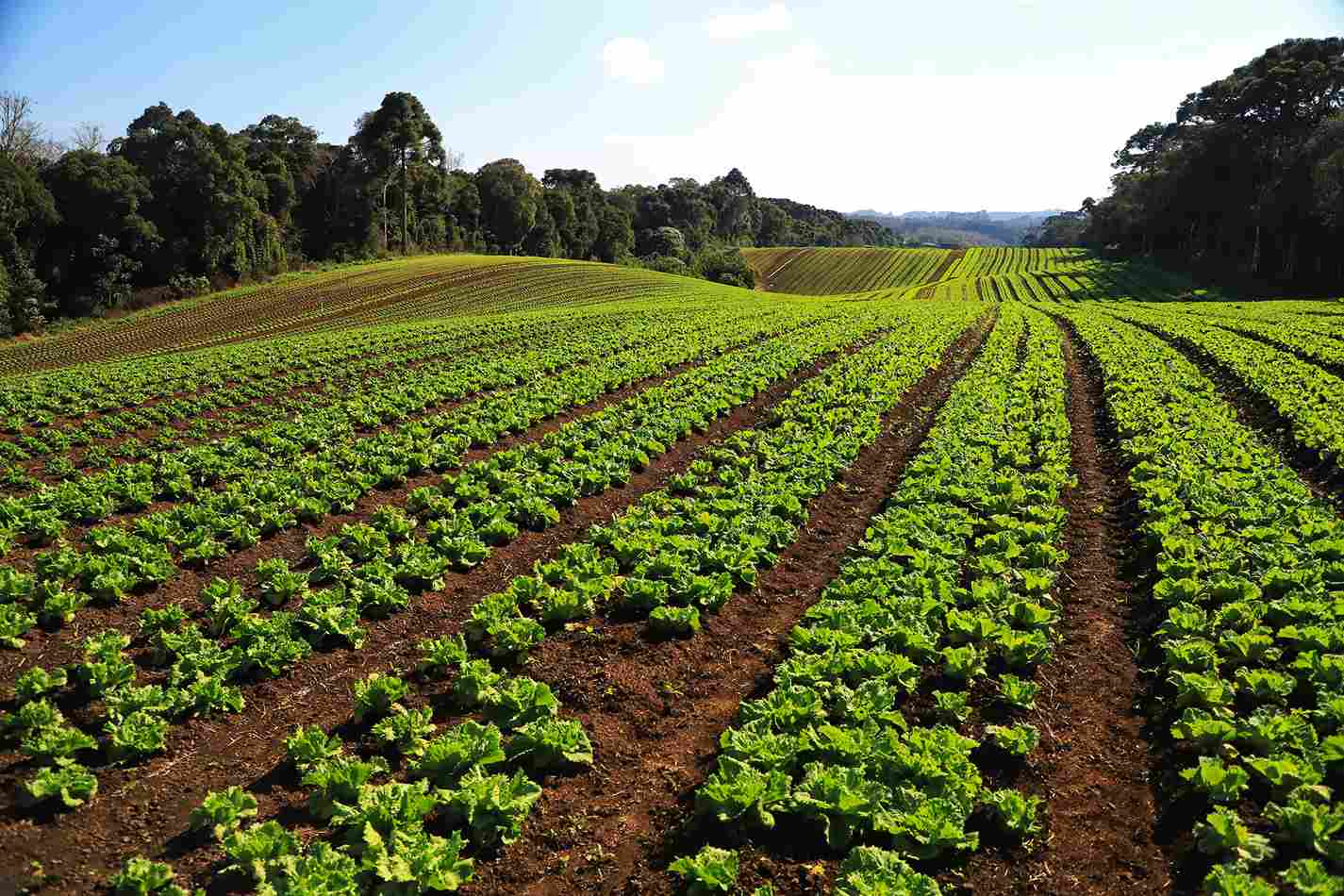
Belgian endive, known as witloof and produced by a forced chicory cultivation technique unique to Belgium, holds EU Protected Geographical Indication status and is the world's most scientifically distinctive forced vegetable, its characteristic white bitterness and crisp texture a direct product of the darkened cellar blanching process invented in Belgium in the nineteenth century.
Belgian endive, the blanched compact chicon produced from Cichorium intybus chicory roots forced to regrow in darkness, was accidentally discovered at the Brussels Botanical Garden around 1830 and subsequently developed into one of Belgium's most significant horticultural industries. The witloof cultivation process, in which chicory roots harvested from open field cultivation are transferred to darkened forcing rooms where they regrow in conditions of complete light exclusion and controlled temperature, produces a vegetable of unique chemical profile. The absence of light prevents chlorophyll development and limits glucosinolate conversion, giving Belgian endive its characteristic mild bitterness balanced against natural sweetness.
Belgian endive PGI certification covers production across Belgium and portions of northern France and the Netherlands, with Belgian production representing the heritage and institutional benchmark of the witloof industry. The forcing technique's precise control of humidity, temperature, and darkness duration, refined over 190 years of Belgian horticultural practice, produces a chicon of specific leaf compaction, moisture content, and bitter compound distribution that Belgian growers have documented and standardised through the Cadribo quality certification framework.
For procurement contacts in the premium food service, specialty grocery, and European vegetable sectors seeking a forced vegetable with EU PGI documentation, a cultivation technique of Belgian invention protected by 190 years of horticultural refinement, and a flavour profile of scientifically documented bitterness balance found in no other vegetable, Belgian witloof's Olericultures value chain offers vegetable provenance of horticultural, scientific, and cultural distinction unique in European agriculture.
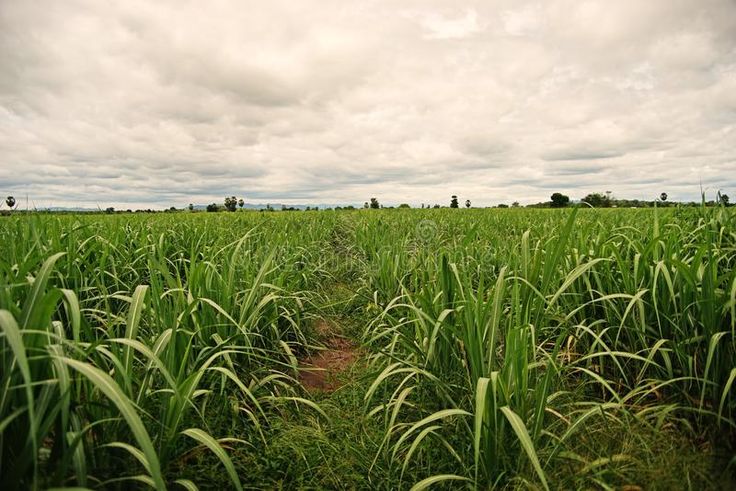
Belgium is one of Europe's most technically sophisticated sugar beet producing and processing nations, its Tienen and Ath refineries among the continent's most advanced, producing white refined sugar of documented crystalline purity from Beta vulgaris cultivated on the rich loam soils of the Belgian agricultural heartland.
Belgian sugar beet cultivation, concentrated on the Hesbaye and Hainaut agricultural plains, benefits from the deep fertile loam soils and temperate maritime climate of the Belgian interior that produce beet of high sucrose content and clean juice quality. Belgium's sugar industry, represented by established refining operations at Tienen and Ath, processes sugar beet to produce white refined sugar, specialty sugars, and beet molasses of documented crystalline specification used in premium food manufacturing across Europe.
The Tienen refinery, one of Europe's historically significant sugar processing facilities, maintains quality standards and analytical documentation for sugar crystalline purity, moisture content, and colour index that serve as reference specifications in European food manufacturing procurement. Belgian specialty sugars, produced from locally grown beet using techniques adapted to specific confectionery and baking applications, have developed premium market recognition in European artisan food production.
For procurement contacts in the food manufacturing, confectionery, and artisan baking sectors seeking beet sugar from a technically sophisticated European refinery with documented crystalline purity specifications, supply chain reliability built on Belgian refining heritage, and proximity to major European food manufacturing clusters, Belgian sugar beet's Saccharicultures value chain offers sugar provenance, specification documentation, and logistical positioning of considerable commercial value.
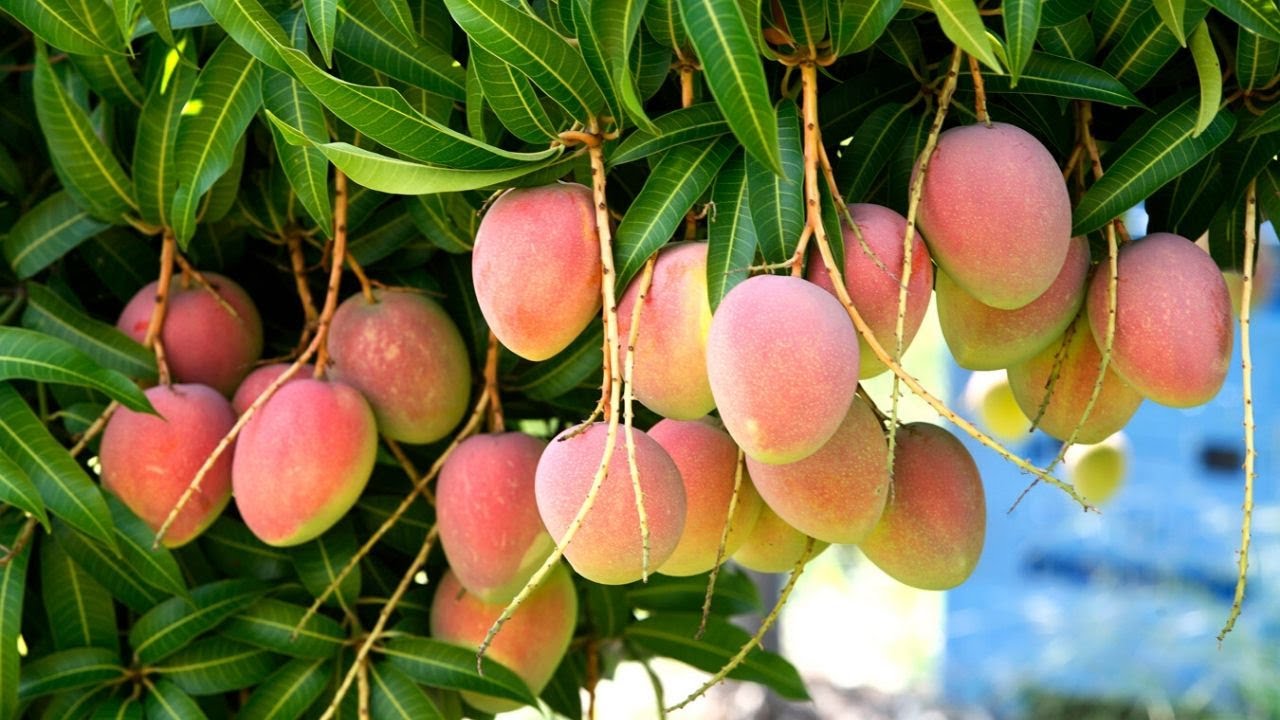
Belgium is the world's leading producer and exporter of the Conference pear, cultivating this variety across the Limburg, Liege, and Flemish Brabant growing zones under quality frameworks that make Belgian Conference the benchmark specification for European premium pear procurement.
The Conference pear, developed in England in 1885 and named for the British National Pear Conference where it was first exhibited, found its ideal commercial growing environment in Belgium's temperate maritime climate, fertile loam soils, and moderate rainfall distribution. Belgium produces approximately 250,000 tonnes of Conference pears annually, representing the world's largest production of this variety by a single nation, with export volumes supplying European markets from the UK to Germany, Scandinavia, and beyond. The specific growing conditions of Belgian orchards, with sufficient chill hours for uniform bud break and warm summers for sugar development, produce Conference pears of consistent calibre, colour, and Brix measurement that Belgian packers certify to procurement specification.
Belgian Conference pear quality is regulated through the BelOrta and REO Veiling cooperative auction systems, which apply grading standards for size, colour, firmness, and sugar content that give procurement contacts specification confidence in Belgian pear as a consistent, documented raw material. The advanced controlled atmosphere cold storage infrastructure of Belgian pear packers extends the marketing window from the September harvest through to the following spring, providing year-round supply continuity from a single geographic source.
For procurement contacts in the fresh produce, food processing, juice manufacturing, and premium grocery sectors seeking Conference pear from the world's most significant producing nation, with cooperative quality grading documentation, controlled atmosphere storage extending supply windows, and the commercial heritage of the variety's optimal growing environment, Belgian pomiculture's Fruits value chain offers pear provenance, quality specification reliability, and supply continuity that define the European Conference pear benchmark.

IFEROUS+ - Aligning with Belgium's multi-dimensional sovereign resource identity across Umicore cobalt processing, Belgian witloof endive, Tienen sugar beet refining, and world-leading Conference pear cultivation, we are building integrated value chain partnerships that span the nation's most scientifically distinctive assets, connecting global procurement contacts with the provenance documentation and long-term supply relationships that irreplaceable Belgian resources command.
Call our London Office on 020 3355 1985 or email plus@iferous.com to connect with our strategists and discuss opportunities.