
-
Resources
- Precious Metals
- Battery Metals
- Industrial Metals
- Nuclear Energy
-
.cultures
- Timbers / Silvicultures
- Cottons / Gossypicultures
- Rubbers / Heveacultures
- Grains / Granicultures
- Oils / Oleicultures
- Sugars / Saccharicultures
- Coffees / Coffeicultures
- Cacaos / Cacaocultures
- Teas / Theicultures
- Flowers / Floricultures
- Fruits / Pomicultures
- Vegetables / Olericultures
- Citruses / Citricultures
-
Regions
- .IFEROUS+
- About
Singapore
'The Lion City, Where Bukit Timah Granite, the World's Oleochemical Trading Capital, and the Vanda Miss Joaquim Define Asia's Most Sophisticated City-State'

'Singapore is Asia's most sophisticated city-state, a island nation of 734 square kilometres that has leveraged its strategic position at the Strait of Malacca — through which forty percent of the world's traded goods and eighty percent of East Asia's energy imports pass — into the world's third largest port, the world's most significant commodity trading hub for palm oil and oleochemicals, and one of the most important financial centres for agricultural commodity futures and physical trade.
Singapore's resource identity is not that of a producing nation but of a transforming and trading nation, whose Jurong Island petrochemical and oleochemical complex houses Wilmar International, the world's largest agribusiness company, alongside the Asian processing and trading operations of Bunge, Olam, Louis Dreyfus, and Cargill. The cumulative value of agricultural commodity trade flowing through Singapore's commodity trading infrastructure exceeds a hundred billion dollars annually.
The Bukit Timah Granite Pluton, a Late Triassic intrusion whose ancient rock forms the geological spine of the island and Singapore's highest natural point, has provided the construction aggregate for one of history's most dramatic urban developments, while the Singapore Botanic Gardens' UNESCO-recognised orchid programme has given the world some of its most celebrated hybrid orchids, including the Vanda Miss Joaquim whose natural discovery in Singapore's gardens led to its designation as the nation's first National Flower.'
Singapore on Iferous.com
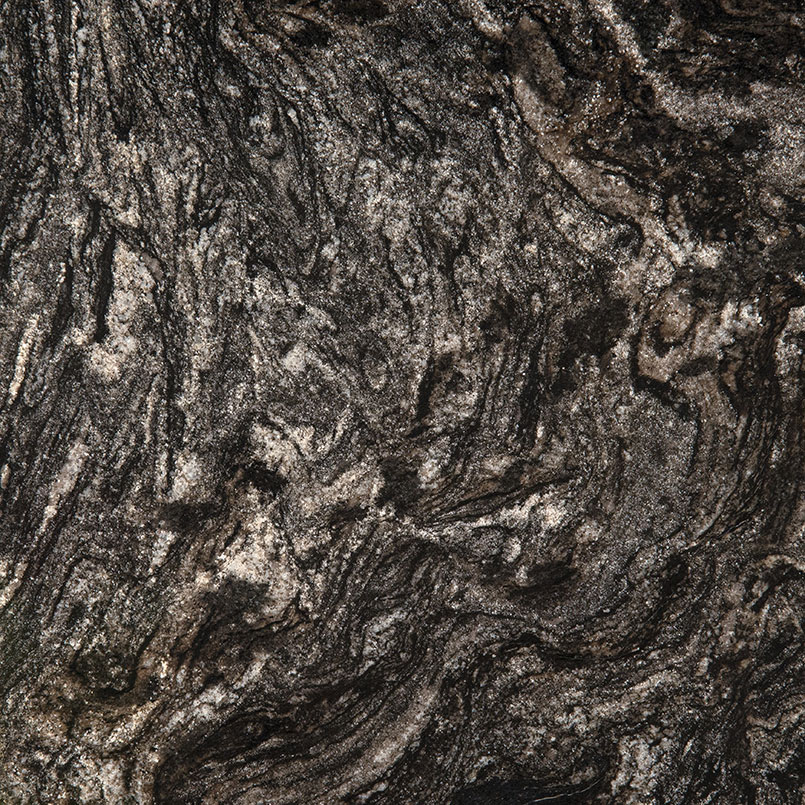
The Bukit Timah Granite Pluton, a Late Triassic intrusion of approximately 230 million years age that forms the geological foundation of Singapore island, reaching its surface expression at Bukit Timah Hill (163 metres, Singapore's highest natural point) and exposed across the central and northern island, has provided the construction aggregate for the urban transformation of one of history's most remarkable city-states.
Singapore's granite, quarried historically from multiple sites across the central island before urban development progressively covered the exposures, provided the primary construction material for the colonial infrastructure of the nineteenth century and the foundational fill material for land reclamation projects that have extended Singapore's land area by nearly a quarter since independence. The Bukit Timah Granite's mineralogy, comprising coarse-grained biotite granite of the muscovite-biotite granite type, produces aggregate of the crushing strength and road construction quality that Singapore's infrastructure development required.
The Singapore Botanic Gardens, founded in 1859 and designated a UNESCO World Heritage Site in 2015, sits within the Bukit Timah granite watershed, and its soils enriched by centuries of botanical cultivation over the granite substrate have supported one of the world's most significant tropical botanical gardens. Singapore's geological identity, built on this ancient pluton, gives the island its physical foundation as surely as its strategic maritime position gives it its economic one.
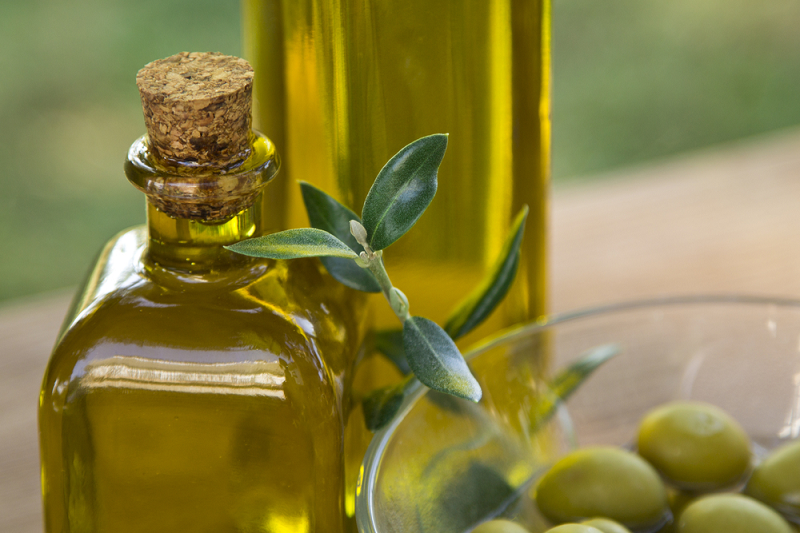
Singapore is the world's most significant oleochemical commodity trading and physical refining hub, with the Jurong Island processing complex and Singapore's commodity trading infrastructure handling more palm oil, palm kernel oil, and their derivatives than any other single location on earth, a position reflecting the strategic concentration of Wilmar International, the world's largest agribusiness company, alongside Bunge, Olam, Cargill, and Louis Dreyfus in one of the world's most efficiently regulated commodity trading jurisdictions.
Wilmar International, headquartered in Singapore with operations spanning sixty-five countries and processing facilities on Jurong Island, refines palm oil from Indonesia and Malaysia into the full spectrum of oleochemical derivatives — fatty acids, fatty alcohols, glycerine, soap noodles, and food emulsifiers — that supply food manufacturers, cosmetics companies, and cleaning products producers globally. The concentration of palm oil refining capacity and trading expertise in Singapore means that pricing, quality specifications, and sustainability certification standards for the global palm oil trade are effectively set by the market infrastructure Singapore hosts.
Singapore's Commodity Exchange (SGX) provides the futures pricing infrastructure for Southeast Asian commodity markets, and the physical trading operations of Singapore's commodity houses establish reference prices for palm oil, rubber, and other agricultural commodities traded throughout Asia. For procurement contacts in oleochemical ingredients, food manufacturing, personal care, and agricultural commodity sourcing seeking engagement with the world's most sophisticated commodity trading and processing hub, Singapore's Oleicultures value chain offers unparalleled market access and processing infrastructure.
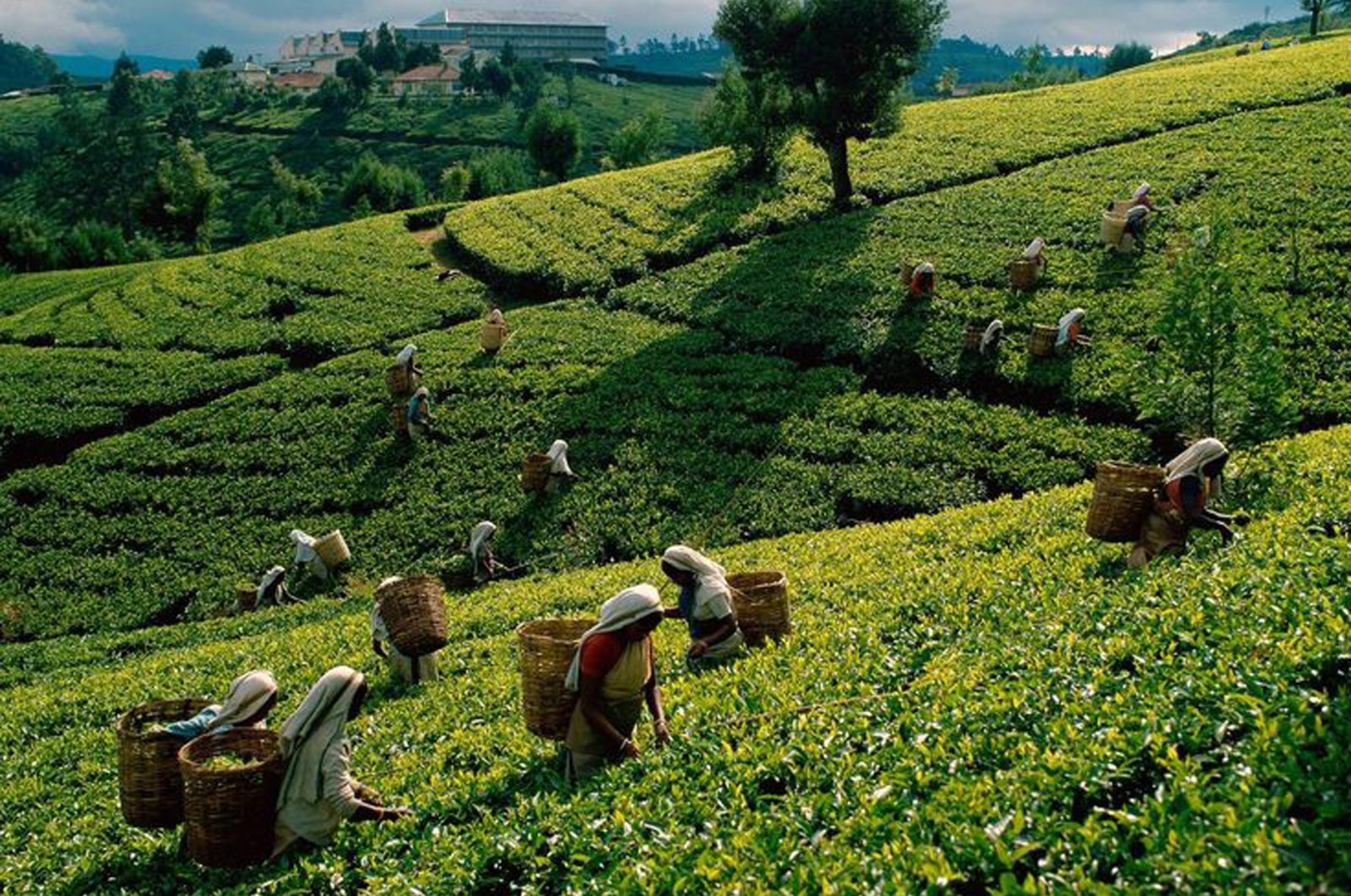
Singapore's tea identity encompasses both the artisan luxury positioning of TWG Tea, the Singaporean tea brand whose retail boutiques in global luxury destinations have redefined premium tea retail aesthetics internationally, and the deep Nanyang cultural heritage of teh tarik and kopi, the pulled milk tea and Hainanese coffee-tea traditions of Singapore's Chinese and Malay heritage that have sustained the kopitiam as the defining social institution of Singaporean street culture for over a century.
TWG Tea, founded in Singapore in 2008 and named for the year of Singapore's Chambers of Commerce incorporation, has built a global luxury tea brand whose signature yellow-and-black tins, multi-storey flagship tea rooms, and blends referencing Singapore's 1837 trading heritage occupy a luxury retail positioning in airports, hotels, and shopping destinations from London to Tokyo. The brand's Singapore-origin story, combined with its curatorial approach to sourcing premium single-estate teas and creating prestige blends, represents a distinctive tea culture identity built on Singapore's position as the crossroads of Asian commerce rather than on plantation production.
The kopitiam tradition of Singapore, where teh tarik (pulled milk tea of frothy aerated character) and kopi (Hainanese-style strong coffee-tea served on condensed milk) represent the daily beverage ritual of three million Singaporeans, is a UNESCO-recognised cultural heritage of the Nanyang Chinese diaspora that sustains a food culture identity as distinctive and globally recognised as Singapore's fine dining scene. For procurement contacts in luxury tea retail, brand licensing, and Asian beverage culture sectors, Singapore's Theicultures value chain offers the world's most commercially successful luxury tea brand identity from the crossroads of Asian trade.
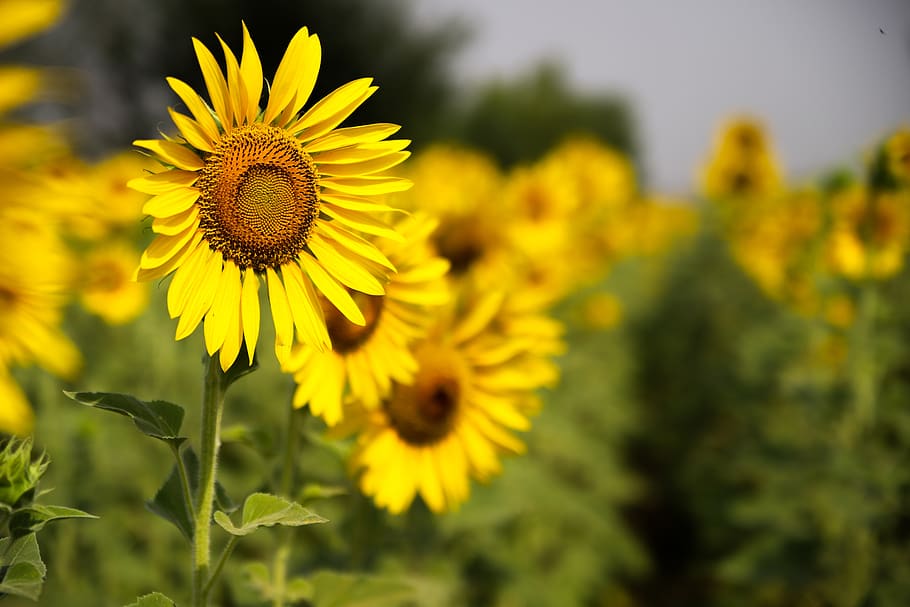
The Vanda Miss Joaquim, Singapore's National Flower, a naturally occurring hybrid orchid discovered in the garden of Agnes Joaquim in the late nineteenth century and selected as Singapore's first National Flower in 1981 for its resilience, year-round flowering, and distinctive mauve-pink petals, represents the culminating symbol of Singapore's most internationally recognised cultural institution: the Singapore Botanic Gardens orchid hybridisation programme that has produced over two thousand named orchid hybrids since 1928.
The Singapore Botanic Gardens, a UNESCO World Heritage Site, maintains the National Orchid Garden — the world's largest publicly displayed orchid collection with over a thousand species and two thousand hybrids — and continues the systematic orchid hybridisation programme that has created diplomatically significant orchids named after visiting heads of state, royalty, and dignitaries from over forty nations. The Singaporean orchid diplomacy tradition, whereby a newly named hybrid is presented to distinguished visitors as a uniquely personal gift of living botanical heritage, represents the most distinctive botanical diplomatic protocol of any nation on earth.
Singapore's floriculture identity, built on this orchid heritage and sustained by the Botanic Gardens' continuing research, gives the city-state a botanical soft power dimension of extraordinary cultural reach. For procurement contacts in luxury horticulture, botanical diplomacy, premium gifting, and institutional floriculture sectors, Singapore's Floricultures value chain — anchored by the Vanda Miss Joaquim heritage and the National Orchid Garden's diplomatic orchid programme — offers a floral identity of sovereign cultural distinction unique in the world.

IFEROUS+ - Aligning with Singapore's sovereign resource identity as the world's most sophisticated oleochemical commodity trading hub, the home of TWG Tea as global luxury retail benchmark and Nanyang kopitiam culture as UNESCO-recognised heritage, and the custodian of the world's most extensive public orchid collection and diplomatic orchid programme anchored by the Vanda Miss Joaquim National Flower, we are building integrated value chain partnerships across the Lion City's unique position at the intersection of Asian trade, culture, and botanical heritage.
Call our London Office on 020 3355 1985 or email plus@iferous.com to connect with our strategists and discuss opportunities.