
-
Resources
- Precious Metals
- Battery Metals
- Industrial Metals
- Nuclear Energy
-
.cultures
- Timbers / Silvicultures
- Cottons / Gossypicultures
- Rubbers / Heveacultures
- Grains / Granicultures
- Oils / Oleicultures
- Sugars / Saccharicultures
- Coffees / Coffeicultures
- Cacaos / Cacaocultures
- Teas / Theicultures
- Flowers / Floricultures
- Fruits / Pomicultures
- Vegetables / Olericultures
- Citruses / Citricultures
-
Regions
- .IFEROUS+
- About
Bhutan
'The Last Shangri-La, Where Himalayan Dolomite, Paro Red Rice, and Lemongrass Oil from the Thunder Dragon Kingdom Define a Sovereign of Exceptional Purity'

'Bhutan is the last Shangri-La, a Himalayan Buddhist kingdom of extraordinary ecological and cultural integrity whose Gross National Happiness philosophy has guided a development model that places spiritual and environmental wellbeing alongside economic progress in ways unique among the world's nations. Over seventy percent of Bhutan's territory is covered by forest, sixty percent is under conservation, and the country maintains carbon negative status, absorbing more carbon than it produces -- a sovereign environmental achievement without parallel in Asia.
The mineral wealth of Bhutan is defined by dolomite of world-class reserve scale, whose high-purity calcium magnesium carbonate deposits in Paro, Thimphu, and Punakha districts are among the highest-grade dolomite formations commercially accessible in South Asia. The agricultural identity of Bhutan is characterised above all by purity: over sixty percent of its agriculture is organic by national policy, making Bhutan one of the world's largest certified organic agricultural economies by land area proportion.
Bhutan Red Rice, the heirloom glutinous red rice of the Paro valley grown at 2,400 metres in one of the world's highest rice cultivation systems, lemongrass essential oil from the subtropical southern foothills whose Cymbopogon citratus grows in conditions of exceptional botanical purity, and the highland apples of Bumthang valley together express a sovereign agricultural identity of extraordinary ecological integrity rooted in Buddhist respect for the natural world.'
Bhutan on Iferous.com
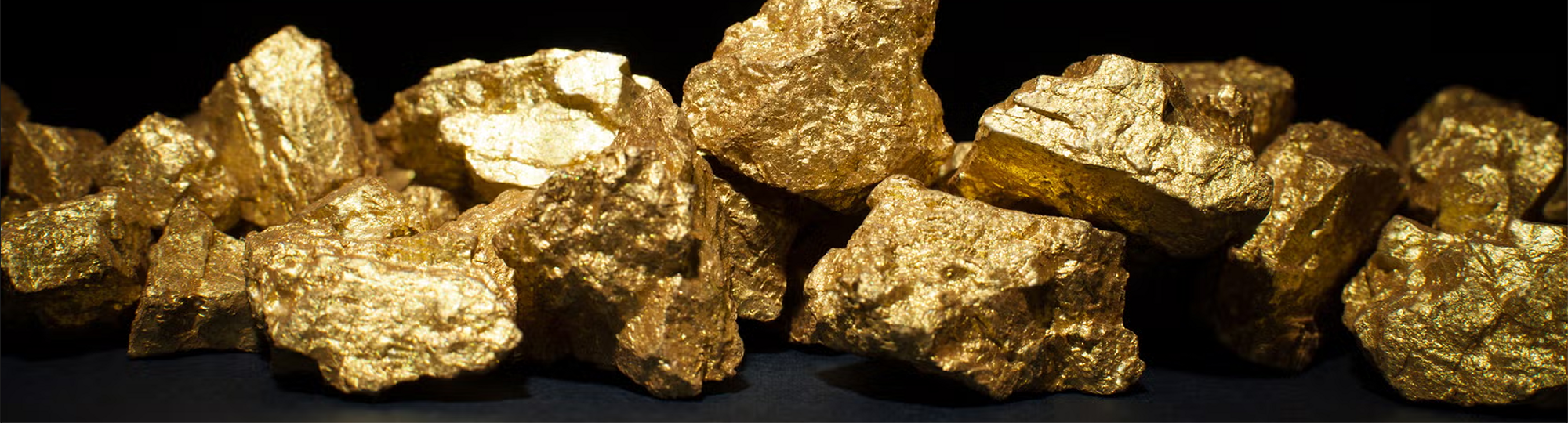
Bhutan's dolomite deposits, concentrated in the Paro, Thimphu, Punakha, and Wangdue Phodrang districts of the western Himalayan valleys, represent one of South Asia's highest-quality calcium magnesium carbonate resources, with deposit grades and reserve scales that have established dolomite as Bhutan's most commercially significant mineral export and a raw material of growing importance to regional steel, glass, and agricultural lime industries.
Bhutanese dolomite, formed within the Precambrian and Lower Palaeozoic metasedimentary sequences of the Himalayan thrust belt and metamorphosed to high purity by the regional heat and pressure of Himalayan orogeny, achieves CaO and MgO combined contents and low silica impurity levels that qualify it for use in the most demanding metallurgical, refractory, and agricultural applications. The Natural Resources Development Corporation of Bhutan administers dolomite mining and export from the western valley deposits, with product specification documentation supporting sales to Indian steel and agriculture markets across the border at Phuentsholing.
Bhutan's ferrosilicon industry, operated by Bhutan Ferro Alloys Limited using the country's abundant hydroelectric power to process quartz with carbonate fluxes, adds a value-added mineral processing dimension to the raw dolomite export identity, demonstrating the sovereign ambition to move up the mineral value chain from raw material to processed alloy. For procurement contacts in metallurgical fluxing, refractory materials, agricultural lime, and specialty chemical sectors seeking high-purity Himalayan dolomite with documented Bhutanese valley provenance and National Resources Development Corporation certification, Bhutan's Dolomiferous value chain offers mineral purity of Himalayan metamorphic distinction.
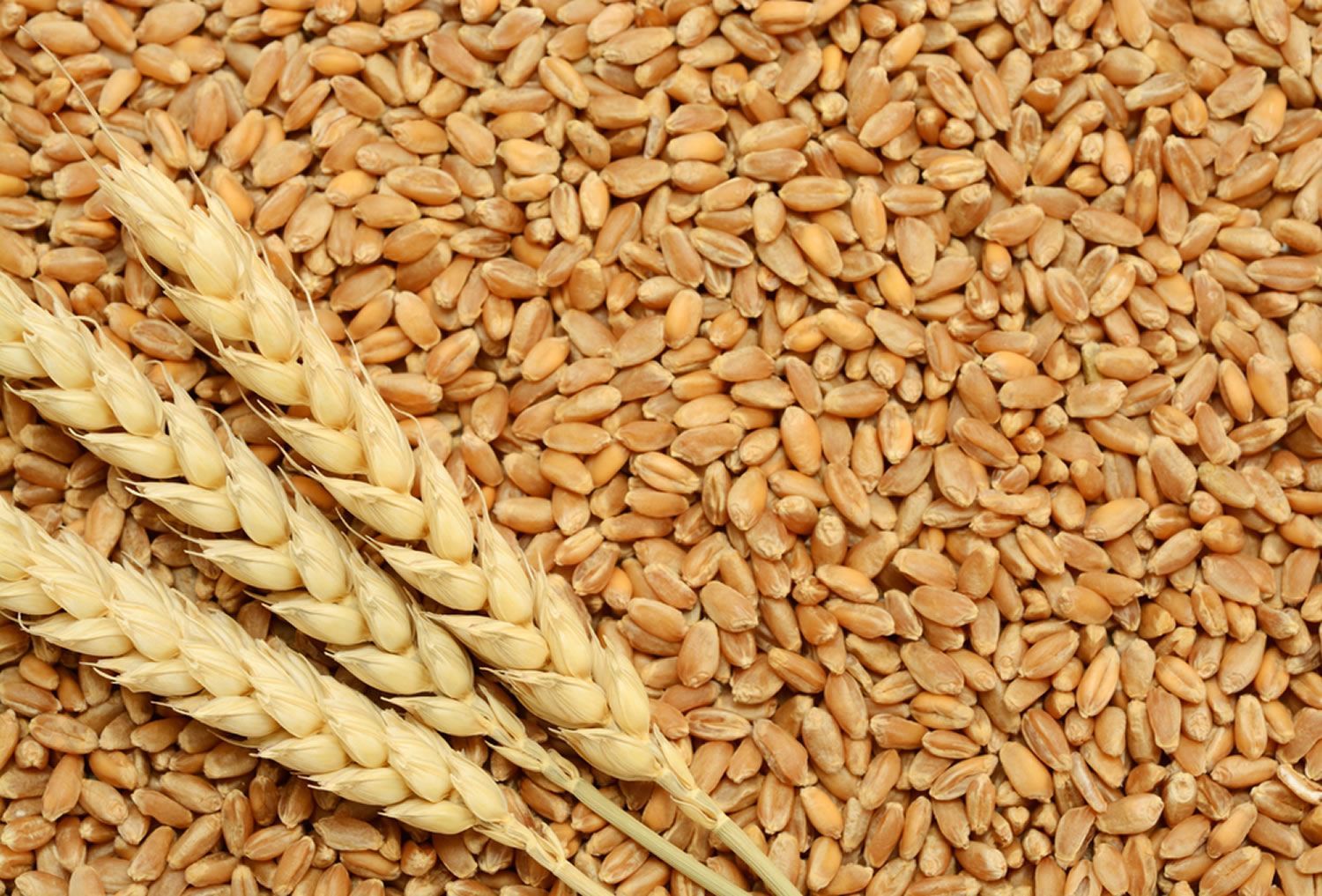
Bhutan Red Rice, the heirloom glutinous Oryza sativa variety cultivated in the Paro Valley at 2,400 metres elevation on terraced fields irrigated by glacial meltwater from the Himalayan peaks surrounding this sacred valley, is one of the world's highest altitude rice cultivars, its distinctive deep reddish-pink colour from natural anthocyanin pigmentation in the bran layer, nutty flavour, and semi-sticky cooked texture making it the most internationally recognised Bhutanese agricultural product.
The Paro Valley, cradled between the Himalayan ridges of western Bhutan at an altitude that places it among the highest rice cultivation systems commercially operated anywhere on earth, creates a growing environment of pristine glacial water irrigation, clear mountain air with intense UV radiation, and the specific mineral composition of Himalayan alluvial soils that gives Bhutan Red Rice its distinctive nutritional and flavour profile. The anthocyanin compounds responsible for the rice's deep red colour carry antioxidant properties of documented functional food significance, while the wholegrain bran retention of the minimal-milling process preserves the fibre, B vitamins, and mineral content that refined white rice loses in processing.
Bhutan Red Rice, exported through the Bhutan Natural Foods programme under the Royal Government's organic agriculture certification framework, carries both the Bhutan Organic label and the authentic provenance of a high-altitude heirloom variety grown in conditions of exceptional ecological purity. Its retail presence in premium health food stores in the United States, Japan, and Europe at price points reflecting its rarity and certified organic credential demonstrates the commercial value that Bhutanese agricultural purity commands in quality-conscious international markets. For procurement contacts in organic grain, functional food ingredient, and premium specialty rice sectors seeking Paro Valley Red Rice with documented high-altitude Bhutanese provenance and national organic certification, Bhutanese Granicultures' Grains value chain offers the world's most altitude-distinguished heirloom red rice.
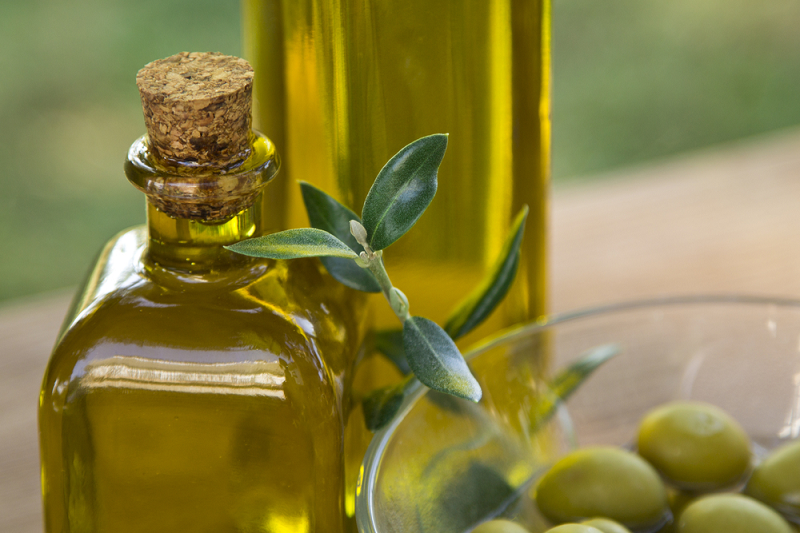
Bhutanese lemongrass essential oil, steam-distilled from Cymbopogon citratus cultivated in the subtropical southern foothills of Bhutan where the transition from Himalayan highland to Assamese lowland creates growing conditions of exceptional botanical richness and zero industrial chemical contamination, produces citral-dominant oil of high geraniol and neral content that aromatherapy, fragrance, and natural cleaning product manufacturers specify for its authentic tropical freshness and documented organic purity.
The southern Bhutanese foothill zone, encompassing the Sarpang, Zhemgang, and Trongsa dzongkhag lowlands at elevations of 300-800 metres where the subtropical climate and rich alluvial soils support vigorous Cymbopogon growth, is one of the most pristine lemongrass cultivation environments commercially available. Bhutan's national commitment to organic agriculture by policy, combined with the absence of adjacent industrial agriculture that might provide pesticide drift contamination, means that Bhutanese lemongrass oil carries an authentic organic purity credential that producers in more densely farmed landscapes cannot credibly claim.
The Bhutan Agro Industries Corporation and smallholder farming communities in the southern foothill districts have developed steam distillation capacity using small-scale stainless steel stills that process freshly harvested lemongrass within hours of cutting, preserving the highest volatile content in the distilled oil. The citral content of Bhutanese lemongrass oil, typically 75-82% by gas chromatography analysis, meets the pharmacopoeial specification required for pharmaceutical and food-grade applications. For procurement contacts in aromatherapy, natural cleaning products, fragrance ingredient, and pharmaceutical sectors seeking lemongrass essential oil with documented Bhutanese subtropical foothill provenance, national organic certification, and the ecological purity of a carbon-negative sovereign territory, Bhutanese Oleicultures' Oils value chain offers essential oil of Himalayan ecological distinction.
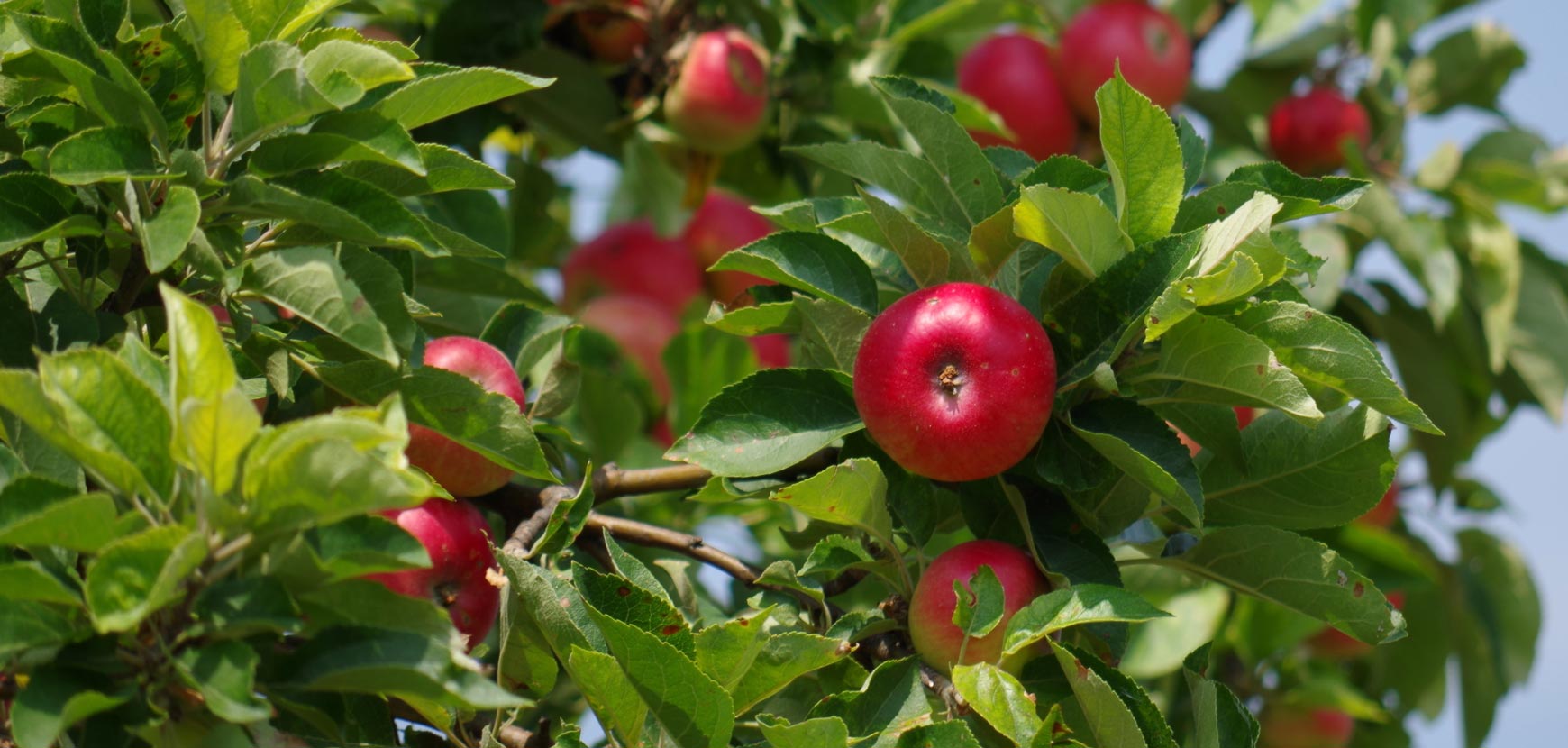
Bumthang valley apples, grown in the ancient heartland of Bhutan at 2,600-2,800 metres elevation where the Bumthang valley's clear mountain air, glacially cold nights, and intense Himalayan sunshine produce fruit of exceptional crispness, high sugar content, and concentrated aromatic character, are among South Asia's most altitude-distinguished apple varieties and the centrepiece of a Bumthang agricultural identity that combines Buddhist monastic heritage with exceptional natural growing conditions.
The Bumthang valley, four connected valleys in central Bhutan surrounded by forested ridges and sacred mountains, creates a growing environment for apple cultivation of remarkable natural quality. The extreme diurnal temperature variation characteristic of high Himalayan valleys, where temperatures may swing 20 degrees or more between afternoon warmth and pre-dawn cold, is the same mechanism producing the exceptional sugar-acid balance and aromatic intensity of Mustang apples in Nepal and Ladakhi apples in India -- the cold nights preserve malic acid while the warm days allow sugar accumulation, and the high UV intensity at altitude drives anthocyanin colour development and flavour compound synthesis in the skin.
Bumthang apple production, developed from Swiss variety introductions in the 1970s alongside indigenous selections maintained by Bumthang farming communities, now includes Red Delicious, Golden Delicious, Fuji, and several locally adapted varieties grown across the valley floor and lower slopes. The apples' naturally organic cultivation in the absence of industrial chemical agriculture, combined with the Bhutanese national organic certification programme administered by the Bhutan Agriculture and Food Regulatory Authority, gives Bumthang apples documented organic purity credentials that premium markets increasingly command. For procurement contacts in organic fruit, premium highland apple, and certified Himalayan produce sectors seeking Bumthang valley apples with documented Bhutanese highland provenance, national organic certification, and the altitude character of the Thunder Dragon Kingdom's most celebrated agricultural valley, Bhutanese Pomicultures' Fruits value chain offers apple provenance of Himalayan ecological purity and Buddhist landscape heritage.

IFEROUS+ - Aligning with Bhutan's extraordinary sovereign resource identity as Asia's only carbon-negative nation, across Himalayan dolomite of world-class purity, Paro Valley Red Rice from the world's highest altitude heirloom rice cultivation certified organic by national policy, lemongrass essential oil of Himalayan subtropical foothill purity, and Bumthang valley apples from a Buddhist landscape of exceptional natural integrity, we are building integrated value chain partnerships across the Last Shangri-La and the world's most ecologically sovereign kingdom.
Call our London Office on 020 3355 1985 or email plus@iferous.com to connect with our strategists and discuss opportunities.