
-
Resources
- Precious Metals
- Battery Metals
- Industrial Metals
- Nuclear Energy
-
.cultures
- Timbers / Silvicultures
- Cottons / Gossypicultures
- Rubbers / Heveacultures
- Grains / Granicultures
- Oils / Oleicultures
- Sugars / Saccharicultures
- Coffees / Coffeicultures
- Cacaos / Cacaocultures
- Teas / Theicultures
- Flowers / Floricultures
- Fruits / Pomicultures
- Vegetables / Olericultures
- Citruses / Citricultures
-
Regions
- .IFEROUS+
- About
Mauritania
'Where Saharan Iron Mountains, Desert Dates, and Atlantic Abundance Define a Frontier Resource Nation'
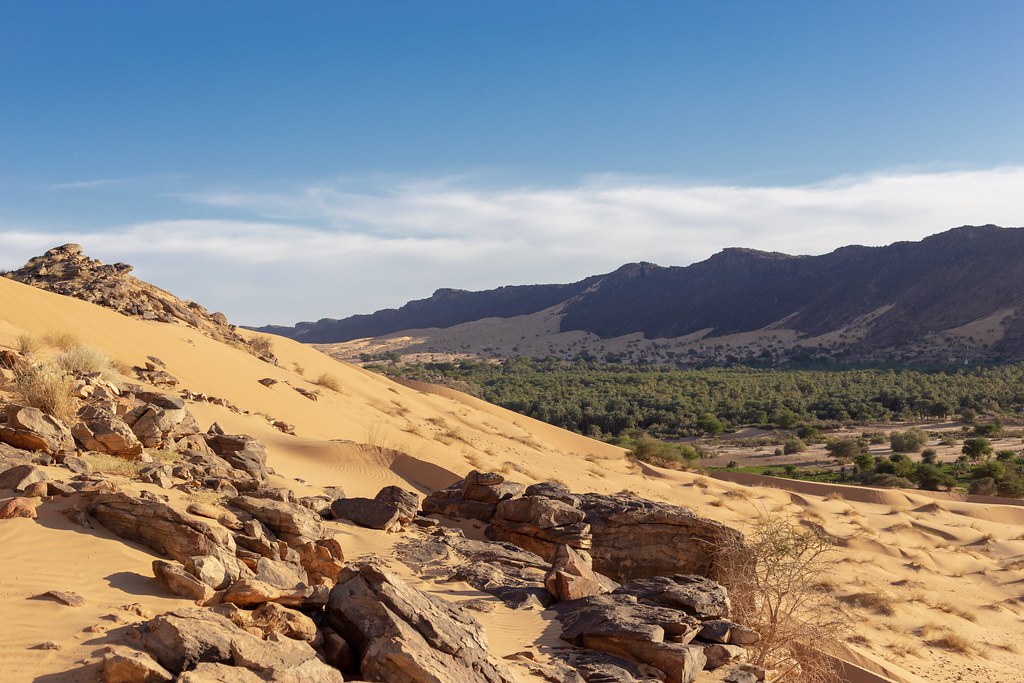
'Mauritania is a vast Saharan and Sahelian nation spanning the desert frontier between North and West Africa, a country of immense geographic scale whose mineral wealth and oceanic resources have established it as one of the continent's most significant mining and fishing nations relative to its population. From the Atlantic fishing grounds to the Saharan iron mountains and the desert oasis date gardens of Adrar, Mauritania's resource identity spans sea, desert, and sky.
The Zouerate iron ore mountains of northern Mauritania, operated by SNIM and connected to the Atlantic port of Nouadhibou by one of the world's longest mineral railways at 704 kilometres, have supplied global steelmakers for six decades with iron ore reaching 60-65% Fe in direct-shipping grade. This infrastructure and operational heritage gives Mauritania a ferriferous export identity of exceptional supply chain reliability.
The Adrar region's desert date gardens, the Atlantic fisheries producing octopus and fish oil of commercial significance, and the drought-adapted cereal traditions of the Sahel agricultural belt complete a sovereign resource picture of stark geographic contrasts united by extraordinary natural productivity from the planet's least hospitable landscapes.'
Mauritania on Iferous.com
Mauritania's Zouerate iron ore deposits, hosted within Precambrian itabirite and jaspilite formations of the Reguibat Shield and reaching 60-65% Fe in direct-shipping grades, have supplied global steelmakers for over six decades via one of Africa's longest dedicated mineral railways at 704 kilometres to the Nouadhibou Atlantic port.
SNIM's operational framework, drawing on six decades of experience in Saharan iron ore extraction, has developed processing capabilities producing ore in a range of grades and specifications to meet steelmaker requirements across European, Chinese, and Middle Eastern markets. The consistency of supply, grade documentation, and established shipping relationships from Nouadhibou give Mauritanian iron a procurement reliability profile built through sustained long-term commercial relationships that no newer iron ore jurisdiction can match.
For procurement contacts in the steel sector seeking high-grade African iron ore from one of the continent's most established and logistically integrated mineral export systems, Mauritania's Zouerate deposits offer iron of exceptional purity, a six-decade supply heritage, and infrastructure specifically designed for global iron ore export.
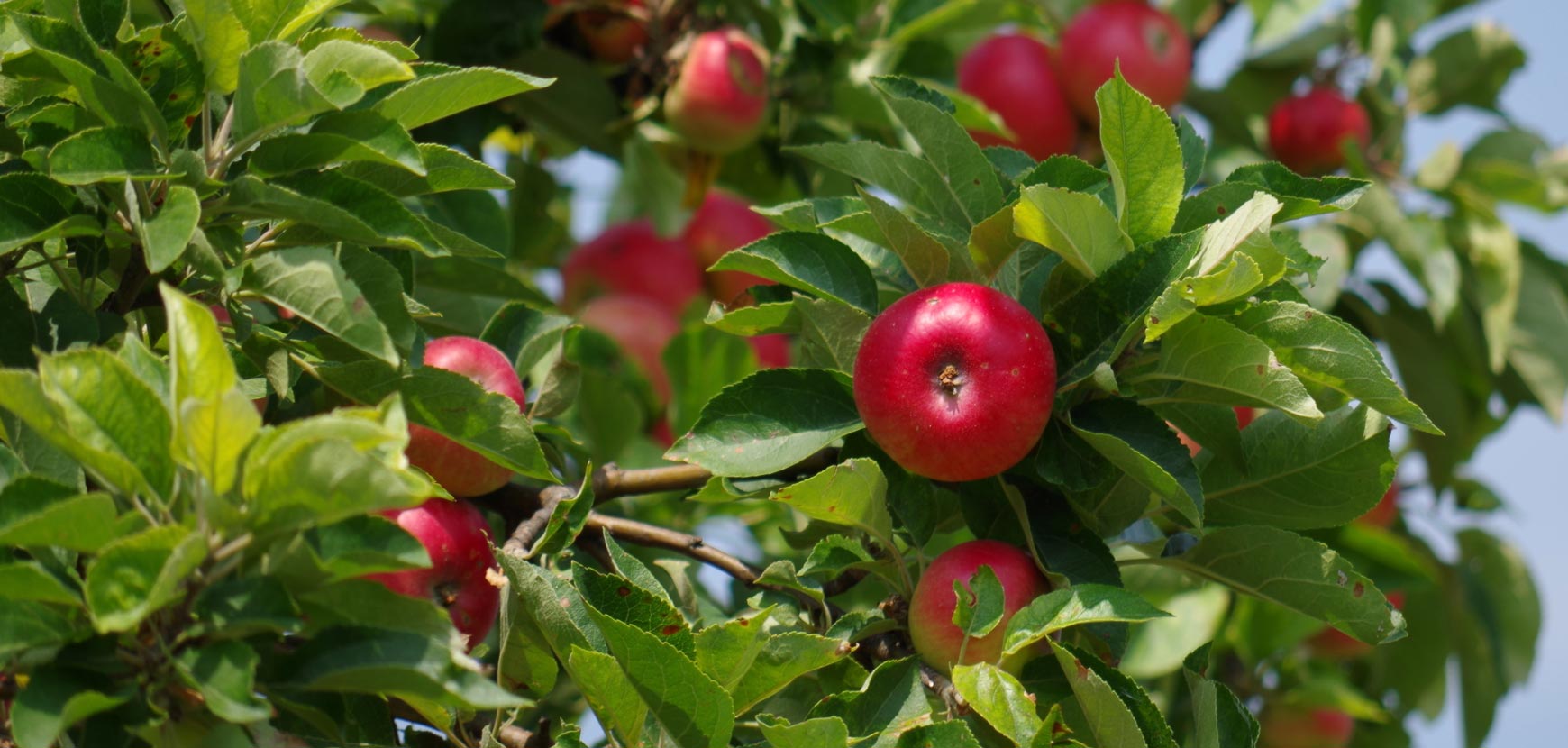
The Adrar dates of Mauritania's most ancient oasis region, cultivated across the palm gardens of Atar, Chinguetti, and the Adrar Plateau oases where artesian water sources sustain date palm cultivation in one of the world's most arid landscapes, are among the Saharan world's most flavourful and botanically distinctive desert dates, shaped by extreme growing conditions that concentrate sugars and aromatic compounds uniquely.
The Adrar region of north-central Mauritania, a Precambrian sandstone plateau rising from the surrounding desert at elevations of 400-800 metres, sustains oasis micro-environments where artesian springs and shallow water tables support date palm cultivation in landscapes that receive less than 100 millimetres of annual rainfall. The extreme diurnal temperature variation, intense solar radiation, and ultra-low humidity of the Adrar growing environment produces Mauritanian dates with a sugar concentration and aromatic intensity that distinguishes them from dates grown in more moderate climates.
Mauritanian Adrar dates, of varieties including Tidjaret, Lemseyer, and Ahmar, carry the geographic character of one of the Sahara's most ancient inhabited oasis systems, with cultivation traditions documented at Chinguetti, a UNESCO World Heritage Site, extending back over a thousand years. The botanical diversity of Mauritanian date varieties, many found nowhere else, represents a genetic heritage of potential value to agricultural research and specialty date markets seeking genuinely distinctive desert fruit provenance.
For procurement contacts in the premium date market, specialty food, and geographic origin sectors seeking desert dates with documented Adrar oasis provenance, ancient cultivation heritage, and the distinctive aromatic character of Saharan ultra-arid growing conditions, Mauritanian pomiculture's Fruits value chain offers date provenance of desert depth and UNESCO landscape heritage.
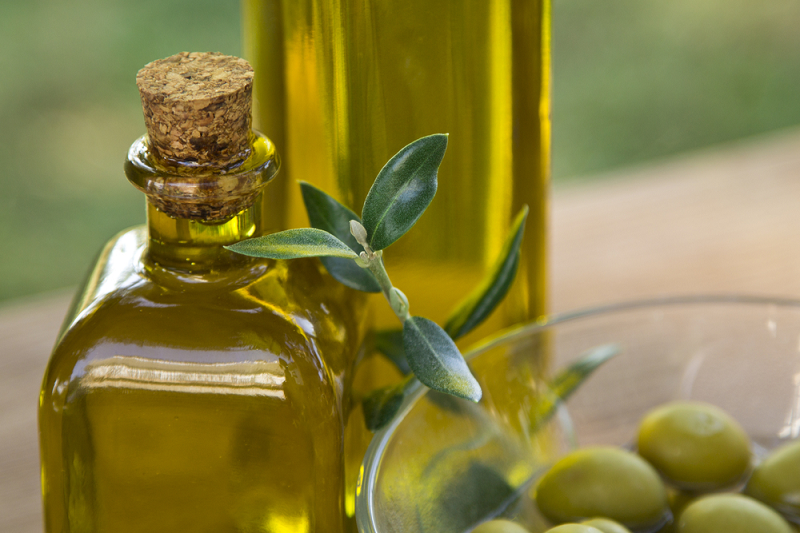
The Atlantic fishing grounds of Mauritania, where the cold Canary Current upwelling creates some of the most biologically productive marine environments on earth, support an industrial fisheries economy producing fish oil and fishmeal of high omega-3 fatty acid concentration for the global aquaculture feed, animal nutrition, and nutraceutical supply chains.
The Mauritanian Exclusive Economic Zone encompasses over one million square kilometres of Atlantic Ocean directly above the Canary Current upwelling system, where cold nutrient-rich deep water rising to the surface supports exceptional concentrations of small pelagic fish including sardine, round sardinella, European anchovy, and Atlantic horse mackerel. The annual biomass of these pelagic species in Mauritanian waters is among the highest of any comparable EEZ globally, supporting extraction at industrial scale for fishmeal and fish oil production.
Mauritanian fish oil, produced from the processing of small pelagic species at the Nouadhibou industrial fishing complex, carries an omega-3 fatty acid profile, specifically eicosapentaenoic acid and docosahexaenoic acid, determined by the cold-water upwelling diet of the source species. Cold-current fish oil is consistently assessed as producing higher EPA and DHA concentrations than tropical fisheries equivalents, giving Mauritanian fish oil a nutritional quality advantage in the aquaculture feed, functional food, and marine omega-3 supplement markets.
For procurement contacts in aquaculture feed manufacturing, omega-3 supplement production, and animal nutrition sectors seeking Atlantic fish oil with documented Canary Current upwelling provenance, cold-water high-EPA and DHA fatty acid characterisation, and the production scale of one of the world's most productive marine environments, Mauritanian Atlantic Oleicultures' Oils value chain offers marine oil provenance of oceanic distinction.
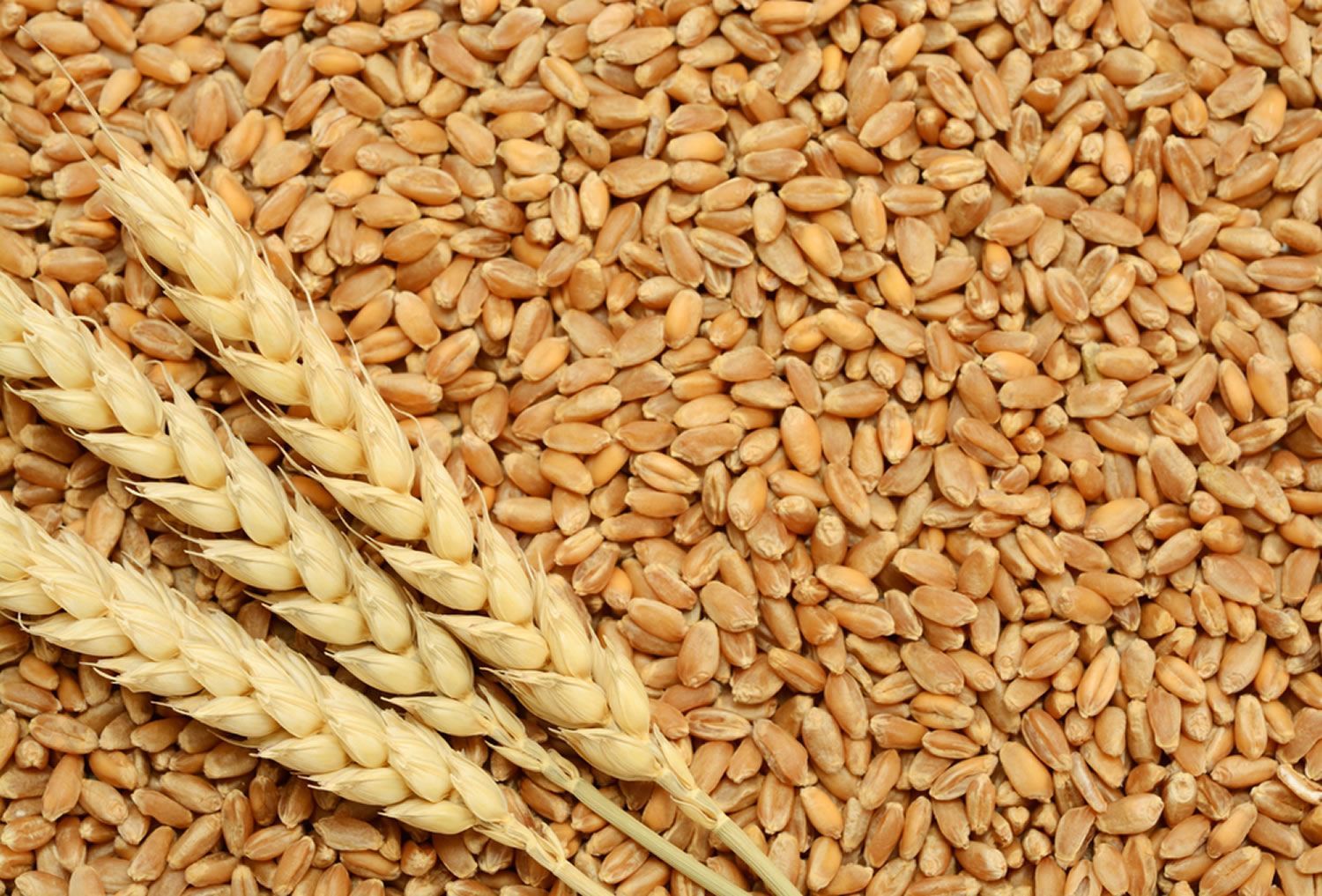
The Sahel cereal heritage of Mauritania, encompassing pearl millet, sorghum, and drought-adapted grain varieties cultivated across the Trarza, Brakna, and Assaba regions of the country's southern agricultural belt, represents one of the most extreme-environment grain cultivation systems on earth, sustained by millennia of indigenous botanical selection for drought tolerance and nutritional resilience.
Pearl millet (Pennisetum glaucum) is the primary staple grain of Mauritania's southern Sahelian zone, where annual rainfall averaging 150-400 millimetres and highly variable seasonal distribution require crops of extreme drought tolerance and rapid maturation capable of completing their reproductive cycle within the brief rainy season. The pearl millet varieties cultivated by Mauritanian Sahelian farming communities represent a genetic heritage of drought adaptation refined over thousands of years of cultivation in one of the planet's most agriculturally challenging climates.
Sorghum cultivation in the Senegal River valley zone of southern Mauritania benefits from seasonal flooding and residual soil moisture, producing grain of nutritional significance to local food security. The Mauritanian agricultural research station network has identified landraces of both pearl millet and sorghum with genetic traits of potential value to global cereal breeding programmes seeking drought tolerance alleles for climate-resilient crop development.
For procurement contacts in the specialty grain, ancient grain, and climate-resilient crop sectors seeking Sahelian pearl millet and sorghum with documented Mauritanian arid-zone provenance, indigenous cultivar genetic heritage, and the nutritional profile of cereals developed for extreme drought resilience, Mauritanian Granicultures' Grains value chain offers cereal provenance of desert adaptation and Sahel agricultural heritage.

IFEROUS+ - Aligning with Mauritania's multi-dimensional sovereign resource identity across Zouerate Ferriferous iron of six-decade supply heritage, Adrar desert dates of UNESCO oasis provenance, Atlantic Canary Current fish oil of cold-water omega-3 distinction, and Sahel pearl millet of extreme drought adaptation, we are building integrated value chain partnerships spanning this extraordinary frontier nation's full resource spectrum from desert mountain to Atlantic ocean.
Call our London Office on 020 3355 1985 or email plus@iferous.com to connect with our strategists and discuss opportunities.