
-
Resources
- Precious Metals
- Battery Metals
- Industrial Metals
- Nuclear Energy
-
.cultures
- Timbers / Silvicultures
- Cottons / Gossypicultures
- Rubbers / Heveacultures
- Grains / Granicultures
- Oils / Oleicultures
- Sugars / Saccharicultures
- Coffees / Coffeicultures
- Cacaos / Cacaocultures
- Teas / Theicultures
- Flowers / Floricultures
- Fruits / Pomicultures
- Vegetables / Olericultures
- Citruses / Citricultures
-
Regions
- .IFEROUS+
- About
Senegal
'The Gateway to West Africa, Where Birimian Gold Meets Groundnut Heritage, Casamance Mangoes, and the World's Hibiscus'
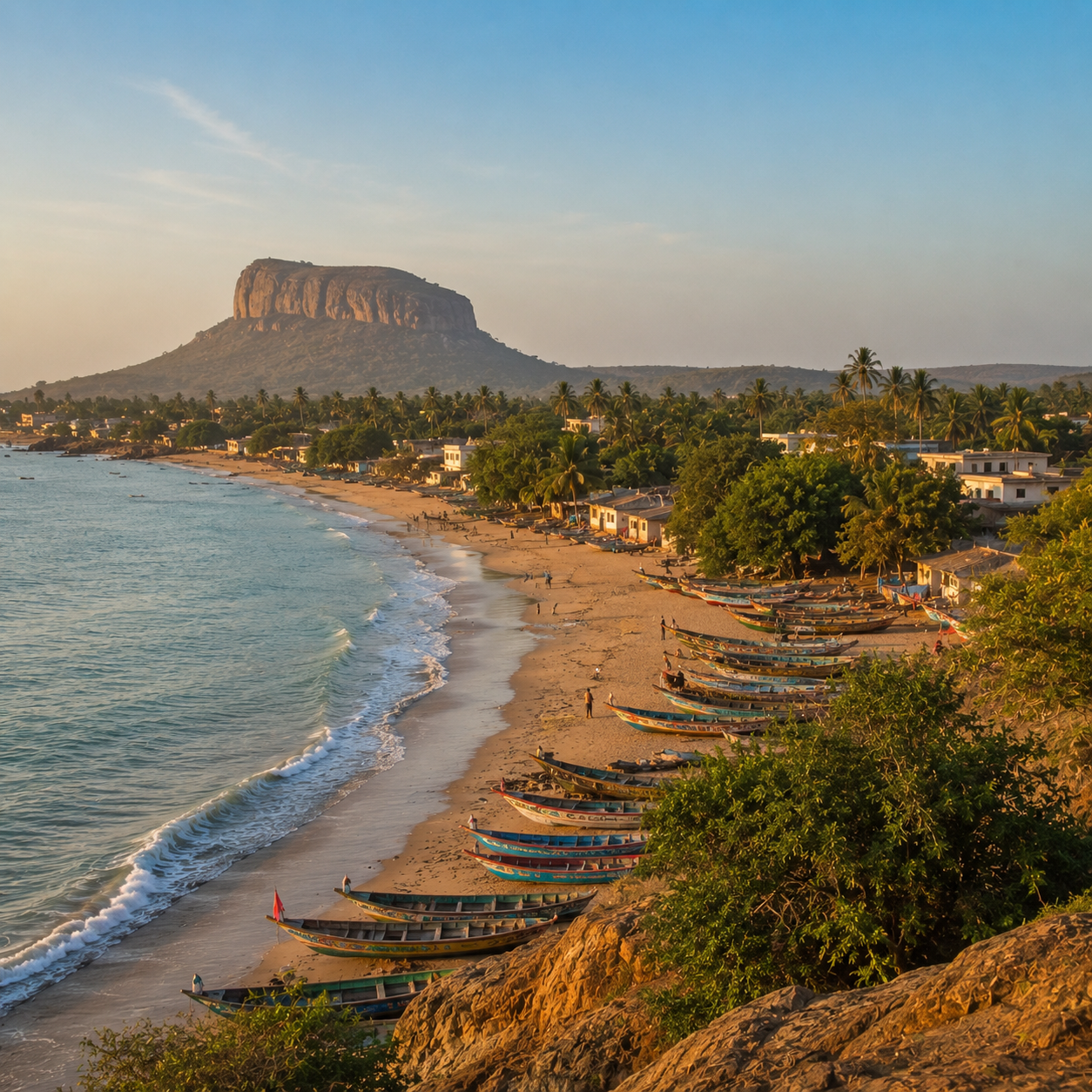
'Senegal is West Africa's most stable democracy and one of its most significant trading nations, a country whose Atlantic position, Dakar port infrastructure, and five centuries of maritime commerce heritage have made it the gateway through which Africa has engaged with the world's trade routes. Senegal's natural resource identity is anchored by agricultural exports of genuine geographic distinction and a gold mining sector of growing continental importance.
The Groundnut Basin of central Senegal, one of the world's most historically significant peanut growing regions, has defined Senegal's agricultural identity for over a century and continues to produce groundnut oil of genuine geographic character. The Casamance region of southern Senegal, isolated from the north by the Gambia River and characterised by a distinctive Guinean forest climate, produces mangoes of exceptional quality from a growing zone of genuine botanical distinction. And Senegalese hibiscus, dried and traded globally as bissap or sorrel, gives Senegal a leadership position in one of the world's fastest growing natural beverage ingredient markets.
In the southeastern Kedougou Region, where the Birimian greenstone belt crosses into Senegalese territory, the Sabodala-Massawa gold complex has established Senegal as a West African gold producer of continental significance.'
Senegal on Iferous.com
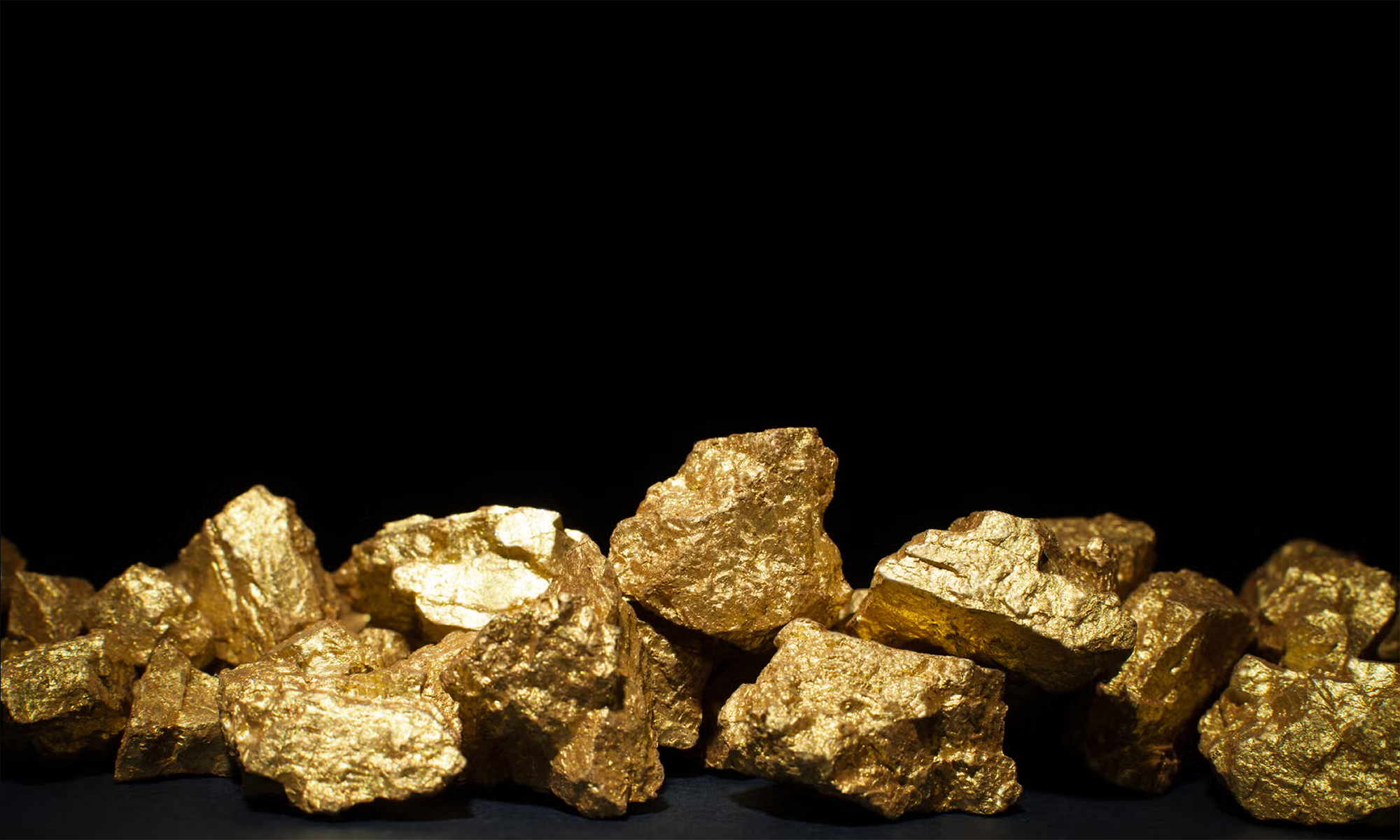
Senegal's Sabodala-Massawa gold complex in Kedougou Region, significantly expanded by Endeavour Mining with the high-grade Massawa and Sofia deposits, has established Senegal as a West African gold producer of continental significance, extracting ore from the Birimian greenstone belt system whose political stability, democratic governance, and Atlantic port access give Senegalese gold a sovereign supply chain reliability profile of premium distinction.
The Sabodala-Massawa mine development has transformed the Kedougou greenstone belt from an exploration frontier into a confirmed major gold province, with reserves and resources of a scale that supports long-term production at rates positioning Senegal among West Africa's top five gold producers. Senegal's democratic governance record, French legal system, and institutional framework provide procurement contacts with the rule-of-law foundation for long-term supply chain commitments that more politically volatile West African gold jurisdictions cannot match.
For procurement contacts seeking West African gold from a politically stable Atlantic-coast nation with an established large-scale operation, growing resource base, and regulatory framework built on sustained international investment confidence, Senegal's Sabodala-Massawa Auriferous value chain offers Birimian provenance and gateway nation positioning.
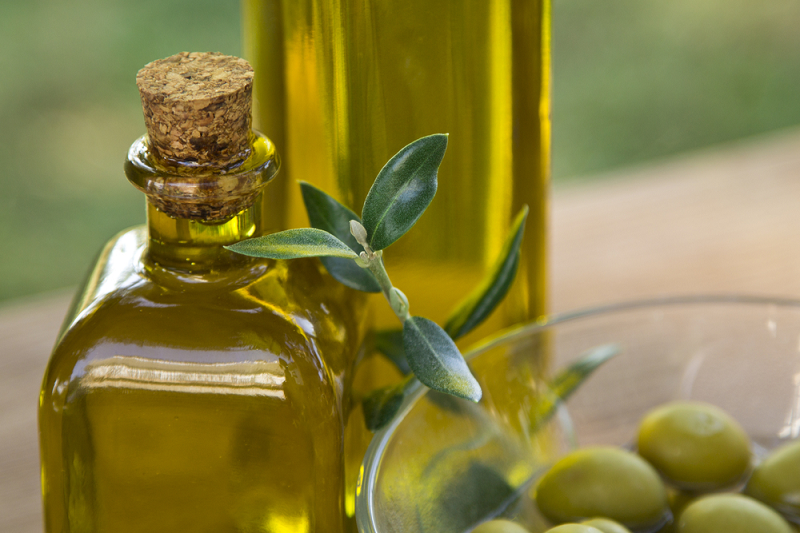
Senegalese groundnut oil from the Groundnut Basin, one of the world's most historically significant arachis hypogaea producing regions where French colonial agricultural development from the 1840s established peanut cultivation as Senegal's defining agricultural identity, produces a culinary oil of genuine Sahelian character anchored in over 180 years of commercial cultivation heritage.
The Groundnut Basin of central Senegal, encompassing the regions of Diourbel, Kaolack, Kaffrine, and Fatick, was developed as one of West Africa's most significant commercial agricultural zones specifically for peanut cultivation, with the combination of Sahelian sandy soils, seasonal rainfall of 400-700 millimetres, and the cultivation expertise of Wolof, Serer, and Pulaar farming communities producing peanuts and groundnut oil that sustained French West African trade for over a century.
Senegalese groundnut oil carries a specific flavour and fatty acid profile shaped by the Sahelian growing conditions, with the high oleic acid content of Senegalese groundnut varieties producing an oil of exceptional oxidative stability valued in both culinary and industrial applications. The traditional expression of groundnut culture in Senegalese cuisine, where pure groundnut oil is foundational to thieboudienne (the national dish), maafe, and other traditional preparations, gives the oil a cultural authenticity inseparable from Senegalese food identity. For procurement contacts in culinary oil, food manufacturing, and West African food heritage sectors seeking groundnut oil with documented Groundnut Basin provenance and Senegalese culinary heritage credentials, Senegalese Oleicultures' Oils value chain offers over 180 years of commercial agricultural distinction.
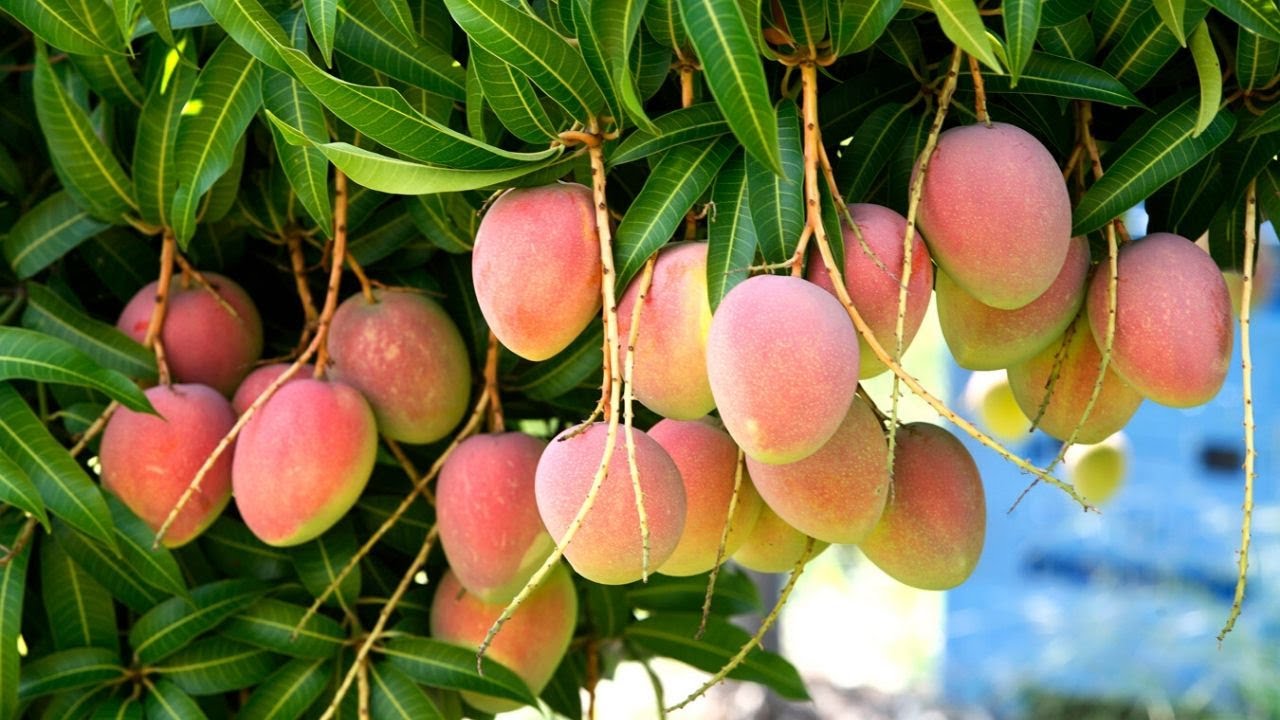
Casamance mangoes from the southern Senegalese region of Ziguinchor and Sedhiou, grown in the distinctive Guinean forest-climate zone south of the Gambia River where higher rainfall and more humid conditions than mainland Senegal produce mangoes of exceptional size, sweetness, and aromatic intensity, are among West Africa's most celebrated mango varieties and an emerging premium export product for European specialty fruit markets.
The Casamance region of southern Senegal, geographically separated from the rest of the country by the Gambia River and characterised by a Guinean forest microclimate receiving 1,000-1,500 millimetres of annual rainfall against the 400-700 millimetres of the Groundnut Basin, creates growing conditions for mango varieties including Keitt, Kent, and indigenous Casamance landraces of a quality and aromatic profile distinctively different from mangoes grown in the drier northern regions. Casamance mango trees, many growing on smallholder farms where traditional polyculture systems maintain the shade and soil biology that enhance fruit quality, produce large, deep-orange fleshed mangoes of low fibre content and high sugar-acid balance prized by specialty European retailers.
Senegal has developed significant mango export capacity through the Dakar airfreight network and Atlantic container shipping, with established operator connections to European import markets in France, Germany, and the United Kingdom. For procurement contacts in specialty fruit import, premium retail, and West African produce sectors seeking Casamance mangoes with documented southern Senegal provenance, distinctive Guinean climate character, and established Atlantic export logistics, Senegalese pomiculture's Fruits value chain offers mango provenance of regional distinction and emerging premium export identity.
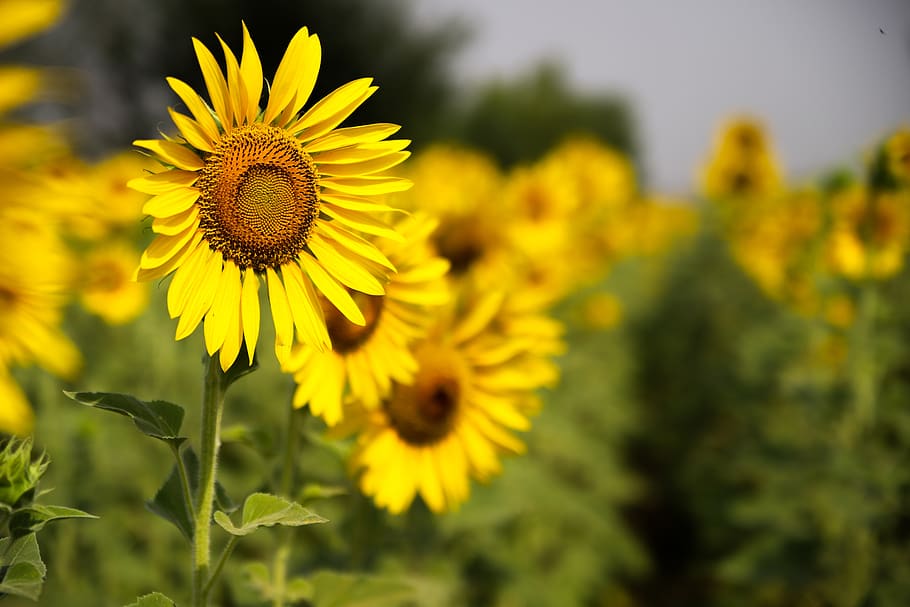
Senegal is one of the world's leading exporters of dried Hibiscus sabdariffa calyces, known locally as bissap and internationally as sorrel, roselle, or karkade, whose deep crimson dried flower provides the world's fastest-growing natural botanical beverage market with an anthocyanin-rich ingredient of intense colour, tart fruity flavour, and documented bioactive properties that positions Senegalese bissap at the intersection of functional food, natural beverage, and traditional wellness markets.
Hibiscus sabdariffa cultivation in Senegal is concentrated in the northern regions of Saint-Louis and Louga and the central Groundnut Basin, where the plant's drought tolerance and short growing season align well with Sahelian agricultural conditions. Senegalese bissap, produced both by large commercial farms and the extensive smallholder network that supplies domestic and export markets, has been a cornerstone of Senegalese social culture for centuries as the deep red sweet-tart cold beverage served at ceremonies and celebrations across the country.
The global functional beverage, natural ingredient, and plant-based food market's rapid growth has elevated Hibiscus sabdariffa from a regional traditional ingredient to a globally traded botanical commodity of significant commercial importance, with documented clinical research on hibiscus calyx extracts for blood pressure modulation, antioxidant activity, and anti-inflammatory properties driving nutraceutical market demand. For procurement contacts in natural beverage ingredients, functional food, herbal extract, and specialty food colour sectors seeking dried hibiscus with documented Senegalese provenance, consistent anthocyanin content, and the cultural authenticity of West Africa's most celebrated natural beverage ingredient, Senegalese floriculture's Flowers value chain offers bissap provenance of traditional heritage and functional food market distinction.

IFEROUS+ - Aligning with Senegal's sovereign resource identity across Sabodala-Massawa Birimian gold, Groundnut Basin peanut oil of 180 years of commercial agricultural heritage, Casamance premium mangoes of distinctive Guinean climate character, and West African bissap hibiscus at the heart of the global functional botanical beverage market, we are building integrated value chain partnerships across West Africa's most stable democratic gateway nation.
Call our London Office on 020 3355 1985 or email plus@iferous.com to connect with our strategists and discuss opportunities.