
-
Resources
- Precious Metals
- Battery Metals
- Industrial Metals
- Nuclear Energy
-
.cultures
- Timbers / Silvicultures
- Cottons / Gossypicultures
- Rubbers / Heveacultures
- Grains / Granicultures
- Oils / Oleicultures
- Sugars / Saccharicultures
- Coffees / Coffeicultures
- Cacaos / Cacaocultures
- Teas / Theicultures
- Flowers / Floricultures
- Fruits / Pomicultures
- Vegetables / Olericultures
- Citruses / Citricultures
-
Regions
- .IFEROUS+
- About
Bangladesh
'Where Bengal Basin Natural Gas, Sylhet Highland Tea, and the World's Most Productive Delta Soils Define a Nation of Extraordinary Agricultural Depth'

'Bangladesh is one of the world's most densely populated nations and one of its most hydrologically remarkable, a delta republic formed at the confluence of the Ganges, Brahmaputra, and Meghna river systems whose annual flood cycle deposits mineral-rich alluvium across the agricultural lowlands that sustain 170 million people on a territory smaller than England. The Bengal Delta is the world's largest active river delta and one of its most biologically productive landscapes.
The Bengal Basin beneath Bangladesh's sedimentary lowlands contains significant natural gas reserves whose Bibiyana and Rashidpur fields have supplied the national grid and industrial consumers for decades, establishing Bangladesh as a gas-producing nation of South Asian regional significance. The Sylhet highlands in the northeast, a landscape of ancient tea gardens established under British colonial management, produce teas of distinctive character from one of South Asia's most historically significant growing regions.
The Fazli mango of Rajshahi, the jackfruit whose extraordinary size and complex flavour makes it Bangladesh's national fruit, and the delta rice cultivated across the most mineralogically fertile alluvial plain on earth together complete a sovereign agricultural identity rooted in the exceptional productivity of a landscape built by the accumulated sediments of two of Asia's greatest river systems.'
Bangladesh on Iferous.com
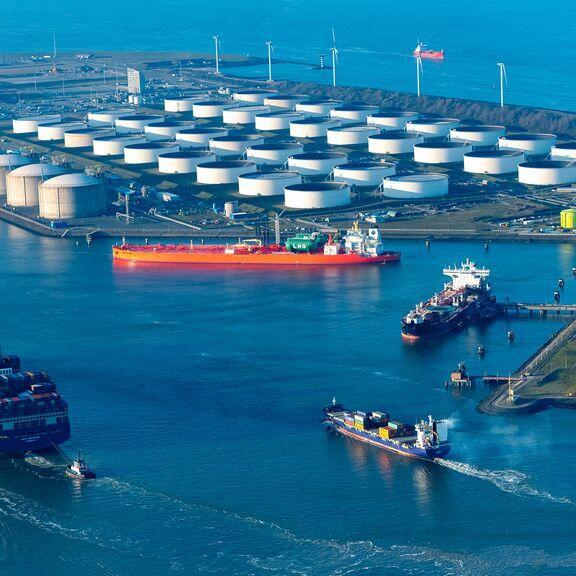
Bangladesh's Bengal Basin natural gas reserves, anchored by the Bibiyana supergiant field in Sylhet Division and the Rashidpur, Titas, Habiganj, and Bakhrabad fields of the northeastern and central gas provinces, have supplied the national power grid, fertiliser industry, and industrial consumers with domestically produced gas for over five decades, establishing Bangladesh as South Asia's most gas-dependent industrialising economy.
The Bengal Basin, a deep Tertiary sedimentary basin filled by the accumulated deposits of the Ganges and Brahmaputra river systems over millions of years, contains natural gas in anticlinal traps within the Miocene and Pliocene sandstone sequences of the Surma and Sylhet formations. The Bibiyana gas field, discovered in 1998 and developed by Chevron Bangladesh as the country's largest single producing field, holds reserves of significant national strategic importance, supplying over thirty percent of Bangladesh's total gas production at peak output and anchoring the country's fertiliser manufacturing industry at the Shahjalal Fertiliser Complex.
Bangladesh's offshore Bay of Bengal blocks hold additional prospective gas resources that international operators including Chevron, Shell, and POSCO have evaluated, with deep water exploration offering the potential to extend Bangladesh's gas resource base beyond the proven onshore fields. For energy sector procurement contacts and strategic partners in the South Asian gas market seeking engagement with Bangladesh's gasiferous resource base, the Bengal Basin's proven production heritage and offshore frontier potential offer a sovereign energy asset of national industrial importance.
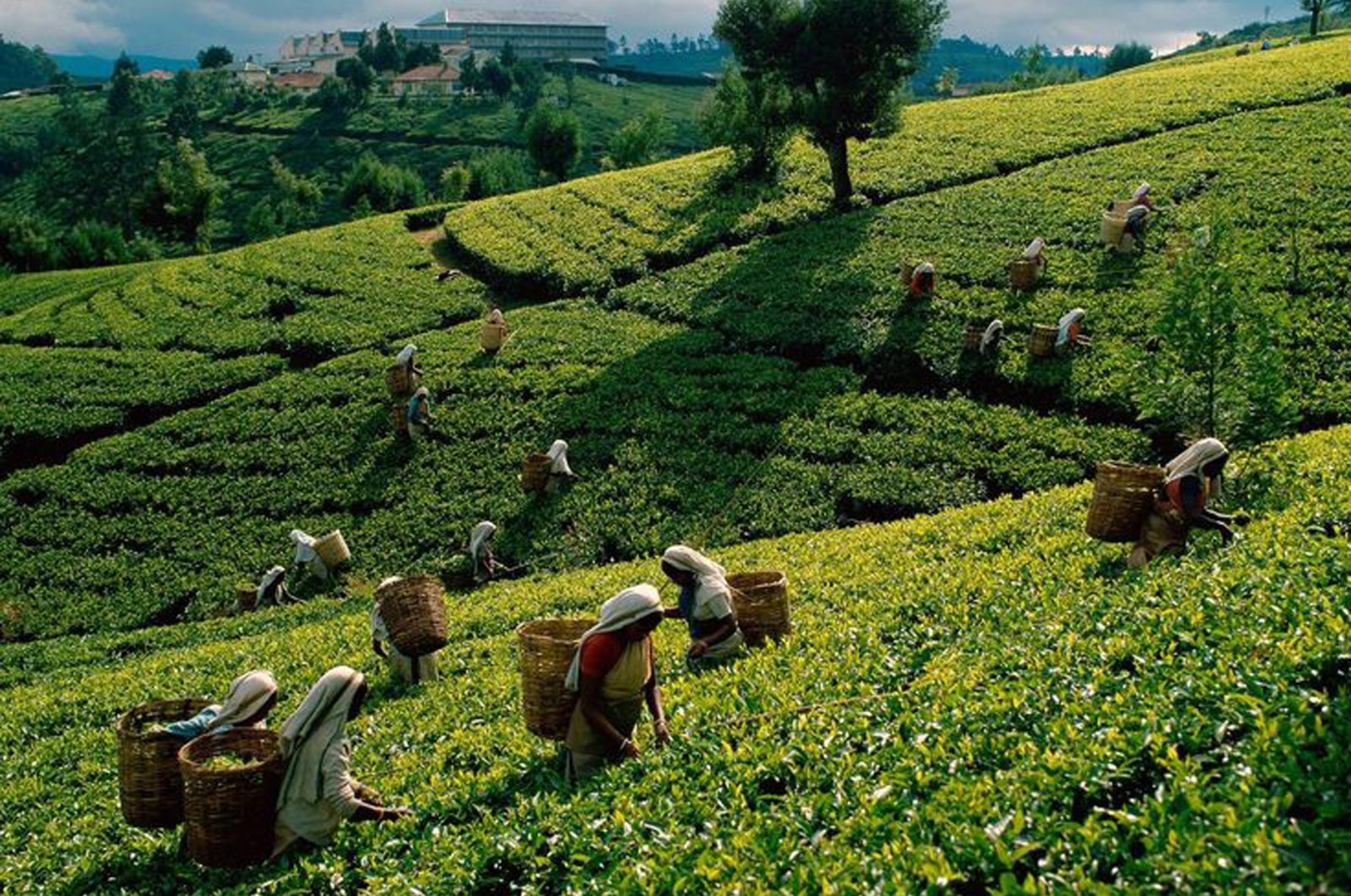
Bangladesh's Sylhet Division, and specifically the Sreemangal area of Moulvibazar District known as the Tea Capital of Bangladesh, contains the world's highest density of tea gardens within a single landscape, its rolling hillsides covered by over 150 tea estates producing black tea of bright, brisk character from growing conditions of exceptional humidity and mineral-rich laterite soil derived from the Sylhet hill systems.
The Sreemangal growing area, at elevations of 15-180 metres in the foothills of the Sylhet hills bordering the Cachar district of Assam, benefits from the specific combination of high annual rainfall exceeding 3,000 millimetres, persistent morning mist, well-drained laterite soils, and the warm humid temperature of the sub-tropical highland zone that produces Camellia sinensis leaf of above-average polyphenol content and the bright copper liquor that Bangladeshi and international tea blenders specify for CTC black tea formulations.
Bangladesh's tea industry, administered through the Bangladesh Tea Board established in 1951 as successor to the colonial-era management structure, produces predominantly CTC grades from a dual-harvest annual cycle with the main crop season from June through November yielding the majority of production. Several Bangladeshi estates have received awards at the Dhaka international tea competition for quality teas that compare favourably with Assam equivalents from the same geological and climatic zone. For procurement contacts in commercial tea blending, South Asian origin sourcing, and specialty tea markets seeking Sylhet and Sreemangal black tea with documented Bangladesh highland provenance and Bangladesh Tea Board certification, Bangladeshi Theicultures' Teas value chain offers the world's most densely tea-gardened landscape and a South Asian origin of established commercial heritage.
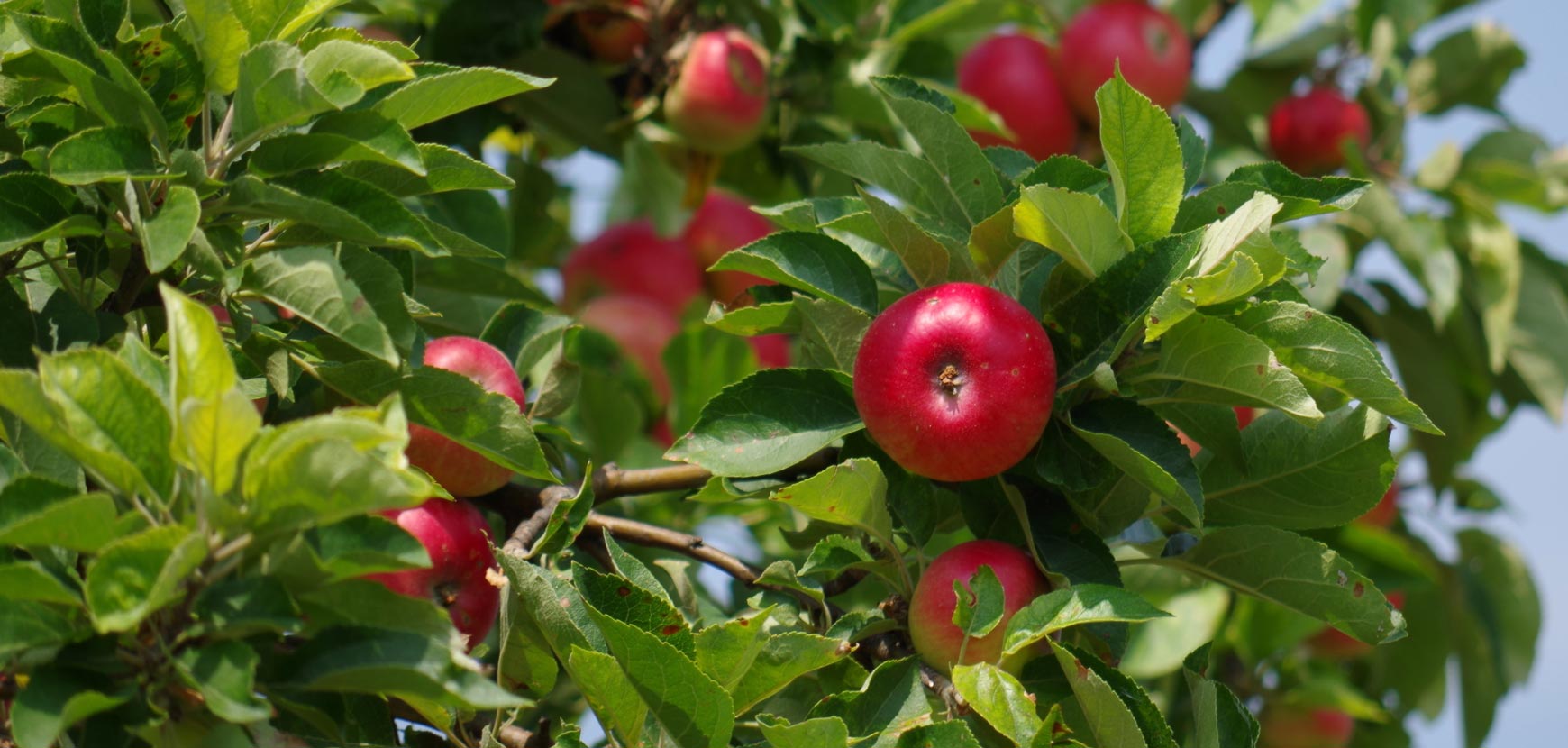
Bangladesh's Fazli mango from the Rajshahi and Chapai Nawabganj districts, and the jackfruit designated Bangladesh's national fruit whose Artocarpus heterophyllus specimens growing across the country produce the world's largest tree-borne fruit with a complex sweet flavour and remarkable nutritional density, together define a fruit heritage of South Asian distinction rooted in the mineral-rich alluvial soils of the Ganges floodplain.
The Fazli mango, a late-season variety ripening in July and August in the Rajshahi Division's Barind Tract region, is distinguished among Bangladesh's extensive mango varieties for its large fruit size, thick golden-yellow skin, low fibre flesh of distinctive sweetness, and exceptional shelf life relative to other South Asian mango varieties. The Barind Tract's specific combination of deep alluvial soil, hot summer temperatures, and the mineral-rich groundwater of the Ganges basin creates growing conditions that produce mangoes of a sucrose concentration and aromatic complexity that the Bangladesh Mango Exporters Association is actively developing for European and Middle Eastern premium markets.
Jackfruit, Artocarpus heterophyllus, grows across the length and breadth of Bangladesh as a subsistence and commercial crop of extraordinary versatility, its unripe green flesh used as a vegetable protein substitute, its ripe yellow flesh eaten fresh or dried, and its seeds roasted as a nutritious snack. The individual jackfruits of Bangladesh, some specimens reaching 40-50 kilograms on a single tree, represent the world's largest tree-borne fruit and a food crop whose protein content, vitamin B complex, and micronutrient richness are generating international functional food market interest. For procurement contacts in premium South Asian fruit, jackfruit ingredient, and tropical produce sectors seeking Fazli mango with Rajshahi alluvial provenance and jackfruit of national fruit heritage significance, Bangladeshi Pomicultures' Fruits value chain offers the agricultural wealth of the world's largest delta system.
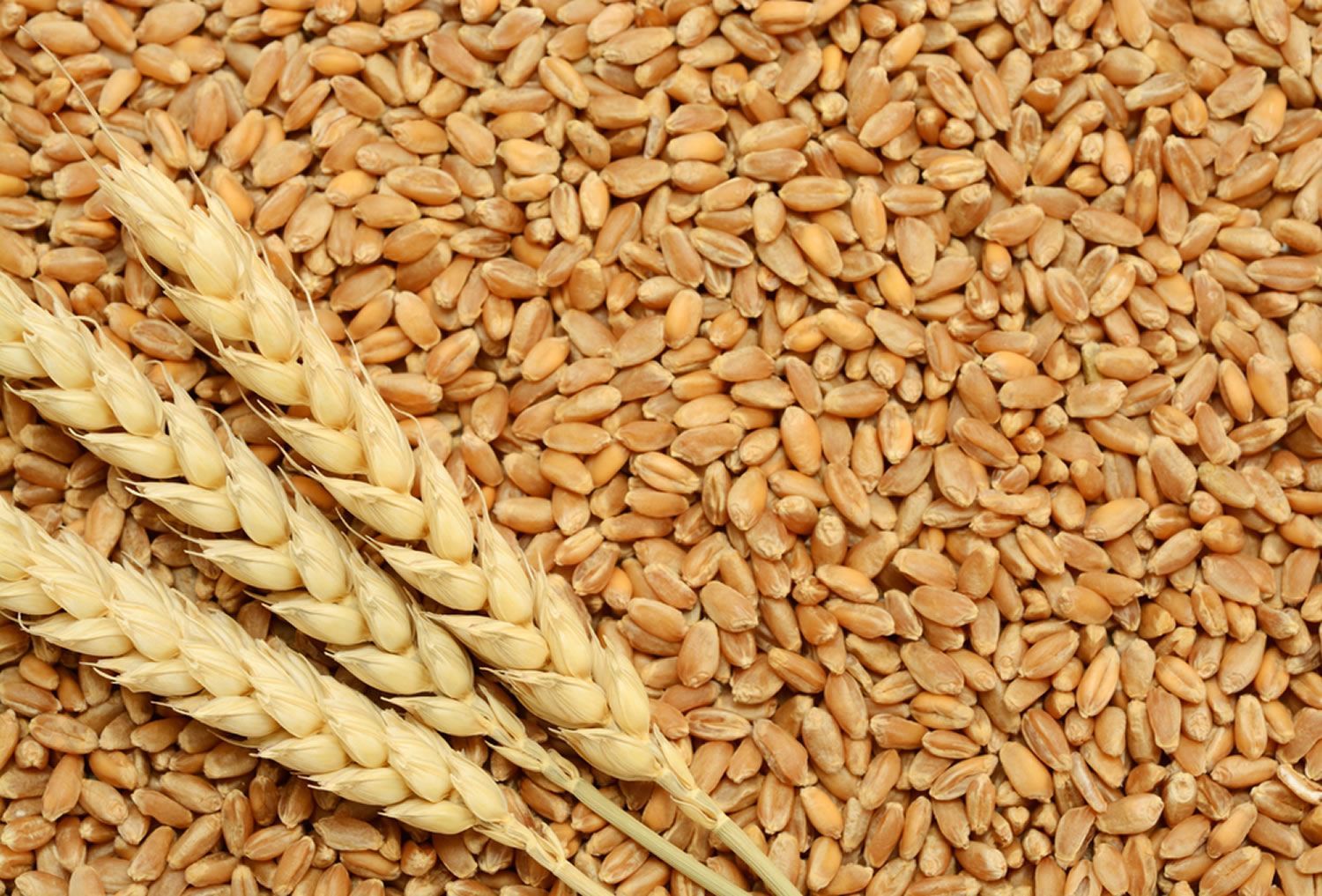
Bangladesh's delta rice, cultivated across the Ganges-Brahmaputra-Meghna floodplain on alluvial soils of extraordinary mineral richness built by the annual deposition of sediments from two of Asia's greatest river systems, supports the world's most intensive rice cultivation landscape where three distinct cropping seasons -- Aus, Aman, and Boro -- are sustained by the unique hydrological cycle of the world's largest active river delta.
The Bengal Delta's annual flood pulse, which deposits fresh mineral-rich sediment across the agricultural lowlands each monsoon season, provides a natural fertilisation system of unmatched generosity that has sustained continuous rice cultivation in Bangladesh for over four thousand years without the soil exhaustion that afflicts non-delta intensive farming systems. The Aman wet season crop, planted into the receding floodwaters and harvested in November and December, is the most culturally significant rice production cycle in Bangladesh, with aromatic varieties including Kataribhog and Tulaipanji from the Dinajpur and Rajshahi regions achieving premium market recognition for their fragrance and cooking quality.
Bangladesh's rice research programme, conducted through the Bangladesh Rice Research Institute (BRRI) which has released over 100 improved varieties since its establishment in 1970, has made the country self-sufficient in rice production and a contributor to global rice genetic research whose flood-tolerant and saline-tolerant varieties are of growing significance to climate adaptation programmes worldwide. For procurement contacts in specialty grain, aromatic rice, and South Asian food ingredient sectors seeking Bengali aromatic rice varieties with documented delta alluvial provenance, three-season cultivation heritage, and the mineral richness of the world's most geologically productive floodplain soils, Bangladeshi Granicultures' Grains value chain offers rice of delta depth and civilisational agricultural heritage.

IFEROUS+ - Aligning with Bangladesh's sovereign resource identity across Bengal Basin natural gas anchoring the national industrial energy system, Sreemangal highland tea from the world's most densely tea-gardened landscape, Rajshahi Fazli mango and the national jackfruit from the Ganges alluvial plain, and delta rice cultivated on the world's most mineralogically generous floodplain soils across three annual harvest seasons, we are building integrated value chain partnerships across the Land of Rivers.
Call our London Office on 020 3355 1985 or email plus@iferous.com to connect with our strategists and discuss opportunities.