
-
Resources
- Precious Metals
- Battery Metals
- Industrial Metals
- Nuclear Energy
-
.cultures
- Timbers / Silvicultures
- Cottons / Gossypicultures
- Rubbers / Heveacultures
- Grains / Granicultures
- Oils / Oleicultures
- Sugars / Saccharicultures
- Coffees / Coffeicultures
- Cacaos / Cacaocultures
- Teas / Theicultures
- Flowers / Floricultures
- Fruits / Pomicultures
- Vegetables / Olericultures
- Citruses / Citricultures
-
Regions
- .IFEROUS+
- About
Spain
'Five Thousand Years of Copper, and the World Still Comes to Spain'
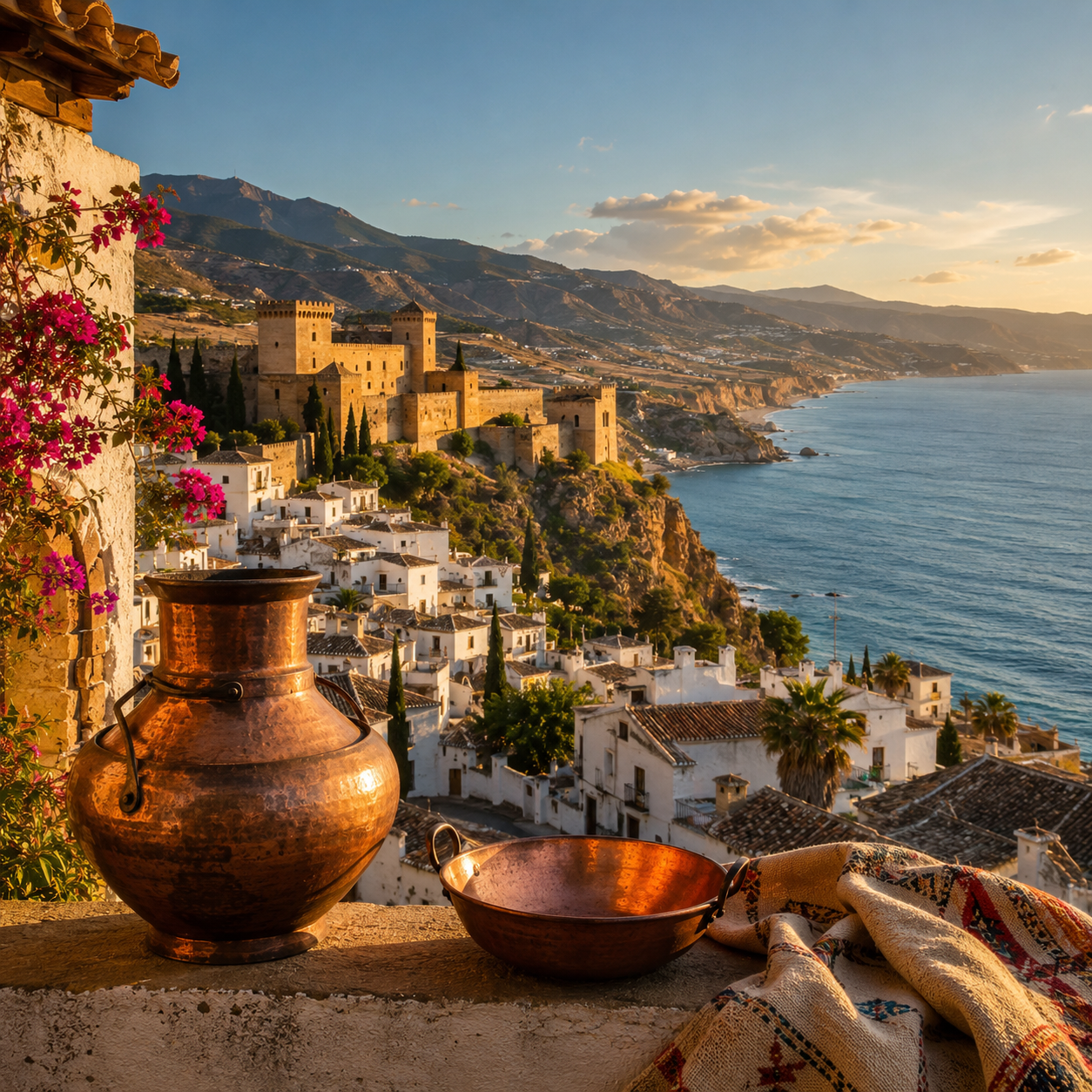
'Spain is a trading nation of extraordinary depth, an economy where ancient mineral wealth, agricultural abundance, and modern industrial capacity coexist within one of Europe's most geographically diverse territories. From the orange groves of Valencia to the olive estates of Andalusia and the vineyards of La Rioja, Spanish agricultural exports carry some of the world's most recognised geographic identities.
The maritime heritage of Spain opened global trade routes that connected Iberian resources to markets across four continents. Spanish olive oil, cured meats, saffron from La Mancha, and Manchego cheese represent a portfolio of agricultural exports defined by their geographic singularity and the scientific distinctiveness of their production environments.
Beneath the Andalusian landscape, the Iberian Pyrite Belt contains one of the world's great concentrations of copper and polymetallic mineralisation. This geological formation, stretching from Portugal into southern Spain, has produced copper continuously for five thousand years, a record of human extraction that begins before written history and continues into the present day.'
Spain on Iferous.com
The Rio Tinto mining complex in Andalusia is among the world's oldest continuously worked copper deposits, a geological formation of extraordinary richness and unbroken human heritage.
The Rio Tinto deposit in Huelva Province sits within the Iberian Pyrite Belt, a geological structure containing some of the world's highest concentrations of massive sulphide ore. The copper-bearing formations are hosted within Devonian and Carboniferous volcanic sequences, producing ore bodies of both exceptional grade and remarkable lateral continuity.
Extraction at Rio Tinto has been documented since at least 3000 BCE, with Phoenician, Roman, Moorish, and modern industrial operations each leaving a geological and archaeological record. The Romans extracted an estimated 20 million tonnes of ore from the site, establishing processing techniques that informed European metallurgy for centuries.
For procurement contacts requiring copper with the deepest documented extraction heritage in the world, the Rio Tinto and Iberian Pyrite Belt value chain offers geological provenance spanning fifty centuries, EU regulatory compliance, and metallurgical quality certified to LME Grade A standards.
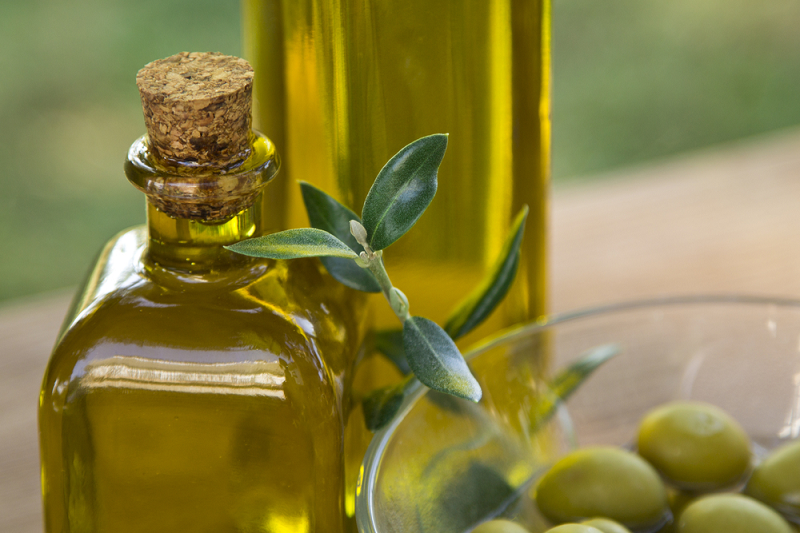
Jaen province in Andalusia is the world's most productive olive oil territory, its Picual cultivar producing oil of documented maximum polyphenol content and exceptional oxidative stability that makes it the benchmark for high-phenolic Spanish extra virgin olive oil.
The province of Jaen in northern Andalusia contains over 66 million olive trees covering more than 600,000 hectares, making it the world's single most concentrated olive oil producing territory. The Picual variety, representing over 90% of Jaen's cultivation, carries the highest natural polyphenol concentration of any Spanish olive oil cultivar, a chemical characteristic shaped by the province's continental climate, high altitude growing conditions of 400 to 900 metres, and the calcareous clay soils of the Sierra Morena and pre-Betic ranges.
The documented polyphenol content of Picual oil from Jaen, consistently among the highest measured for any single-origin extra virgin olive oil globally, confers exceptional oxidative stability, a shelf-stable oil that resists rancidity far longer than lower-polyphenol cultivars. This stability, combined with the oil's distinctive robust, slightly peppery flavour profile, has made Jaen the benchmark for high-phenolic olive oil in the growing health-functional food market. The Sierra Magina DOP and multiple other Jaen protected frameworks cover production within rigorous chemical and sensory parameters.
For procurement contacts in the premium food, nutraceutical, and culinary oil sectors seeking extra virgin olive oil with documented maximum polyphenol content, EU DOP protection, and the supply scale of the world's largest single olive oil producing territory, Jaen's Oleicultures value chain offers the benchmark combination of health-functional chemistry, Spanish DOP provenance, and production volume reliability.
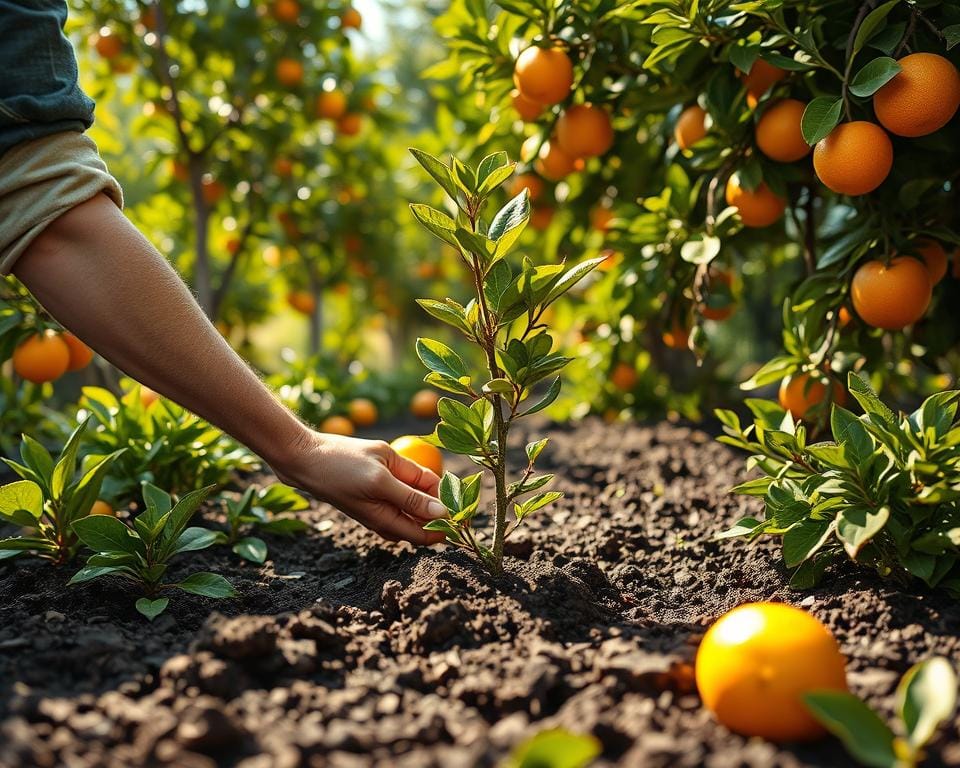
The Valencia Community produces the world's most geographically recognised citrus identity, with Valencia oranges and the Clementina de las Tierras de Castellon PGI representing Spanish citrus cultivation at its most scientifically documented and commercially prestigious.
The Valencia Community has been the world's most significant commercial citrus producing region for over a century, with Valencia oranges exported to European markets representing one of the earliest and most enduring geographic food identities in global trade. The specific combination of Mediterranean microclimate, the moderating influence of the sea, rich alluvial huerta soils, and irrigation systems dating to Moorish engineering give Valencia's citrus a flavour balance of sweetness and acidity documented as distinct from citrus grown in other Mediterranean producing regions.
The Clementina de las Tierras de Castellon, produced in the growing zones of Castellon Province under PGI protection, represents Spain's most rigorously certified clementine variety. The Clemenules and Hernandina varieties cultivated in this designated zone develop their characteristic ease of peeling, seedless flesh, and balanced sugar-acid ratio through specific soil and microclimate conditions of the Castellon coastal plain, producing fruit of consistent quality that has made Spanish clementines the dominant premium clementine in European markets from October through January.
For procurement contacts in the fresh produce, food processing, juice manufacturing, and premium grocery sectors seeking citrus with EU PGI protection, documented Mediterranean terroir character, and the supply reliability of the world's most established citrus export territory, Spanish citriculture's Citruses value chain offers provenance, specification consistency, and the commercial heritage of a century of documented European citrus leadership.
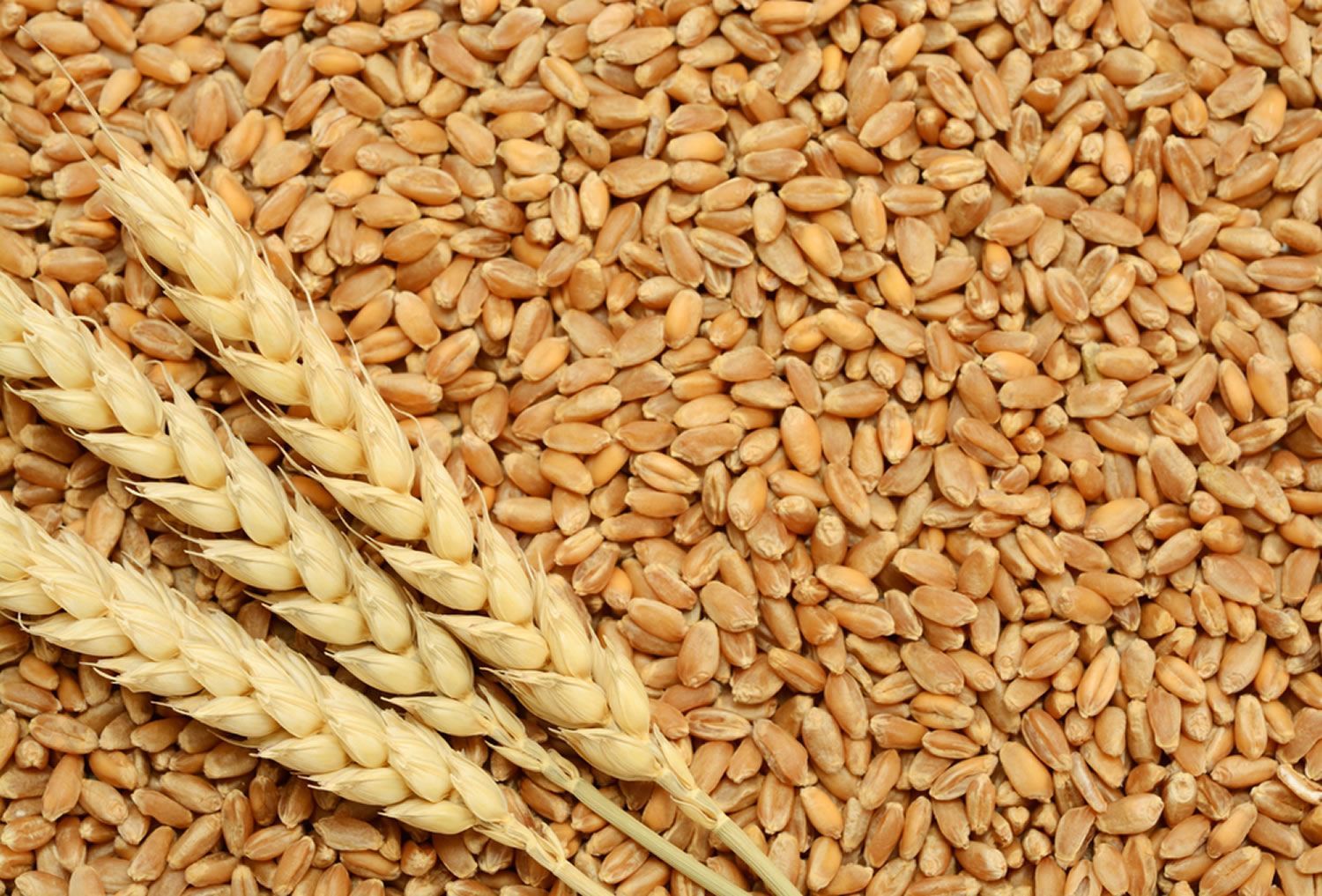
Calasparra rice, grown in the mountain spring-fed terraces of Murcia's river gorges and holder of Spain's oldest rice Designation of Origin, is Europe's most geographically distinctive short-grain rice, its unique absorption capacity a product of slow mountain stream irrigation and highland growing conditions found nowhere else in European rice cultivation.
The Calasparra rice Denomination of Origin, established in 1986 as Spain's first rice DOP and one of the world's earliest geographic protections for any rice variety, covers production in the terraced paddies of the Segura and Mundo river gorges in Murcia, where mountain spring water of exceptional clarity feeds the rice plants throughout the growing season. The Calasparra and Bomba varieties grown under this DOP develop a starch structure specifically shaped by the slow water flow, high altitude of 300 to 600 metres, and extended growing season of the highland gorge terraces.
The Bomba variety of Calasparra rice carries the most documented absorptive capacity of any short-grain rice in the world, capable of absorbing up to three times its volume in cooking liquid while maintaining grain integrity without becoming sticky or breaking down. This property, a direct function of the amylose-to-amylopectin ratio developed under Calasparra's specific growing conditions, makes Bomba the preferred rice of Spain's most technically rigorous paella traditions, absorbing maximum flavour from cooking stock while releasing minimum surface starch.
For procurement contacts in the premium food service, high-end grocery, and culinary ingredient sectors seeking short-grain rice with the world's most documented geographic protection, scientifically characterised superior absorption performance, and the heritage of Spain's oldest rice Designation of Origin, Calasparra's Granicultures value chain offers grain provenance and culinary performance credentials unmatched in European rice production.

IFEROUS+ - Aligning with Spain's multi-dimensional sovereign resource identity across Rio Tinto copper, Jaen high-phenolic olive oil, Valencia and Castellon citrus, and Calasparra DOP rice, we are building integrated value chain partnerships that span the nation's most scientifically distinctive assets, connecting global procurement contacts with the provenance documentation and long-term supply relationships that irreplaceable Spanish resources command.
Call our London Office on 020 3355 1985 or email plus@iferous.com to connect with our strategists and discuss opportunities.