-
Resources
- Precious Metals
- Battery Metals
- Industrial Metals
- Nuclear Energy
-
.cultures
- Timbers / Silvicultures
- Cottons / Gossypicultures
- Rubbers / Heveacultures
- Grains / Granicultures
- Oils / Oleicultures
- Sugars / Saccharicultures
- Coffees / Coffeicultures
- Cacaos / Cacaocultures
- Teas / Theicultures
- Flowers / Floricultures
- Fruits / Pomicultures
- Vegetables / Olericultures
- Citruses / Citricultures
-
Regions
- .IFEROUS+
- About
Tanzania
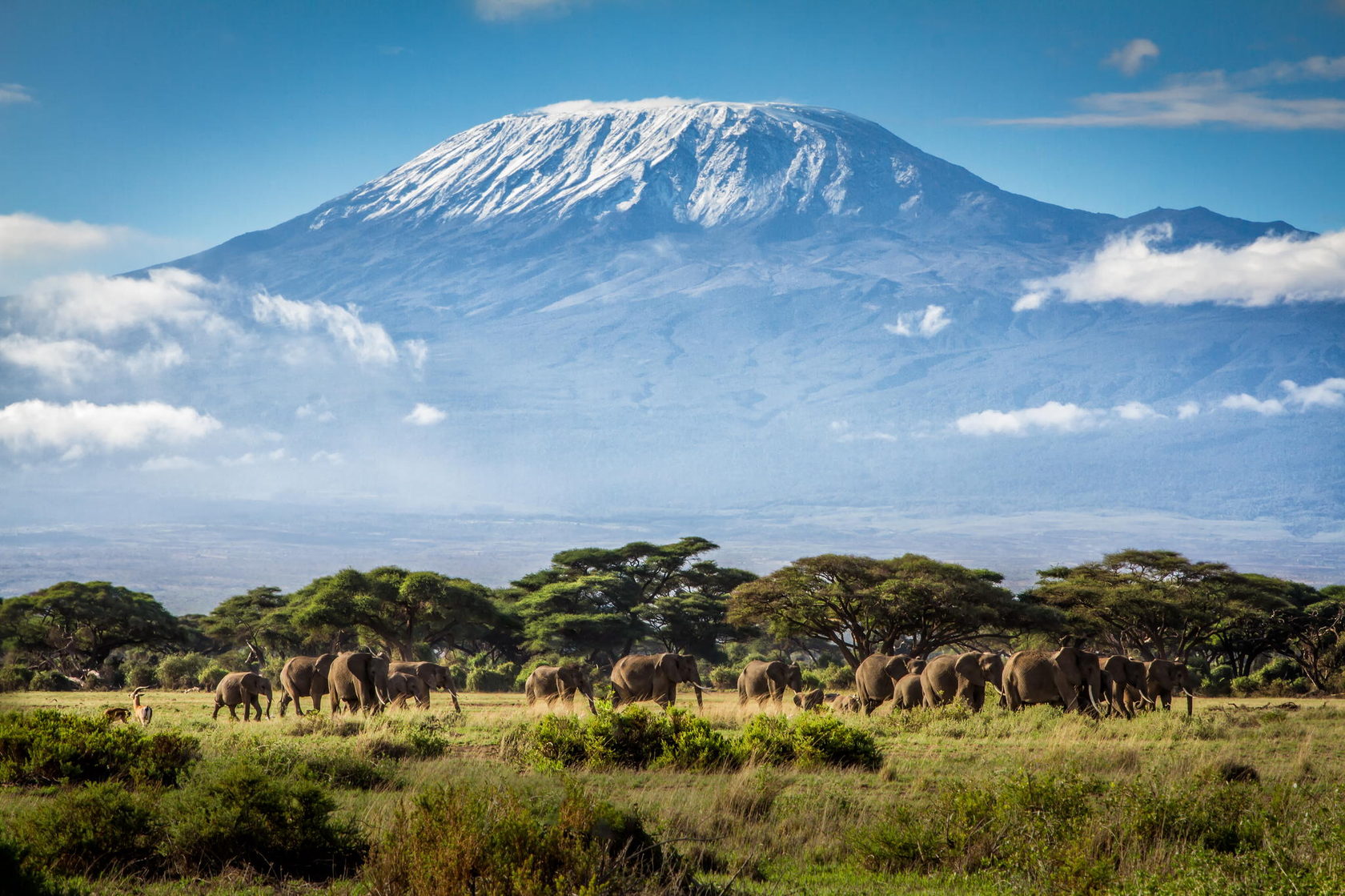
'The Land of Kilimanjaro and Gold, Where Ancient Geology and Spice Heritage Define a Continental Giant'
'Tanzania is one of Africa's most naturally abundant nations, a country whose landscape spans the Serengeti, Kilimanjaro, Zanzibar, and the Lake Victoria goldfields, a geographic diversity underpinning a natural resource portfolio of extraordinary breadth. Tanzanite, found only in a single small zone near Kilimanjaro, adds a gemstone identity without geological parallel.
The agricultural and spice heritage of Tanzania carries internationally recognised geographic distinction. Kilimanjaro arabica coffee from the volcanic slopes of Africa's highest mountain, Zanzibar cloves which once supplied the entire world's clove demand, ylang-ylang from the Zanzibar archipelago whose flowers supply the global perfume industry, and Usambara highland tea represent an export portfolio of genuinely irreplaceable geographic character.
Beneath the Archaean greenstone belts of the Lake Victoria basin and the Tanzania Craton, gold mineralisation systems of world-class significance have been documented and developed into some of Africa's most productive precious metal operations. Tanzania's Bulyanhulu and Geita mines represent a gold producing province of continental importance.'
Tanzania on Iferous.com
Tanzania's Lake Victoria goldfields, anchored by the Bulyanhulu and Geita operations within Archaean greenstone belts of 2.5 to 3.0 billion years antiquity, represent one of Africa's most significant gold producing provinces and position Tanzania among the continent's top three gold producers by annual output.
The Bulyanhulu mine, operated by Barrick Gold Corporation, extracts ore from narrow high-grade quartz veins of exceptional gold content, consistently among the highest-grade underground gold operations in Africa. The Geita Gold Mine, one of the continent's largest open-pit operations, draws from the same Lake Victoria greenstone belt, and together with North Mara forms a gold cluster of continental significance. The sustained investment of Barrick and AngloGold Ashanti reflects confidence in both geological prospectivity and institutional stability.
For procurement contacts seeking African gold from a geologically documented, institutionally credentialed source, Tanzania's Lake Victoria goldfields offer production provenance and long-term supply reliability from one of the continent's most productive auriferous geological terranes.
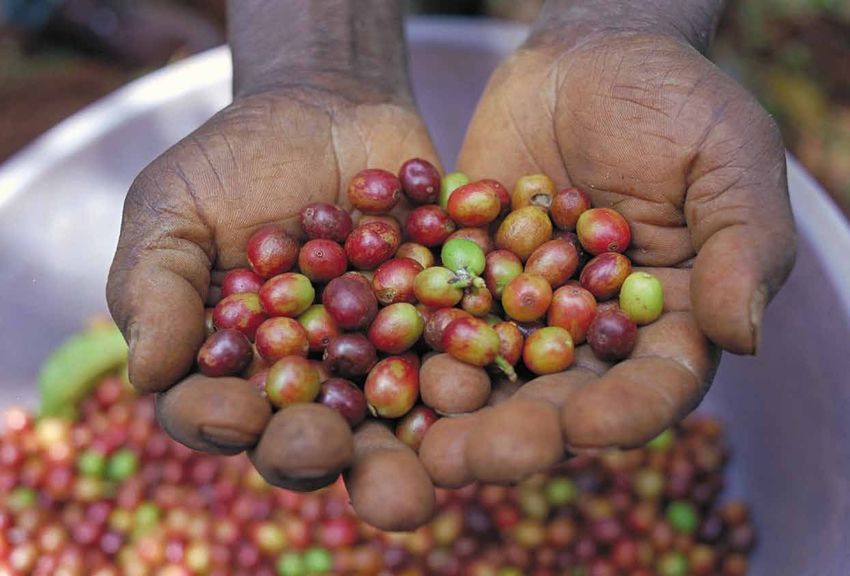
Kilimanjaro arabica coffee, grown on the volcanic slopes of Africa's highest mountain in the Kilimanjaro, Arusha, and Mbeya highland zones, produces a distinctive bright, complex cup shaped by altitude, volcanic soil mineralogy, and the washing station traditions of Tanzanian cooperative processing.
Tanzania Peaberry, the naturally occurring single-bean mutation within the coffee cherry that forms approximately five to ten percent of any crop, achieves particular commercial distinction in Tanzanian highland coffees, concentrating the bean's flavour compounds into a single dense seed that roasters consistently identify as producing a cup of unusual brightness and aromatic intensity. Tanzanian Peaberry from the Kilimanjaro and Mbeya growing zones has built a following in specialty coffee markets in Japan, the United States, and Europe that commands significant price premiums over standard Tanzanian arabica.
The coffee cooperative and washing station infrastructure of northern Tanzania, built around the Kilimanjaro Native Cooperative Union dating from 1932, represents one of Africa's most historically significant farmer cooperative systems, providing the traceability and consistent quality documentation that specialty coffee buyers require for single-origin certification.
For procurement contacts in the specialty coffee sector seeking Tanzanian Kilimanjaro arabica or Peaberry with documented origin, cooperative traceability, and the volcanic altitude character of East Africa's most celebrated highland coffee, Tanzanian coffeiculture's Coffees value chain offers provenance of geological altitude and cooperative heritage.
Zanzibar clove oil, distilled from the Syzygium aromaticum clove tree cultivated across the island archipelago whose nineteenth century production once supplied the entire global clove market, is one of the world's most commercially significant spice essential oils, anchoring the food, pharmaceutical, and cosmetics industries in eugenol-based formulations.
The Sultan of Oman's introduction of clove cultivation to Zanzibar in the early nineteenth century created what became the world's most significant clove producing economy, with Zanzibar and the adjacent island of Pemba at peak production supplying the majority of global clove demand. The humid tropical climate, deep coral rag soils, and consistent maritime conditions of the Zanzibar archipelago produced cloves and extracted clove oil of exceptional eugenol purity, the phenolic compound responsible for both the characteristic aroma and the pharmaceutical applications in dentistry, anaesthesia, and antiseptic formulations.
Zanzibar clove oil, extracted by steam distillation from both the dried bud and leaf, carries a eugenol content of 70-85% in bud oil and 80-90% in leaf oil, placing it among the highest eugenol-concentration natural essential oils available commercially. This chemical consistency, combined with the documented geographic origin of Zanzibar production, makes it a preferred source for pharmaceutical manufacturers requiring traceability.
For procurement contacts in the pharmaceutical, flavour, fragrance, and functional food sectors seeking clove essential oil with documented Zanzibar archipelago provenance, high eugenol certification, and the historic commercial identity of the world's former clove capital, Tanzanian Zanzibar Oleicultures' Oils value chain offers provenance of spice heritage and pharmaceutical-grade chemical distinction.

Zanzibar ylang-ylang, the intensely floral essential oil distilled from the Cananga odorata flower cultivated across the Zanzibar archipelago, supplies the global luxury perfume industry with one of its most structurally important aromatic materials, its complex chemical profile forming the floral heart of countless signature fragrances.
Ylang-ylang, literally the flower of flowers in Tagalog, was introduced to the Zanzibar archipelago from Southeast Asia and adapted exceptionally well to the islands's tropical maritime conditions. The specific combination of Zanzibar's volcanic and coral soil chemistry, consistent humidity, and Indian Ocean temperature moderation produces ylang-ylang flowers whose distillate contains a distinctive balance of benzyl acetate, linalool, and geranyl acetate that perfumers identify as characteristically Zanzibar in its aromatic signature.
Zanzibar ylang-ylang essential oil is produced in several extraction grades, with Extra grade from the first distillation fractions carrying the most nuanced and complex aromatic profile sought by fine fragrance houses. The sequential distillation system produces multiple quality grades serving fragrance, cosmetic, and aromatherapy markets at different price points, making Zanzibar ylang-ylang one of the most commercially versatile essential oil origins in Indian Ocean production.
For procurement contacts in the fine fragrance, cosmetics, and aromatherapy sectors seeking ylang-ylang essential oil with documented Zanzibar archipelago provenance, sequential distillation grade certification, and the aromatic profile that has made Zanzibar ylang-ylang a preferred sourcing origin for global luxury perfumers, Tanzanian floriculture's Flowers value chain offers provenance of Indian Ocean floral heritage and fragrance industry distinction.
IFEROUS+ - Aligning with Tanzania's multi-dimensional sovereign resource identity across Lake Victoria Archaean gold, Kilimanjaro arabica and Peaberry coffee, Zanzibar clove oil of pharmaceutical-grade eugenol purity, and Zanzibar ylang-ylang for the world's luxury fragrance houses, we are building integrated value chain partnerships across this extraordinary nation's most scientifically distinctive assets.
Call our London Office on 020 3355 1985 or email plus@iferous.com to connect with our strategists and discuss opportunities.