
-
Resources
- Precious Metals
- Battery Metals
- Industrial Metals
- Nuclear Energy
-
.cultures
- Timbers / Silvicultures
- Cottons / Gossypicultures
- Rubbers / Heveacultures
- Grains / Granicultures
- Oils / Oleicultures
- Sugars / Saccharicultures
- Coffees / Coffeicultures
- Cacaos / Cacaocultures
- Teas / Theicultures
- Flowers / Floricultures
- Fruits / Pomicultures
- Vegetables / Olericultures
- Citruses / Citricultures
-
Regions
- .IFEROUS+
- About
Trinidad & Tobago
'Where Caribbean Energy and Industrial Vision Forged a Steel Nation'
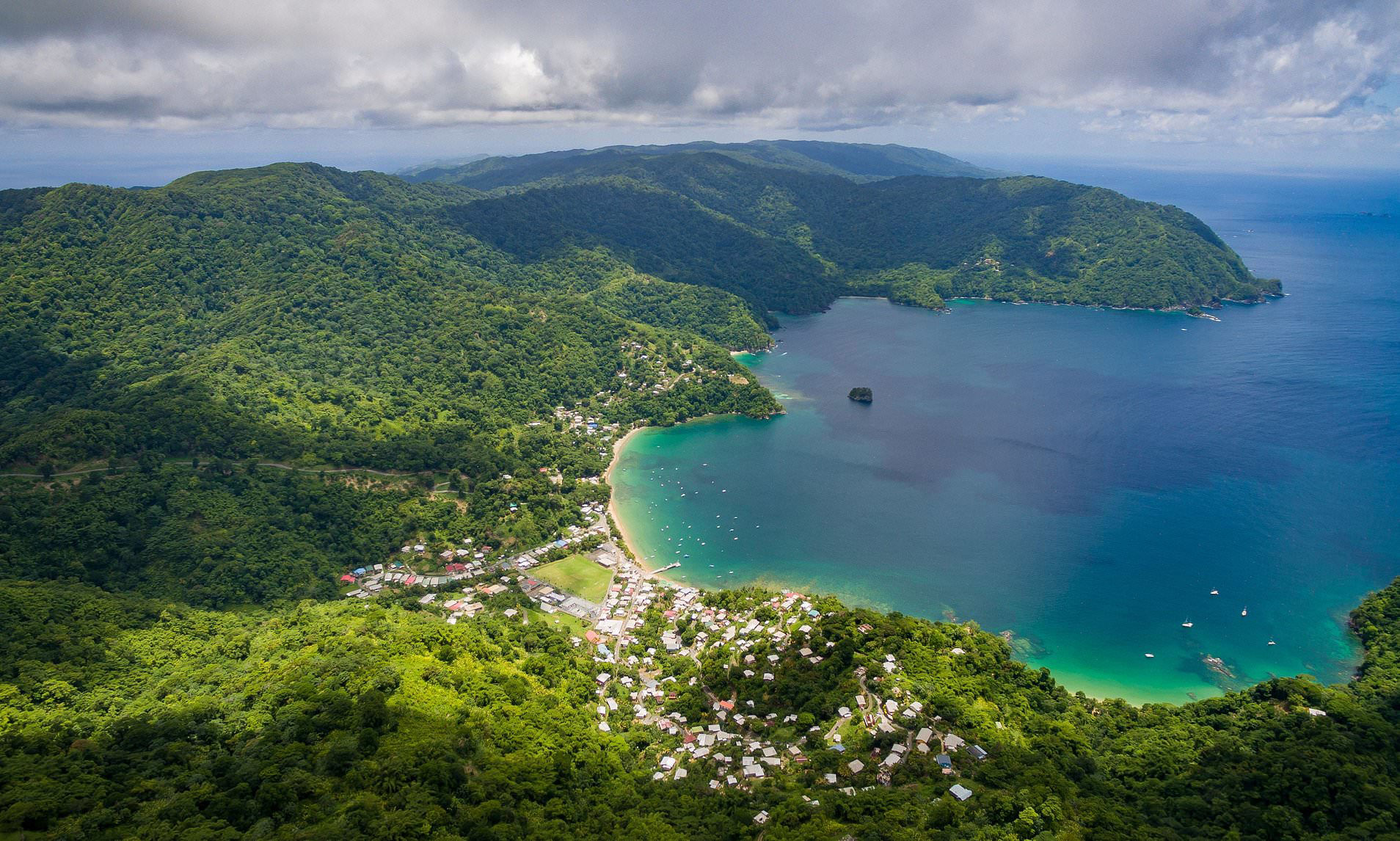
'Trinidad and Tobago occupies a unique position in Caribbean trade, a twin-island republic whose extraordinary endowment of natural gas transformed it from an agricultural economy into one of the region's most industrialised nations. The energy sector, centred on liquefied natural gas, petrochemicals, and downstream industrial manufacturing, has given Trinidad and Tobago a trade identity unlike any other Caribbean state.
The agricultural heritage of Trinidad and Tobago encompasses cocoa of fine-flavour designation, cultivated in the valleys of the Northern Range where conditions of rainfall, shade, and volcanic soil produce beans of exceptional quality sought by premium chocolate manufacturers worldwide. Tobago's fisheries, birdlife, and artisan food culture, including the island's celebrated pepper sauce tradition, add a distinct layer to the republic's export identity.
Trinidad's Point Lisas industrial estate, built on the foundation of domestic natural gas, houses one of the most concentrated complexes of direct reduced iron and steel manufacturing in the Western Hemisphere. The conversion of hydrocarbon energy into metallurgical-grade iron products gave Trinidad and Tobago a steel identity that no other Caribbean nation has achieved.'
Trinidad and Tobago on Iferous.com
Trinidad's Point Lisas industrial complex converted domestic natural gas into metallurgical iron, creating a Caribbean steel manufacturing capability unique in the Western Hemisphere at its scale.
The Point Lisas Industrial Estate was developed from the 1970s as a deliberate strategy to add value to the republic's natural gas reserves through downstream industrial processing. Direct reduced iron, produced by reducing iron ore using natural gas as the reductant rather than coke, requires a reliable and competitively priced gas supply, a condition uniquely met by Trinidad's prolific offshore gas fields.
Caribbean Ispat, later acquired by ArcelorMittal, operated one of the largest direct reduced iron production complexes in the world at Point Lisas, supplying DRI pellets to electric arc furnace steelmakers across North America and beyond. Direct reduced iron from Trinidad carries a specific metallurgical profile, high in metallic iron content and low in residual elements, making it particularly valued as a premium feed material for electric arc furnaces producing high-quality steel grades.
For procurement contacts in the steel and iron metallurgy sector seeking DRI from a politically stable, energy-rich Caribbean source with proven industrial heritage, Trinidad and Tobago's Point Lisas value chain offers metallurgical provenance, established export infrastructure, and a strategic location bridging North American and Latin American steel markets.
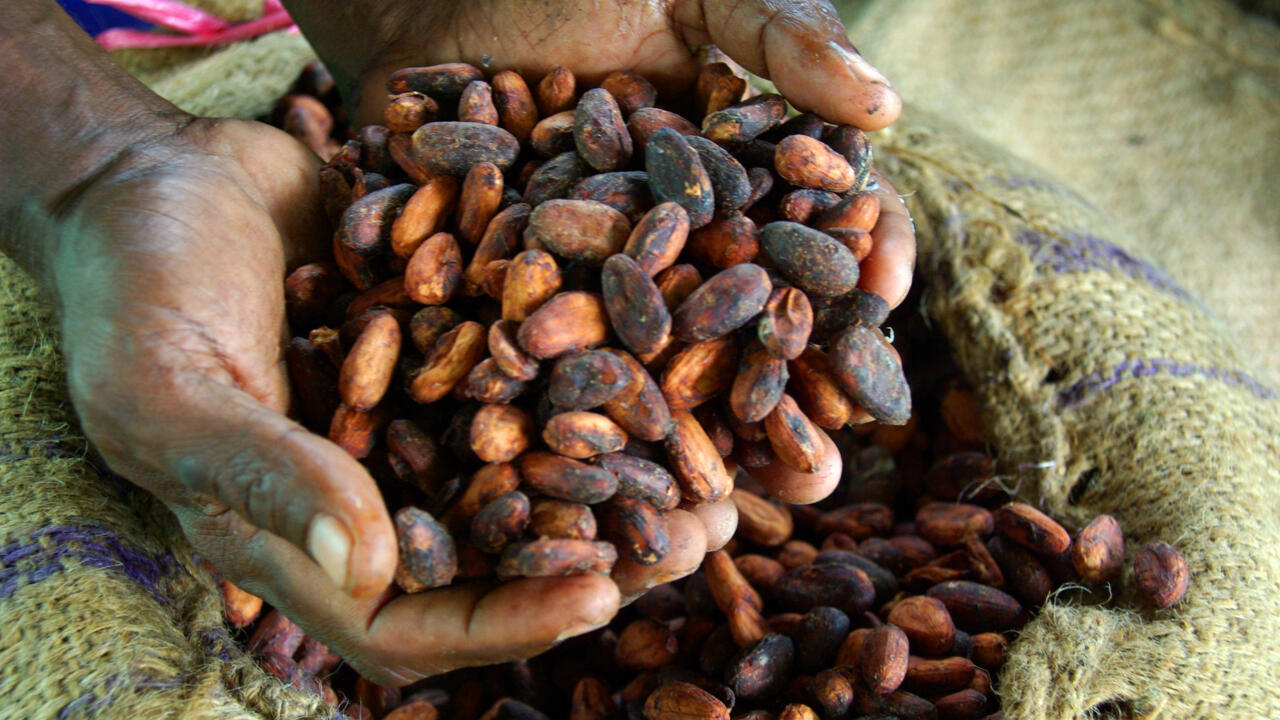
The Trinitario cacao variety, a natural hybrid of the fine-flavour Criollo and productive Forastero species that arose in Trinidad in the eighteenth century, is the world's most commercially significant fine-flavour cacao hybrid, its genetics forming the foundation of fine chocolate production across four continents.
Trinitario cacao emerged in Trinidad following a natural disaster that destroyed much of the island's original Criollo plantation, allowing spontaneous hybridisation between surviving Criollo and introduced Forastero trees. The resulting Trinitario hybrid combined the complex fine-flavour aromatic profile of Criollo with the higher yield and disease resistance of Forastero, creating a cacao type that accounts for approximately 10-15% of global production but a substantially higher proportion of the world's finest chocolate raw material. Trinidad is the genetic and historical origin of this variety.
Trinidad's National Cocoa Committee and the Cocoa Research Centre at the University of the West Indies maintain the world's most significant Trinitario germplasm collection, preserving genetic diversity across hundreds of Trinitario clones representing the complete flavour spectrum of this variety's expression. The International Cocoa Organization's fine flavour designation for Trinidadian cacao reflects the island's status as both the geographic origin of Trinitario genetics and a current producer of cacao of documented flavour excellence.
For procurement contacts in the premium chocolate manufacturing, artisan confectionery, and specialty cocoa ingredient sectors seeking cacao with the world's most historically documented fine-flavour hybrid genetics, ICCO fine flavour designation, and the geographic origin provenance of the variety that underpins much of the world's finest chocolate, Trinidad's Cacaocultures value chain offers cacao provenance of genetic, historical, and flavour distinction unique in the global cocoa supply chain.
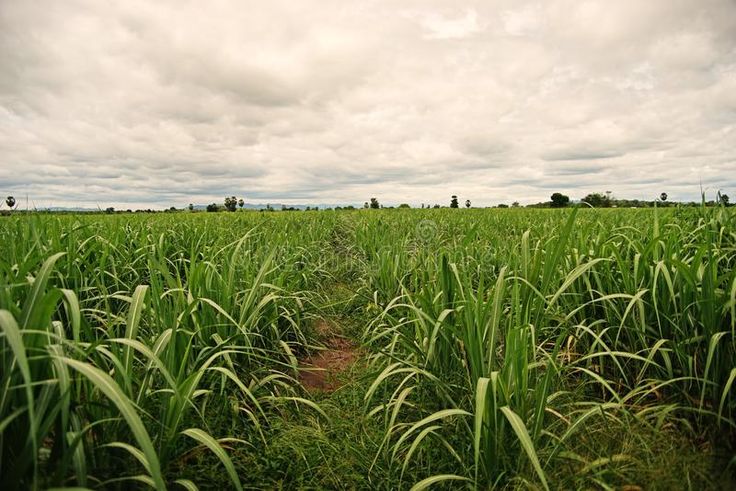
Trinidad is the home of Angostura aromatic bitters, the world's most widely used cocktail ingredient, produced in Port of Spain from a secret botanical formula of documented medicinal and culinary heritage, making Trinidad's saccharicultural tradition inseparable from one of the most geographically anchored flavour products in global drinks culture.
Angostura aromatic bitters, produced exclusively in Port of Spain, Trinidad since 1875 by the House of Angostura, is the world's most commercially significant aromatic bitters, used in cocktail formulations from the Old Fashioned to the Pink Gin across every professional bar on the planet. The product's botanical formula, a closely guarded proprietary blend of over 40 herbs, spices, and botanical extracts in a sugar cane spirit base, represents one of the most significant examples of a geographically rooted flavour heritage in the global drinks industry, with Trinidadian production being the sole legitimate source of the authentic product.
The Angostura brand's connection to Trinidad's sugarcane heritage is rooted in the use of locally produced sugar cane spirit as the carrier for its botanical extraction, linking the product directly to the island's saccharicultural tradition. Trinidad's sugar cane industry, operating on the fertile western coastal plain from the earliest colonial period, provided the high-proof neutral spirit base that allows the botanical complexity of the Angostura formula to be preserved and delivered at the concentration that defines the product's culinary performance.
For procurement contacts in the premium spirits, cocktail ingredients, botanical extract, and luxury drinks retail sectors seeking saccharicultural products with the most geographically anchored flavour heritage in Caribbean drinks culture, Trinidad's connection to Angostura production and its broader rum and spirits tradition offers provenance of historical depth, botanical complexity, and global brand recognition that defines Caribbean saccharicultural identity at its most commercially significant.
The Trinidad Moruga Scorpion, a Capsicum chinense variety from the Moruga district of south-central Trinidad, was certified by the New Mexico State University Chilli Pepper Institute in 2012 as the world's hottest pepper at time of testing, with documented Scoville Heat Unit measurements above 2 million, its extreme capsaicin concentration the product of Trinidad's specific equatorial climate and soil conditions.
The Trinidad Moruga Scorpion pepper, cultivated in the Moruga district of south-central Trinidad, achieved international recognition in 2012 when New Mexico State University's Chilli Pepper Institute documented its average Scoville Heat Unit measurement at 1.2 million SHU, with individual samples exceeding 2 million SHU, making it the world's hottest commercially cultivated pepper at the time of certification. The capsaicin and dihydrocapsaicin concentrations in Moruga Scorpion fruit have been studied by pharmaceutical researchers for their potential applications in topical analgesics, where concentrated capsaicinoid compounds are used in medical-grade pain management formulations.
The heat intensity of the Trinidad Moruga Scorpion is attributed to Trinidad's equatorial climate of high temperature and humidity and the mineral profile of south Trinidad's sedimentary clay soils that appear to stress the Capsicum chinense plant into producing extreme capsaicinoid concentrations as a defence response. The Moruga district's specific growing conditions have been documented as producing consistently higher SHU measurements than the same variety grown in other locations, confirming the geographic specificity of this pepper's heat profile.
For procurement contacts in the specialty food, hot sauce, botanical extract, and pharmaceutical sectors seeking pepper with documented maximum capsaicin concentration, geographic-specific heat profile from a certified origin, and the international scientific recognition of a world record Scoville measurement, Trinidad Moruga Scorpion's Pomicultures value chain offers fruit provenance of biochemical, scientific, and commercial distinction that positions Trinidad as the world's most extreme capsaicinoid source.

IFEROUS+ - Aligning with Trinidad and Tobago's multi-dimensional sovereign resource identity across Point Lisas DRI steel, Trinitario cacao genetics, Angostura botanical heritage, and Moruga Scorpion pepper, we are building integrated value chain partnerships that span the republic's most scientifically distinctive assets, connecting global procurement contacts with the provenance documentation and long-term supply relationships that irreplaceable Trinidadian resources command.
Call our London Office on 020 3355 1985 or email plus@iferous.com to connect with our strategists and discuss opportunities.