
-
Resources
- Precious Metals
- Battery Metals
- Industrial Metals
- Nuclear Energy
-
.cultures
- Timbers / Silvicultures
- Cottons / Gossypicultures
- Rubbers / Heveacultures
- Grains / Granicultures
- Oils / Oleicultures
- Sugars / Saccharicultures
- Coffees / Coffeicultures
- Cacaos / Cacaocultures
- Teas / Theicultures
- Flowers / Floricultures
- Fruits / Pomicultures
- Vegetables / Olericultures
- Citruses / Citricultures
-
Regions
- .IFEROUS+
- About
Haiti
'Where Ancient Mountains Guard Untapped Riches of Global Significance'
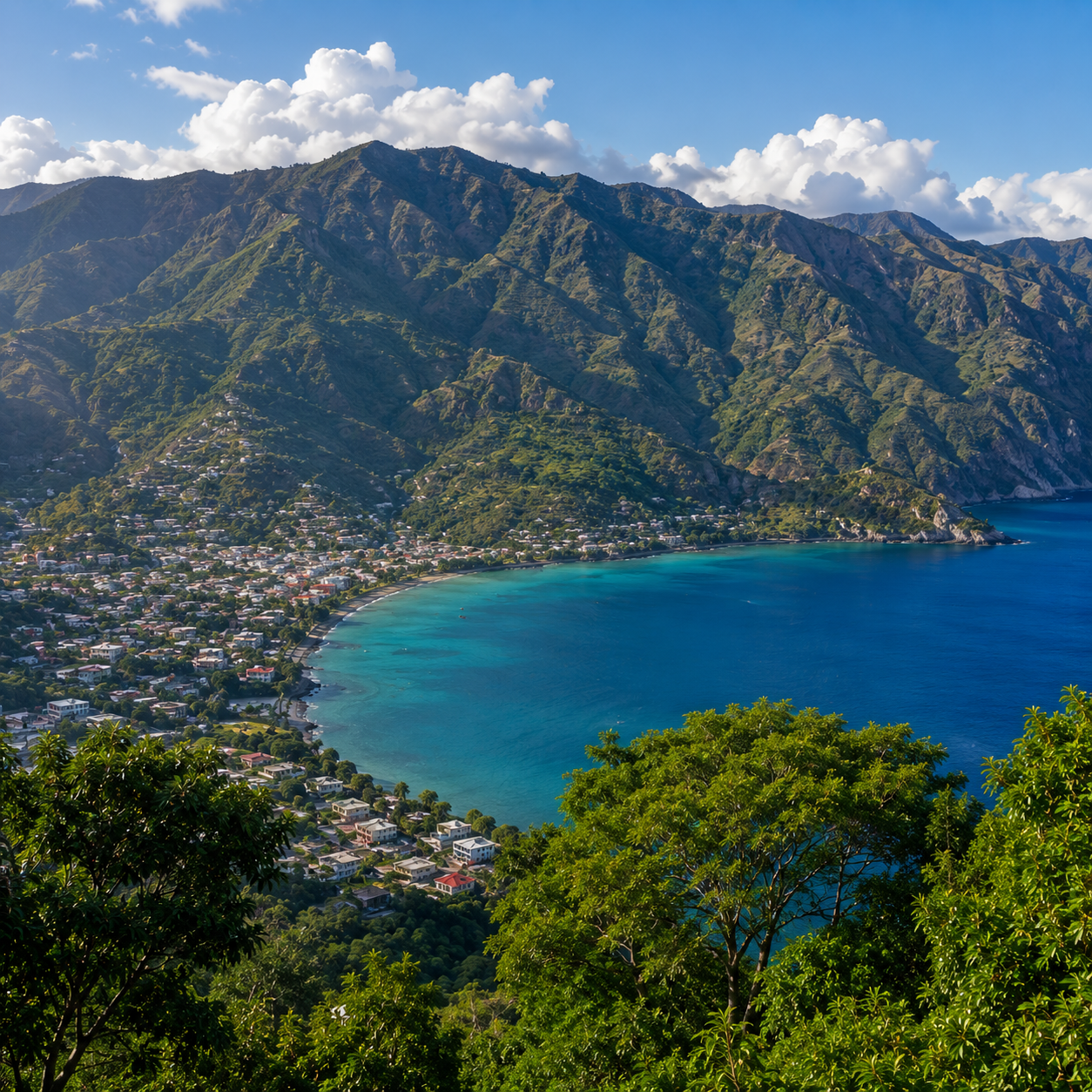
'Haiti occupies the western third of Hispaniola, a sovereign republic whose distinct national identity was forged through centuries of agricultural tradition, cultural resilience, and one of the most extraordinary political histories in the world. Haiti was the first Black republic, born from a revolution that resonated across continents and permanently altered the course of Atlantic history.
The agricultural heritage of Haiti is rooted in its mountain topography and tropical climate. Haitian Arabica coffee, grown in the highlands of the Massif de la Hotte and Massif du Nord, carries a flavour profile of distinctive brightness and complexity that once made it among the most prized coffees in European markets. Vetiver oil, with Haiti producing the world's largest share of this essential fragrance ingredient, represents an agricultural export of genuine scientific and commercial distinction found nowhere else at this scale.
Beneath Haiti's rugged mountain ranges, geological surveys have documented mineral deposits of considerable international significance. The copper and gold systems of the northern highlands and the Morne Bossa corridor represent one of the Caribbean's most prospective untapped mining frontiers, a resource endowment that places Haiti among the region's most mineralogically significant territories.'
Haiti on Iferous.com
Haiti's copper and gold mineral systems, documented across the northern highlands, represent one of the Caribbean's most significant untapped base and precious metal frontiers.
The mineralisation of Haiti's northern highlands is associated with a Cretaceous volcanic arc system continuous with the productive metal belts of Cuba and the Dominican Republic. Geological surveys have documented copper-gold porphyry and epithermal systems across the Massif du Nord and adjacent terranes, with modern geophysical surveys indicating ore grade concentrations of commercial interest.
The Morne Bossa copper-gold system in northern Haiti attracted significant exploration investment, with international teams undertaking drilling programmes that confirmed the presence of porphyry copper mineralisation with associated gold credits at grades comparable to producing mines in similar geological settings globally. Haiti's mineral potential represents a sovereign resource of extraordinary long-term value.
For procurement contacts and strategic partners engaging with frontier copper and gold opportunities in the Caribbean, Haiti's northern mineral belt offers geological systems of documented quality, sovereign resource ownership, and a development timeline that rewards early engagement with long-term value chain positioning.
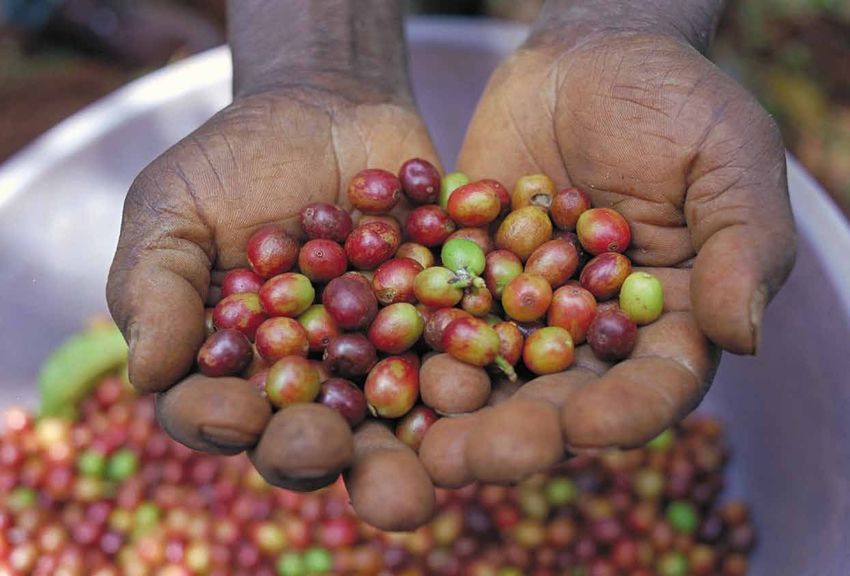
Haitian Bleu arabica, grown in the highland massifs of northern and southern Haiti at elevations of 500 to 1,500 metres, was once the most prized coffee in European markets and is undergoing a documented quality renaissance, its distinctive bright acidity and floral complexity the product of the same Typica genetic heritage that gave rise to Jamaica Blue Mountain and Colombian Supremo arabica.
Haitian arabica coffee, grown primarily in the Massif du Nord, Massif du Sud, and the Massif de la Hotte highland zones, carries a genetic heritage of the original Typica arabica lineage introduced to the Americas via Martinique in the eighteenth century, making Haitian coffee botanically related to the most celebrated arabica varieties in the Western Hemisphere. At the peak of Haiti's colonial-era coffee production, the country supplied approximately half of all coffee consumed in Europe, making it historically the most commercially significant coffee producing nation in the world by export volume.
The specialty coffee industry's growing engagement with Haitian arabica, led by international specialty roasters sourcing directly from highland cooperatives, has documented cup quality scores in the SCA specialty grade range for Haitian Typica grown above 1,000 metres. The specific combination of volcanic and limestone highland soils, rainfall patterns generated by the interaction of Atlantic trade winds with Haiti's mountain ranges, and the traditional shade cultivation practices of Haitian smallholders produce a coffee of documented aromatic complexity.
For procurement contacts in the specialty coffee, ethical sourcing, and direct trade sectors seeking arabica with documented Typica genetic heritage shared with Blue Mountain and Colombian Supremo lineages, highland terroir of established cup quality, and a sourcing story of direct community development impact, Haitian Bleu's Coffeicultures value chain offers coffee provenance of genetic distinction, historical depth, and the ethical sourcing narrative that premium specialty coffee markets increasingly reward.
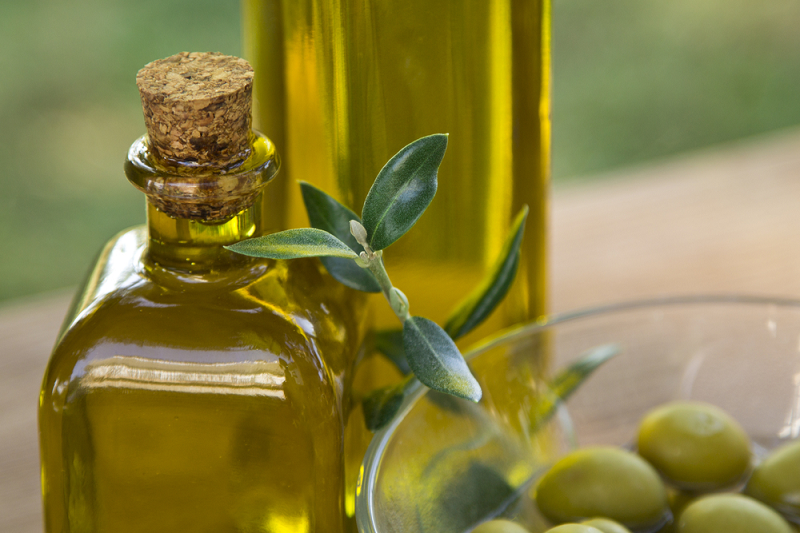
Haiti supplies between 50 and 80 percent of the world's vetiver essential oil, extracted from the roots of Vetiveria zizanioides cultivated in the southern plateau regions, making Haitian vetiver an irreplaceable ingredient in the world's most prestigious luxury fragrances and one of the most geographically concentrated essential oil supply chains in global perfumery.
Haitian vetiver oil, steam-distilled from the roots of Vetiveria zizanioides cultivated primarily in the Cayes region of southern Haiti, carries a chemical profile of extraordinary complexity, with over 150 identified volatile compounds including khusimol, isovalencenol, and vetiverol contributing to the oil's characteristic earthy, woody, smoky aromatic character. The specific terroir of Haiti's southern plateau, with its limestone-rich soils and the root growth conditions of the Cayes region, produces a vetiver oil chemical profile documented as distinct from vetiver grown in Java, Reunion, or India, with Haitian vetiver prized by perfumers for its particular depth and longevity as a base note fixative.
Chanel No.5 has historically specified Haitian vetiver as a key ingredient in its base accord, a commercial relationship that underlines the irreplaceable status of Haitian-origin vetiver in haute parfumerie. The UNESCO recognition of Haitian vetiver cultivation as an element of the country's intangible cultural heritage reflects the deep integration of this crop with Haiti's agricultural identity and the multi-generational knowledge embedded in its cultivation and distillation practices.
For procurement contacts in the luxury fragrance, high-end cosmetics, and aromatherapy sectors seeking vetiver essential oil with the specific chemical profile of Haitian terroir, supply chain documentation from the world's dominant producing region, and the luxury brand heritage of an ingredient specified by the world's most prestigious fragrance houses, Haitian vetiver's Oleicultures value chain offers essential oil provenance of chemical, geographic, and cultural distinction that no other vetiver producing country can replicate.
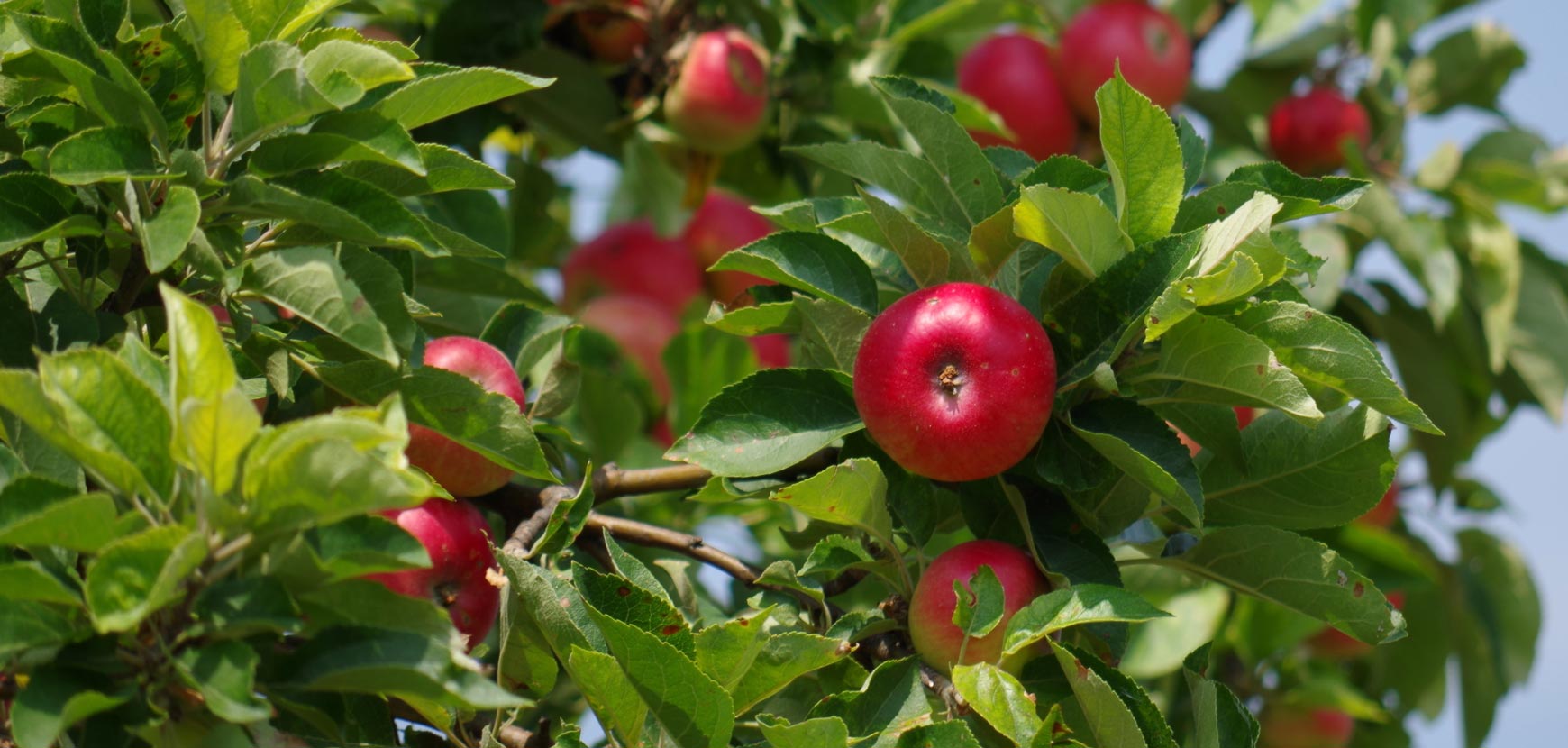
Haiti's Francis and Madame Francis mango varieties, cultivated on the hillside orchards of the southern and northern peninsula under conditions of exceptional tropical productivity, represent the most significant Caribbean fresh mango export tradition, their distinctive fibreless flesh and floral sweetness making Haitian mangoes the preferred variety for several North American specialty market segments.
The Francis mango, a Haitian-origin variety cultivated across the hillside orchards of Haiti's southern and northern regions, is distinguished by its fibreless, butter-smooth flesh, sweet floral aroma, and distinctive S-shaped profile that has made it a recognised and sought variety in North American specialty produce markets. Haiti exports hundreds of millions of mangoes annually during the primary harvest season from May through July, with the United States representing the primary export destination for certified Haitian fresh mango shipments.
Haitian mango cultivation, conducted primarily by smallholder farmers in orchard systems integrated with other food crops across the hillside farming landscape, represents one of the most significant examples of traditional agroforestry providing both subsistence nutrition and export income simultaneously. The organic character of most Haitian mango production, reflecting the limited use of synthetic inputs in hillside smallholder farming, supports potential organic certification for export channels serving premium North American and European specialty grocery markets.
For procurement contacts in the fresh produce, specialty grocery, and Caribbean fruit import sectors seeking Francis and Madame Francis mangoes with documented Haitian smallholder provenance, fibreless flesh quality characteristic of the Haitian variety, and the supply volume of the Caribbean's most significant mango export tradition, Haitian pomiculture's Fruits value chain offers mango provenance of variety-specific quality, geographic identity, and direct smallholder sourcing narrative of growing appeal in ethical produce markets.

IFEROUS+ - Aligning with Haiti's multi-dimensional sovereign resource identity across Morne Bossa copper-gold potential, Haitian Bleu arabica, world-dominant vetiver essential oil, and Francis mango, we are building integrated value chain partnerships that span the nation's most scientifically distinctive assets, connecting global procurement contacts with the provenance documentation and long-term supply relationships that irreplaceable Haitian resources command.
Call our London Office on 020 3355 1985 or email plus@iferous.com to connect with our strategists and discuss opportunities.