
-
Resources
- Precious Metals
- Battery Metals
- Industrial Metals
- Nuclear Energy
-
.cultures
- Timbers / Silvicultures
- Cottons / Gossypicultures
- Rubbers / Heveacultures
- Grains / Granicultures
- Oils / Oleicultures
- Sugars / Saccharicultures
- Coffees / Coffeicultures
- Cacaos / Cacaocultures
- Teas / Theicultures
- Flowers / Floricultures
- Fruits / Pomicultures
- Vegetables / Olericultures
- Citruses / Citricultures
-
Regions
- .IFEROUS+
- About
Sri Lanka
'Island of Rarity and Timeless Riches'
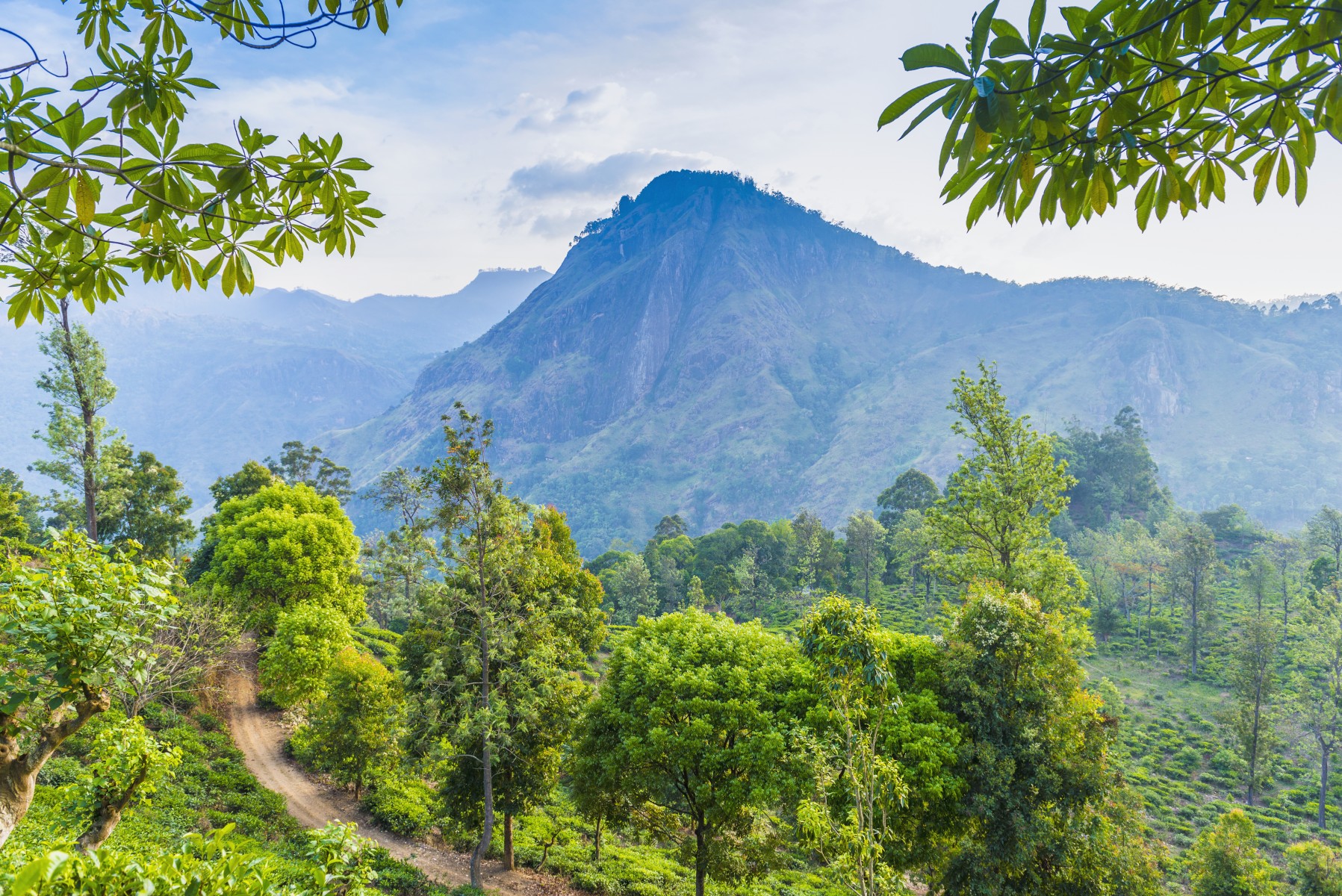
'Sri Lanka is an island where ancient heritage flows seamlessly into natural abundance, a sovereign nation whose geographic position at the southern tip of the Indian subcontinent has made it one of the Indian Ocean's most significant trading territories for three thousand years of recorded commerce.
From the mist-cloaked central highlands, where emerald tea plantations yield the world's most celebrated Ceylon teas, to the cinnamon-laden coastal plains that wrote the island's name into spice history, every landscape carries its own treasure. Fragrant rice, tropical fruits, and coveted spices grow from fertile volcanic soils, while the surrounding seas deliver tuna, crab, and prawns of exceptional quality to markets worldwide.
Beneath the rivers and earth lie sapphires and other precious stones, famed for their brilliance through the centuries, giving Sri Lanka one of the oldest gemstone trading traditions in the world. Coconut groves line the coasts, offering oil, fibre, and timber, while wild honey and ayurvedic herbs connect modern life to ancient traditions of healing and craft that have defined this island's identity across millennia.'
Sri Lanka on Iferous.com
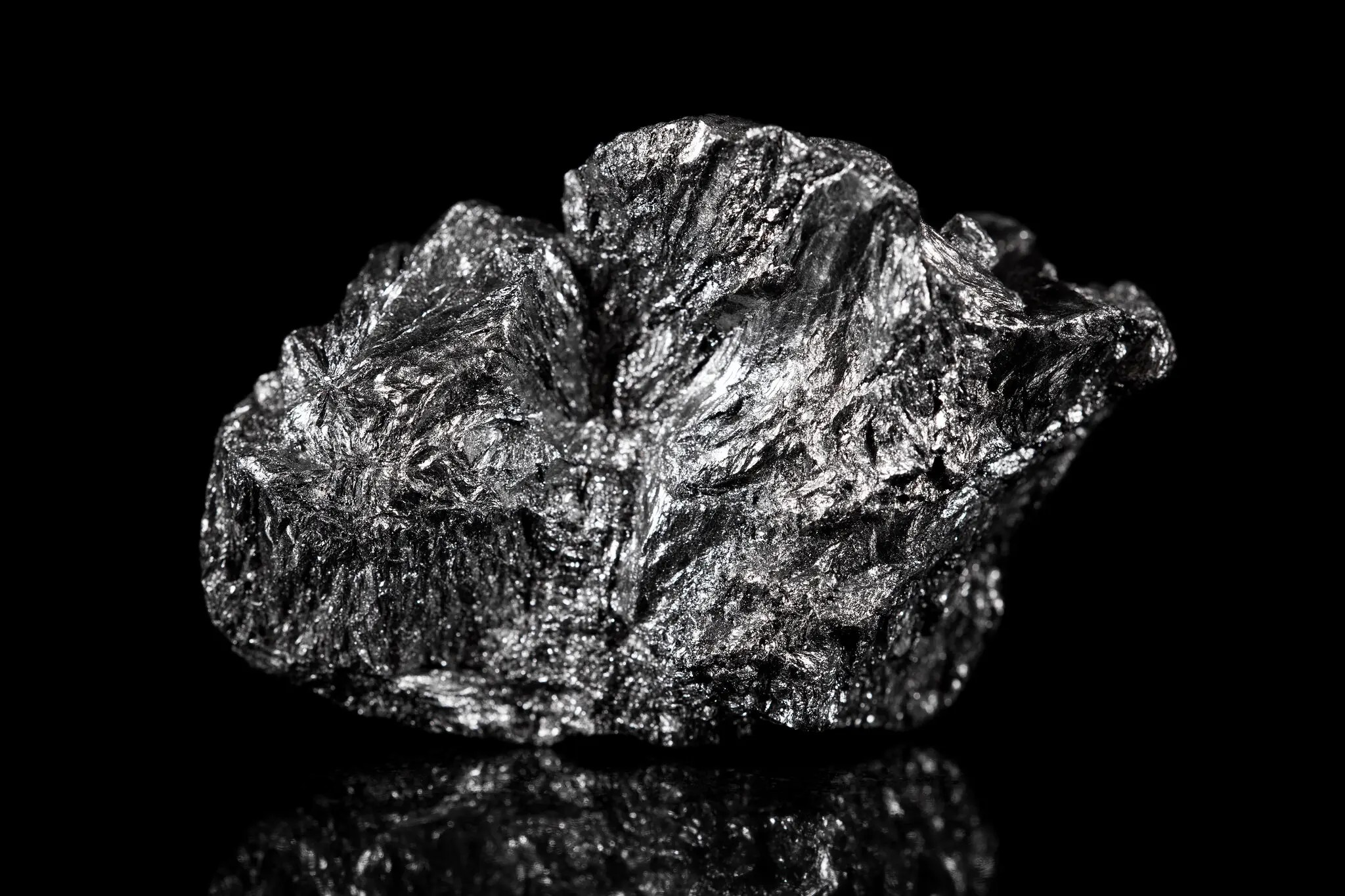
Beneath the earth, Sri Lanka is home to one of the world's rarest and most valuable carbon resources, vein graphite, unique in its purity and crystalline structure and irreplaceable in the industries that demand absolute performance.
Sri Lankan vein graphite is geologically unlike any other graphite resource on earth. Formed within crystalline metamorphic rock systems of Precambrian origin, vein graphite occurs as near-vertical fracture fillings of crystallised carbon, a depositional mode found at commercial scale in only one location in the world, the southern and central regions of Sri Lanka. Its carbon purity, regularly exceeding 98% and in premium grades reaching 99.9%, is a product of geological conditions that cannot be replicated by synthetic processing or by the flake and amorphous graphite deposits that supply the majority of global markets.
The extraction of Sri Lankan vein graphite is guided by principles of responsibility and precision. From licensed mining operations to international export, every stage is carried out under strict compliance frameworks, ensuring environmental care, worker welfare, and full transparency across the supply chain. These compliance standards reflect a Sri Lankan graphite industry built on decades of institutional knowledge and regulatory discipline.
Sri Lankan graphite's exceptional electrical conductivity, thermal stability, and lubricating performance make it the preferred raw material for applications where standard graphite grades are inadequate. Nuclear reactor moderators, high-performance lubricants, specialty electrodes, and advanced battery anode materials all draw on the unique crystalline character of Sri Lankan vein graphite in their most demanding formulations.
For procurement contacts in aerospace, defence, nuclear, and advanced battery manufacturing sectors seeking graphite where purity and crystalline perfection are non-negotiable, Sri Lankan vein graphite represents the singular global source of a material whose geological rarity is matched only by its commercial irreplaceability.
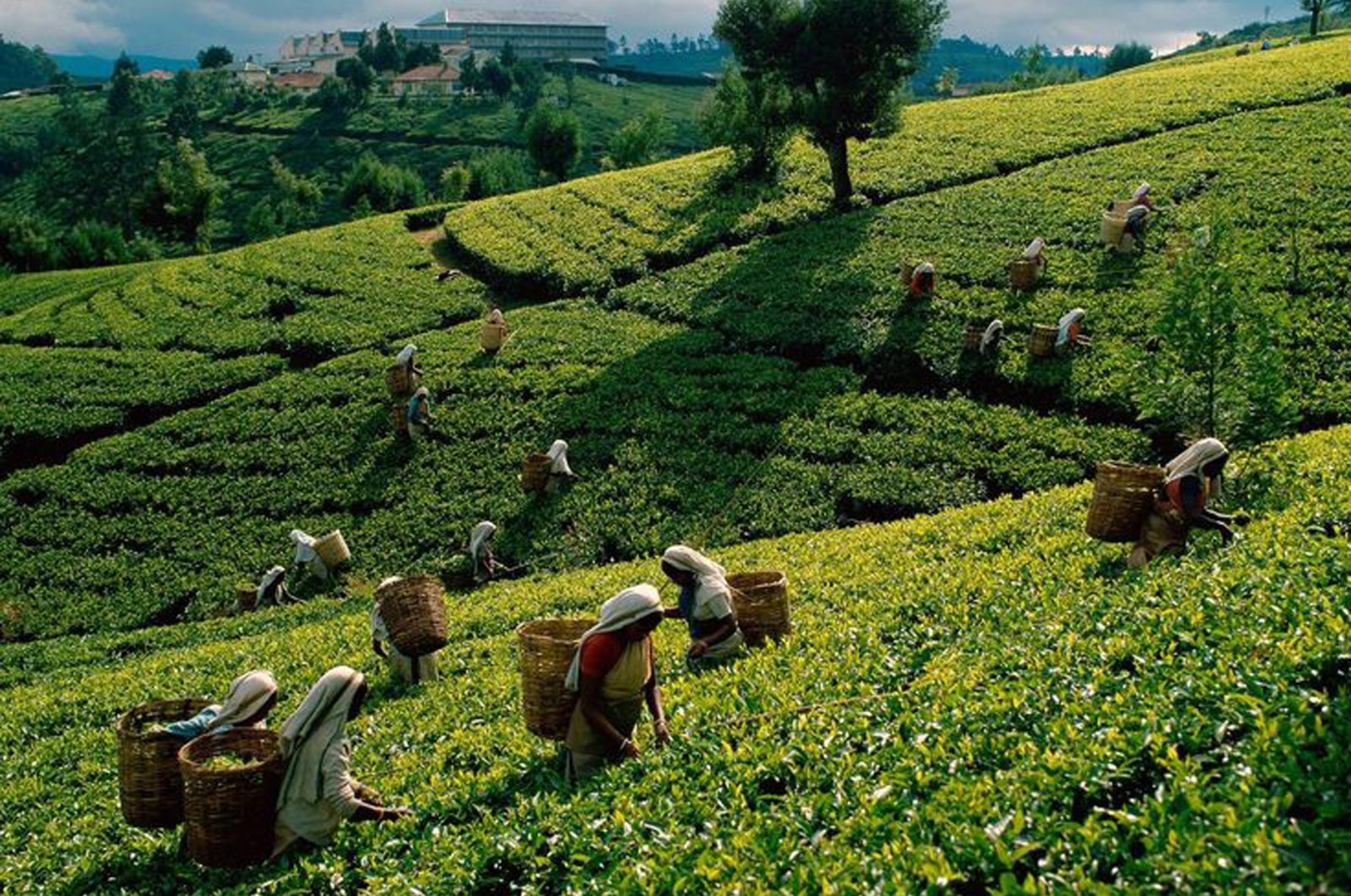
Ceylon tea, grown across Sri Lanka's seven altitude-banded regions and protected by a statutory Lion Logo geographical indication, represents the world's most institutionally documented tea identity, its flavour a scientifically measurable product of elevation, terroir, and seasonal monsoon conditions irreproducible elsewhere on earth.
Sri Lanka's tea-growing landscape is classified into seven distinct agro-climatic regions, Nuwara Eliya, Uda Pussellawa, Uva, Dimbula, Kandy, Sabaragamuwa, and Ruhuna, each producing tea of measurably distinct flavour, colour, and aromatic character determined by altitude, soil composition, and seasonal wind exposure. The Ceylon tea name and all seven regional designations are registered geographical indications, providing Ceylon tea with one of the most comprehensively protected geographic identity frameworks in the global tea trade.
High-grown teas from Nuwara Eliya, cultivated above 1,800 metres in some estates, produce a pale golden liquor of delicate floral character, famously described as the Champagne of Ceylon, whose quality is a direct function of cold temperatures, frequent mist, and slow leaf growth at extreme altitude. The Uva region's seasonal peak, produced during the July to August window when dry Caccoon winds reduce moisture and concentrate aromatic compounds in the leaf, yields teas of a distinctively brisk, clean character sought by connoisseurs across the world's most discerning markets.
The Lion Logo certification, administered by the Sri Lanka Tea Board, guarantees that certified tea was wholly grown, manufactured, and packed in Sri Lanka, providing procurement contacts with origin verification of statutory credibility. The Tea Board's grading system, quality inspection regime, and geographical indication framework collectively constitute one of the most institutionally robust agricultural provenance systems in the world, covering every stage from estate to export.
For procurement contacts in the specialty tea, food service, premium retail, and wellness sectors seeking tea with the world's most institutionally documented geographic identity, altitude-classified regional provenance, and a statutory quality framework of international credibility, Ceylon tea's Theicultures value chain delivers origin verification at a level of rigour unmatched in the global tea industry.
Sri Lanka produces over 80 percent of the world's true cinnamon, Cinnamomum zeylanicum, a botanically and chemically distinct species granted EU Protected Geographical Indication status in 2022, whose ultra-low coumarin profile and irreplaceable aromatic character make it the world's most scientifically credentialed spice oil source.
The distinction between Ceylon cinnamon and cassia is one of the most commercially and scientifically significant botanical differentiations in the global spice trade. Cinnamomum zeylanicum, indigenous to Sri Lanka and cultivated primarily in the wet zone districts of Galle, Matara, and Kalutara, contains coumarin at approximately 400 times lower concentration than Cinnamomum cassia, a difference with direct regulatory significance under EU food safety legislation restricting coumarin content in food products. Ceylon cinnamon was granted Protected Geographical Indication status in the European Union on 2nd February 2022, formally recognising Sri Lanka as the sole sovereign source of this botanically and chemically distinct species.
Ceylon cinnamon essential oil is produced from two primary raw material sources, each carrying a distinct chemical profile. Bark oil, steam-distilled from the inner bark of harvested shoots, contains high cinnamaldehyde content alongside complex secondary aromatic compounds including eugenol, linalool, and beta-caryophyllene, giving Ceylon cinnamon its characteristic sweetness and aromatic complexity. Leaf oil, with a eugenol-dominant composition, serves as a sustainable source of this compound for the fragrance, pharmaceutical, and flavour industries without requiring bark harvest.
The commercial grades of Ceylon cinnamon quills, classified as Alba, Continental, Mexican, and Hamburg based on stick diameter and bark thickness, are defined under Sri Lanka Standard SLS 81:2021 and ISO 6539:2014, giving procurement contacts internationally recognised specification frameworks for sourcing decisions. The manual skill required to peel inner bark from two-year coppiced shoots, a craft requiring years of specialised training unique to Sri Lanka's wet zone communities, gives Ceylon cinnamon a production authenticity that underpins its premium market positioning.
For procurement contacts in the food, nutraceutical, fragrance, and pharmaceutical sectors requiring cinnamon with EU PGI documentation, ultra-low coumarin compliance, and the aromatic complexity of authentic Cinnamomum zeylanicum essential oil, Sri Lanka's cinnamon Oleicultures value chain offers regulatory assurance, graded quality specifications, and the botanical sovereignty of the world's original and irreplaceable true cinnamon source.
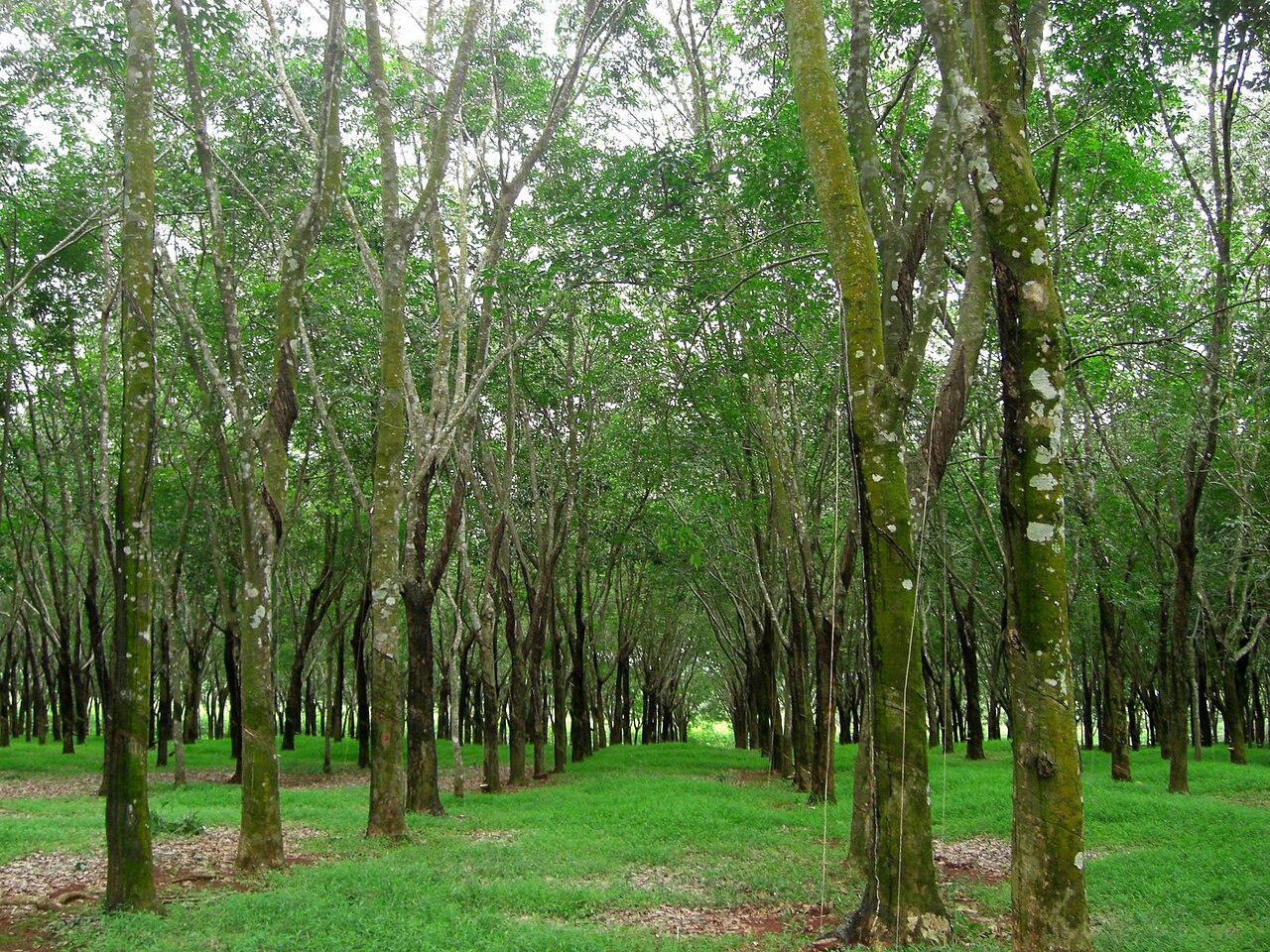
Sri Lanka's natural rubber industry, anchored by the Rubber Research Institute of Sri Lanka established in 1910 and producing internationally graded RSS and TSR product from Hevea brasiliensis plantations of the wet zone, represents one of Asia's oldest and most scientifically rigorous natural rubber supply chains.
Natural rubber cultivation in Sri Lanka is concentrated in the wet zone districts of Kalutara, Galle, Ratnapura, and Kegalle, where annual rainfall exceeding 2,000 millimetres, equatorial temperature stability, and well-drained lateritic soils provide growing conditions closely matched to Hevea brasiliensis requirements. The Rubber Research Institute of Sri Lanka, established in 1910 as the Rubber Experiment Station at Agalawatta, is one of Asia's oldest scientific institutions dedicated to the study, development, and quality certification of natural rubber, with over a century of clone development, agronomic research, and quality standard formulation to its credit.
Sri Lankan natural rubber is certified to internationally traded grades including Ribbed Smoked Sheet grades RSS1 to RSS5, assessed against Green Book standards for cleanliness, colour, and consistency, and Technically Specified Rubber grades TSR10 and TSR20, with parameters of dirt content, ash content, nitrogen content, volatile matter, and plasticity retention index measured against ISO 2000 specifications. This dual-grade capability gives procurement contacts flexibility in specification selection from a single well-documented and institutionally credentialed source.
The physical properties of Sri Lankan natural rubber, shaped by the specific climate, soil, and agronomic conditions of the wet zone's Hevea cultivation, include molecular weight distribution and gel content characteristics that influence vulcanisation behaviour and finished product performance in tyre, engineering rubber, and medical device applications. The RRISL's ongoing high-yielding clone development programme ensures that raw material quality improvement is a continuous, scientifically managed process grounded in over a century of institutional knowledge.
For procurement contacts in the tyre, engineering rubber, surgical glove, and precision rubber component sectors requiring natural rubber with RRISL-certified grade quality, ISO-compliant specification documentation, and a supply chain framework built on more than a century of Sri Lankan rubber research and export infrastructure, Ceylon natural rubber's Heveacultures value chain offers technical specification reliability and institutional provenance depth that few natural rubber producing nations can match.

IFEROUS+ - Aligning with Sri Lanka's multi-dimensional sovereign resource identity across vein graphite, Ceylon tea, true cinnamon, and natural rubber, we are building integrated value chain partnerships that span the island's most scientifically distinctive assets, connecting global procurement contacts with the provenance documentation, compliance credentials, and long-term supply relationships that each of these irreplaceable Ceylon resources commands.
Call our London Office on 020 3355 1985 or email plus@iferous.com to connect with our strategists and discuss opportunities.