
-
Resources
- Precious Metals
- Battery Metals
- Industrial Metals
- Nuclear Energy
-
.cultures
- Timbers / Silvicultures
- Cottons / Gossypicultures
- Rubbers / Heveacultures
- Grains / Granicultures
- Oils / Oleicultures
- Sugars / Saccharicultures
- Coffees / Coffeicultures
- Cacaos / Cacaocultures
- Teas / Theicultures
- Flowers / Floricultures
- Fruits / Pomicultures
- Vegetables / Olericultures
- Citruses / Citricultures
-
Regions
- .IFEROUS+
- About
Nepal
'The Roof of the World, Where Himalayan Zinc, Ilam Highland Tea, and Mustang Valley Apples Define a Mountain Kingdom of Sovereign Resource Depth'
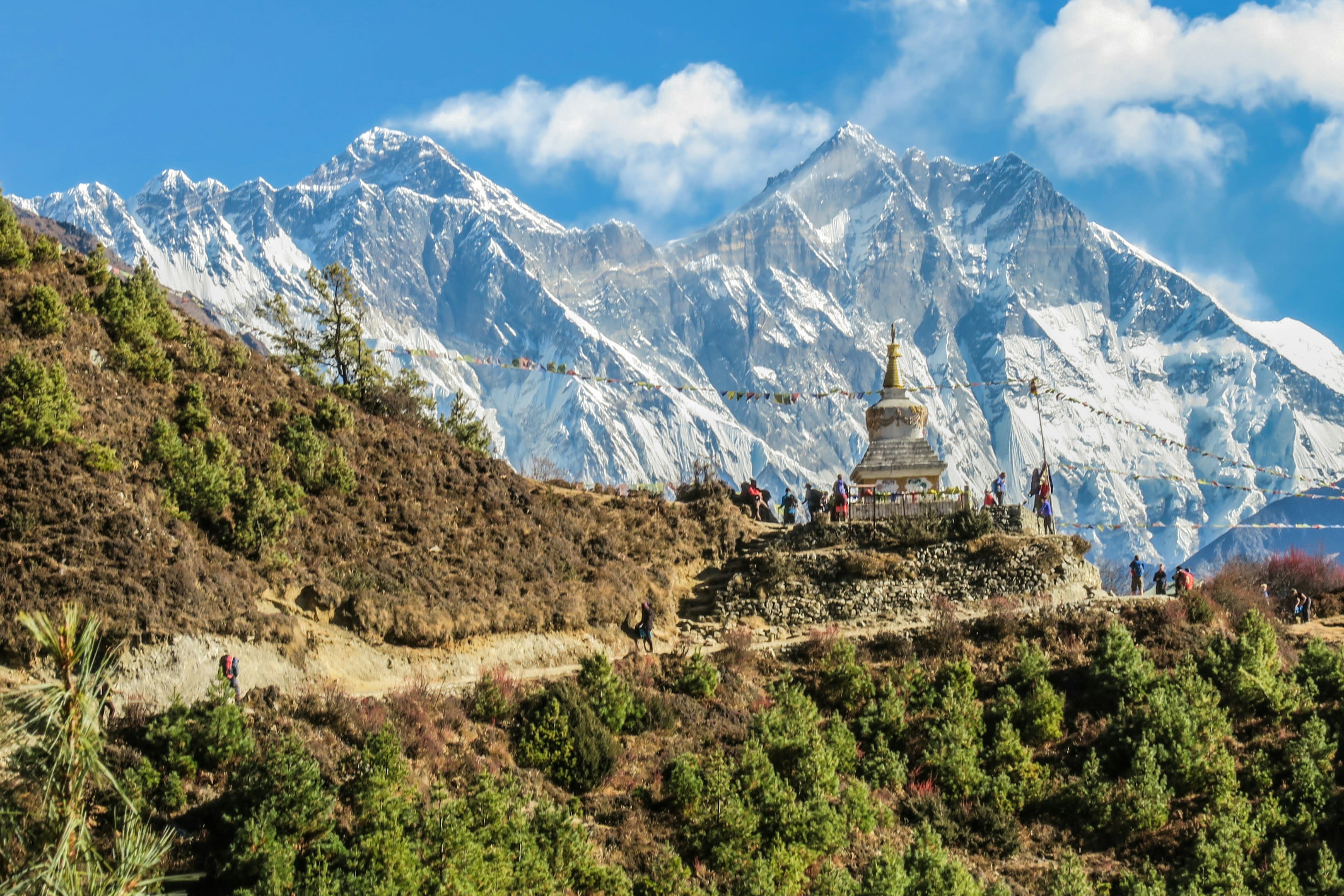
'Nepal is the mountain kingdom at the centre of the world's greatest geological drama, the collision zone of the Indian and Eurasian tectonic plates that built the Himalayan mountain range and in doing so created mineral assemblages of exceptional scientific and commercial significance. Eight of the world's ten highest mountains rise within Nepal's borders, and the same tectonic forces that thrust these peaks skyward have enriched the metamorphic and hydrothermal mineral systems of the Himalayan belt with a diversity of mineral resources whose systematic commercial development is only beginning.
The Ilam District of eastern Nepal, where the rolling hill ridges at 1,000-2,100 metres create growing conditions of Himalayan altitude and monsoon moisture comparable to the Darjeeling hills immediately to the south, produces tea of distinctive highland character whose proximity to the world's most celebrated tea origin gives it a geographic context of genuine quality credibility. Nepal's emerging high-altitude arabica coffee, grown in the Himalayan foothills at elevations that challenge the boundaries of commercial coffee cultivation, is attracting specialty buyer attention as one of the world's highest altitude origins.
And the Mustang Valley, the ancient Trans-Himalayan kingdom tucked in the rain shadow of the Annapurna massif at 3,500-4,000 metres elevation, produces apples of a crispness, sweetness, and aromatic intensity that the extreme diurnal temperature variation and high-altitude UV intensity of this extraordinary landscape imparts to fruit of no equivalent character grown elsewhere in South Asia.'
Nepal on Iferous.com

Nepal's Ganesh Himal zinc-lead deposit in Rasuwa District, one of the Himalayan belt's most documented base metal mineralisation systems, hosts zinc and lead sulphide ore within the metamorphic sequences of the Higher Himalayan Crystalline complex, representing a commercial mineral asset whose systematic development would establish Nepal as a Himalayan base metal producer of South Asian regional significance.
The Ganesh Himal deposit, named for the Ganesh Himal massif that dominates the Rasuwa District skyline, is hosted within calcareous metasediments of the Higher Himalayan Crystalline zone where hydrothermal mineralisation associated with the Himalayan metamorphic event concentrated zinc and lead sulphides in economically significant lens and vein systems. Nepal's Department of Mines and Geology has conducted systematic geological mapping of the deposit and several associated showings in the Rasuwa and adjacent districts, establishing a resource characterisation of sufficient detail to support prefeasibility study development.
Nepal's broader mineral endowment encompasses not only zinc-lead but also magnetite iron ore in the Kathmandu Valley basement, tourmaline and garnet gemstones of the Higher Himalayan metamorphic belt, and the talc and magnesite deposits of the Dolpo and Humla districts, collectively representing a Himalayan mineral portfolio whose potential exceeds current commercial development by a significant margin. For procurement contacts and development partners in the base metals, Himalayan gemstone, and industrial mineral sectors seeking engagement with Nepal's documented Zinciferous and associated mineral heritage, Nepal's sovereign mountain geology offers a frontier mineral endowment of Himalayan-scale geological significance.
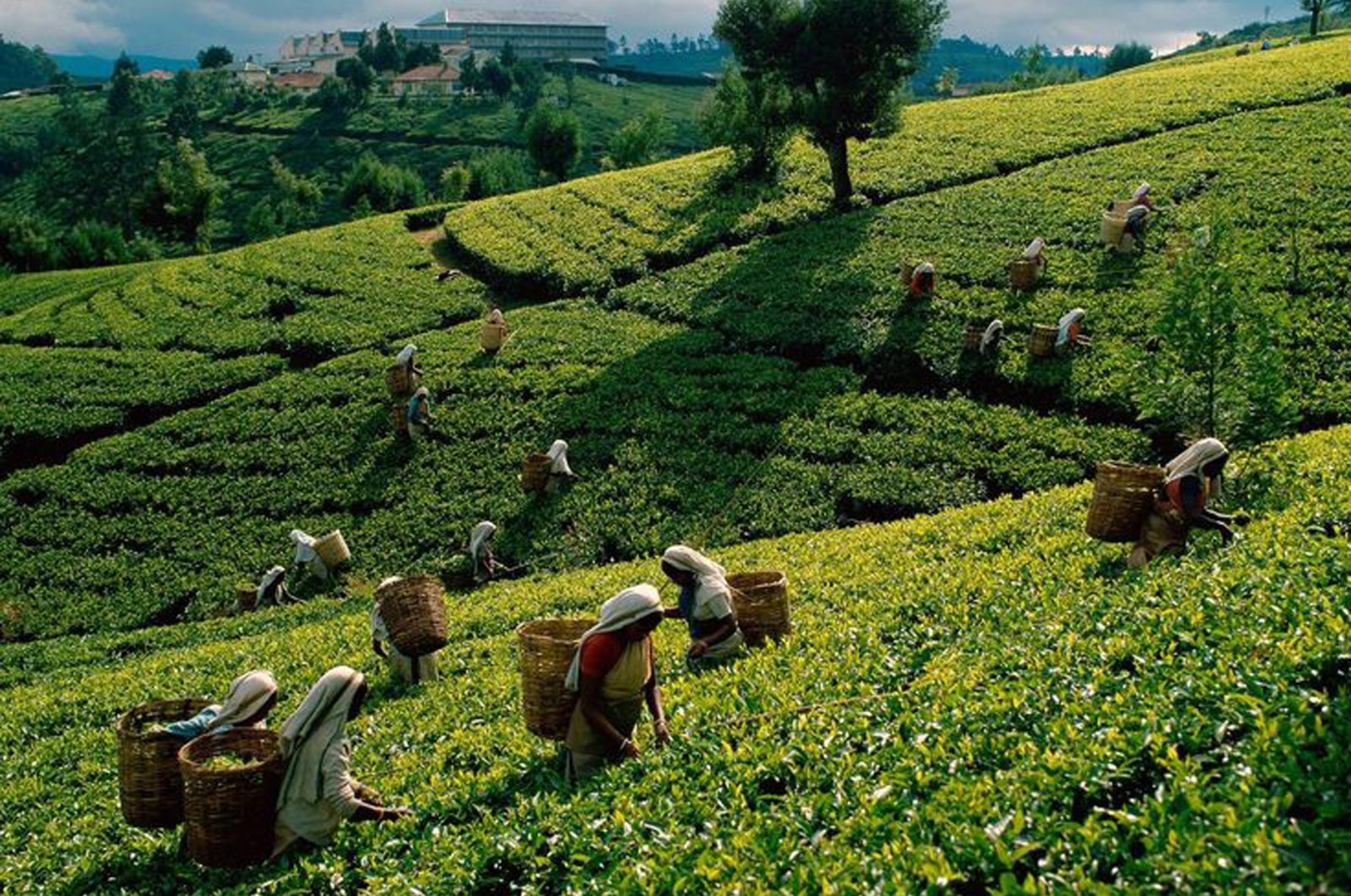
Nepal's Ilam District tea, grown on the eastern Himalayan ridges at elevations of 900-2,100 metres in conditions of volcanic soil, monsoon rainfall, and altitude temperature variation directly analogous to the Darjeeling hills across the border, produces orthodox black and green teas of bright, muscatel-influenced character that international specialty buyers assess as the most geographically credible alternative to Darjeeling's coveted GI-protected production.
The Ilam growing zone, encompassing the Kanyam, Soktim, and Ilam ridge estates on the Mahabharat Range at Nepal's eastern tip, shares the same Himalayan geology, altitude band, cloud forest microclimate, and monsoon moisture pattern as the Darjeeling growing zone from which it is separated by less than fifty kilometres of mountain terrain. The specific combination of metamorphic schist and gneiss soils of the Himalayan foothills, altitudinal temperature variation between day and night, and the persistent morning mist of the ridge growing zones produces tea leaf of the amino acid and polyphenol profile associated with muscatel character development, giving Nepal Ilam second flush its distinctive floral-winey complexity.
The Nepal Tea Development Corporation and increasingly active private estate operators have developed orthodox processing facilities across Ilam that produce hand-rolled whole-leaf teas assessed by international Q-tea evaluators at scores comparable to equivalent Darjeeling lots but available at more accessible price points given the absence of GI premium. For procurement contacts in specialty tea, premium retail, and orthodox whole-leaf tea procurement seeking Himalayan altitude tea with documented Nepal Ilam provenance, muscatel second flush character, and the geographic credibility of the Darjeeling-adjacent growing zone, Nepali Theicultures' Teas value chain offers Himalayan tea heritage of exceptional quality and growing market distinction.
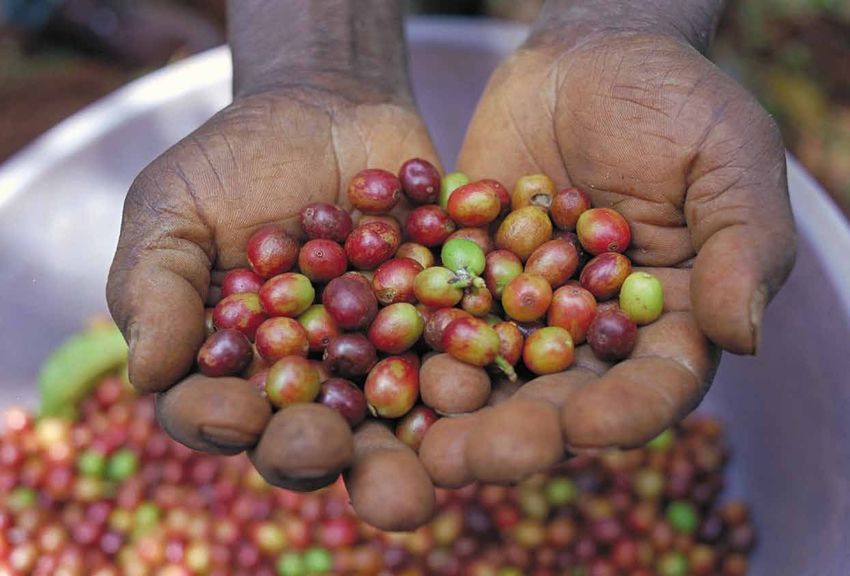
Himalayan arabica coffee from Nepal's Gulmi, Arghakhanchi, and Palpa districts of the mid-western hills, cultivated at elevations of 1,000-1,800 metres on the steep terraced slopes of the Himalayan foothills, is emerging as one of the world's most geographically distinctive high-altitude coffee origins, its extreme growing altitude producing beans of the slow development, concentrated flavour, and bright clean acidity that specialty roasters associate with the finest high-elevation arabica.
Nepal's coffee cultivation, introduced formally in the 1930s and expanded systematically through smallholder development programmes since the 1980s, produces arabica on the terrace-farmed hillsides of the mid-western and western hill districts where the specific combination of Himalayan altitude, monsoon moisture, clear winter skies, and the mineral-rich colluvial soils of the steep hill slopes creates growing conditions that push arabica cultivation to its upper altitude limits. The slow cherry development at these elevations, where cooler temperatures extend the growing season and allow sugars and aromatic precursors to accumulate over a longer period than lowland coffees, is the same mechanism responsible for the quality of highland Kenyan, Ethiopian, and Guatemalan arabica.
The Coffee and Tea Development Board of Nepal and organisations including the Himalayan Bio-Trade have developed processing infrastructure and specialty market connections that are bringing Gulmi and Palpa district coffees to international specialty buyers who are discovering that Nepal can produce washed arabica of sufficient quality to compete at specialty price points. For procurement contacts in specialty coffee and ultra-high-altitude origin sourcing seeking Himalayan arabica from one of the world's newest and most geographically extreme coffee origins, Nepal's emerging Coffeicultures' Coffees value chain offers mountain altitude provenance and the compelling narrative of coffee grown in the shadow of the Annapurna massif.
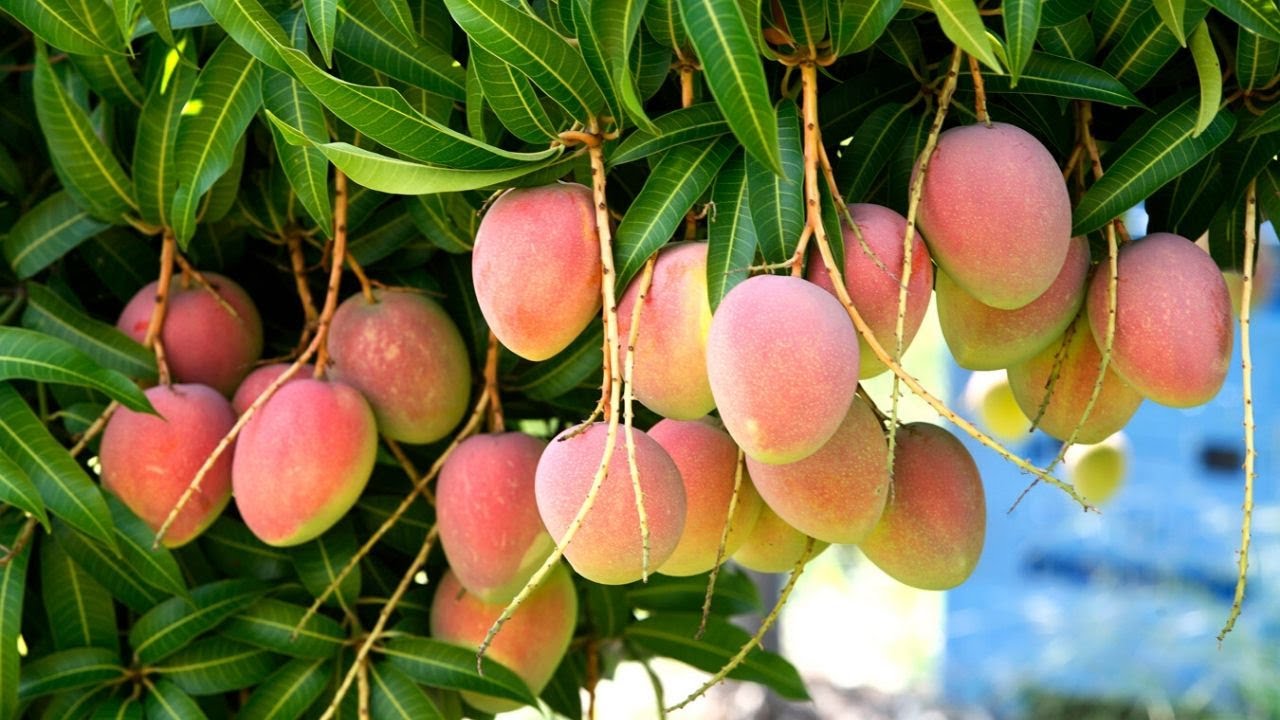
Mustang apples, grown in the Mustang Valley of the former Kingdom of Lo at elevations of 3,500-4,000 metres in the Trans-Himalayan rain shadow of the Annapurna massif, are the world's highest commercially cultivated apples, their extraordinary diurnal temperature variation of 25-30 degrees Celsius between day and night, intense high-altitude UV radiation, and the specific mineral composition of the ancient Tethys seabed soils producing fruit of exceptional crispness, concentrated sweetness, and aromatic intensity found in no other apple growing region on earth.
The Mustang Valley, an arid Trans-Himalayan landscape that receives less than 300 millimetres of annual rainfall in the rain shadow of the Annapurna and Dhaulagiri ranges, sustains apple orchards through snowmelt irrigation from the Kali Gandaki River system in a growing environment of starkly beautiful contrast: the blazing high-altitude sun concentrates sugars in the apple skin during the day while the cold Himalayan nights halt metabolism and preserve the aromatic compounds developed during daylight, creating an apple whose sugar-acid balance and aromatic complexity reflects the extremity of its growing environment.
Mustang apple cultivation, developed since the 1960s from Chinese and American variety introductions by the Kingdom of Mustang's farming communities as a primary cash crop, now produces several thousand tonnes annually of Fuji, Red Delicious, and local varieties that are sold in Kathmandu markets and increasingly exported to Indian urban markets where Mustang apples command significant premium over lowland Himalayan equivalents. For procurement contacts in premium fruit, specialty produce, and high-altitude origin sectors seeking apples with documented Mustang Valley Trans-Himalayan provenance, 4,000-metre altitude growing credentials, and the extreme diurnal temperature character that produces fruit of no equivalent quality in South Asia, Nepali Pomicultures' Fruits value chain offers the world's most altitude-distinctive apple origin.

IFEROUS+ - Aligning with Nepal's sovereign resource identity across Ganesh Himal zinc-lead mineralisation of the Higher Himalayan Crystalline belt, Ilam highland orthodox tea from the Darjeeling-adjacent growing zone of muscatel character and Himalayan altitude depth, emerging high-altitude Gulmi and Palpa arabica from the shadow of the Annapurna, and Mustang Valley apples grown at 4,000 metres in the world's most extreme apple growing environment, we are building integrated value chain partnerships across the mountain kingdom at the roof of the world.
Call our London Office on 020 3355 1985 or email plus@iferous.com to connect with our strategists and discuss opportunities.