-
Resources
- Precious Metals
- Battery Metals
- Industrial Metals
- Nuclear Energy
-
.cultures
- Timbers / Silvicultures
- Cottons / Gossypicultures
- Rubbers / Heveacultures
- Grains / Granicultures
- Oils / Oleicultures
- Sugars / Saccharicultures
- Coffees / Coffeicultures
- Cacaos / Cacaocultures
- Teas / Theicultures
- Flowers / Floricultures
- Fruits / Pomicultures
- Vegetables / Olericultures
- Citruses / Citricultures
-
Regions
- .IFEROUS+
- About
Thailand
'The Land of Smiles, Where Khorat Potash, Monthong Durian, and the World's Largest Rubber Nation Define Southeast Asia's Most Diverse Resource Kingdom'
'Thailand is Southeast Asia's most agriculturally diversified nation and one of the world's most significant food exporters, a kingdom whose tropical landscapes produce rice, rubber, durian, cassava, and sugar in volumes that sustain regional and global food supply chains while supporting a natural resource identity of genuine commercial breadth. The Land of Smiles has been the world's largest natural rubber producing nation for decades, its southern rubber smallholder landscape sustaining one of the most significant agricultural export industries in the Asia-Pacific region.
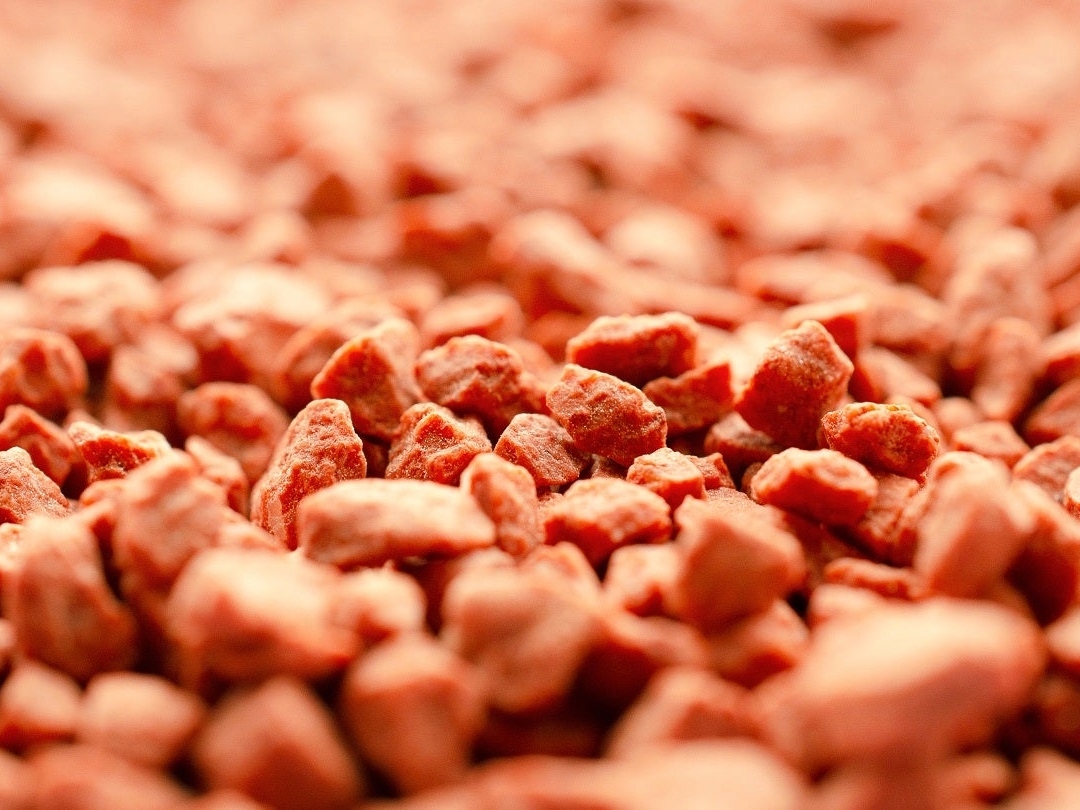
The Khorat Plateau of northeast Thailand conceals beneath its red laterite surface one of the world's most significant untapped potash mineral systems, with evaporite deposits of continental scale whose sylvite and carnallite mineralisation, when developed, will position Thailand among the world's primary potassium fertiliser producing nations in a market currently dominated by Canada, Russia, and Belarus.
From the Monthong durian orchards of Chanthaburi and Rayong whose golden-pillowed fruits command premiums in Chinese luxury markets, to the high mountain oolong tea gardens of Doi Mae Salong whose Yunnan cultivars produce teas of alpine character, Thailand's agricultural portfolio reflects the extraordinary ecological diversity of a country that spans tropical coasts, highland mountains, and dry northeastern plateaus.'

Thailand on Iferous.com
Thailand's Khorat Plateau potash deposits, formed within the Maha Sarakham evaporite formation of Cretaceous age beneath the northeastern provinces of Udon Thani, Nong Bua Lamphu, and Sakhon Nakhon, represent one of the world's most significant undeveloped potassium mineral systems and a strategic agricultural resource whose development would position Thailand as a major global potash supplier.
The Maha Sarakham formation contains sylvite (KCl) and carnallite (KMgCl3) potash minerals at depths of 150-400 metres beneath the plateau surface, with resource estimates placing the Khorat deposits among the largest potash systems in Asia. Thailand has historically imported the entirety of its agricultural potash requirements from Canada, Russia, and Belarus, making domestic potash development a strategic national priority that would both reduce import dependency and create significant export revenue from one of agriculture's most essential crop nutrients.
For procurement contacts in potash mining, fertiliser production, and agricultural chemical sectors engaging with Thailand's mineral development trajectory, the Khorat Potassiferous system offers a strategic position in the global potassium supply chain at a time when traditional supply concentration in North America and Eastern Europe is driving active interest in geographically diversified potash sourcing.
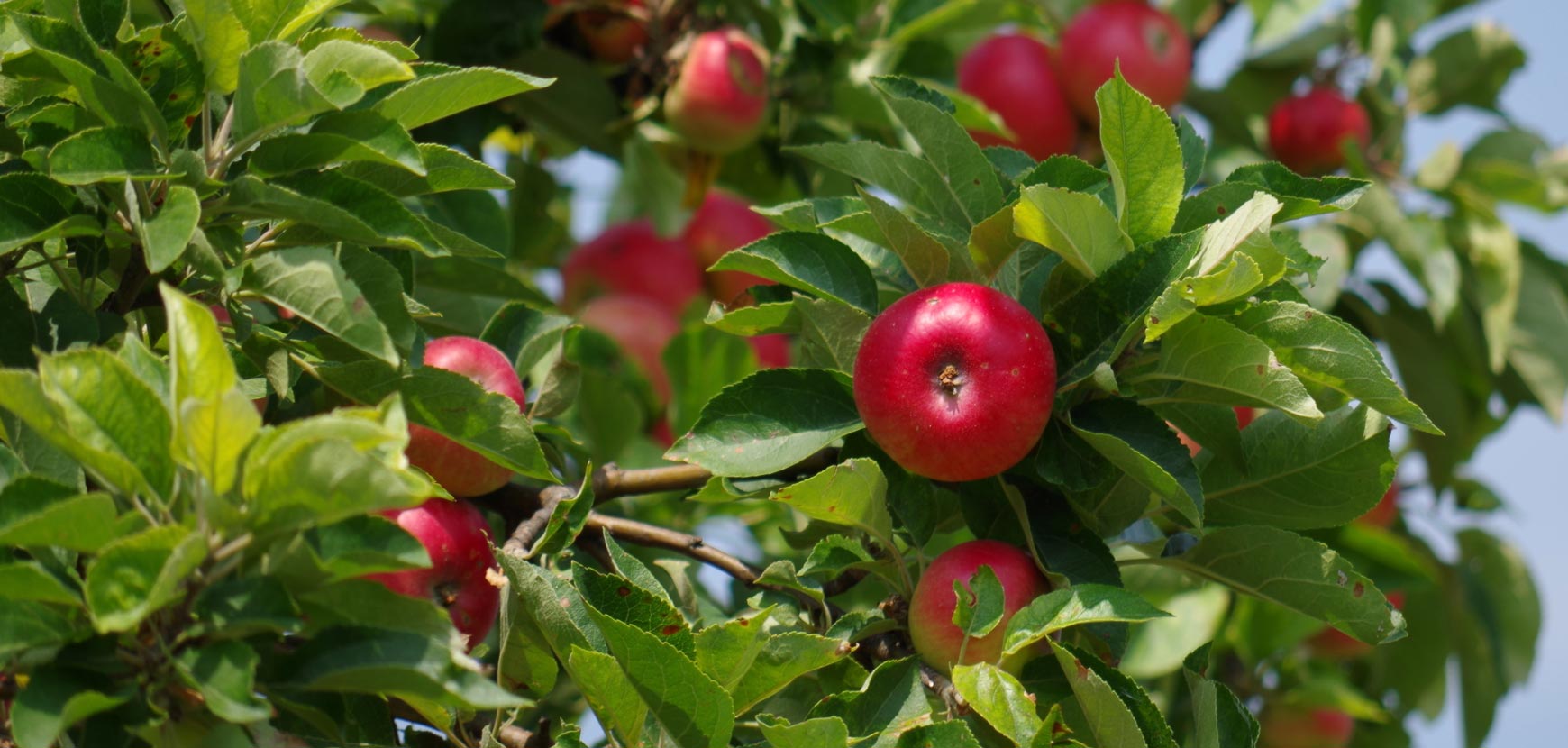
Thai Monthong durian, the Golden Pillow variety that dominates international durian trade with its thick, odour-moderated, creamy yellow flesh and large aril size, is the world's most commercially successful tropical luxury fruit, its exports to China valued in billions of dollars annually and its status in Chinese premium food culture reflecting a reverence for durian that has transformed the economics of Thai orchards in Chanthaburi, Rayong, and Nonthaburi.
The Monthong variety, selected over decades of Thai horticultural breeding for its milder aroma compared to traditional Kampong and Chanee varieties, lower seed size, and thick commercially durable aril, has achieved near-universal market acceptance in Chinese luxury fruit retail where individual fruits in premium presentation boxes command prices that reflect a cultural value placed on durian as the undisputed King of Fruits in Southeast and East Asian food culture. Thailand exports over four hundred thousand tonnes of fresh durian annually at peak season, the majority destined for Chinese markets through both formal and border trade channels.
The Musang King (Mao Shan Wang) durian of Malaysia, while commanding higher per-fruit premium in the Chinese connoisseur market for its more intense bittersweet flavour, relies on Thai Monthong for the volume segment that sustains the global durian trade at commercial scale. For procurement contacts in Asian luxury fruit, premium food retail, and tropical produce sectors seeking Thai durian with documented Chanthaburi or Rayong orchard provenance and export documentation, Thailand's Pomicultures value chain offers the world's dominant commercial durian origin.
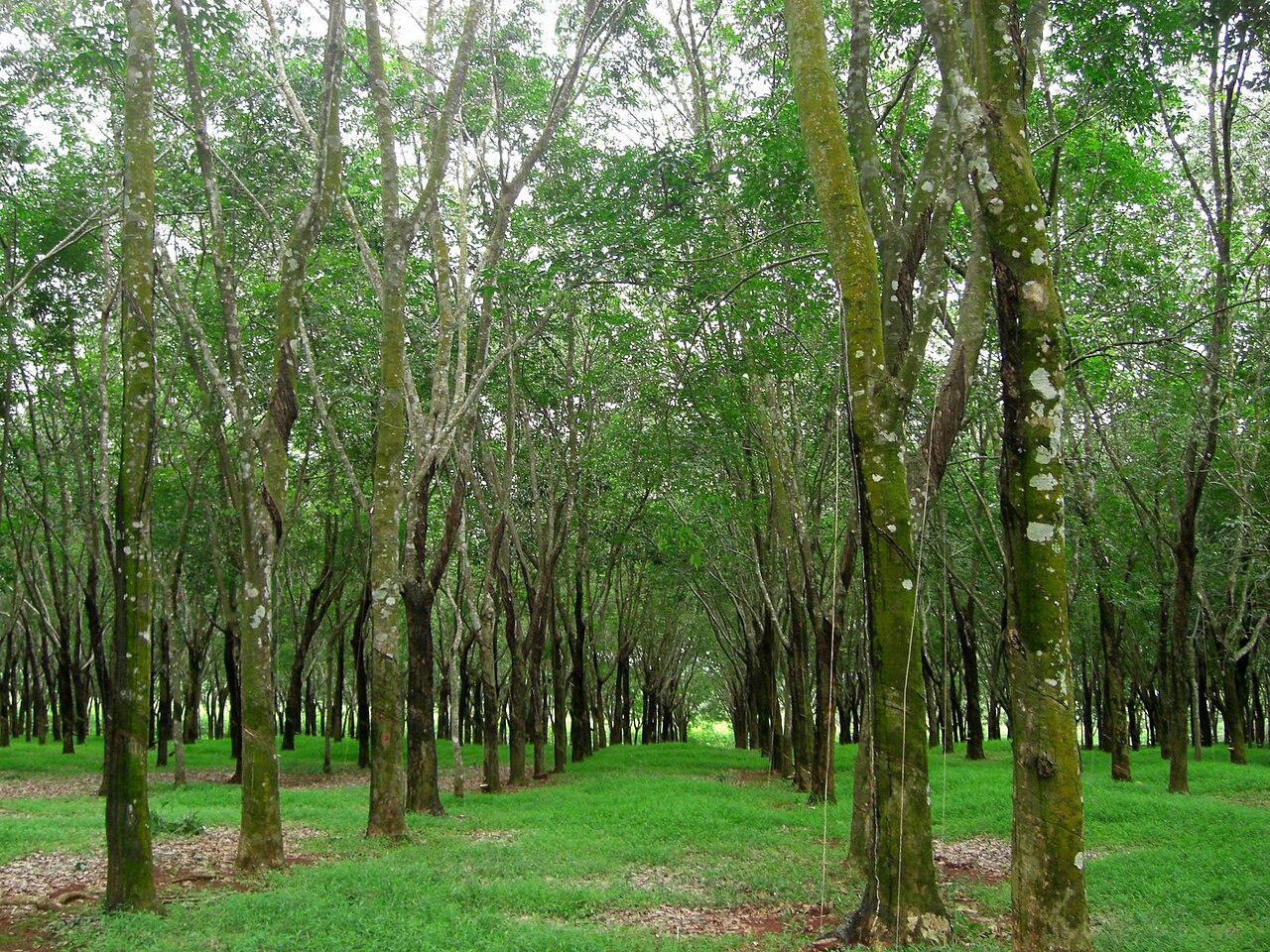
Thailand is the world's largest natural rubber producer, its southern provinces of Songkhla, Surat Thani, Nakhon Si Thammarat, and Yala accounting for approximately thirty-five percent of global natural rubber output from over three million smallholder farmers whose Hevea brasiliensis smallholdings dominate the agricultural landscape of the Thai south.
The Rubber Authority of Thailand (RAOT), established under the Rubber Authority Act, administers the quality grading and export certification of Thai natural rubber, with Standard Thai Rubber (STR) grades 5, 10, and 20 representing the technical rubber specifications that tyre manufacturers and industrial rubber goods producers specify for their formulations. Thailand's dominance of global natural rubber supply has been sustained over decades by the productivity of the Thai smallholder system, in which millions of family farms collectively produce a volume and consistency that no plantation system of equivalent scale could match for supply reliability.
Thailand is also the world's largest producer of rubber wood (Hevea wood) utilised as a sustainable timber after tapping life completion, adding a secondary value chain to the rubber smallholder system. For procurement contacts in tyre manufacturing, industrial rubber goods, latex products, and rubber wood furniture sectors seeking natural rubber and rubber wood with documented Thai provenance, RAOT certification, and the supply reliability of the world's largest producing nation, Thailand's Heveacultures value chain offers the global production benchmark.
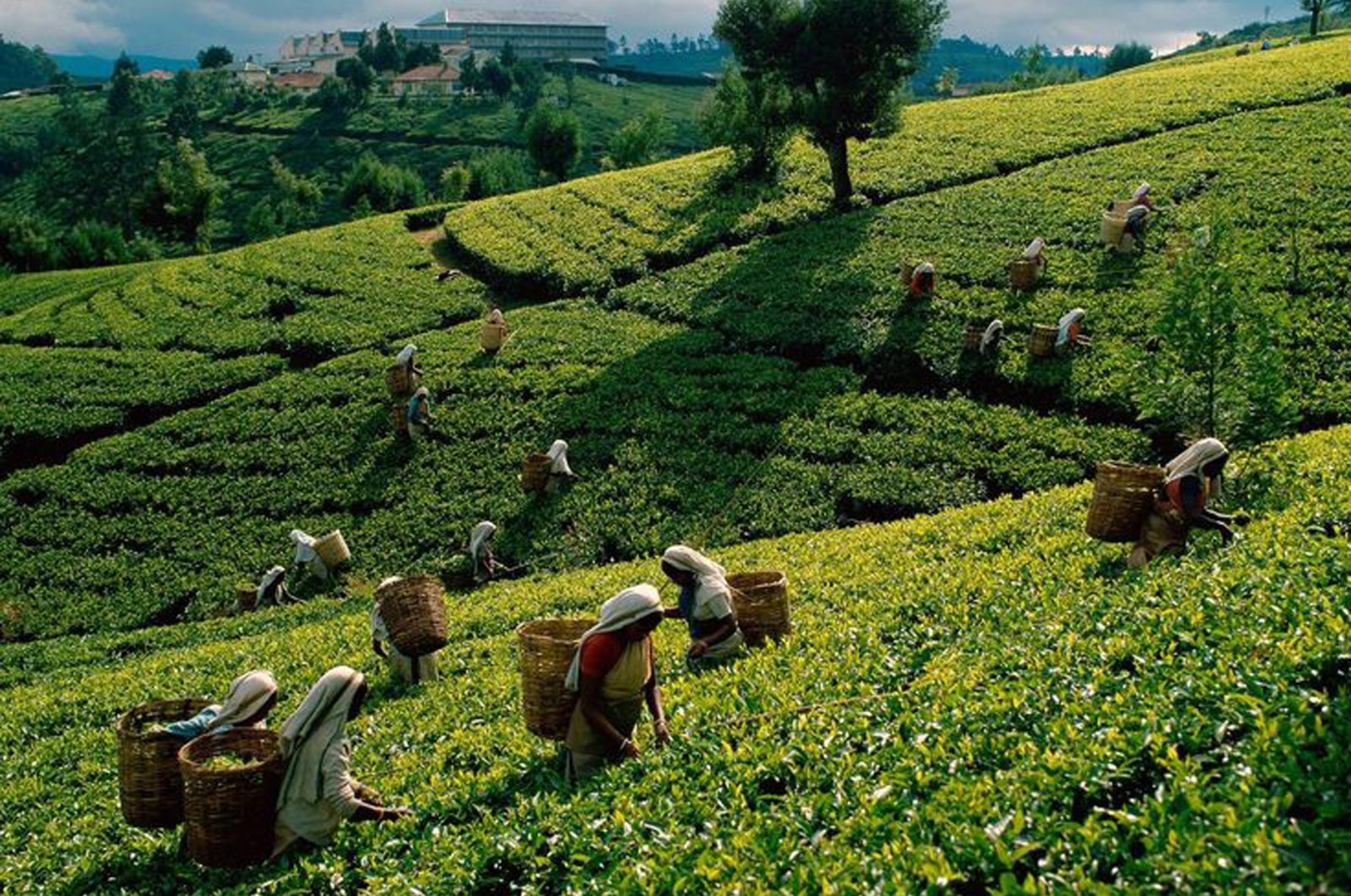
Doi Mae Salong oolong, produced from Yunnan tea cultivars planted by Kuomintang refugees in the highlands of Chiang Rai Province at 1,200-1,800 metres altitude, is Thailand's most internationally distinctive tea, its alpine growing conditions and Taiwan-trained processing techniques producing oolongs of delicate floral character and mountain freshness that have established the Mae Salong highlands as one of Southeast Asia's most respected high-altitude tea origins.
The tea gardens of Mae Salong (officially Santikhiri), established in the 1960s by former Nationalist Chinese soldiers who brought tea cultivation knowledge and Yunnan cultivar seedlings from across the border, produce both green and lightly oxidised oolongs whose character reflects the cool temperatures, morning mists, and well-drained granitic soils of one of northern Thailand's highest agricultural communities. The Doi Mae Salong growing conditions, where altitude creates day-night temperature variations essential for slow leaf development and aromatic amino acid accumulation, produce teas assessed by buyers as having genuine alpine character distinguishable from both Chinese and Taiwanese equivalents.
Thailand's broader northern highland tea landscape, encompassing growing areas in Doi Inthanon, Doi Angkhang, and Chiang Mai highland zones, adds further dimensions of Thai mountain tea production to an industry increasing in both quality documentation and international market recognition. For procurement contacts in specialty tea, Asian origin, and high mountain tea sectors seeking Thai highland oolong with documented Doi Mae Salong provenance and altitude cultivation credentials, Thailand's Theicultures value chain offers Southeast Asian highland tea of historical depth and alpine character.
IFEROUS+ - Aligning with Thailand's sovereign resource identity across Khorat Plateau potash of world-scale strategic mineral significance, Monthong durian as the world's most commercially successful tropical luxury fruit, the world's largest natural rubber production sustaining global tyre and industrial supply chains, and Doi Mae Salong alpine oolong of Yunnan highland heritage, we are building integrated value chain partnerships across Southeast Asia's most agriculturally diversified kingdom.
Call our London Office on 020 3355 1985 or email plus@iferous.com to connect with our strategists and discuss opportunities.