Uganda

'The Pearl of Africa, Where Coffee, Roses, and Critical Minerals Forge a Trading Nation of Continental Importance'

'Uganda is the Pearl of Africa, a landlocked equatorial nation of extraordinary natural beauty whose fertile soils, abundant rainfall, and Lake Victoria shoreline support one of the continent's most diverse agricultural and mineral economies. From the volcanic slopes of Mount Elgon to the highlands of the southwest, Uganda's landscape produces coffee, tea, roses, and vanilla of genuine international distinction.

Ugandan Bugisu arabica coffee from the slopes of Mount Elgon, Uganda Fine Robusta from the Lake Victoria basin, highland tea from the southwestern tea estates, and cut roses exported year-round to European flower markets represent an agricultural export portfolio of genuine geographic distinction rooted in the specific conditions of equatorial highland cultivation.

Beneath Uganda's ancient Precambrian geological foundation, the Kilembe copper-cobalt mine in the Rwenzori foothills represents a mineral endowment of growing strategic importance as global demand for battery metals accelerates, with the Albertine Graben's emerging laterite cobalt systems adding further critical mineral potential to Uganda's sovereign resource identity.'

Uganda on Iferous.com

Uganda's Kilembe copper-cobalt deposit in the Rwenzori foothills, historically one of East Africa's significant cobalt producers, represents a mineral endowment of growing strategic importance as global battery supply chains seek diversified, responsibly sourced cobalt from politically stable African jurisdictions.

The Kilembe mine in Kasese District operated as a copper-cobalt producer from the 1950s until 1977, with the cobalt by-product establishing Uganda as one of Africa's early cobalt contributing nations across six decades of geological documentation. The mineralisation is hosted within metamorphic schist sequences of the Rwenzori Mountain basement, where hydrothermal enrichment of cobalt-bearing sulphide minerals produced commercially viable ore grades throughout the mine's operational life.

Uganda's broader cobalt potential extends into the western Albertine Graben, where geological surveys have identified lateritic cobalt-nickel mineralisation overlying mafic and ultramafic basement sequences, analogous to producing nickel-cobalt mines elsewhere in Africa. For procurement contacts seeking cobalt from an East African source with documented geological characterisation and a government framework committed to responsible mineral development, Uganda's cobalt value chain offers strategic importance growing in direct proportion to global battery metal demand.

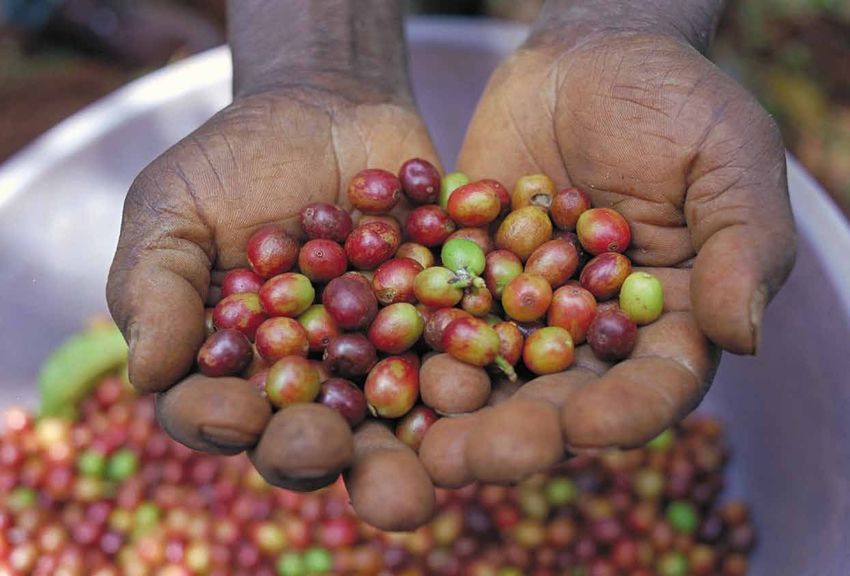
Ugandan Bugisu arabica, grown on the western slopes of Mount Elgon at elevations between 1,500 and 2,300 metres in the Bugisu District of eastern Uganda, is East Africa's most distinctively characterful high-altitude arabica, its volcanic soil brightness and winey fruity acidity placing it among the continent's most sought-after single-origin specialty coffees.

Mount Elgon's western slopes create a specific microclimate of consistent cloud cover, high altitude temperature variation between day and night, and well-drained volcanic soils derived from the mountain's ancient caldera geology that produces arabica of exceptional cup complexity. Bugisu coffee is predominantly wet-processed through washing stations in the region, producing a clean, bright cup characterised by intense citrus acidity, fruity berry notes, and a body that specialty roasters describe as distinctively East African while carrying a specific Elgon character recognisable to experienced cuppers.

Uganda Fine Robusta from the Lake Victoria basin complements the arabica story, with Ugandan Fine Robusta recognised by international coffee traders as among the most flavourful and lowest-defect robusta commercially available, supporting its use in espresso blends requiring crema development and body without the bitterness of lower-quality robusta origins.

For procurement contacts in the specialty coffee, artisan roasting, and commercial blend sectors seeking Bugisu arabica with Mount Elgon altitude provenance, washing station traceability, and the cup character of one of East Africa's most geographically distinctive coffee origins, Ugandan coffeiculture's Coffees value chain offers provenance of volcanic altitude and cooperative heritage.

Uganda's cut flower industry, concentrated in the highlands of Entebbe and the shores of Lake Victoria where equatorial light intensity, reliable water access, and year-round growing temperatures create near-ideal floriculture conditions, has established the country as one of sub-Saharan Africa's most significant cut flower exporters to European markets.

Ugandan cut flower farms, primarily producing roses, alstroemerias, and summer flowers for the Dutch flower auction system, operate at altitudes of 1,000 to 1,200 metres where the combination of equatorial light, Lake Victoria's moderating influence on temperature, and well-drained volcanic laterite soils produces roses of strong stem length, dense petal count, and long vase life that meet the technical specifications of Dutch auction grading systems.

The competitive advantage of Ugandan floriculture derives from year-round production capability without the seasonal interruptions that affect European and North African flower producers, combined with competitive labour costs and the proximity advantage of direct airfreight connections to Dutch hub airports. The Lake Victoria basin farms supplying flowers to Entebbe International Airport for onward European distribution have developed logistics systems capable of delivering flowers from farm to European retail within 48-72 hours of cutting.

For procurement contacts in the floriculture, cut flower wholesale, and retail sectors seeking Ugandan roses and summer flowers with documented Lake Victoria basin provenance, Dutch auction grade certification, and the year-round supply reliability of equatorial highland floriculture, Ugandan floriculture's Flowers value chain offers supply consistency and tropical growing condition distinction.

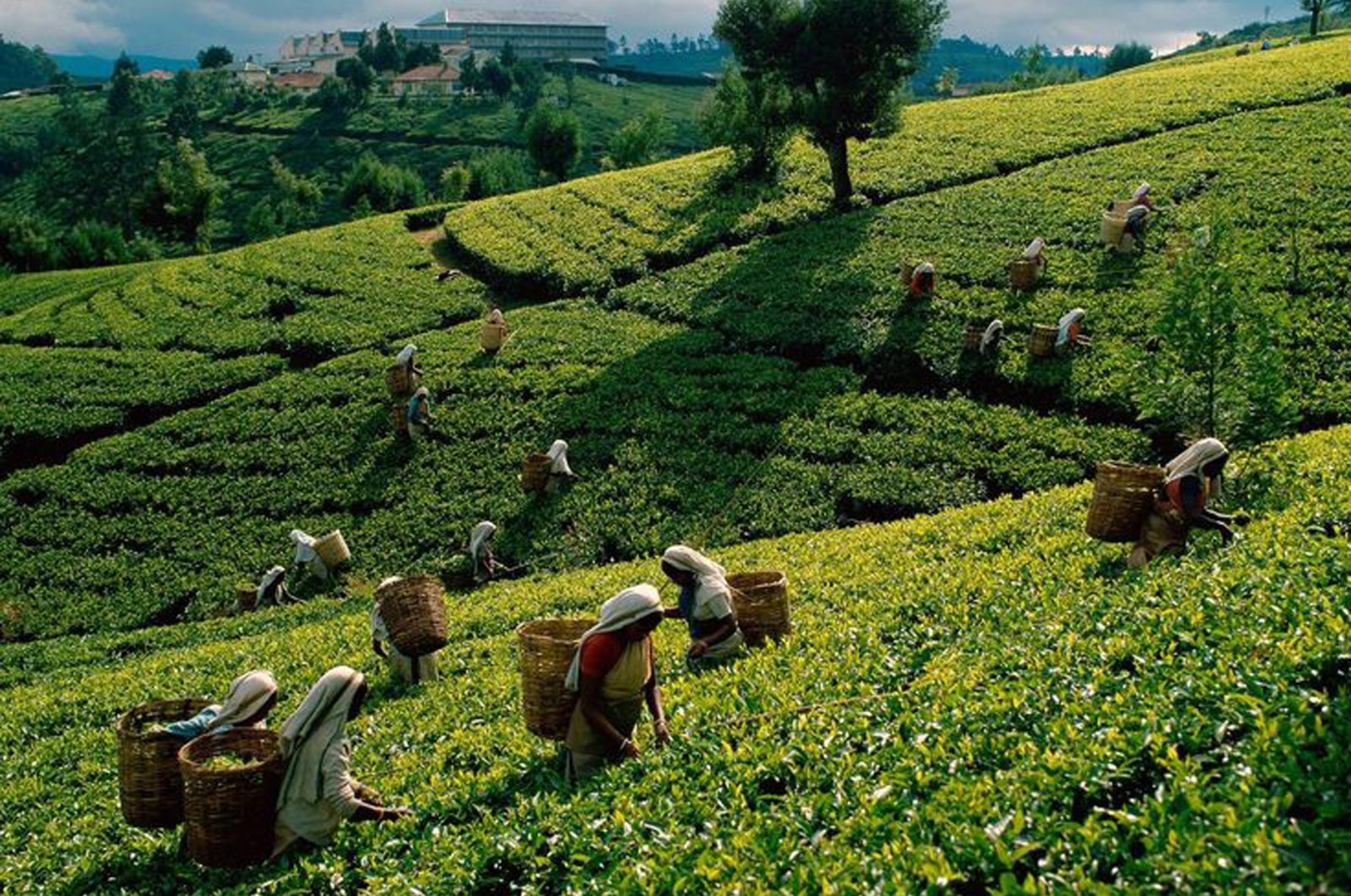
Ugandan highland tea, grown across the estates of Tooro, Kigezi, and Ankole in the southwestern highlands at elevations of 1,400 to 2,000 metres, produces black tea of consistent quality characterised by its bright liquor, brisk character, and blending strength that has established Uganda as one of East Africa's most reliable tea export nations.

The southwestern highlands of Uganda, encompassing the tea growing districts around Fort Portal, Kabale, and Bushenyi, benefit from the dual rainy seasons of equatorial altitude climate, providing year-round harvesting conditions that give Ugandan tea estates a production continuity advantage over single-season growing regions. The volcanic and laterite soils of Uganda's highland tea belt, enriched by the ecological influence of the Albertine Rift and Rwenzori Mountain geology, produce a tea leaf of above-average catechin concentration giving the finished tea its characteristic brisk, full-bodied character.

Uganda's tea industry, managed through the Uganda Tea Authority and supplied to international buyers through established Mombasa auction channels, produces predominantly Cut Tear Curl grades preferred by blenders supplying the global tea bag market. The consistent quality profile of Ugandan CTC tea, combined with its competitive pricing relative to Kenyan and Indian equivalents, has established Uganda as a dependable component in major blend formulations for European and North American retail brands.

For procurement contacts in the tea blending, packaging, and specialty retail sectors seeking East African highland tea with documented Ugandan origin, consistent CTC grade quality, and the dual-season production continuity of equatorial highland theiculture, Ugandan Theicultures' Teas value chain offers blending consistency and East African highland provenance.

IFEROUS+ - Aligning with Uganda's multi-dimensional sovereign resource identity across Kilembe cobalt of battery metals heritage, Mount Elgon Bugisu arabica of East Africa's most altitude-distinctive coffee character, Lake Victoria basin cut roses for European floriculture markets, and southwestern highland tea for the global blending supply chain, we are building integrated value chain partnerships across the Pearl of Africa's most scientifically distinctive assets.

Call our London Office on 020 3355 1985 or email plus@iferous.com to connect with our strategists and discuss opportunities.

Resource identity. Sovereign value. Shared future.

Uganda