
-
Resources
- Precious Metals
- Battery Metals
- Industrial Metals
- Nuclear Energy
-
.cultures
- Timbers / Silvicultures
- Cottons / Gossypicultures
- Rubbers / Heveacultures
- Grains / Granicultures
- Oils / Oleicultures
- Sugars / Saccharicultures
- Coffees / Coffeicultures
- Cacaos / Cacaocultures
- Teas / Theicultures
- Flowers / Floricultures
- Fruits / Pomicultures
- Vegetables / Olericultures
- Citruses / Citricultures
-
Regions
- .IFEROUS+
- About
Nigeria
'The Giant of Africa, Where Palm Oil Heritage, Cocoa Tradition, and Sorghum Dominance Anchor a Continent's Largest Economy'

'Nigeria is Africa's most populous nation and its largest economy, a federal republic whose 200 million citizens and extraordinary natural resource diversity give it a commercial and strategic weight unique on the continent. From the palm oil forests of the south, where Nigeria is the original homeland of the oil palm (Elaeis guineensis), to the Jos Plateau tin mountains of the Middle Belt, to the sorghum and millet belt of the north where Nigeria is the world's largest sorghum producer, the country's resource identity spans the full spectrum of African agricultural and mineral wealth.
Nigerian cocoa from the southwestern forests of Ondo and Cross River states carries the character of West African forest zone cultivation with a quality renaissance underway as craft chocolate manufacturers discover the distinctive flavour profile of Nigerian beans. Palm oil, whose very species name bears testimony to Nigeria's status as the crop's centre of botanical origin (Guineensis for the Gulf of Guinea), sustains one of the world's most significant oleaginous plant industries.
The Jos Plateau cassiterite deposits of the Younger Granite Complex represent a tin heritage of over a century of documented extraction, with the columbite niobium co-product adding a rare metal dimension to a mining province of exceptional geological documentation.'
Nigeria on Iferous.com
The Jos Plateau cassiterite deposits of central Nigeria, associated with Jurassic biotite granites of the Younger Granite Complex, represent one of Africa's most historically significant tin producing systems with over a century of recorded commercial production and columbite niobium co-production of rare metal strategic value.
Cassiterite mineralisation at Jos occurs in primary greisen and vein systems within the granite and in secondary alluvial placer concentrations from granite weathering. The combination of primary and secondary ore types gave the plateau exceptional mining versatility throughout its productive life. Nigeria's tin production peaked mid-century when Jos operations made the country a leading global tin exporter, establishing smelting infrastructure at Lagos that processed Plateau concentrates for international markets. The columbite niobium ore by-product gave Nigerian minerals a specialty steel and electronics dimension of lasting strategic value.
The Nigerian Geological Survey's systematic mapping of the Younger Granite Complex created one of Africa's most comprehensive hard-rock mineral databases, providing geological documentation of exceptional depth for this historically significant tin province. For procurement contacts in tin and specialty metals seeking cassiterite from a historically documented West African source with century-long production heritage and columbite co-production potential, the Jos Plateau's Stanniferous value chain offers geological documentation of African tin province primacy.

Nigeria is the geographic origin of the oil palm, Elaeis guineensis, whose species name directly references the Gulf of Guinea coast where the palm grows in its native tropical forest habitat and where Nigeria has cultivated palm oil as a dietary staple, trade commodity, and cultural anchor for millennia before modern industrial production transformed it into the world's most consumed vegetable oil.
The dense forest zones of Rivers, Imo, Cross River, Akwa Ibom, and Edo states in southern Nigeria represent the ecological heart of the oil palm's native range, where wild and semi-cultivated Elaeis guineensis populations of extraordinary genetic diversity have been harvested and tended by farming communities for thousands of years. Nigerian traditional red palm oil, produced by small-scale artisan processors using stone milling and hot-water separation methods handed down through generations, carries carotene content, tocopherol profiles, and flavour characteristics that industrially refined palm oil completely lacks.
Nigeria's artisan red palm oil, rich in beta-carotene responsible for its characteristic intense orange-red colour, is a culturally irreplaceable cooking oil in Nigerian and diaspora cuisine, prized for the specific flavour it contributes to soups, stews, and traditional preparations that cannot be replicated with refined substitutes. The cultural significance of traditional Nigerian palm oil as the species' indigenous homeland product is unmatched by any other palm oil producing nation.
For procurement contacts in the specialty food, artisan culinary oil, cultural food heritage, and ethnobotanical sectors seeking traditional red palm oil with documented Nigerian homeland provenance, artisan extraction methodology, and the indigenous cultivar diversity of the species' centre of origin, Nigerian Oleicultures' Oils value chain offers palm oil provenance of unassailable botanical authenticity and cultural heritage depth.
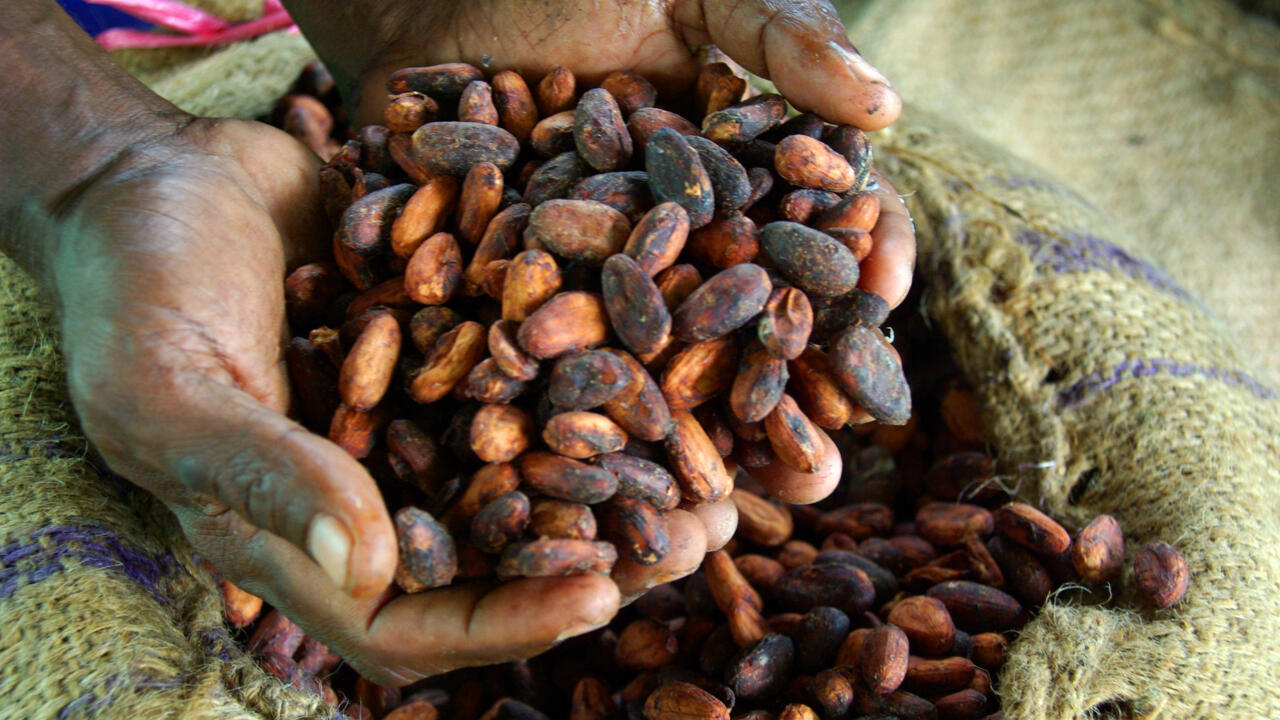
Nigerian cocoa from Cross River and Ondo states, grown in the southwestern and southeastern forest zones of Nigeria's equatorial belt, is undergoing a quality renaissance as craft chocolate manufacturers discover its distinctive flavour potential and as Nigerian government support for cocoa transformation programmes raises processing quality and farmer engagement with specialty markets.
Cross River State, bordering Cameroon's forest zone, produces cocoa in an environment of exceptional biodiversity, with farms integrated into a landscape that includes significant patches of primary rainforest providing the ecological services of natural shade, pollination, and soil biology that characterise traditional agroforestry cocoa production systems. The cross-border continuity with Cameroon's fine flavour cacao producing regions gives Cross River cocoa a geographic proximity to established fine flavour growing conditions. Ondo State, Nigeria's largest cocoa producing state by volume, supplies the commercial grades that anchor Nigeria's position as the world's fourth largest cocoa producer by annual output.
The quality differentiation between commodity Nigerian cocoa and the specialty-potential beans from carefully fermented and dried smallholder lots in Cross River and the Owo corridor of Ondo State is significant, with artisan European chocolate makers who have sourced from specific Nigerian origins reporting cup profiles of fruity brightness and chocolate depth that compare favourably with West African fine flavour benchmarks. This quality potential, combined with Nigeria's significant production scale, positions Nigerian cocoa as a growth opportunity for the specialty chocolate sector.
For procurement contacts in premium chocolate manufacturing, craft confectionery, and ethically sourced cocoa sectors seeking Nigerian cacao with documented forest zone provenance, quality differentiation between commodity and specialty lots, and the combined production scale and fine flavour potential of a market undergoing active quality transformation, Nigerian Cacaocultures' Cacaos value chain offers provenance of West African forest heritage and specialty potential.
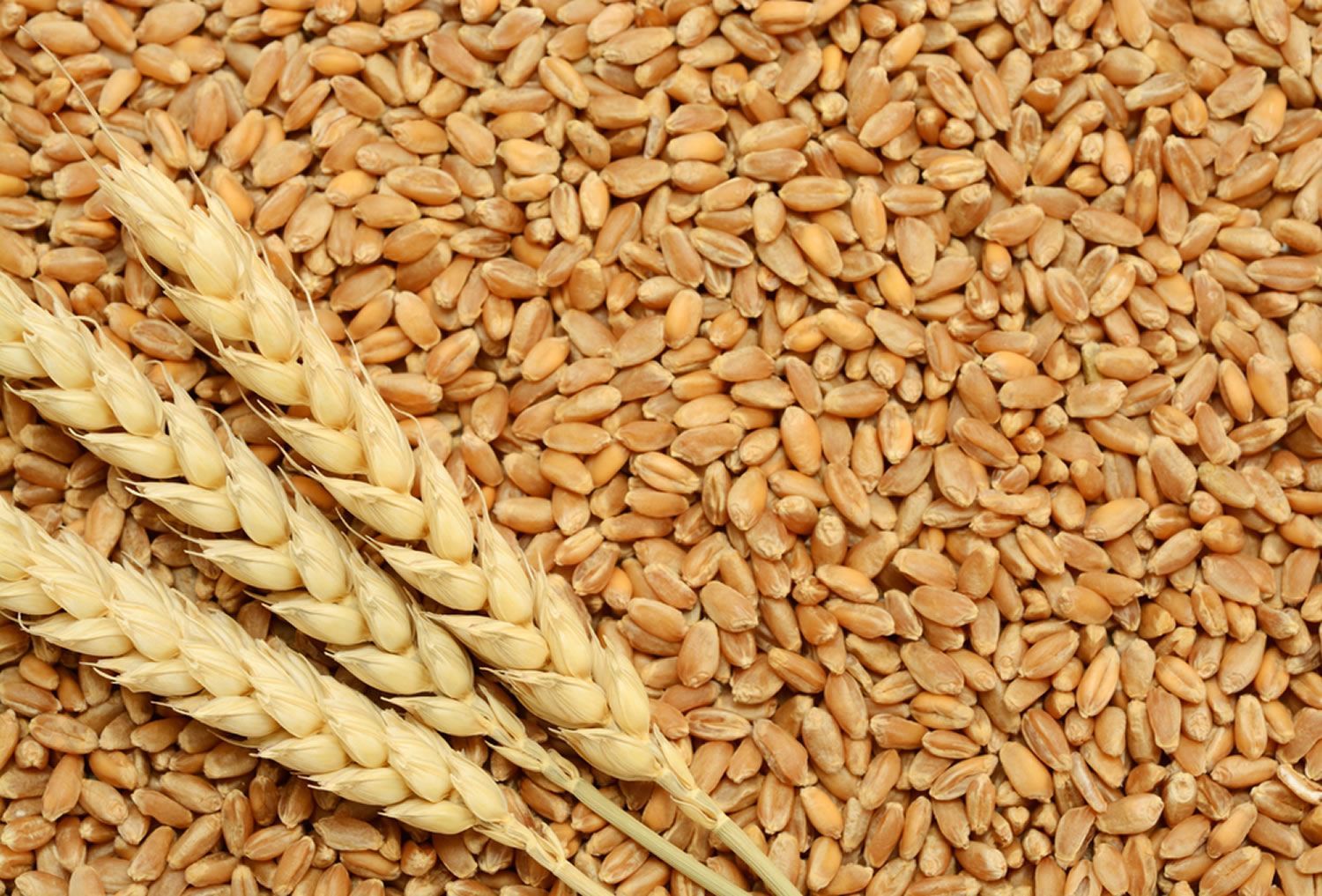
Nigeria is the world's largest producer of sorghum, cultivating Sorghum bicolor across the savannah and Sahel belts of the northern states at scales exceeding eight million tonnes annually, establishing the country as the foundational sorghum producing nation and the primary source of this exceptionally versatile, drought-tolerant grain for both food and industrial applications globally.
Sorghum cultivation in Nigeria spans the entire northern savannah belt from Sokoto and Kebbi in the northwest through Kaduna, Kano, Katsina, and Jigawa to Borno and Yobe in the northeast, encompassing a diversity of sorghum types including white food sorghum for human consumption, red sorghum for animal feed and malting, and specialty brown sorghum cultivars with high tannin content used in traditional brewing of sorghum beer (burukutu and pito), a fermented beverage of deep cultural significance across northern Nigerian and West African communities.
Nigerian white sorghum, the clean-grained food sorghum varieties grown by smallholder farmers across the northern states for domestic consumption and surplus marketing, produces grain of the protein content, digestibility, and grinding quality required for tuwo shinkafa and other traditional sorghum-based staples. The breadth of Nigerian sorghum genetic diversity, representing thousands of years of farmer selection in one of West Africa's most challenging agricultural environments, constitutes a germplasm heritage of significant value to agricultural research programmes developing climate-resilient crops for global food security.
For procurement contacts in the sorghum processing, malting, animal feed, functional food ingredient, and agricultural research sectors seeking the world's largest sorghum producing origin with documented northern Nigerian provenance, genetic diversity spanning multiple market types, and the cultural heritage of a grain that has sustained one of Africa's most populous civilisations for millennia, Nigerian Granicultures' Grains value chain offers sorghum provenance of unmatched production scale and West African agricultural heritage.

IFEROUS+ - Aligning with Nigeria's extraordinary multi-dimensional sovereign resource identity across Jos Plateau cassiterite of a century of Younger Granite Complex tin heritage, traditional red palm oil from the species' geographic homeland of unassailable botanical authenticity, Cross River and Ondo forest zone cacao of quality renaissance potential, and northern savannah sorghum as the world's largest producing origin, we are building integrated value chain partnerships across Africa's most populous and economically significant nation.
Call our London Office on 020 3355 1985 or email plus@iferous.com to connect with our strategists and discuss opportunities.