
-
Resources
- Precious Metals
- Battery Metals
- Industrial Metals
- Nuclear Energy
-
.cultures
- Timbers / Silvicultures
- Cottons / Gossypicultures
- Rubbers / Heveacultures
- Grains / Granicultures
- Oils / Oleicultures
- Sugars / Saccharicultures
- Coffees / Coffeicultures
- Cacaos / Cacaocultures
- Teas / Theicultures
- Flowers / Floricultures
- Fruits / Pomicultures
- Vegetables / Olericultures
- Citruses / Citricultures
-
Regions
- .IFEROUS+
- About
Laos
'The Land of a Million Elephants, Where Bolaven Coffee, Ancient Wild Tea, and the World's Stickiest Rice Heritage Define a Mekong Sovereign'

'Laos is one of Southeast Asia's most ecologically intact nations, a landlocked Mekong country of forested highlands, ancient Buddhist civilisation, and agricultural traditions rooted in some of the most botanically rich landscapes on the continent. Lane Xang, the Land of a Million Elephants, was one of Southeast Asia's most powerful kingdoms for three centuries, and its natural resource identity reflects the depth of a civilisation sustained by the extraordinary biodiversity of the Mekong basin.
The Bolaven Plateau of southern Laos, a volcanic highland rising to 1,350 metres above the Mekong Plain, produces coffee of distinctive character from arabica and robusta grown on the plateau's rich volcanic soils under conditions analogous to the highland coffee zones of Colombia and Ethiopia. The ancient wild tea forests of Phongsali Province in the far north shelter Camellia sinensis trees of estimated centuries of age whose forest-garden harvesting represents one of Southeast Asia's most botanically significant traditional agricultural practices.
And beneath the Savannakhet lowlands, the Sepon copper and gold deposit, developed by Lane Xang Minerals as Laos's most significant hard rock mining operation, contributes a mineral dimension of commercial importance to one of Southeast Asia's most naturally endowed sovereign territories.'
Laos on Iferous.com
The Sepon copper and gold deposit in Savannakhet Province, operated by Lane Xang Minerals as Laos's most significant hard rock mining operation, has produced copper cathode and gold doré from porphyry and skarn mineralisation in the Truong Son fold belt, establishing Laos as a Mekong region copper producer of documented commercial scale.
The Sepon deposit, known operationally as the Khanong copper deposit following exploration expansion, is hosted within Permian limestone and volcanic sequences that have undergone hydrothermal mineralisation producing both gold-bearing oxide and copper sulphide ore types. Copper cathode production from the SX-EW processing circuit has supplied international LME-registered copper markets, while the gold circuit has produced doré bullion of certified fineness. The deposit's geology within the broader Truong Son belt, which extends through Laos and Vietnam, suggests prospectivity for further discoveries along trend.
For procurement contacts seeking copper from a Mekong region source with documented LME-grade cathode production, established processing infrastructure, and the sovereign stability of a Laotian operating environment supported by government mineral development policy, the Sepon Cupriferous value chain offers Southeast Asian copper provenance of commercial documentation and geological belt significance.
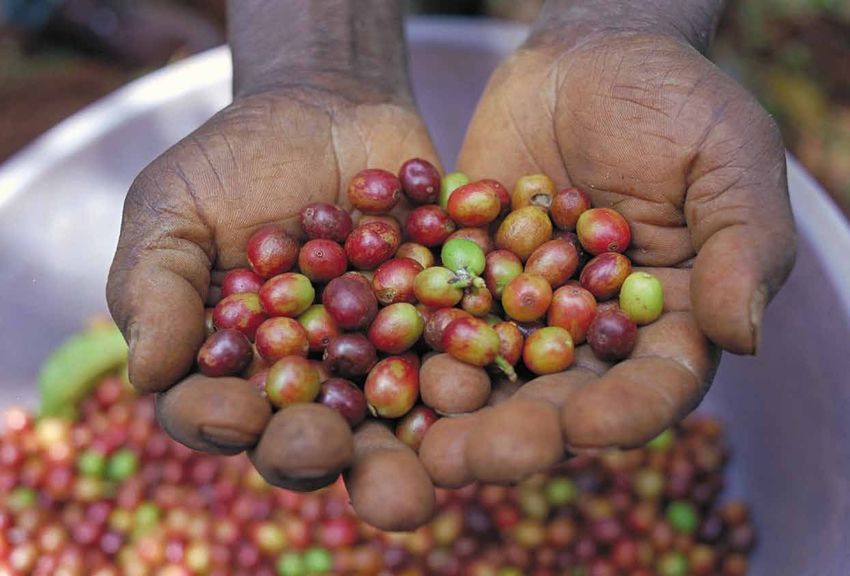
The Bolaven Plateau of southern Laos, a volcanic highland at 1,000-1,350 metres elevation in Champasak, Salavan, Sekong, and Attapeu provinces, produces arabica and robusta coffee of distinctive character from some of Southeast Asia's most fertile volcanic soils, its cool temperatures and reliable rainfall creating growing conditions that produce a cup of notable clarity and body that specialty buyers increasingly source as a genuinely distinct Mekong region origin.
Arabica cultivation on the Bolaven Plateau, introduced by French colonial agricultural development and subsequently developed by Lao smallholder farmers, produces a coffee of mild, well-balanced character with moderate acidity and a clean sweetness reflecting the plateau's volcanic soil mineral fertility and altitude temperature moderation. The specific combination of Bolaven's red basaltic soils, derived from ancient lava flows that give the plateau its characteristic red laterite appearance, and the mist-covered mornings that slow cherry development and concentrate flavour compounds, creates conditions that specialty roasters compare favourably with other volcanic plateau origins.
Organisations including Jhai Coffee Farmers Union have developed cooperative and direct trade frameworks connecting Bolaven Plateau smallholder farmers with international specialty buyers, providing the traceability documentation that supports single-origin premium positioning. For procurement contacts in specialty coffee seeking a Southeast Asian volcanic plateau arabica of documented Bolaven origin, emerging cooperative traceability, and genuine terroir character, Lao Coffeicultures' Coffees value chain offers Mekong highland provenance of increasing specialty market recognition.
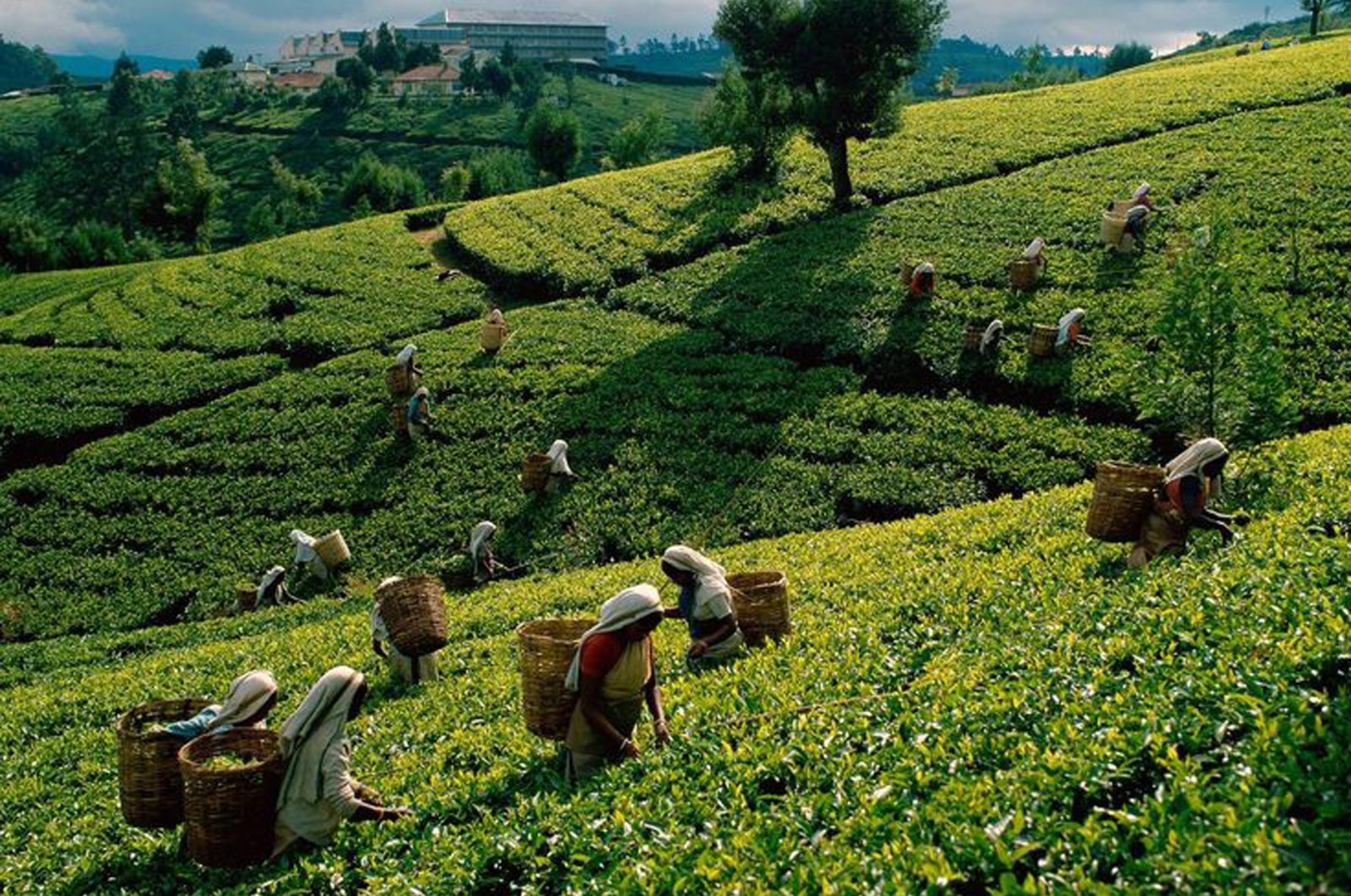
The ancient wild tea forests of Phongsali Province in northern Laos contain Camellia sinensis trees of estimated centuries of age growing in semi-wild forest garden systems that represent some of Southeast Asia's most botanically significant traditional agricultural landscapes, their genetic heritage and traditional harvesting practices of growing commercial interest to the specialty tea sector seeking authenticated ancient tree provenance.
Phongsali, the northernmost province of Laos bordering Yunnan Province of China and neighbouring the tea-producing highlands of Myanmar and northern Thailand, sits within the same Yunnan-Indochina botanical zone that produced the Camellia sinensis species and contains wild and semi-cultivated tea tree populations of the Assamica variety whose size — with trunk girths suggesting ages of several hundred years in the oldest specimens — testifies to the undisturbed forest conditions that have preserved them. The tea from these ancient trees, harvested by local Akha and Phunoy minority communities using traditional hand-picking methods, produces a tea of the full-bodied, complex character that the international ancient tree tea market associates with aged single-tree-origin material.
The commercial interest in ancient tree tea from Phongsali is growing as specialty tea buyers seek authenticated non-plantation tree tea sources beyond the well-known Yunnan pu-erh growing zones, with Phongsali's ancient forest tea offering genetic and provenance distinction of high value. For procurement contacts in specialty tea, traditional botanical, and ancient tree origin sectors seeking documented ancient wild Camellia sinensis from one of Southeast Asia's most botanically intact tea forest landscapes, Lao Theicultures' Teas value chain offers forest provenance of genuine botanical antiquity.
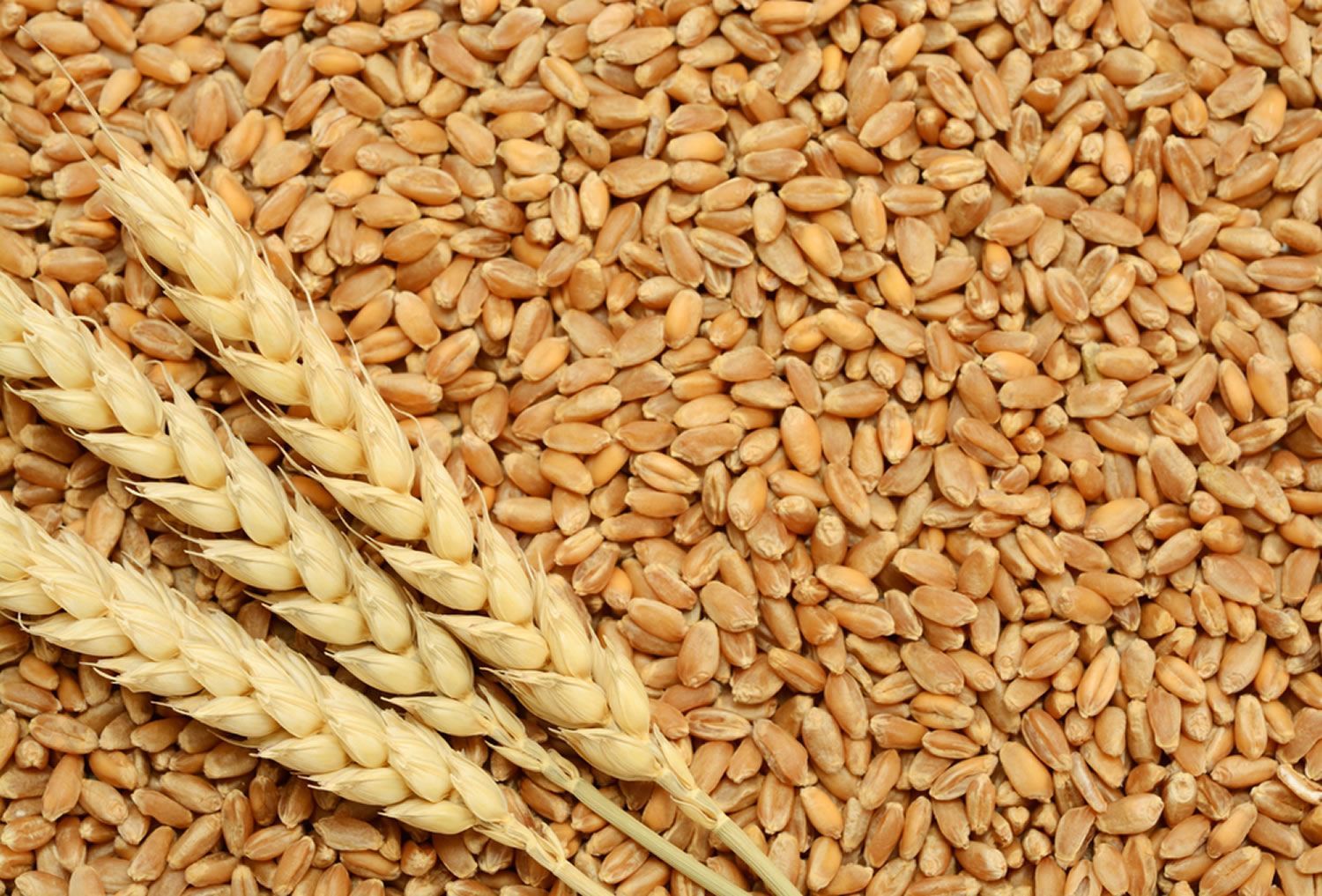
Lao sticky rice, khao niao, the glutinous Oryza sativa var. glutinosa cultivated in the paddy fields and upland gardens of the Mekong valley and Vientiane Plain, is the national staple of Laos and the grain whose cultural centrality is reflected in the fact that Laos has the world's highest per-capita sticky rice consumption of any nation on earth, a distinction reflecting a food identity so deep it shapes the architecture of the traditional hand-woven bamboo steamer and the daily rhythm of Lao life.
Lao sticky rice differs from the non-glutinous rice of neighbouring countries in its near-total waxy starch content, which gives the cooked grain its characteristic cohesive, chewy texture and allows it to be formed into small balls eaten by hand. The cultivation of glutinous rice varieties across the paddy systems of the Mekong floodplain and in the swidden agriculture of the highland minorities represents a diversity of Lao sticky rice landraces whose genetic variation, documented by regional agricultural research programmes, reflects centuries of farmer selection for specific texture, aroma, and cooking quality characteristics.
The red and purple sticky rice varieties of upland Laos, including the Khao Kam black glutinous rice whose deep anthocyanin pigmentation signals both nutritional richness and traditional ceremonial significance, are gaining international market attention as naturally functional grains whose whole grain antioxidant content aligns with functional food market demand. For procurement contacts in specialty grain, Asian food ingredient, and artisan food sectors seeking authentic Lao glutinous rice landraces with documented Mekong valley provenance, Lao Granicultures' Grains value chain offers sticky rice heritage of cultural depth and functional grain distinction.

IFEROUS+ - Aligning with Laos's sovereign resource identity across Sepon copper from the Mekong region's most significant hard rock mining operation, Bolaven Plateau arabica of Southeast Asia's most distinctive volcanic highland origin, Phongsali ancient wild tea trees of botanical antiquity without equal in commercial tea sourcing, and khao niao sticky rice from the nation with the world's highest per-capita glutinous rice consumption, we are building integrated value chain partnerships across the Land of a Million Elephants.
Call our London Office on 020 3355 1985 or email plus@iferous.com to connect with our strategists and discuss opportunities.