Switzerland

'Where Alpine Precision Meets the Purity of the Earth'

'Switzerland occupies a unique position in global commerce, a landlocked nation of extraordinary economic output whose influence far exceeds its geographic boundaries. Known for precision engineering, pharmaceutical excellence, and financial institutions of global standing, Switzerland's trade identity is built on a foundation of uncompromising quality.

The agricultural landscapes of the Swiss plateau yield dairy products of renowned distinction, from Gruyere and Emmental to the milk chocolates that have carried Swiss manufacturing prestige across generations. Protected geographical indications safeguard the authenticity of Swiss produce in global markets, a form of scientific profiling rooted in geography and tradition.

Beneath the Alpine massif, Switzerland's geological formations tell a deeper story. The same tectonic forces that created the Alps produced mineralised veins running through the Helvetic nappes and Aar massif, where silver and associated metals were extracted from medieval times through to the industrial era, leaving a legacy of metallurgical knowledge that informed Swiss precision manufacturing.'

Switzerland on Iferous.com

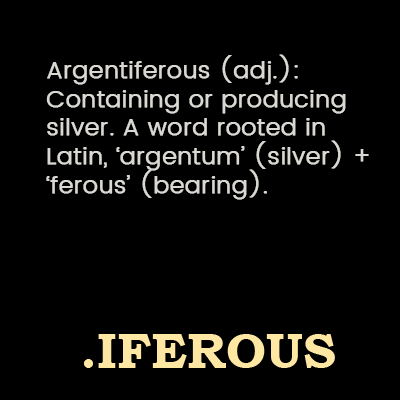
Switzerland's Alpine geological heritage has produced silver deposits of documented purity, embedded within some of Europe's most complex and ancient rock formations.

The silver deposits of the Swiss Alps are associated with polymetallic veins formed during the complex tectonic events that built the Alpine chain. Concentrated in the Aar massif and the Gotthard region, these argentiferous formations were documented by Swiss geological surveys as early as the nineteenth century, with extraction records extending back to the medieval period in cantons including Graubunden and Valais.

Switzerland's position as the world's leading precious metal refining centre is no coincidence. The LBMA-accredited Swiss refineries of Valcambi, PAMP, and Argor-Heraeus process a significant proportion of the world's annual silver output, a tradition of metallurgical precision rooted in Alpine mineral heritage and centuries of Swiss quality culture.

For procurement contacts requiring silver with the highest standards of refining provenance, assay certification, and chain of custody documentation, Switzerland's silver value chain represents the global benchmark, combining geological heritage with the world's most respected precious metal processing infrastructure.

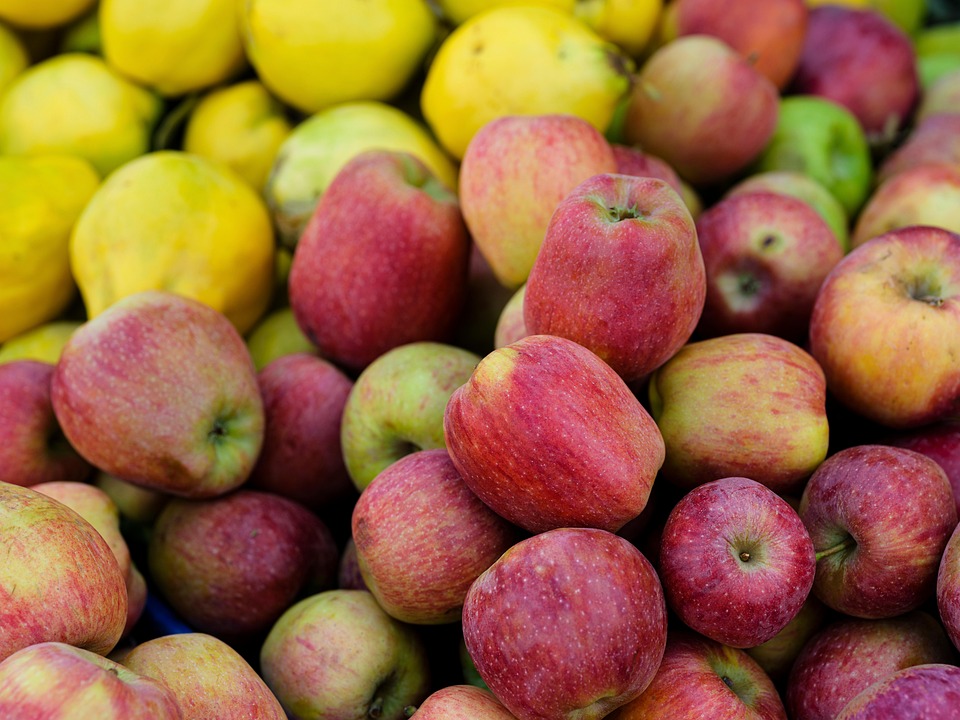
The apricots of Canton Valais, grown in Switzerland's driest and sunniest valley under Foehn wind conditions that concentrate fruit sugars to exceptional levels, represent Europe's most climatically specific premium stone fruit, their flavour intensity a measurable product of the Alpine valley microclimate.

The Rhône valley of Canton Valais, sheltered from Atlantic moisture by the Bernese and Pennine Alps, receives less than 600 millimetres of annual rainfall, creating a semi-arid growing environment uniquely suited to stone fruit cultivation. The Foehn wind, a warm dry Alpine downslope wind that accelerates sugar development in the final weeks before harvest, gives Valais apricots a concentrated sweetness and aromatic intensity that distinguishes them from apricots grown in more humid conditions at lower altitudes.

The Luizet variety, the traditional Valais apricot cultivar, produces fruit of deep orange colour, firm texture, and distinctive almond-like kernel fragrance that reflects its botanical proximity to the wild apricot species of Central Asia. Valais apricot production has received Swiss geographical indication protection, and traditional cultivars are maintained by heritage fruit associations committed to preserving the genetic diversity of Valais stone fruit against the incursion of standardised commercial varieties.

For procurement contacts in premium food, confectionery, distilling, and dried fruit sectors seeking apricots with documented Alpine microclimate character, Foehn wind sugar-concentration heritage, and a geographical identity unique within European stone fruit production, Valais pomiculture's Fruits value chain offers the most climatically distinctive apricot provenance available in European premium fruit markets.

Swiss alpine spruce, grown at altitude in the slow-growth conditions of the Swiss Alps, produces resonance timber of unique acoustic properties, the material of choice for the soundboards of the world's finest violins, cellos, and grand pianos for over three centuries of instrument-making heritage.

Picea abies grown on the south-facing slopes of the Swiss Alps at altitudes of 1,000 to 1,800 metres produces timber of remarkable acoustic character. The extreme slow growth at high altitude, with annual growth rings of less than one millimetre width, creates a wood density uniformity and stiffness-to-weight ratio that gives Alpine resonance spruce its unique ability to vibrate across a broad acoustic frequency range. This property, known as acoustic resonance, makes Swiss Alpine spruce the preferred tonewood for the soundboards of premium violins, cellos, and concert grand pianos.

The Stradivari and Guarneri violins of the seventeenth and eighteenth centuries, still the benchmark instruments against which all modern violins are measured, were constructed from Alpine spruce soundboards sourced from the slow-growth forests of the Italian and Swiss Alps. The specific combination of altitude, temperature, and soil mineralogy that produces acoustically superior Alpine spruce has been studied by physicists and materials scientists, with the regular ring spacing and crystalline wood cell structure confirmed as the physical basis for the timber's exceptional acoustic properties.

For procurement contacts in premium musical instrument manufacturing, acoustic engineering, and heritage timber sectors seeking resonance spruce with the most scientifically documented acoustic character in the world, Swiss alpine silviculture's Timbers value chain offers tonewood of measured acoustic specification, slow-growth Alpine provenance, and a three-century heritage of instrument-making application that defines the global standard for premium acoustic wood.

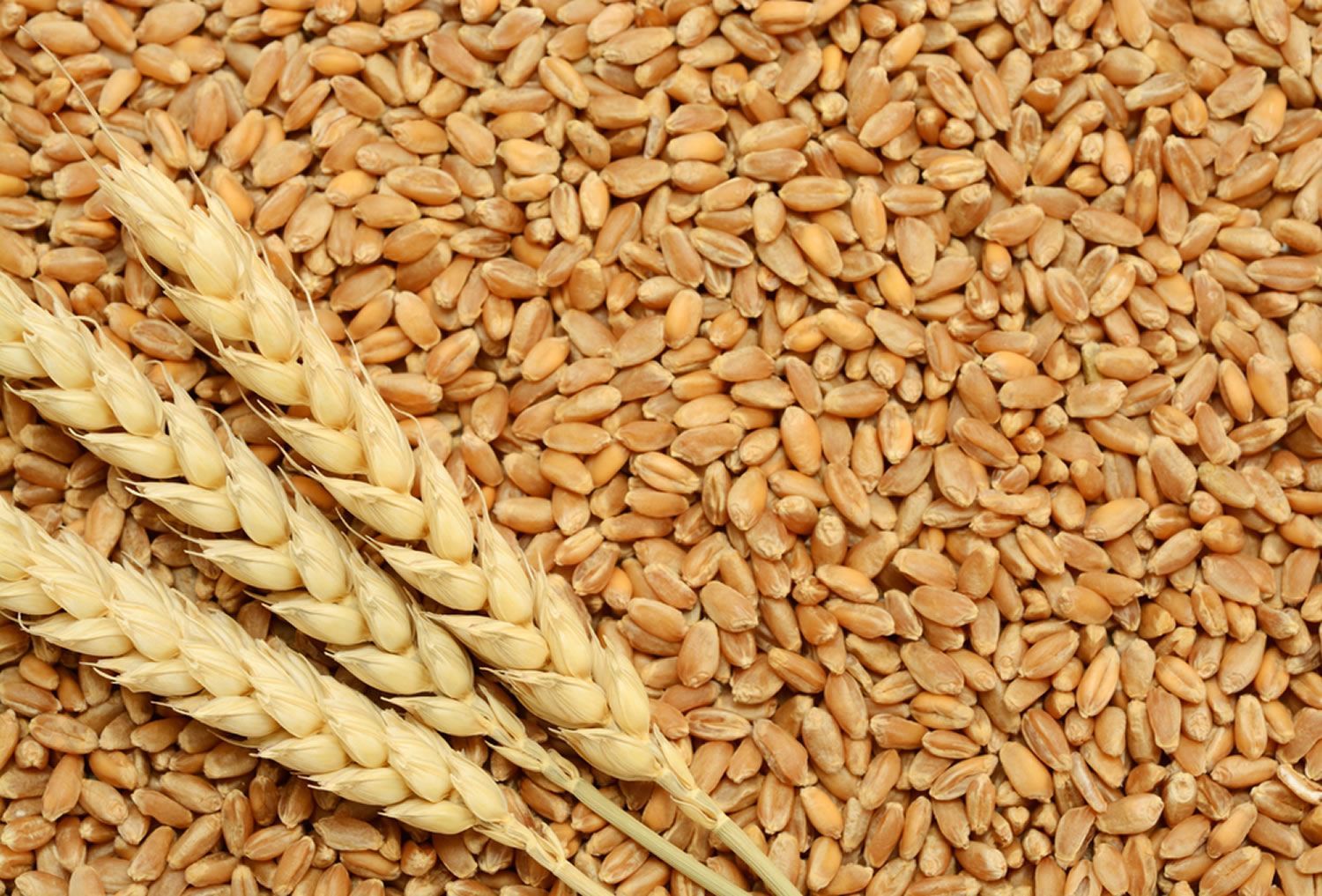
Swiss heritage grain varieties, including the Valais rye adapted over centuries to Switzerland's most extreme mountain growing conditions and the ancient spelt cultivars of the Alpine cantons, represent genetic plant heritage of exceptional agricultural and culinary distinctiveness maintained across millennia of mountain farming culture.

Valais rye, grown in the terraced fields of the Rhône valley's upper reaches at altitudes exceeding 1,200 metres, is one of Europe's most geographically extreme cereal cultivations, producing grain of intense flavour concentration from a variety adapted over centuries to the short growing season, poor mountain soils, and dramatic temperature range of the Swiss high Alps. The dark sourdough bread baked from Valais rye, with its dense crumb and pronounced lactic acidity from long cold fermentation, carries a flavour complexity that flatland rye cannot replicate.

Swiss heritage spelt, known locally as Dinkel, encompasses ancient cultivated varieties maintained in the Alpine cantons that predate modern wheat breeding by thousands of years. Swiss Dinkel carries a different gluten protein structure from modern wheat, with proportions of gliadin variants that give spelt bread its characteristic digestibility and nutty, slightly sweet flavour. The genetic diversity maintained in Swiss heritage grain collections is recognised by the Swiss Federal Office for Agriculture as strategically important biological heritage.

For procurement contacts in the artisan baking, heritage grain, and specialty food sectors seeking grain with documented high-altitude Alpine cultivation heritage, genetic diversity of historical significance, and flavour character shaped by mountain growing conditions irreproducible in lowland agriculture, Swiss graniculture's Grains value chain offers heritage grain provenance of scientific, culinary, and agricultural distinction unique within European cereal production.

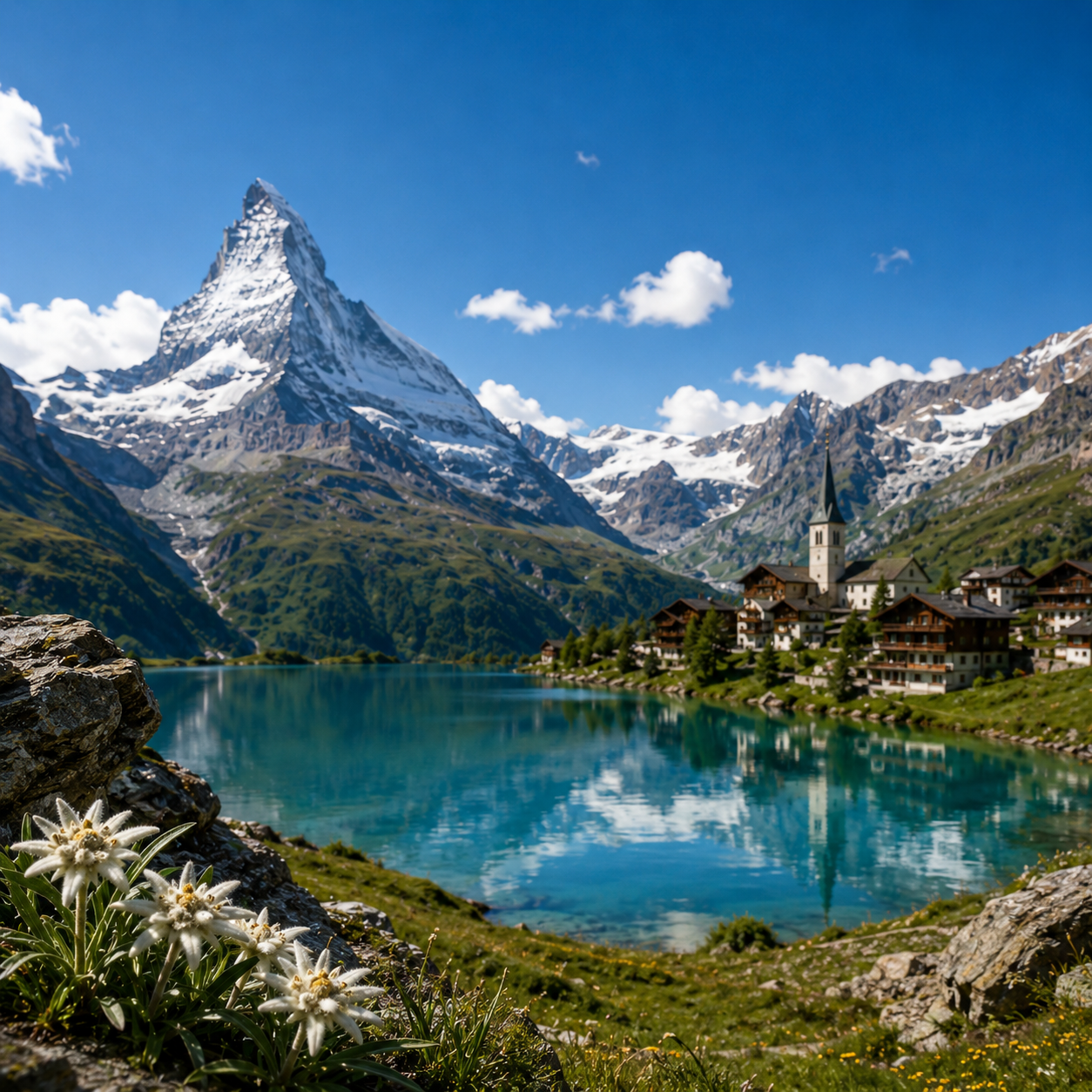
IFEROUS+ - Aligning with Switzerland's multi-dimensional sovereign resource identity across Alpine silver, Valais apricots, resonance spruce tonewood, and heritage mountain grains, we are building integrated value chain partnerships that span the nation's most scientifically distinctive assets, connecting global procurement contacts with the provenance documentation and long-term supply relationships that irreplaceable Swiss resources command.

Call our London Office on 020 3355 1985 or email plus@iferous.com to connect with our strategists and discuss opportunities.

Resource identity. Sovereign value. Shared future.

Switzerland