
-
Resources
- Precious Metals
- Battery Metals
- Industrial Metals
- Nuclear Energy
-
.cultures
- Timbers / Silvicultures
- Cottons / Gossypicultures
- Rubbers / Heveacultures
- Grains / Granicultures
- Oils / Oleicultures
- Sugars / Saccharicultures
- Coffees / Coffeicultures
- Cacaos / Cacaocultures
- Teas / Theicultures
- Flowers / Floricultures
- Fruits / Pomicultures
- Vegetables / Olericultures
- Citruses / Citricultures
-
Regions
- .IFEROUS+
- About
Italy
'Where Ancient Craft and Mineral Depth Define a Trading Nation'
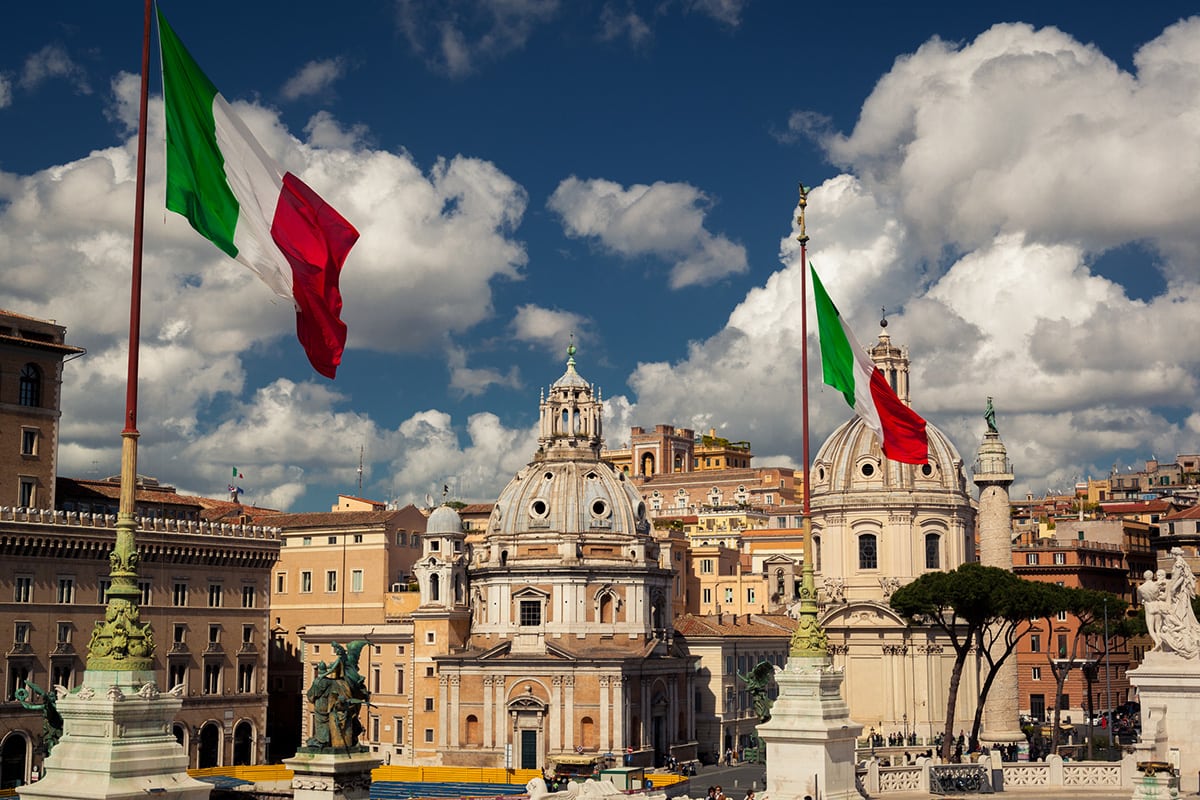
'Italy stands among the world's most diverse and storied trading nations, an economy where artisanship, agriculture, and industrial capacity combine to produce exports of global distinction. From the fashion houses of Milan to the vineyards of Tuscany and Piedmont, Italian identity is inseparable from quality of origin.
The agricultural exports of Italy carry protected geographic designations that are among the most defended in global trade. Parmigiano-Reggiano, Prosciutto di Parma, Barolo, Prosecco, and extra virgin olive oils from Puglia and Sicily represent products where terroir, process, and provenance converge into irreplaceable commercial identities.
Beneath the Italian peninsula and its islands, particularly in Sardinia, the geological record reveals mineral wealth of considerable significance. The island's ancient Variscan basement hosts one of Europe's most historically productive zinc and lead mining districts, a geological legacy that stretches back to Phoenician and Roman extraction and continues to define Sardinia's industrial identity.'
Italy on Iferous.com
Sardinia's zinc and lead belt represents one of Europe's most significant base metal systems, with a geological pedigree spanning millennia of recorded extraction.
The Sulcis-Iglesiente mining district of southwestern Sardinia contains one of the most extensive polymetallic mineral systems in the Mediterranean region. The Montevecchio and Ingurtosu mines, along with the Masua and Nebida complexes, produced zinc, lead, and silver from ore bodies embedded within Cambrian and Ordovician carbonate sequences, formations of exceptional geological antiquity and mineral richness.
The industrial legacy of Sardinian zinc mining shaped the modern Italian metallurgical sector. The Portovesme smelter complex, among Europe's most significant non-ferrous metal processing facilities, draws on the island's mineral heritage and continues to operate as a centre of zinc and lead refining of European importance.
For procurement contacts seeking zinc from a documented European source with geological, historical, and industrial provenance, Sardinia's Sulcis-Iglesiente district offers a value chain where the mineral's journey from ancient carbonate reef to refined metal spans a geological and human story unlike any other zinc source in the world.
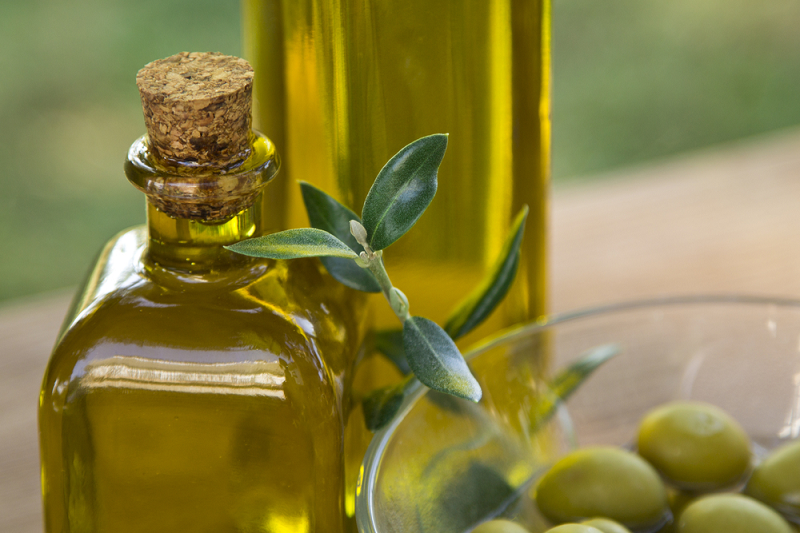
Italy holds more DOP and IGP protected olive oil designations than any other nation on earth, with each regional variety expressing a chemically distinct polyphenol and fatty acid profile shaped by the specific cultivar, climate, and volcanic or calcareous soil of its geographic origin.
Italian extra virgin olive oil encompasses over forty distinct Protected Designation of Origin and Protected Geographical Indication varieties, each reflecting the cultivar genetics and terroir of its specific growing region. The Sicilian oils of the Monti Iblei DOP, produced from the Tonda Iblea cultivar on the basaltic plateau above Ragusa, carry the highest polyphenol content of any Italian olive oil, a function of the volcanic soil mineral richness and the specific stress conditions of the Sicilian interior climate. Ligurian Taggiasca oil offers a contrasting profile of exceptional mildness and low bitterness, shaped by the Mediterranean microclimate of the Ligurian coast.
The chemical diversity of Italian olive oil across its regional expressions, encompassing oleic acid content, polyphenol concentration, tocopherol levels, and aromatic volatile profiles, makes Italy the world's most scientifically comprehensive olive oil producing nation. No other country offers the breadth of documented cultivar-specific chemistry that Italian DOP frameworks provide to procurement contacts requiring precise specification of health-functional or culinary performance parameters.
For procurement contacts in the premium food, nutraceutical, pharmaceutical, and culinary sectors seeking extra virgin olive oil with the most comprehensively documented cultivar-specific chemistry, regional DOP protection, and the production heritage of the world's most diverse olive oil nation, Italian oleiculture's Oils value chain offers provenance and specification depth unmatched in the global olive oil trade.
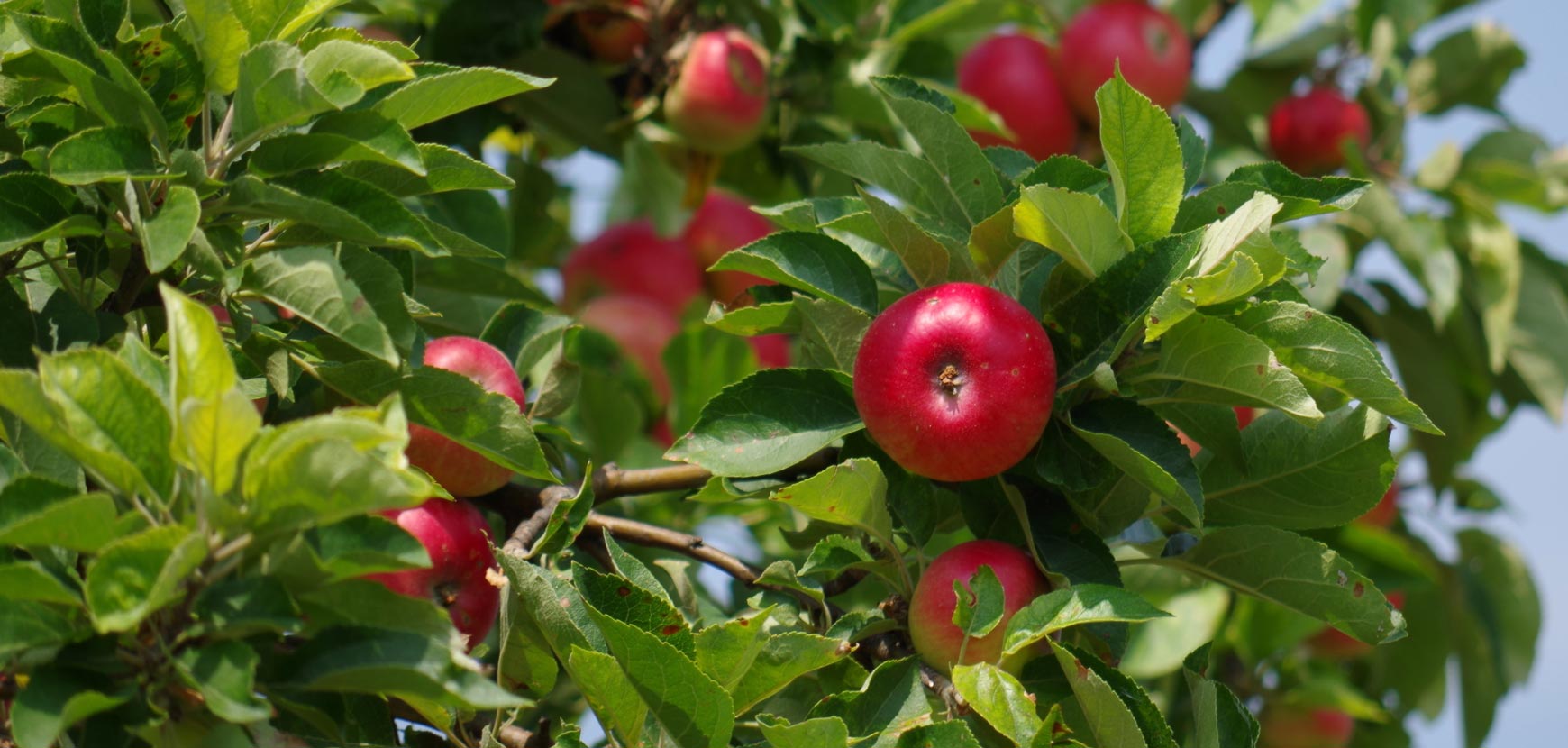
The Arancia Rossa di Sicilia IGP, the blood orange of Sicily's Etna volcanic slopes, is the world's only blood orange with Protected Geographical Indication status, its extraordinary anthocyanin content and deep crimson pigmentation a direct product of the unique temperature variation at the foot of an active volcano.
The blood oranges of the Etna slopes in eastern Sicily, principally the Moro, Tarocco, and Sanguinello varieties, develop their characteristic red pigmentation through the synthesis of anthocyanin compounds triggered by the dramatic temperature contrast between warm Sicilian days and cold nights at volcanic altitude. This thermal variation, unique to the microclimate of the Etna foothills, is the biological mechanism that produces anthocyanin concentrations not found in blood oranges grown in regions of more stable temperature, giving Sicilian blood oranges a documented health-functional profile of scientific significance.
The Tarocco variety, the most prized of the three Sicilian blood orange cultivars, is recognised by nutritional scientists as the orange variety with the highest documented vitamin C content of any citrus fruit measured globally, a property attributed to the specific combination of volcanic soil mineralogy and Etna's thermal stress growing conditions. This singular nutritional distinction gives Tarocco blood orange a scientific identity that extends its value beyond the culinary into pharmaceutical and functional food markets.
For procurement contacts in the premium food, nutraceutical, functional beverage, and pharmaceutical sectors seeking blood orange with EU PGI documentation, documented anthocyanin and vitamin C profiles of volcanic origin, and the scientific distinction of a fruit that develops its most valued properties only on the slopes of a specific Sicilian volcano, Arancia Rossa di Sicilia's Pomicultures value chain offers fruit provenance of extraordinary scientific and commercial singularity.
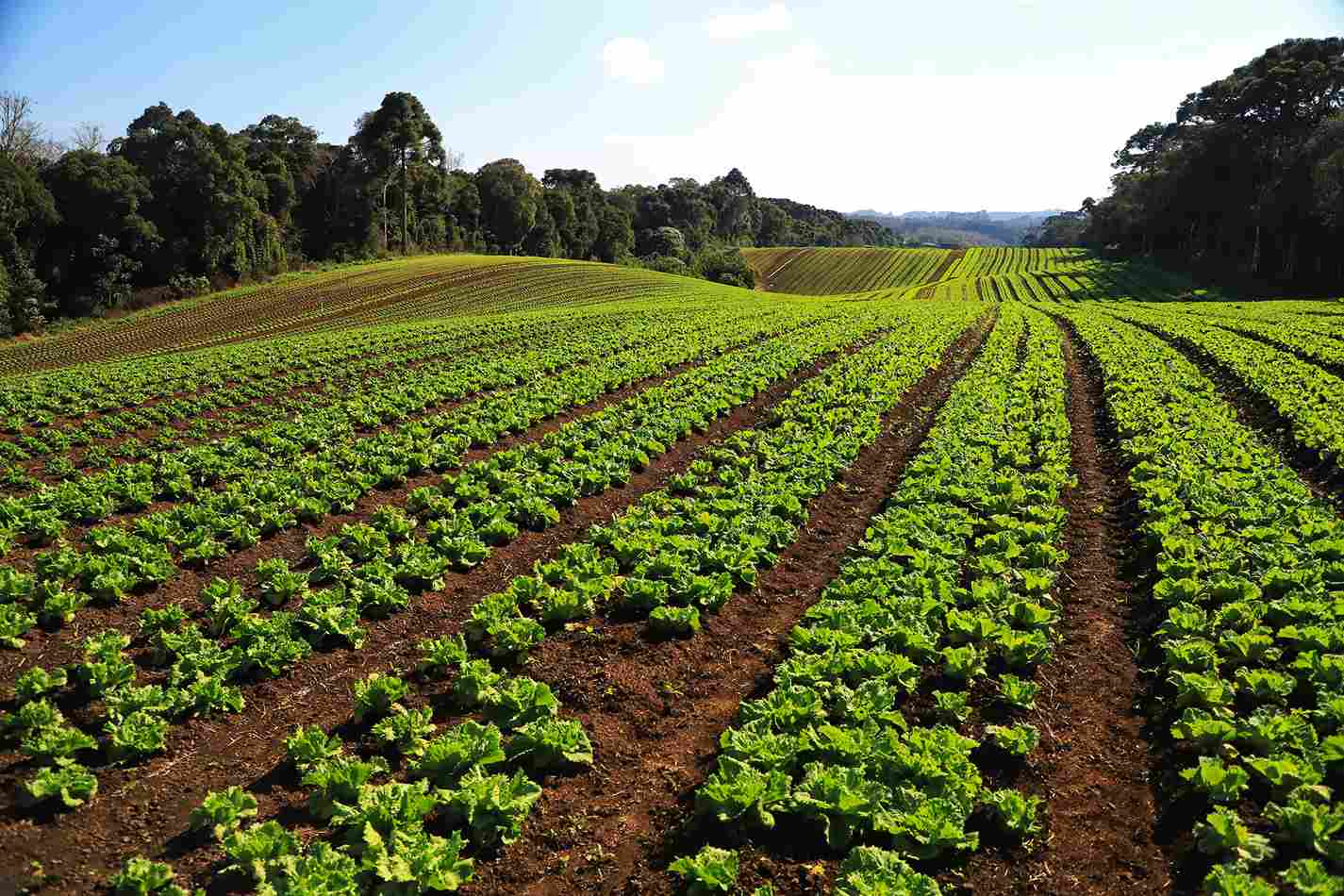
The San Marzano tomato, grown in the volcanic alluvial soils of the Sarno river valley in Campania under DOP protection, is the world's most scientifically distinguished processing tomato, its specific sugar-acid balance, low seed count, and flesh-to-liquid ratio the product of Vesuvian volcanic soil chemistry unique to a precisely defined geographic zone.
The Agro Nocerino Sarnese, a narrow volcanic alluvial plain at the foot of Mount Vesuvius between Naples and Salerno, is the only area on earth where the San Marzano variety develops the documented combination of low acidity, high natural sugar content, and the characteristic easily-peeling thin skin that defines authentic San Marzano tomato for the world's premium culinary markets. The volcanic ash soil of this zone, enriched over millennia by Vesuvian eruptions, contains a mineral composition that Italian food scientists have documented as directly influencing the tomato's chemical profile through specific micronutrient uptake patterns.
The San Marzano DOP certification, administered by the Consorzio San Marzano, requires not only geographic origin but specific cultivation methods including hand-harvesting and traditional single-layer drying, ensuring that the production process as well as the terroir are preserved as defining elements of the product's identity. The global market for counterfeit San Marzano tomatoes, estimated to vastly exceed genuine DOP-certified production, is the most compelling testimony to the irreplaceable commercial value that volcanic soil origin confers on this variety.
For procurement contacts in the premium food processing, food service, and culinary ingredient sectors seeking tomato with the world's most documented volcanic soil origin, DOP certification administered by a rigorous consorzio, and a chemical profile of flavour and processing performance established over centuries of Campanian cultivation, San Marzano's Olericultures value chain offers vegetable provenance of scientific, culinary, and commercial distinction unique in European market gardening.

IFEROUS+ - Aligning with Italy's multi-dimensional sovereign resource identity across Sardinian zinc, Italian DOP olive oil, Etna volcanic blood oranges, and Vesuvian San Marzano tomatoes, we are building integrated value chain partnerships that span the nation's most scientifically distinctive assets, connecting global procurement contacts with the provenance documentation and long-term supply relationships that irreplaceable Italian resources command.
Call our London Office on 020 3355 1985 or email plus@iferous.com to connect with our strategists and discuss opportunities.