
-
Resources
- Precious Metals
- Battery Metals
- Industrial Metals
- Nuclear Energy
-
.cultures
- Timbers / Silvicultures
- Cottons / Gossypicultures
- Rubbers / Heveacultures
- Grains / Granicultures
- Oils / Oleicultures
- Sugars / Saccharicultures
- Coffees / Coffeicultures
- Cacaos / Cacaocultures
- Teas / Theicultures
- Flowers / Floricultures
- Fruits / Pomicultures
- Vegetables / Olericultures
- Citruses / Citricultures
-
Regions
- .IFEROUS+
- About
Namibia
'Where Desert Geology Yields World-Class Uranium, Orange River Grapes, and the Ancient Hardwoods of a Continent's Oldest Landscape'
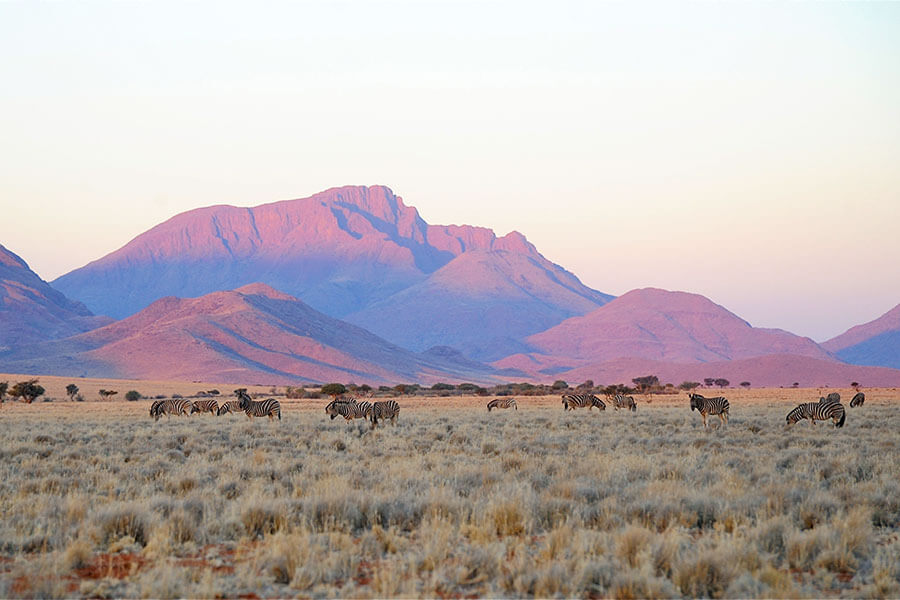
'Namibia is one of the world's most sparsely populated nations and one of its most mineral-rich, a southern African republic where the Namib Desert, one of the oldest on earth, conceals geological formations of extraordinary mineral significance. From the uranium-rich alaskite granite intrusions of the Erongo Region to the diamond-bearing beach sands of the Sperrgebiet, Namibia's mineral identity is defined by the antiquity and richness of its Precambrian geological heritage.
Along the Orange River, which forms Namibia's southern border with South Africa, one of Africa's most productive table grape growing zones produces fruit of exceptional quality and counter-seasonal timing that serves European markets during the northern winter. The Namibian karakul wool and pelt industry, Benguela Current Atlantic fisheries, certified organic free-range beef, and a growing premium produce sector complete a natural resource portfolio of surprising agricultural sophistication from one of the world's driest countries.
The camel thorn and mopane woodlands of Namibia's northern and eastern regions sustain some of the most botanically distinctive hardwood timber species of southern Africa, while the country's low rainfall and vast natural landscapes create growing conditions for agricultural products of exceptional purity and certified organic credential.'
Namibia on Iferous.com
Namibia's Rossing and Husab uranium mines in the Erongo Region are among the world's largest and most technically advanced uranium producing operations, extracting ore from alaskite-hosted deposits and delivering IAEA-compliant uranium oxide product to the world's nuclear fuel cycle under the most rigorous regulatory framework in African mining.
The Rossing deposit, in continuous production since 1976 as the world's first large-scale open-pit uranium operation, established production methodologies and safety standards that influenced the global uranium industry for decades. Husab, developed by China General Nuclear Power Corporation and commissioned in 2016, ranks among the world's top three uranium operations by annual output, together giving Namibia a uranium production profile of global strategic importance. Namibian uranium carries IAEA safeguards compliance and Namibian Radiation Protection Authority certification meeting the most stringent nuclear fuel procurement standards.
For procurement contacts in the nuclear fuel cycle seeking uranium from one of the world's most geologically significant and operationally credentialed sources, Namibia's Erongo uranium province offers production scale, regulatory rigour, and five decades of uninterrupted sovereign supply.
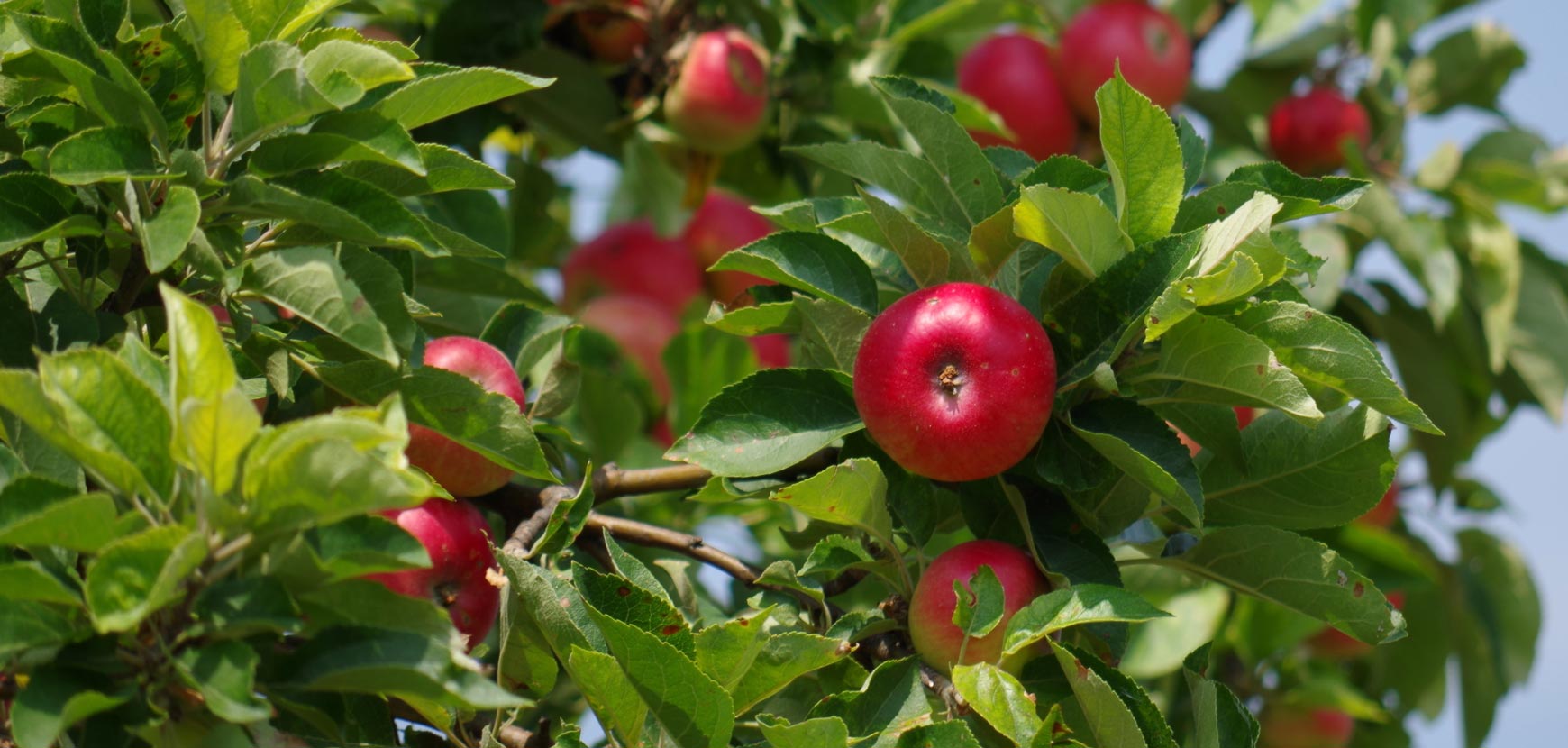
Namibian Orange River table grapes, grown in the riparian microclimate of the Orange River valley along Namibia's southern border at latitudes between 28 and 29 degrees south, produce seedless table grape varieties of exceptional quality whose harvest timing from November to January serves European markets during the northern winter season with premium fresh grapes of documented southern African provenance.
The Orange River valley in the Karasburg and Karas regions creates an agricultural microclimate of remarkable productivity within one of Africa's most arid landscapes. The river's water supply combined with the low humidity, intense sunshine, and cool nights of the Namib Desert fringe environment produces grapes of the deep colour, firm texture, and natural sweetness that European fruit retailers specify for their premium own-label table grape programmes. Namibian Orange River grapes are exported to the United Kingdom, Germany, the Netherlands, and Scandinavia through established cold chain logistics from Namibia's Ariamsvlei crossing into South Africa's Upington packing infrastructure.
The Namibian table grape industry operates under GlobalG.A.P. certification and maximum residue level compliance frameworks that meet European Food Safety Authority requirements, giving procurement contacts documented food safety assurance alongside the counter-seasonal supply advantage. For fruit importers, retail buyers, and premium food service operators seeking Orange River valley table grapes with documented Namibian provenance, GlobalG.A.P. food safety certification, and southern hemisphere harvest timing, Namibian pomiculture's Fruits value chain offers counter-seasonal supply of desert-grown distinction.

The camel thorn (Vachellia erioloba) and mopane (Colophospermum mopane) woodlands of Namibia's Kavango, Ohangwena, and Otjozondjupa regions support some of southern Africa's most botanically distinctive and commercially significant indigenous hardwood species, their extreme desert-adapted growth producing timber of exceptional density, durability, and natural beauty from trees of remarkable longevity.
Camel thorn, one of Namibia's most iconic tree species and a keystone of the Kalahari and semi-arid savannah ecosystem, produces a dense, fine-grained hardwood of deep reddish-brown colour whose natural durability and working properties make it among southern Africa's most prized indigenous craft and furniture timbers. The slow growth of camel thorn in Namibia's semi-arid environment, where individual trees may grow for centuries, produces timber of exceptional density and fine grain that furniture makers and specialist joiners prize above more rapidly grown alternatives. Mopane, the dominant tree of Namibia's northeastern lowveld regions, yields a similarly dense and termite-resistant hardwood used for heavy construction, railway sleepers, and craft applications across the region.
Namibia's Forestry Act administration requires sustainable harvesting permits for commercial extraction of camel thorn and mopane, with diameter limits and area restrictions designed to prevent overexploitation of slow-growing desert woodland species. For specialist timber procurement contacts seeking indigenous southern African hardwood with documented Namibian desert woodland provenance, sustainable harvest permit documentation, and the extreme-environment growth qualities that give these timbers their exceptional density and durability, Namibian Silvicultures' Timbers value chain offers hardwood of desert landscape heritage.
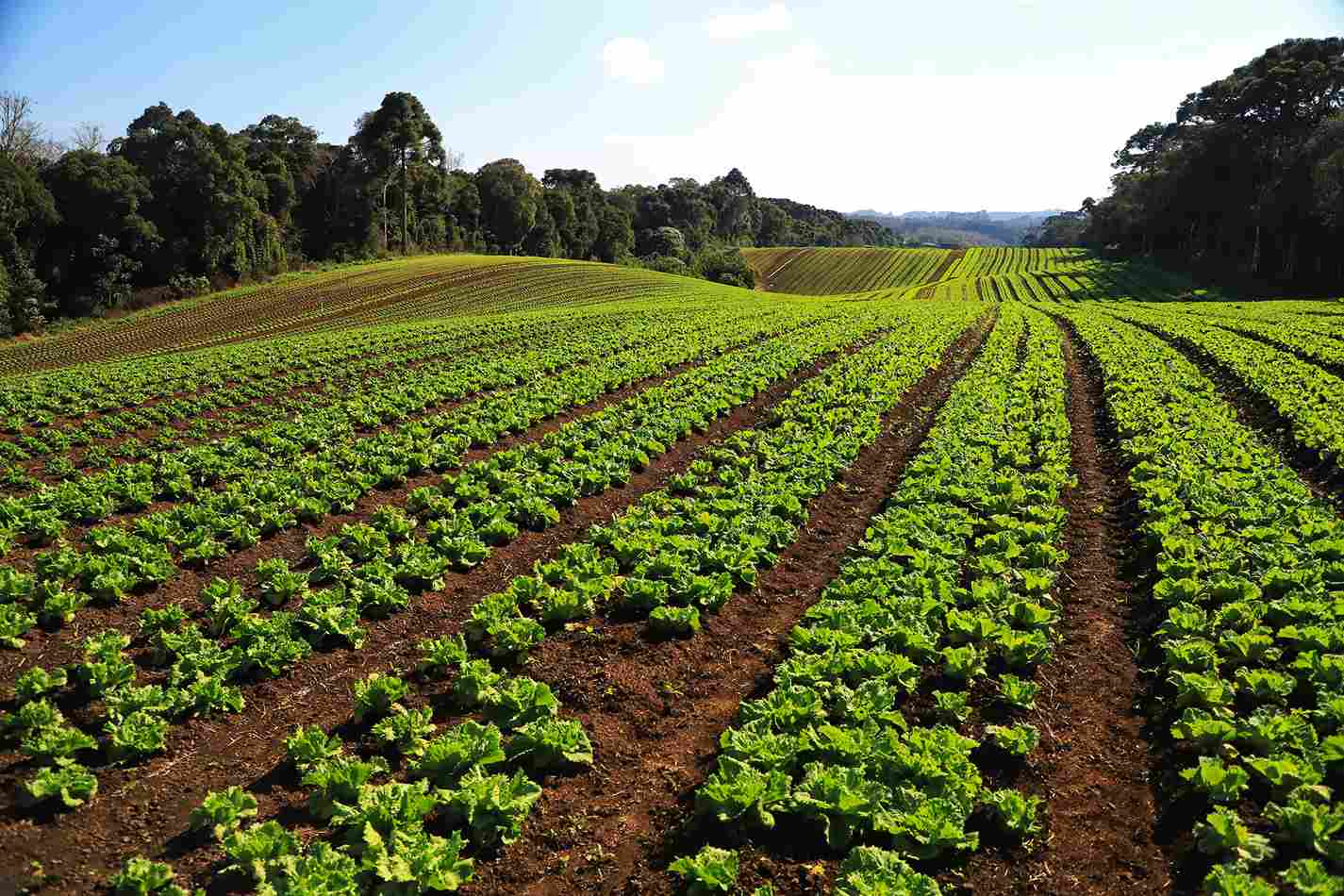
Namibian certified organic vegetables, produced in the irrigated farming zones of the Orange River valley and the northern communal farmlands under Namibia's exceptionally low ambient chemical load environment, carry organic certification of particular credibility given the country's low population density, minimal industrial agriculture history, and naturally arid conditions that suppress the pathogen and pest pressures requiring chemical intervention in denser agricultural landscapes.
Namibia's agricultural advantage in certified organic production derives not from conversion from conventional farming but from the natural characteristics of a country where vast distances, sparse population, low ambient humidity, and minimal pre-existing chemical agriculture history make the certification of genuinely chemical-free production systems more straightforward and more credible than in more intensively farmed landscapes. The Orange River valley vegetable producers, supplying tomatoes, peppers, onions, and leaf vegetables to the South African market and increasingly to European niche importers, operate under GlobalG.A.P. and emerging organic certification frameworks that document the low-input integrity of their production systems.
The northern communal farming regions of Oshikoto, Ohangwena, and Kavango, where subsistence horticulture produces vegetables for local markets using traditional low-input methods, represent a further dimension of Namibian olericulture whose authentically traditional growing methods align with the values-based food system demand for genuinely non-industrial produce. For procurement contacts in the certified organic produce, specialty vegetable, and values-based food system sectors seeking vegetables from one of Africa's lowest-chemical-load agricultural environments, Namibian Olericultures' Vegetables value chain offers produce of natural purity and desert landscape integrity.

IFEROUS+ - Aligning with Namibia's sovereign resource identity across Erongo uranium of world-class operational heritage, Orange River counter-seasonal table grapes, camel thorn and mopane desert hardwoods of extreme-environment density, and certified organic vegetables of Africa's lowest-chemical-load agricultural landscape, we are building integrated value chain partnerships across one of the world's most mineralogically and ecologically distinctive nations.
Call our London Office on 020 3355 1985 or email plus@iferous.com to connect with our strategists and discuss opportunities.