
-
Resources
- Precious Metals
- Battery Metals
- Industrial Metals
- Nuclear Energy
-
.cultures
- Timbers / Silvicultures
- Cottons / Gossypicultures
- Rubbers / Heveacultures
- Grains / Granicultures
- Oils / Oleicultures
- Sugars / Saccharicultures
- Coffees / Coffeicultures
- Cacaos / Cacaocultures
- Teas / Theicultures
- Flowers / Floricultures
- Fruits / Pomicultures
- Vegetables / Olericultures
- Citruses / Citricultures
-
Regions
- .IFEROUS+
- About
France
'A Nation Where Elegance and Industrial Mastery Shape the World'
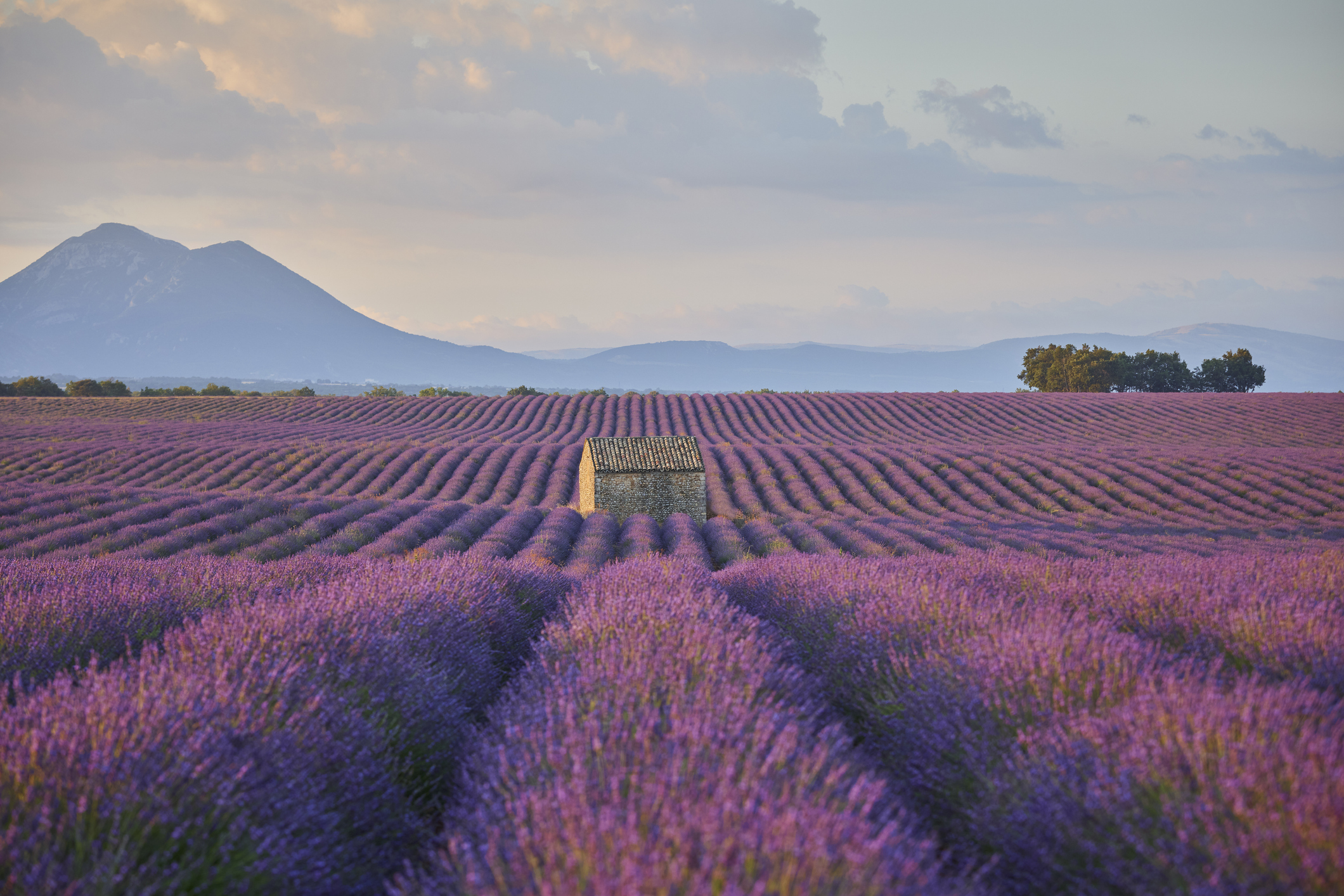
'France occupies a singular position in global trade, a republic whose exports span the sublime and the strategic, from the vineyards of Bordeaux and Burgundy producing wines of unmatched complexity, to the engineering institutions that have powered European infrastructure for generations.
The agricultural heartland of France delivers wheat, barley, sugar beet, and sunflowers at continental scale, while the dairy regions of Normandy and Brittany produce cheeses and butters of protected geographic status, recognised globally for their scientific distinction in fermentation and terroir.
Beneath the surface, France holds a resource legacy that most associate with the nation's extraordinary energy independence. The Massif Central and the regions of Limousin and Vendee conceal geological formations that shaped France's position as the world's most nuclear-reliant major economy, a status built on domestic resource foundations of rare strategic value.'
France on Iferous.com
France's domestic uranium heritage gave birth to the world's most advanced civilian nuclear programme, drawing on geological deposits of rare strategic importance from the Limousin, Vendee, and Forez regions of the Massif Central.
The uranium deposits of the Limousin region in central France, along with those of the Vendee and Forez, represented one of Western Europe's most significant concentrations of fissile material. Extracted from the mid-twentieth century through to the early 2000s, French domestic uranium underpinned the construction of a nuclear fleet that today supplies over 70 percent of the nation's electricity, the highest proportion of nuclear power in any major economy globally.
French uranium extraction was conducted under the direction of the Commissariat a l'Energie Atomique, with geological survey, mine development, and processing carried out to exacting national standards. France's nuclear capabilities, built on this domestic geological foundation, represent a model of resource-to-industry value chain integration that few nations have achieved at equivalent scale and institutional depth.
For global partners seeking engagement with uranium value chains at the highest institutional level, France's ORANO and the broader French nuclear ecosystem offer unmatched depth of expertise, safety standards, and geopolitical credibility, a legacy built directly on domestic geological resource and sustained by decades of sovereign investment in nuclear science.
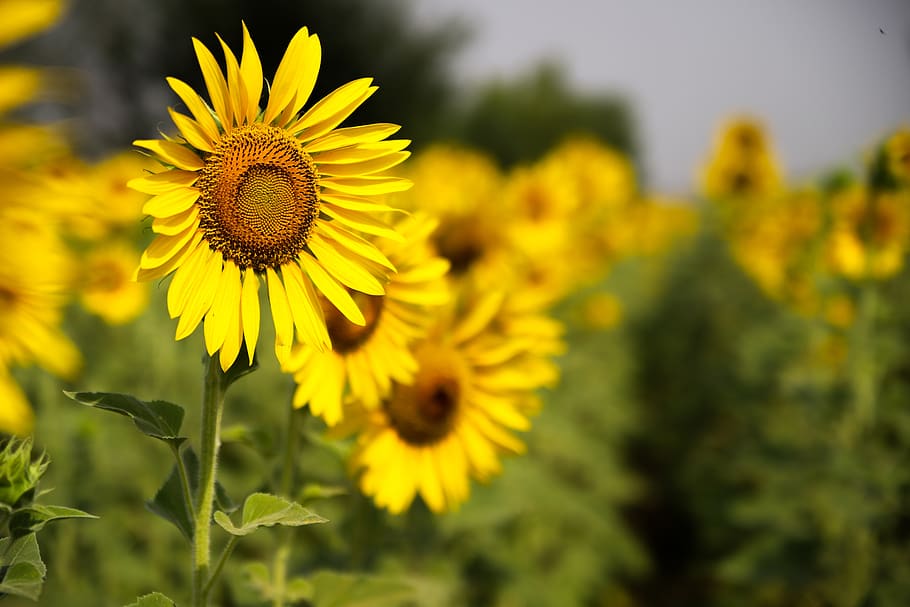
The Rosa centifolia and Jasminum grandiflorum of Grasse, Provence, produce aromatic absolute of a documented chemical complexity unmatched by the same species grown anywhere else on earth, their molecular profile shaped by the specific microclimate, calcareous soil, and cultivation heritage of the world's perfume capital.
Grasse, in the Alpes-Maritimes of southern Provence, has been the centre of the world's fine fragrance industry since the seventeenth century. The rose absolute produced from Rosa centifolia, the Grasse May rose, is the most expensive and chemically complex natural aromatic material in the world, containing over 300 identified volatile compounds including geraniol, citronellol, and nerol in proportions specific to the Grasse growing conditions. The jasmine absolute from Jasminum grandiflorum cultivated in the Grasse microclimate carries an indolic warmth and floral depth that synthetic substitutes and other geographic sources cannot fully replicate.
The Grasse microclimate, including the warm Provencal sun, cooling altitude breezes from the pre-Alpine hills, and the calcareous limestone soils of the region, produces metabolic conditions in the rose and jasmine plants that concentrate aromatic compounds to levels not achieved in warmer, lower-altitude cultivation. Grasse rose and jasmine both hold protected geographical indication status within France, formally recognising the irreplaceable role of Grasse terroir in producing aromatic materials of this quality.
For procurement contacts in the prestige fragrance, luxury cosmetics, and haute perfumery sectors seeking rose and jasmine absolute with the most scientifically documented geographic aromatic identity in the world, Grasse floriculture's Flowers value chain offers materials of analytical provenance and cultural heritage that underpin the legitimacy of the world's finest fragrances.
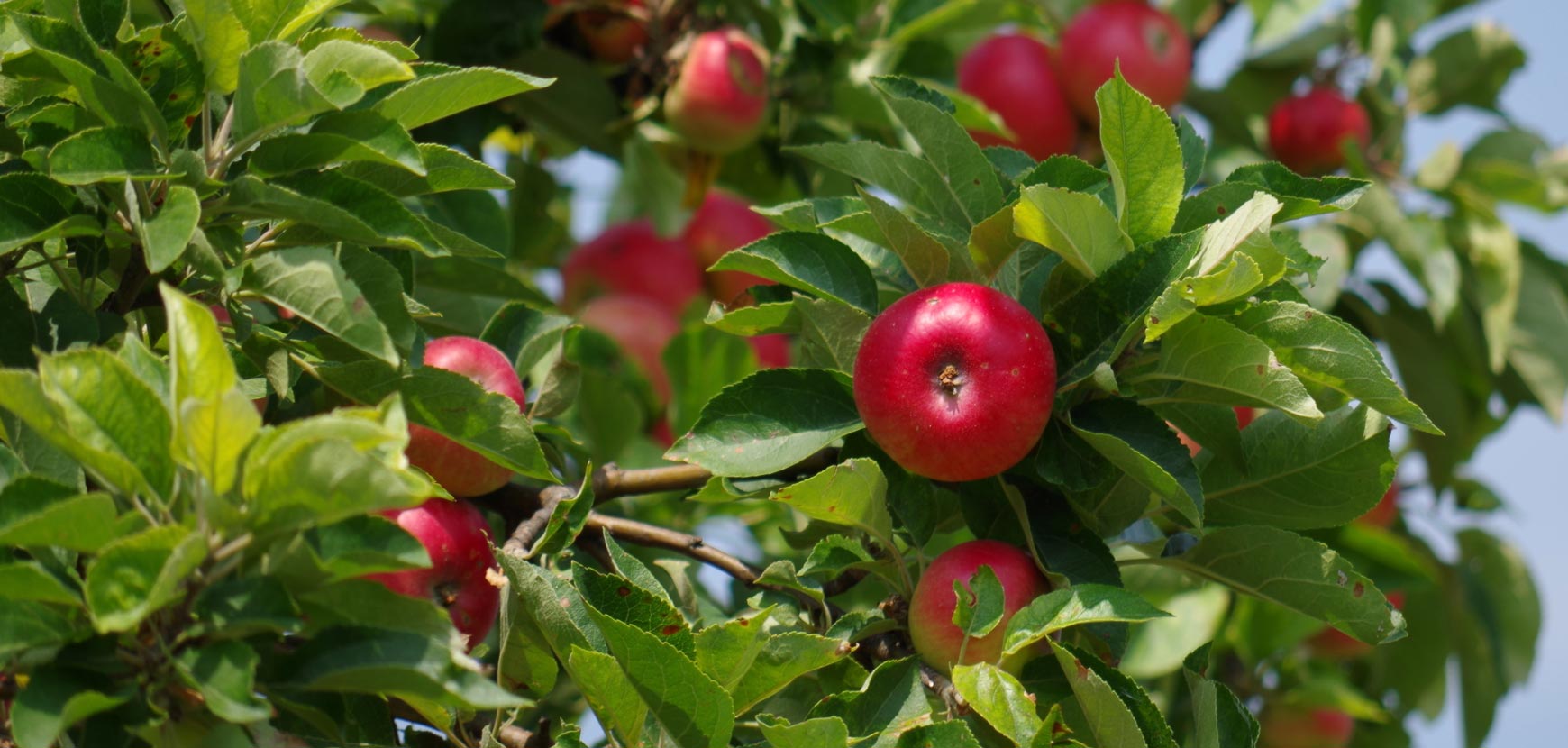
The Noix de Grenoble, holder of France's oldest Appellation d'Origine Controlee granted in 1938, is the world's most institutionally documented walnut variety, its specific fatty acid profile and Alpine valley terroir character defined by the Isere, Drome, and Savoie growing environment of the French pre-Alps.
The Noix de Grenoble AOC, covering three varieties, Franquette, Mayette, and Parisienne, grown in the Alpine foothills of the Isere, Drome, and Savoie departments, is the oldest geographical indication of any French agricultural product, preceding all other French AOC designations by decades. The walnut's growing conditions in the pre-Alpine foothills, with temperature amplitude between cool nights and warm days concentrating oleic and linoleic acid in proportions that give Grenoble walnuts their characteristic mild, buttery flavour and superior oxidative stability, are uniquely suited to this variety's nutritional and culinary performance.
The kernel-to-shell ratio and moisture content of Noix de Grenoble are precisely defined by AOC specification, ensuring consistency of product quality that allows procurement contacts to specify French Alpine walnuts with confidence in receiving a calibrated, documented raw material. The fresh green walnut season uniquely associated with Grenoble's early autumn harvest gives the AOC a seasonal premium product dimension that dried walnut producers cannot match.
For procurement contacts in the premium food, culinary, and confectionery sectors seeking walnut with the world's longest-standing geographical indication, documented Alpine terroir character, and a fatty acid profile of superior culinary performance, Grenoble's Pomicultures value chain offers fruit provenance of institutional depth built on over eight decades of formal AOC protection.
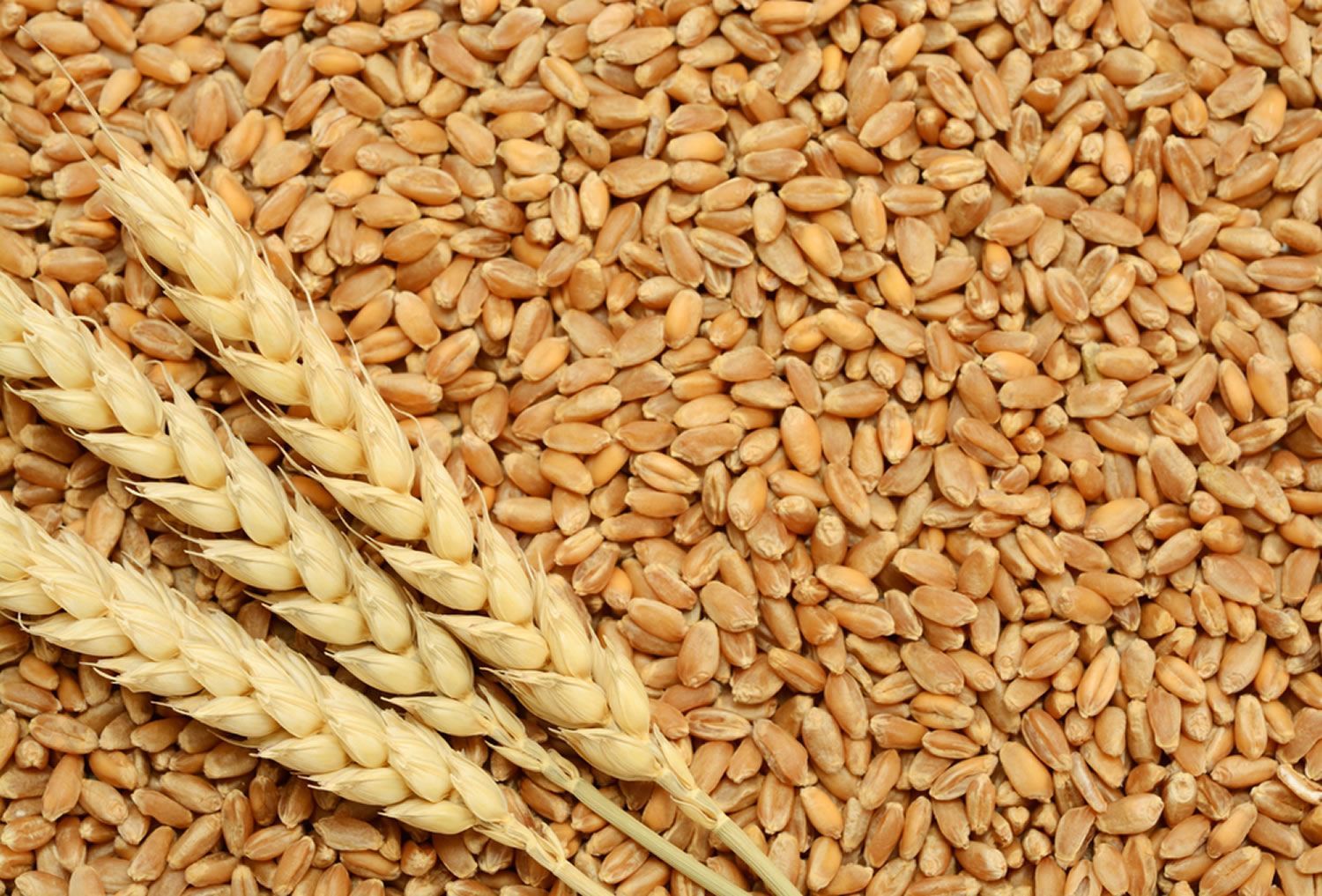
Camargue rice, grown in the unique deltaic ecosystems of the Rhone estuary in Provence, holds France's only rice Protected Designation of Origin, its cultivation in the saline-influenced alluvial soils of Europe's most significant protected wetland producing grain of documented terroir character unique in European rice production.
The Camargue, France's great river delta nature reserve in Provence, is the only territory in western Europe producing rice under a formal geographical protection designation. Cultivated in flooded paddies that support the flamingos, wild horses, and migratory birds of the protected Camargue ecosystem, Camargue rice is grown in a production context of extraordinary ecological integration. The red Camargue rice variety, a whole grain with its bran layer intact, carries a distinctive nutty flavour and slightly chewy texture attributed to the mineral composition of the saline-influenced Rhone delta alluvial soils.
The Camargue rice production system is defined by its ecological constraints, with production volumes limited by the protected nature reserve's management framework and the seasonal flooding calendar that must balance rice cultivation with the ecological requirements of the Camargue's extraordinary wildlife habitats. This ecological limitation gives Camargue rice an inherent scarcity that underpins its premium market positioning.
For procurement contacts in the premium food service, specialty grocery, and artisan culinary sectors seeking rice with a unique western European terroir, formal PDO geographic protection, and a production story of ecological integrity within one of Europe's most significant protected wetland ecosystems, Camargue rice's Granicultures value chain offers grain provenance of scientific, ecological, and commercial distinction unique in European agriculture.

IFEROUS+ - Aligning with France's multi-dimensional sovereign resource identity across Limousin uranium, Grasse perfumery flowers of the world's fine fragrance capital, Noix de Grenoble walnuts holding France's oldest geographical indication, and Camargue rice from Europe's most significant protected wetland, we are building integrated value chain partnerships that span the nation's most scientifically distinctive assets, connecting global procurement contacts with the provenance documentation and long-term supply relationships that irreplaceable French resources command.
Call our London Office on 020 3355 1985 or email plus@iferous.com to connect with our strategists and discuss opportunities.