
-
Resources
- Precious Metals
- Battery Metals
- Industrial Metals
- Nuclear Energy
-
.cultures
- Timbers / Silvicultures
- Cottons / Gossypicultures
- Rubbers / Heveacultures
- Grains / Granicultures
- Oils / Oleicultures
- Sugars / Saccharicultures
- Coffees / Coffeicultures
- Cacaos / Cacaocultures
- Teas / Theicultures
- Flowers / Floricultures
- Fruits / Pomicultures
- Vegetables / Olericultures
- Citruses / Citricultures
-
Regions
- .IFEROUS+
- About
Malaysia
'Where Kinta Valley Tin Heritage, World-Class Palm Oil, and the RRIM Rubber Research Legacy Define Southeast Asia's Most Technically Sophisticated Resource Economy'

'Malaysia is Southeast Asia's most technically sophisticated resource economy, a federation whose peninsular highlands, Bornean forests, and strategic Strait of Malacca position have sustained one of Asia's most diversified commodity portfolios for over a century. The Kinta Valley of Perak was, at its peak production in the 1920s, the world's single most productive tin mining district, supplying over a third of global tin demand and generating the wealth that built the colonial cities of Ipoh and Kuala Lumpur.
Today, Malaysia is the world's second largest palm oil producer and among its most technically advanced processors, with the Johor and Sabah refining complexes of Wilmar and Sime Darby transforming crude palm oil and palm kernel oil into the oleochemical derivatives that supply food manufacturers, cosmetics companies, and biofuel producers across three continents. The Rubber Research Institute of Malaysia, established in 1925, remains the world's reference institution for Hevea brasiliensis agronomy, whose clone development programmes and processing research have shaped the global rubber industry more profoundly than any other single organisation.
And on the Cameron Highlands plateau at 1,500 metres, the BOH tea estates whose terraced gardens are among Southeast Asia's most photographed landscapes produce a brisk, full-flavoured highland tea that has defined the Malaysian highland experience for nearly a century.'
Malaysia on Iferous.com
The Kinta Valley of Perak, Malaysia, was at its peak the world's single most productive tin mining district, its alluvial cassiterite gravels supplying over thirty percent of global tin demand during the 1920s and establishing the Malaysia Smelting Corporation as one of the world's largest tin smelting operations, a processing heritage that maintains Malaysian tin refining significance to this day.
The Kinta Valley's extraordinary geological endowment, where Triassic granite intrusions into Paleozoic limestone created hydrothermal cassiterite mineralisation subsequently concentrated by river erosion into exceptionally rich alluvial gravel deposits, supported a tin rush from the 1870s that attracted Chinese mining communities who developed the tin dredging and hydraulic mining technologies that maximised extraction from this most productive of geological settings. Malaysia Smelting Corporation at Butterworth continues as one of the world's largest tin refiners, processing Malaysian and imported concentrates for the global electronics, solder, tinplate, and specialty chemicals markets.
For procurement contacts in electronics manufacturing, tin solder, tinplate, and specialty chemicals sectors seeking refined tin from one of the world's most historically significant and technically sophisticated tin processing operations, Malaysia's Kinta Valley Stanniferous heritage and MSC refining capability offer the credentialed supply chain provenance of a century of tin industry excellence.

Malaysia is the world's second largest palm oil producer and, critically, its most technically advanced oleochemical refiner, with the Johor Bahru and Sabah processing complexes of Wilmar International, Sime Darby Plantation, and IOI Corporation transforming crude palm oil and palm kernel oil into the fatty acid derivatives, glycerine, and oleochemicals supplying food, cosmetics, and biofuel manufacturers across three continents.
Malaysian palm oil, produced from Elaeis guineensis plantations across the states of Sabah, Sarawak, Johor, and Pahang, is certified under the Malaysian Sustainable Palm Oil (MSPO) standard, with RSPO (Roundtable on Sustainable Palm Oil) certification covering a significant and growing proportion of the industry's production area. Malaysia's MSPO mandatory certification requirement, implemented nationally, creates a sovereign-level sustainability governance framework that distinguishes Malaysian palm oil from less regulated origins in international procurement markets.
The Malaysian palm oil industry's most distinctive contribution is not merely production but processing sophistication: Malaysian oleochemical plants produce over forty distinct fatty acid and glycerine derivatives from palm and palm kernel feedstock, many of which supply the personal care, food emulsifier, and pharmaceutical excipient industries with ingredients for which palm-derived Malaysian oleochemicals are the most economical available source. For procurement contacts in food manufacturing, personal care ingredients, and oleochemical sourcing seeking MSPO-certified Malaysian palm oil and derivatives with documented estate provenance, Malaysia's Oleicultures value chain offers the world's most technically sophisticated palm oil processing economy.
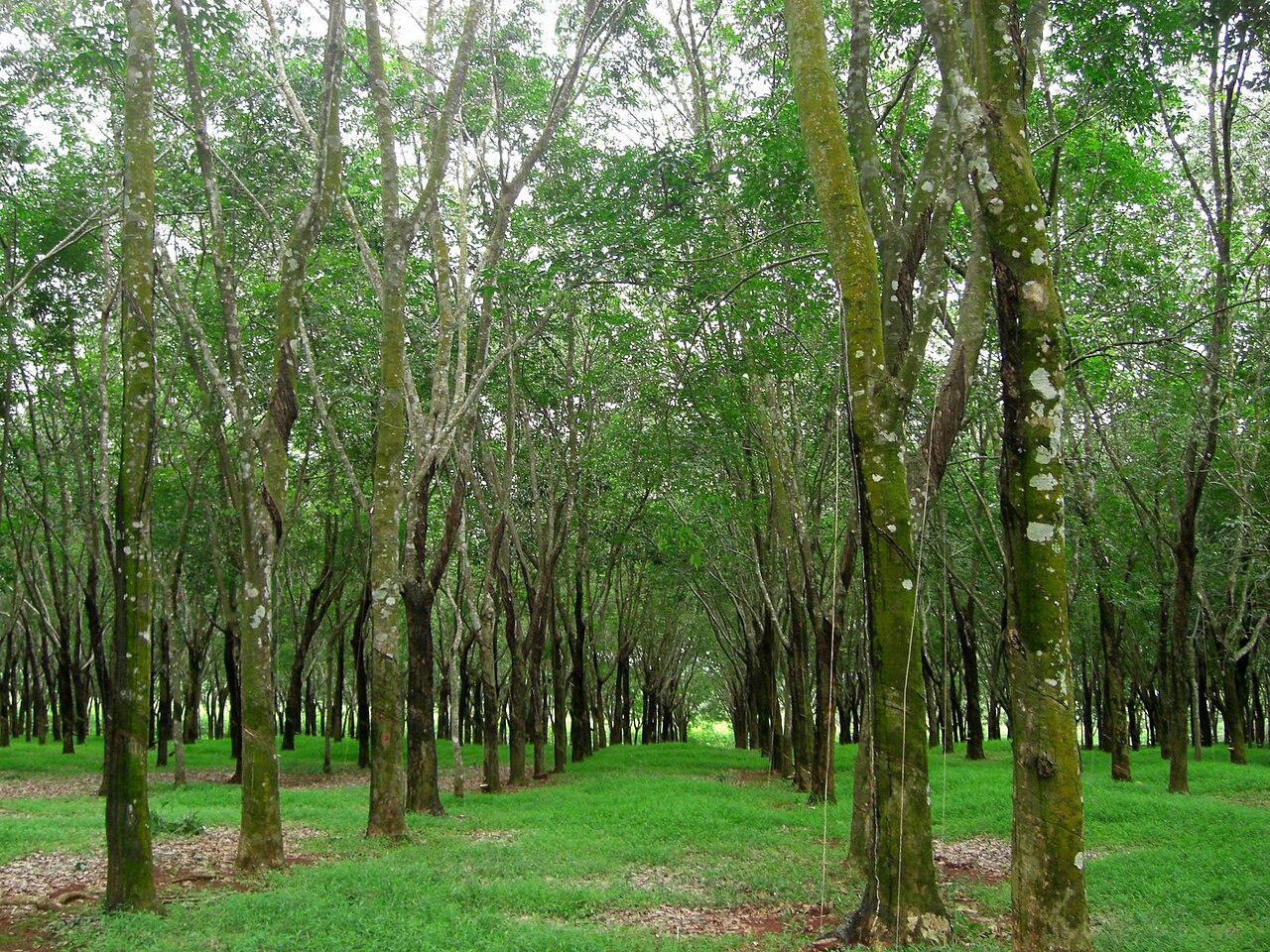
The Rubber Research Institute of Malaysia, established in 1925 and the world's oldest and most authoritative rubber research institution, has developed the high-yielding RRIM and RRIM-PB Hevea brasiliensis clones planted on the majority of the world's rubber smallholdings, making Malaysia's rubber science legacy more influential in global natural rubber production than that of any other nation despite Malaysia's own rubber production having declined from its historic leadership.
RRIM clones, specifically RRIM 600 which was the dominant global rubber planting material for several decades after its release, produce latex yields per tree several times higher than wild or unimproved Hevea, and their widespread adoption across Thailand, Indonesia, and other producing nations has shaped the genetics and productivity of the entire global natural rubber industry. This technical contribution — Malaysia's rubber knowledge export — represents a sovereign resource identity of scientific depth that transcends current production volumes.
Malaysia's remaining rubber industry, concentrated in the smallholder systems of Johor, Pahang, and Sabah, produces rubber wood of increasing commercial significance as plantation trees complete their productive tapping life, with Malaysian rubber wood furniture and timber products finding export markets in Europe and North America as a sustainable alternative to hardwood. Additionally, Malaysia dominates global rubber glove manufacturing with approximately seventy percent of world supply, giving Malaysian rubber processing a downstream value chain of medical device importance. For procurement contacts in natural rubber, rubber technology licensing, and rubber glove manufacturing sectors, Malaysia's RRIM Heveacultures value chain offers the deepest rubber science heritage of any nation.
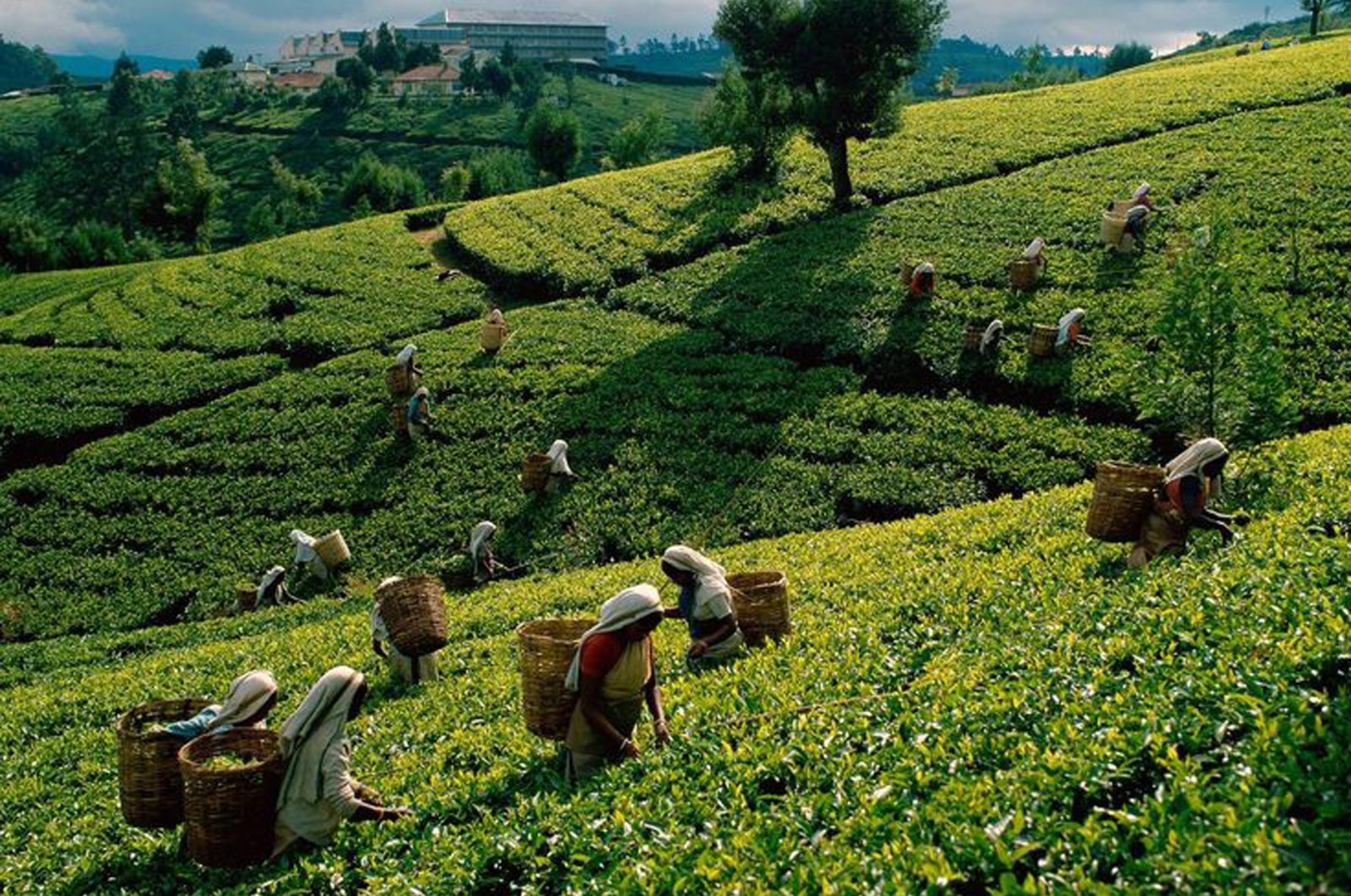
The Cameron Highlands tea estates of Pahang state, established from 1929 at 1,500 metres altitude and producing fresh, brisk black tea under the BOH Plantations brand, represent Southeast Asia's most significant highland tea growing region, their terraced gardens across the Boh, Sungei Palas, and Cameron Valley estates producing a tea of consistent quality whose altitude freshness and coppery brightness have defined the Malaysian highland experience for generations.
BOH Plantations, founded by John Archibald Russell in 1929 with the assistance of a British agricultural expert and developed across the rolling highlands of Pahang at elevations that create the cool, moist conditions essential for quality tea cultivation, remains the largest tea producer in Southeast Asia by planted area and one of the most recognised tea estate brands in the Asian-Pacific region. The Cameron Highlands growing zone, where average temperatures of 20-25°C day and 12-15°C night create the diurnal variation that concentrates polyphenols and produces tea of characteristic briskness, yields a black CTC tea of the bright liquor and strong character that has made it the dominant brand in Malaysian tea rooms and the reference highland tea for Southeast Asian comparison.
The Cameron Highlands tea landscape, with its visually dramatic contoured rows against green highland slopes, has become one of Malaysia's most recognisable agricultural images and a significant tourism draw, adding cultural and heritage value dimensions to an already commercially significant tea estate operation. For procurement contacts in Asian tea blending, highland origin sourcing, and specialty tea retail sectors seeking Cameron Highlands tea with BOH estate documentation and altitude provenance, Malaysia's Theicultures value chain offers Southeast Asia's benchmark highland tea.

IFEROUS+ - Aligning with Malaysia's sovereign resource identity across Kinta Valley tin of a century of global supply leadership, MSPO-certified palm oil from the world's most technically sophisticated oleochemical refining economy, RRIM rubber science heritage whose clone development shaped the genetics of the entire global rubber industry, and Cameron Highlands BOH tea as Southeast Asia's benchmark highland estate, we are building integrated value chain partnerships across Southeast Asia's most technically distinguished resource economy.
Call our London Office on 020 3355 1985 or email plus@iferous.com to connect with our strategists and discuss opportunities.