
-
Resources
- Precious Metals
- Battery Metals
- Industrial Metals
- Nuclear Energy
-
.cultures
- Timbers / Silvicultures
- Cottons / Gossypicultures
- Rubbers / Heveacultures
- Grains / Granicultures
- Oils / Oleicultures
- Sugars / Saccharicultures
- Coffees / Coffeicultures
- Cacaos / Cacaocultures
- Teas / Theicultures
- Flowers / Floricultures
- Fruits / Pomicultures
- Vegetables / Olericultures
- Citruses / Citricultures
-
Regions
- .IFEROUS+
- About
Jamaica
'The Island Where Blue Mountains and Red Earth Define a Nation's Wealth'
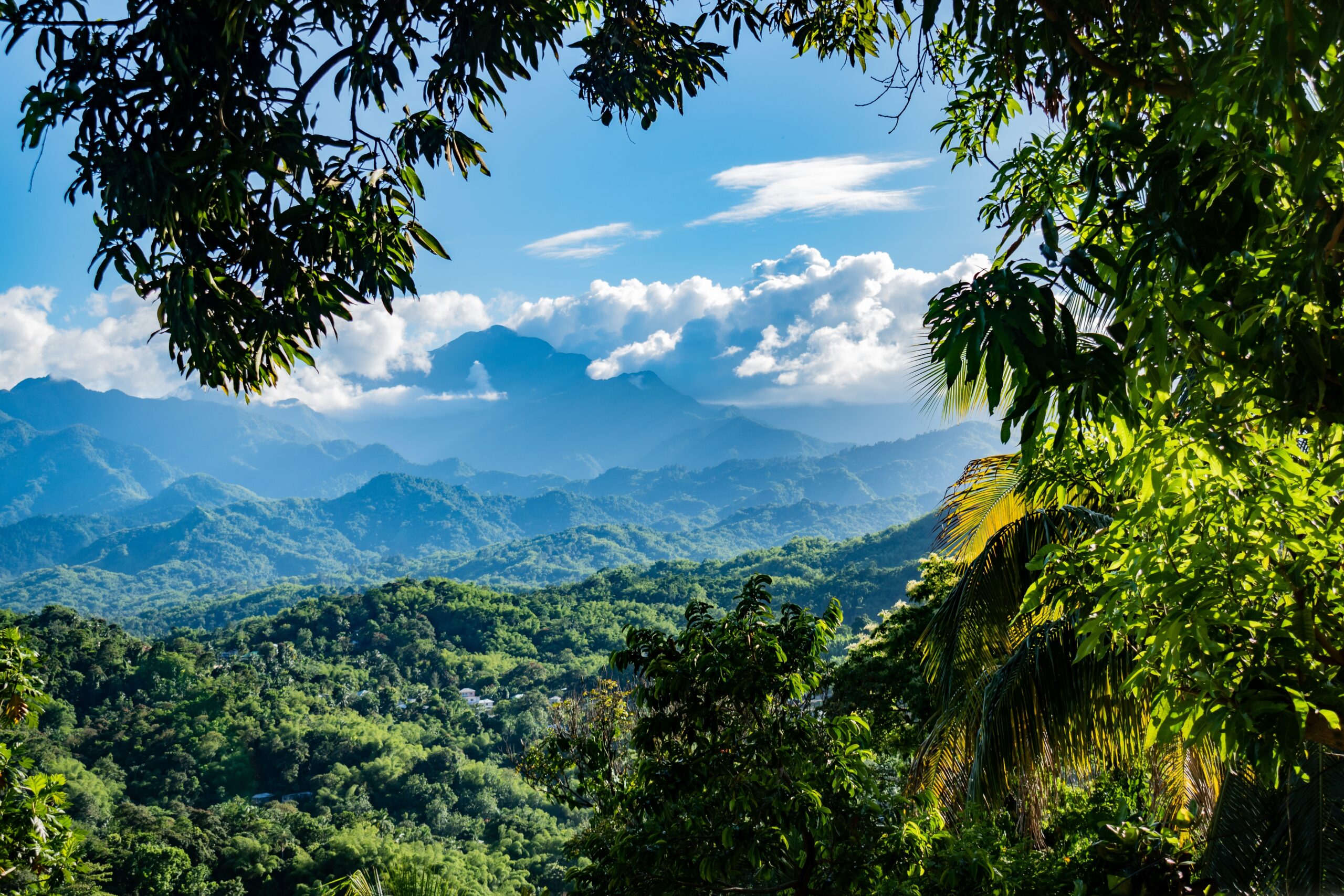
'Jamaica stands as one of the Caribbean's most dynamic trading nations, an island economy of extraordinary cultural and natural richness whose exports carry global recognition far exceeding its geographic scale. From the mist-wrapped Blue Mountains to the cane fields that gave birth to the rum tradition, Jamaican produce carries a geographic identity of genuine commercial distinction.
The agricultural landscape of Jamaica is defined by its topographic diversity, from the high-altitude coffee plantations of the Blue Mountains, where volcanic soil and cool mist produce arabica beans of world-class cupping scores, to the coastal alluvial plains where sugar cane, bananas, and ackee are cultivated for export. Blue Mountain coffee carries one of the most protected geographic designations in the global coffee market.
Beneath Jamaica's red-earth uplands, the geological record tells a story of mineral wealth that transformed the island's economic identity in the twentieth century. The bauxite-rich soils of the central parishes, formed through millions of years of tropical weathering of limestone bedrock, gave Jamaica one of the world's most productive and highest-quality aluminium ore deposits, a resource that placed this small island among the top bauxite producers on the planet.'
Jamaica on Iferous.com
Jamaica's gibbsite bauxite deposits are among the world's highest quality aluminium ore resources, formed through unique tropical weathering processes over geological time.
The bauxite deposits of Jamaica's central parishes are characterised by gibbsite-dominant mineralogy, the most reactive and highest-grade form of bauxite aluminium ore. This mineralogical distinction, a product of prolonged tropical weathering of Cretaceous limestone under conditions of intense rainfall and heat, places Jamaican bauxite in a premium category above the majority of the world's commercial aluminium ore resources.
Jamaica was among the world's largest bauxite producers from the 1950s through the 1980s, with the industry underpinning the island's economic development. The gibbsite mineralogy of Jamaican bauxite reduces energy requirements in the Bayer refining process compared to boehmite or diaspore-dominant ores, conferring a processing efficiency advantage that translates directly into cost and carbon footprint benefits for aluminium value chains.
For procurement contacts in the aluminium value chain seeking high-grade gibbsite bauxite from a politically stable, English-speaking jurisdiction with an established mining heritage, Jamaica's central parish deposits offer provenance, mineralogical quality, and an institutional framework built over seven decades of commercial extraction.
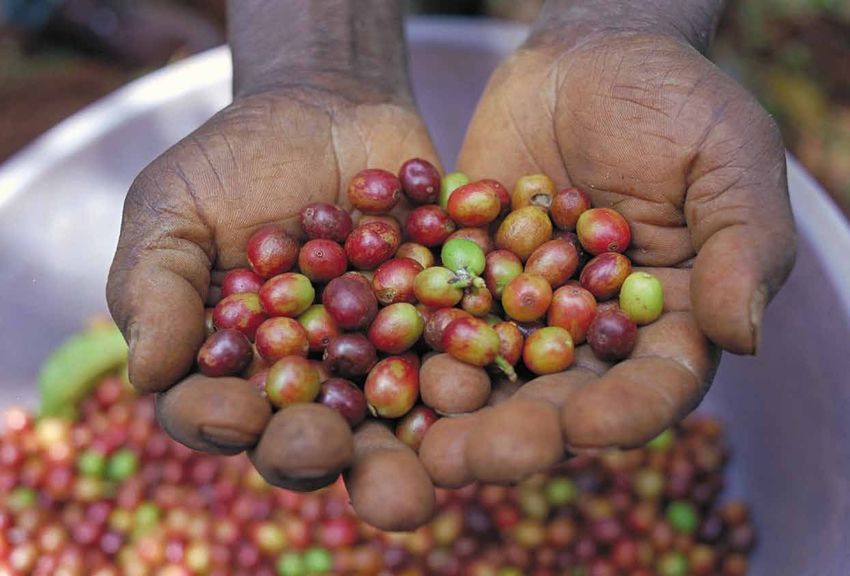
Jamaica Blue Mountain coffee, cultivated exclusively within a precisely demarcated highland zone above 910 metres and certified by the Coffee Industry Board of Jamaica, is the world's most rigorously geographically protected single-origin arabica, its exceptional cupping scores and mild flavour character irreproducible elsewhere on earth.
The Blue Mountain Coffee Zone, defined above 910 metres in the parishes of St. Andrew, St. Thomas, Portland, and St. Mary, encompasses approximately 6,000 hectares of certified growing area where arabica cultivated in cool, mist-cloaked conditions develops a bean of exceptional density, mild acidity, and complex floral-sweet flavour profile documented among the highest scoring of any single-origin Caribbean arabica. The volcanic loam soils of the Blue Mountains provide mineral nutrition that distinguishes Blue Mountain coffee chemistry from arabica grown at similar altitudes in other producing countries.
The Coffee Industry Board of Jamaica administers one of the world's most strictly controlled coffee geographic indication systems, requiring all coffee sold as Jamaica Blue Mountain to be grown within the defined zone, processed at registered pulperies, and certified through CIB inspection. The distinctive blue barrels in which certified Blue Mountain coffee is exported, a legally protected packaging requirement, are the physical embodiment of Jamaica's most rigorously documented agricultural geographical identity. Japan alone purchases approximately 70% of certified production, underlining the premium market positioning this certification commands.
For procurement contacts in the specialty coffee, premium hospitality, and luxury gift sectors seeking arabica with the world's most institutionally controlled geographic certification, documented altitude-specific cupping characteristics, and the commercial heritage of the Caribbean's most internationally recognised single-origin coffee identity, Jamaica Blue Mountain's Coffeicultures value chain offers provenance and scarcity-driven premium positioning that no other Caribbean coffee can match.
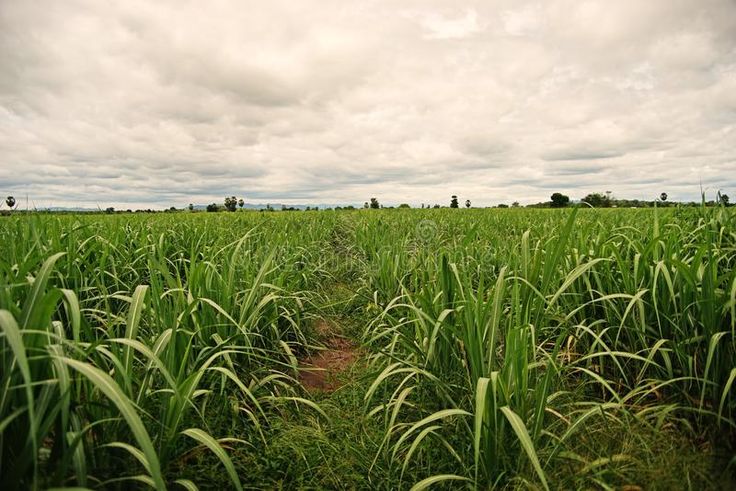
Jamaican rum, produced from sugarcane grown on the island's coastal and alluvial estates under a rum heritage spanning four centuries, represents the world's most flavour-distinctive rum category, its characteristic heavy-bodied, ester-rich character a product of specific fermentation practices and Jamaican sugarcane cultivars documented as unique in global distilling science.
The characteristic heavy-bodied, high-ester profile of Jamaican rum, defined by elevated concentrations of isoamyl acetate and ethyl acetate produced during the extended dunder-based fermentation process unique to Jamaican distilleries, gives Jamaican rum a flavour intensity and aromatic complexity that lighter rum styles cannot replicate. Jamaica's rum heritage carries formal geographical indication protection and is recognised by international spirits classification bodies as a distinct rum type.
The Appleton Estate, with documented sugar production records from 1749 making it one of the oldest continuously operated rum distilleries in the Caribbean, and Worthy Park Estate, operating on land under continuous sugarcane cultivation since 1670, represent the institutional depth of Jamaican rum heritage. The use of the dunder pit, a reservoir of previous distillation residues used to inoculate fermentation with native wild yeasts, is a biological heritage unique to Jamaican distilling that contributes directly to the specific ester profiles defining Jamaican rum's identity.
For procurement contacts in the premium spirits, rum blending, cocktail ingredients, and luxury retail sectors seeking rum with documented geographical indication protection, estate-specific provenance, and the distinctive heavy-bodied ester profile that makes Jamaican rum irreplaceable in premium blending applications, Jamaica's Saccharicultures value chain offers spirits provenance of historical depth and flavour distinction unmatched in the Caribbean rum category.
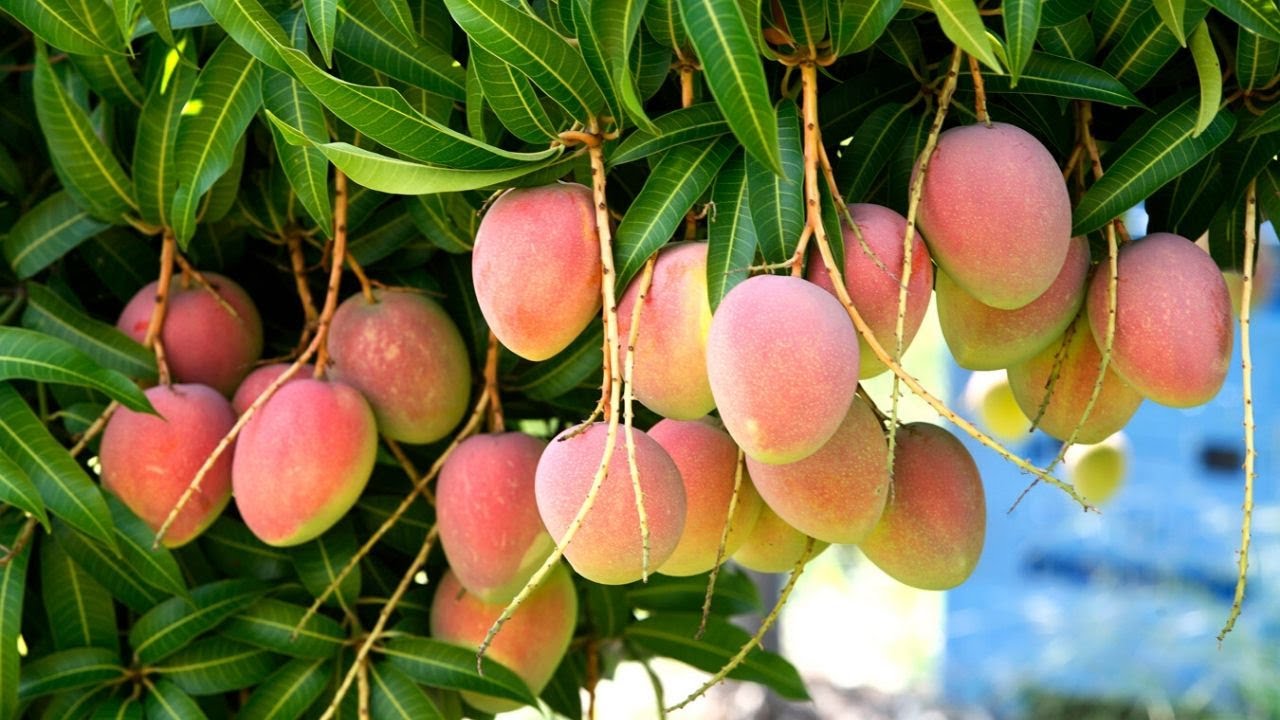
Ackee, Blighia sapida, Jamaica's national fruit and the primary ingredient of the island's national dish, is cultivated at commercial scale exclusively in Jamaica among Caribbean nations, its unique biochemistry requiring precise ripening protocols that make it the world's most scientifically complex regulated tropical fruit export.
Ackee, introduced to Jamaica from West Africa in the eighteenth century and subsequently naturalised as the defining agricultural product of Jamaican culinary identity, produces a fruit of unique biochemical character. The arilli of the mature open ackee pod contain hypoglycin compounds that are toxic in unripe fruit but diminish to safe levels upon full natural maturation, making ackee the only major commercially exported tropical fruit regulated primarily on the basis of its maturation chemistry, with the US FDA and European food safety agencies requiring documented pod-open harvest status and hypoglycin content testing for all import consignments.
Jamaica dominates global commercial ackee cultivation, with the Soapberry and Butter varieties grown across the island's parishes providing the canned and fresh ackee export that supplies the Jamaican diaspora in North America, the United Kingdom, and Europe. The specific fatty acid composition of mature ackee arilli, high in oleic and linoleic acids and providing a protein content unusual for a fruit, gives ackee a nutritional profile that supports its status as a substantial dietary component in Jamaican cuisine rather than merely a culinary garnish.
For procurement contacts in the specialty food, Caribbean cuisine ingredient, and diaspora food service sectors seeking commercially processed ackee with documented harvest maturity certification, hypoglycin compliance testing, and the exclusive Jamaican provenance that no other Caribbean territory can match at commercial scale, Jamaica's ackee Pomicultures value chain offers fruit provenance of biochemical, regulatory, and cultural distinction unique in the global tropical fruit trade.

IFEROUS+ - Aligning with Jamaica's multi-dimensional sovereign resource identity across gibbsite bauxite, Blue Mountain coffee, premium ester-rich rum, and ackee, we are building integrated value chain partnerships that span the island's most scientifically distinctive assets, connecting global procurement contacts with the provenance documentation and long-term supply relationships that irreplaceable Jamaican resources command.
Call our London Office on 020 3355 1985 or email plus@iferous.com to connect with our strategists and discuss opportunities.