-
Resources
- Precious Metals
- Battery Metals
- Industrial Metals
- Nuclear Energy
-
.cultures
- Timbers / Silvicultures
- Cottons / Gossypicultures
- Rubbers / Heveacultures
- Grains / Granicultures
- Oils / Oleicultures
- Sugars / Saccharicultures
- Coffees / Coffeicultures
- Cacaos / Cacaocultures
- Teas / Theicultures
- Flowers / Floricultures
- Fruits / Pomicultures
- Vegetables / Olericultures
- Citruses / Citricultures
-
Regions
- .IFEROUS+
- About
Cameroon
'Africa in Miniature, Where the World's Greatest Untapped Bauxite Reserve Meets Coffee, Cacao, and Rubber of Continental Scale'
'Cameroon is Africa in miniature, a nation whose geography spans equatorial rainforest, highland savannah, Atlantic coastline, Sahel desert fringe, and volcanic mountain ranges in a diversity unmatched across the continent. This ecological breadth supports a natural resource portfolio of exceptional width, from the hardwood forests of the south to the bauxite-rich highlands of the Adamawa plateau.
The agricultural exports of Cameroon carry genuine geographic distinction. Arabica coffee from the volcanic West Region highlands, fine flavour cacao from the southwestern and southern forest belt, palm oil from the coastal lowlands, rubber from the extensive industrial plantations, and bananas from the western highlands represent a portfolio shaped by Cameroon's extraordinary ecological diversity and the intersection of West African and Central African growing conditions.
In the Adamawa Plateau of central Cameroon, the Minim-Martap and Ngaoundal bauxite deposits have been identified as among the world's largest untapped bauxite reserves, a geological inheritance of continental significance awaiting the infrastructure investment that will unlock their potential for the global aluminium supply chain.'

Cameroon on Iferous.com
Cameroon's Minim-Martap and Ngaoundal bauxite deposits on the Adamawa Plateau are among the world's largest untapped aluminium ore reserves, with the Minim-Martap resource alone estimated to exceed 500 million tonnes at ore grades of 40-45% aluminium oxide of reactive trihydrate mineralogy ideally suited to Bayer refining.
These laterite-type formations developed through prolonged tropical weathering of Precambrian basement rocks under intense rainfall and heat. The processing compatibility of Adamawa Plateau bauxite, combined with the reserve scale, positions Cameroon's deposits as a potentially transformative addition to global aluminium supply chains. The Cameroon government's engagement with international development finance has progressed the infrastructure planning framework, with rail connections from the plateau to Atlantic port facilities forming the critical logistics requirement.
For procurement contacts and strategic investors in the aluminium value chain seeking engagement with one of the world's largest undeveloped bauxite systems, Cameroon's Adamawa Plateau reserves offer geological scale, ore quality, and sovereign resource ownership by a nation committed to responsible mineral development.
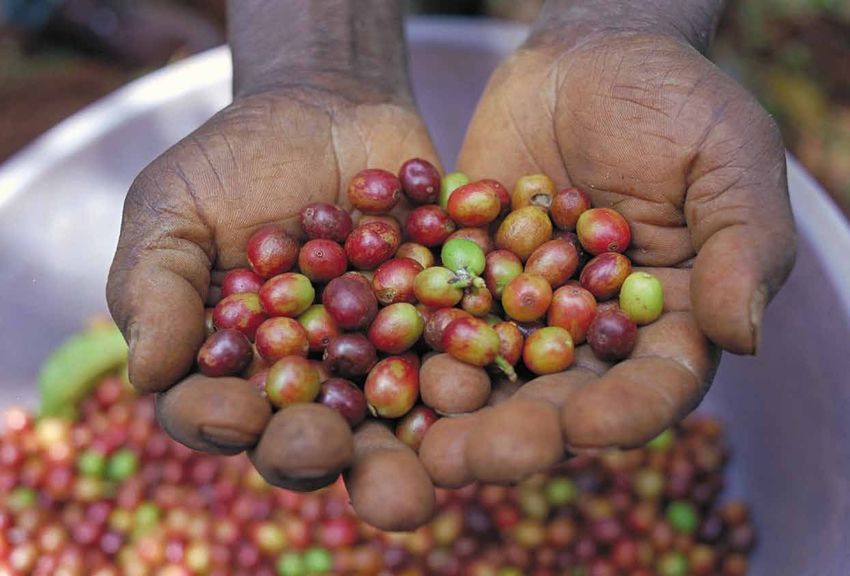
Mount Cameroon arabica, grown on the fertile volcanic slopes of West Africa's highest peak at elevations up to 2,000 metres in the Bolifamba and Buea growing zones, produces a coffee of mild, clean character with a body and sweetness shaped by the specific mineral richness of the mountain's basaltic volcanic soils and the Atlantic moisture influence of the Gulf of Guinea.
Mount Cameroon, at 4,095 metres the highest mountain in West and Central Africa, creates a microclimate of consistent rainfall, volcanic soil fertility, and altitude-moderated temperatures that produces arabica of the mild, low-acidity character that international blenders specify for sophisticated espresso formulations where smoothness rather than intensity is the primary quality parameter. The proximity of Mount Cameroon's coffee growing zones to the port of Limbe provides logistical advantages for export that few other Central African coffee origins can match.
The West Region highlands of Cameroon, encompassing the Bamenda Highlands and the Bamileke plateau, produce a further dimension of Cameroonian arabica quality, with altitude cultivation at 1,200-1,800 metres yielding beans of slightly more pronounced acidity and fruit character that complement the milder Mount Cameroon profile. Together, these two growing zones give Cameroon a coffee identity of genuine geographic complexity. For specialty coffee procurement contacts seeking Central African arabica with documented Mount Cameroon volcanic provenance, Cameroonian Coffeicultures' Coffees value chain offers the West African highland cup character of a genuinely under-explored origin.
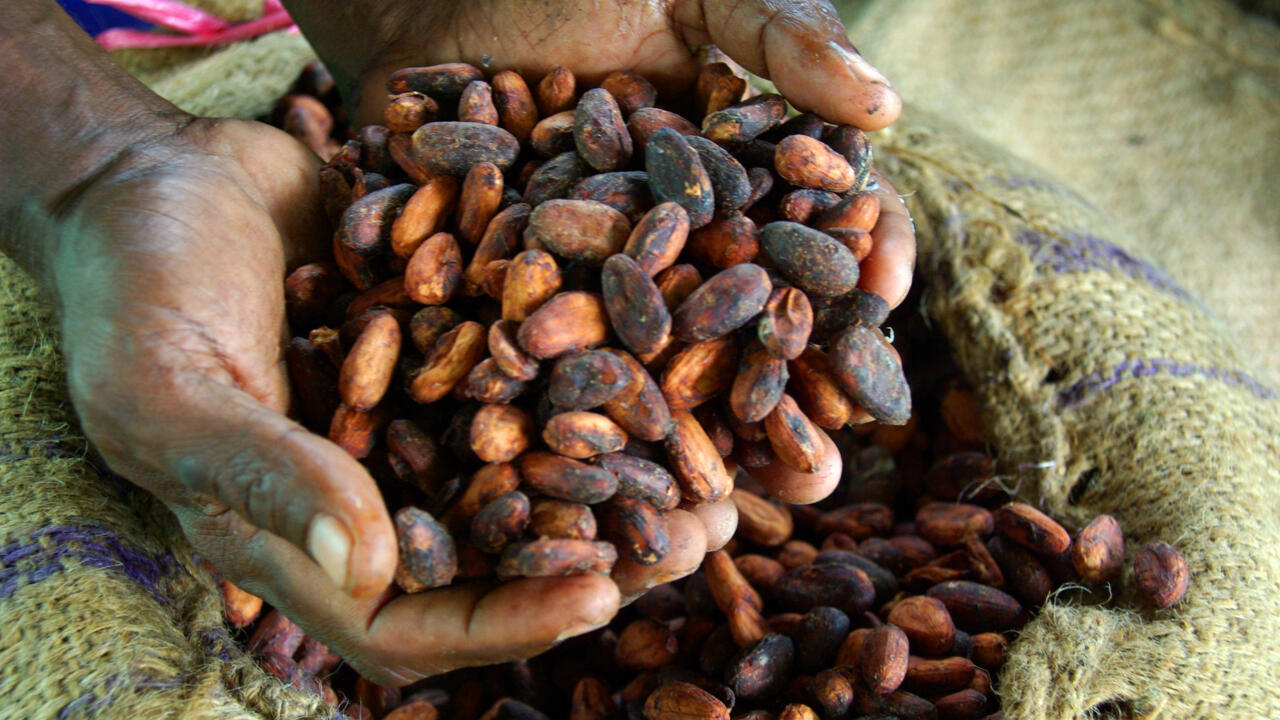
Cameroonian fine flavour cacao from the southwestern forest belt and the Centre Region produces beans of the Trinitario and Nacional hybrid genetic lineage whose fruity complexity, mild astringency, and characteristic floral notes have attracted increasing attention from craft chocolate makers seeking Central African origins of documented quality distinction.
Cameroon is the fifth largest cocoa producer globally and the third largest in Africa after Cote d'Ivoire and Ghana, with production concentrated in the Centre, South, Southwest, and Littoral regions of the country. While commodity-grade Cameroonian cacao has historically supplied industrial chocolate manufacturers, the growing recognition among specialty chocolate makers of the fine flavour potential within specific Cameroonian growing zones has opened a quality tier receiving premium pricing relative to commodity grades.
The Centre Region's cacao, grown at slightly higher elevations and often under shade systems that slow bean development and concentrate flavour compounds, has attracted particular interest from international craft chocolate makers who have worked with Cameroonian farmer cooperatives to develop fermentation and drying protocols that consistently produce fine flavour assessment scores. For procurement contacts in the premium and craft chocolate sectors seeking Central African fine flavour cacao with documented provenance and cooperative processing credentials, Cameroonian Cacaocultures' Cacaos value chain offers the quality potential of an origin at the frontier of the fine flavour discovery market.
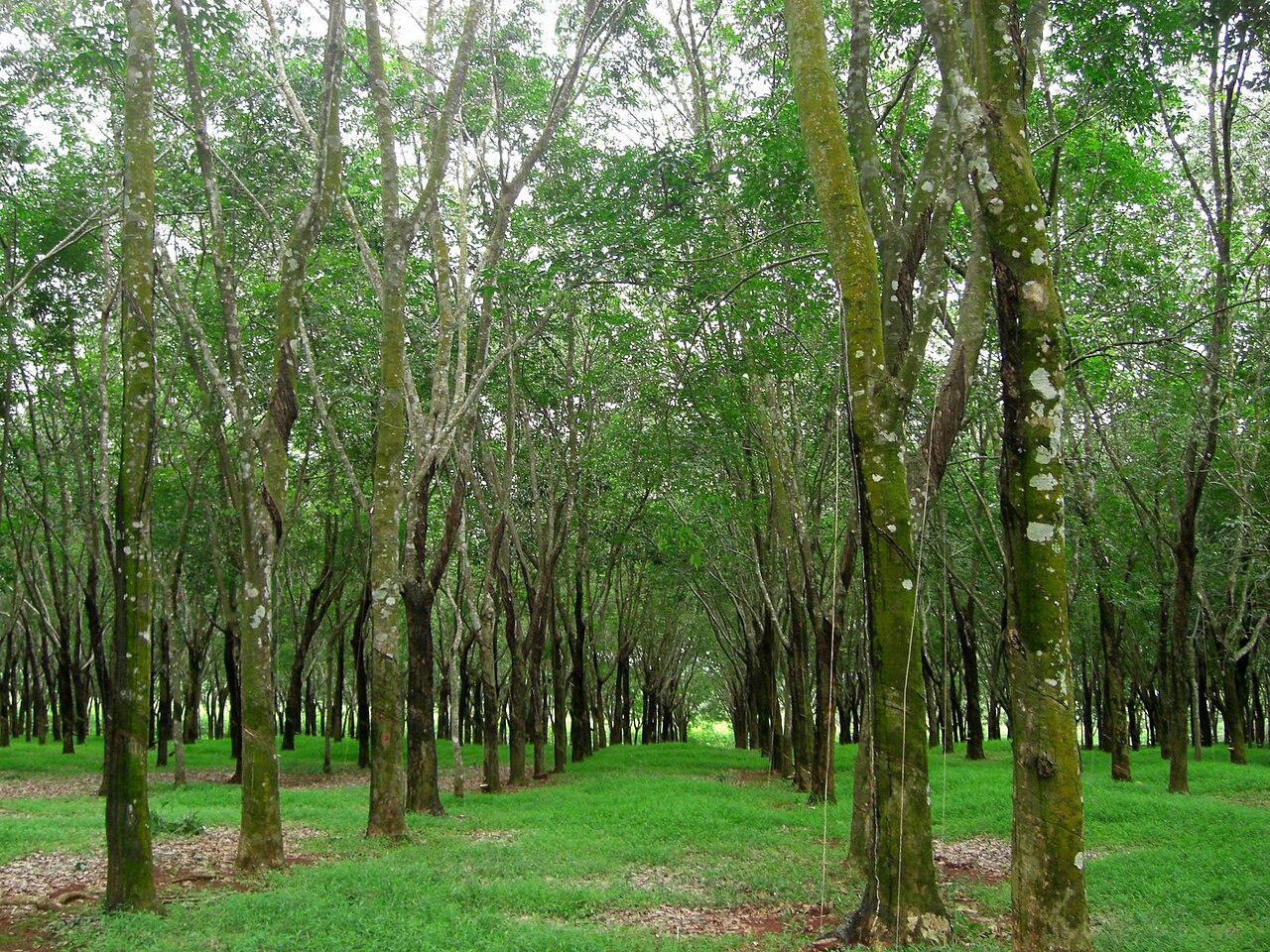
Cameroon is Africa's second largest natural rubber producer, with Hevea brasiliensis plantations concentrated in the Littoral, Southwest, and Centre regions producing natural latex of consistent DRC5 international grade quality for global tyre manufacturing and industrial rubber goods supply chains.
The systematic development of Cameroonian rubber cultivation, anchored by major industrial operations including Socapalm, CDC (Cameroon Development Corporation), and Hevecam in the Kribi and coastal zones, has established a rubber industry of significant continental importance. The humid equatorial climate of Cameroon's southern zones, with annual rainfall of 1,500-2,000 millimetres and temperatures consistently favourable for Hevea brasiliensis growth, produces latex of the DRC viscosity and plasticity retention index that international rubber traders and manufacturers specify for technically demanding applications.
Cameroon's rubber industry combines large estate operations with smallholder outgrower schemes, the latter providing livelihoods for tens of thousands of farming families in the southern and coastal zones while contributing significantly to national production totals. For procurement contacts in tyre manufacturing, industrial rubber, and natural latex sectors seeking African natural rubber from a consistently producing second-tier source with documented plantation provenance and established export logistics, Cameroonian Heveacultures' Rubbers value chain offers continental production significance and technically verified grade quality.
IFEROUS+ - Aligning with Cameroon's multi-dimensional sovereign resource identity across Minim-Martap bauxite of world reserve-scale significance, Mount Cameroon arabica of volcanic highland origin, Central Region fine flavour cacao at the frontier of craft chocolate discovery, and Africa's second largest natural rubber production, we are building integrated value chain partnerships across this extraordinary Africa-in-miniature nation.
Call our London Office on 020 3355 1985 or email plus@iferous.com to connect with our strategists and discuss opportunities.