
-
Resources
- Precious Metals
- Battery Metals
- Industrial Metals
- Nuclear Energy
-
.cultures
- Timbers / Silvicultures
- Cottons / Gossypicultures
- Rubbers / Heveacultures
- Grains / Granicultures
- Oils / Oleicultures
- Sugars / Saccharicultures
- Coffees / Coffeicultures
- Cacaos / Cacaocultures
- Teas / Theicultures
- Flowers / Floricultures
- Fruits / Pomicultures
- Vegetables / Olericultures
- Citruses / Citricultures
-
Regions
- .IFEROUS+
- About
Algeria
'Where Saharan Depths Conceal Iron Reserves of Continental Magnitude'
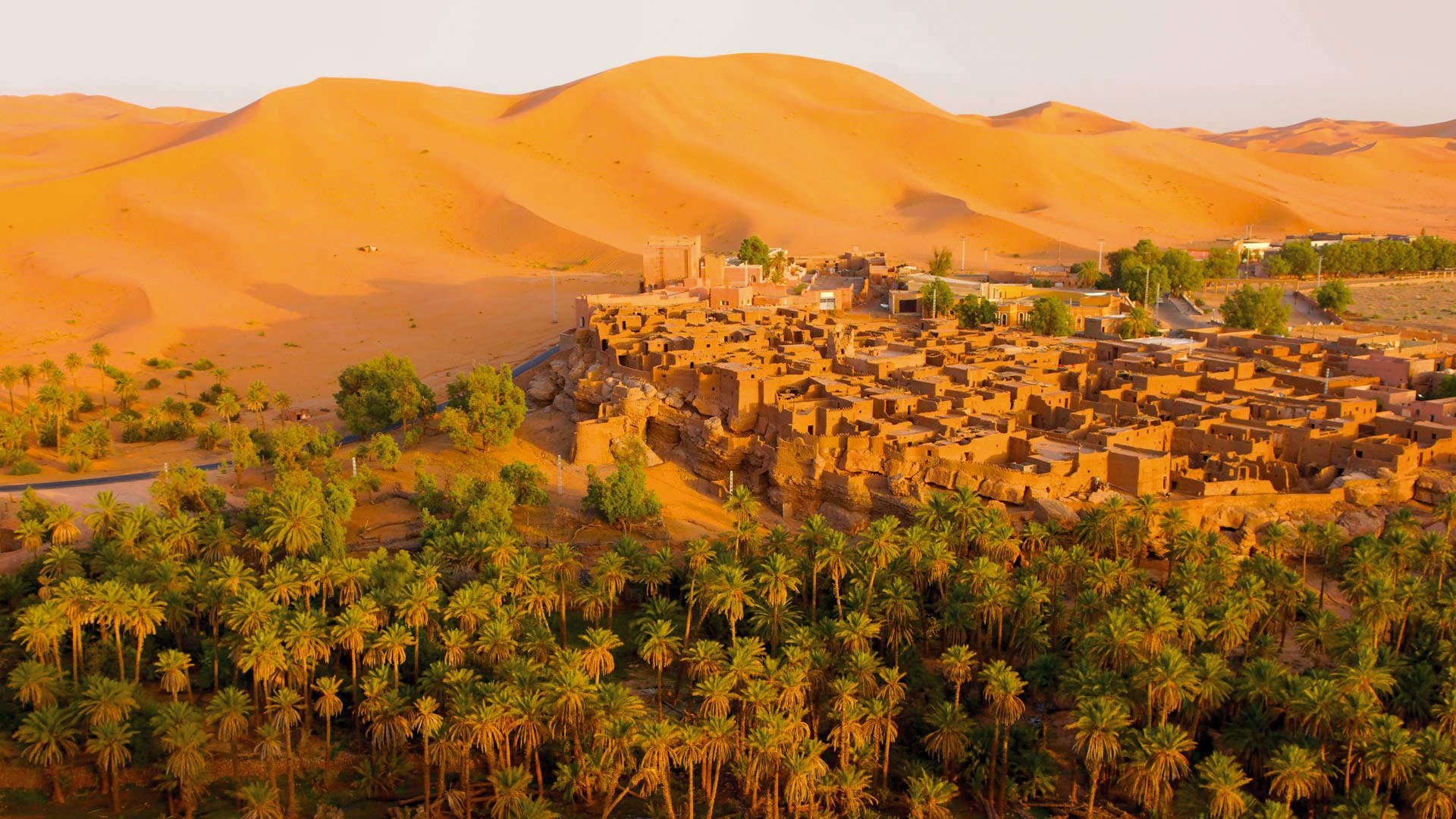
'Algeria is the largest country in Africa and the tenth largest in the world, a nation whose vast territory spans the fertile Mediterranean coastline, the Atlas mountain ranges, and the sweeping Sahara Desert that makes up nearly ninety percent of its land surface. This geographic scale conceals a natural resource endowment of extraordinary breadth and depth.
The agricultural heritage of Algeria's northern and highland regions is as ancient as Berber civilisation itself. Deglet Nour dates from the Biskra oasis, among the world's most prized date varieties for their translucent amber colour and honey-rich flavour, olive oil from the Kabyle highlands whose Chemlal cultivar produces oil of distinctive character, and durum wheat from the high plateaux of the interior represent an agricultural portfolio rooted in millennia of North African cultivation expertise.
Beneath the Sahara, Algeria's geological record reveals mineral wealth of continental significance. The Gara Djebilet iron ore deposit in the Tindouf Basin of southwestern Algeria is one of the world's largest known iron ore reserves, a ferriferous system of extraordinary scale that represents one of the most significant untapped iron ore resources on the planet.'
Algeria on Iferous.com
Algeria's Gara Djebilet iron ore deposit in the Tindouf Basin is one of the world's largest known ferriferous reserves, an untapped Saharan resource of continental strategic importance estimated at over three billion tonnes at grades of 57-60% iron content.
The mineralisation is hosted within Devonian sedimentary sequences of remarkable lateral continuity, mapped by Algerian geological surveys over several decades. The ore's phosphorus content requires beneficiation processing to meet international steelmaking specifications, and Algeria's investment in direct reduction iron technology, driven by the country's significant natural gas resources, provides the processing pathway to convert raw ore into DRI of steelmaking quality, replicating the value-adding model pioneered in the Gulf and Trinidad.
Algeria's recent government commitment to Gara Djebilet includes railway infrastructure projects connecting the deposit to port facilities, forming a core component of the national mineral development strategy. This infrastructure investment signals Algeria's intention to monetise one of its most significant sovereign geological assets and establish a ferriferous export identity matching the deposit's continental scale.
For procurement contacts and strategic investors in the iron and steel sector seeking engagement with one of the world's largest undeveloped iron ore systems, Algeria's Gara Djebilet represents a resource of continental scale, sovereign stability, and a development trajectory increasingly supported by national infrastructure investment.
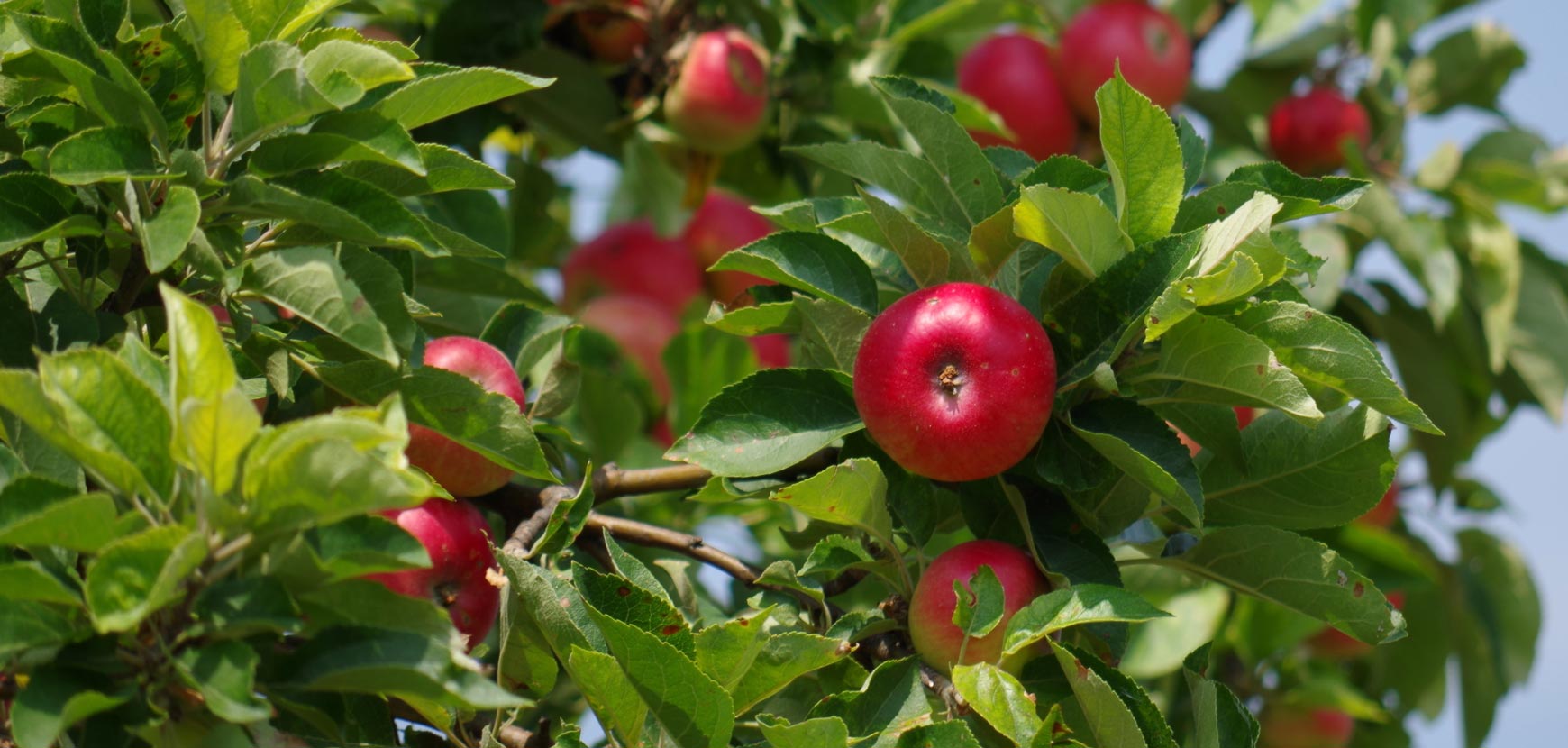
The Deglet Nour dates of the Biskra oasis at the northern edge of the Algerian Sahara are among the world's most sought-after premium date varieties, their characteristic translucency, honey-like sweetness, and refined aromatic depth commanding premium pricing in European, North American, and Gulf markets for over a century.
Biskra Province, positioned where the Atlas foothills descend into the Saharan oasis landscape, has developed an identity inseparable from the Deglet Nour date palm, whose name translates as the date of light for the translucency of its ripe amber fruit. The specific combination of Biskra's oasis microclimate, its deep alluvial soils enriched by desert water sources, and the traditional cultivation knowledge of Zibanese date growers produces dates of a quality complexity that industrial cultivation systems in other regions consistently fail to replicate.
Algeria ranks among the world's three largest date producers by annual output, with Biskra Province alone containing the highest density of premium Deglet Nour cultivation globally. Algerian date exports, certificated through the National Laboratory for Agronomic Research, carry documented provenance that supports the premium pricing Deglet Nour commands in international markets over lower-grade date varieties.
For procurement contacts in the premium confectionery, specialty food, and agricultural ingredient sectors seeking Deglet Nour dates with documented Biskra oasis provenance, certified quality characterisation, and the geographic authenticity of the world's most established premium date producing territory, Algerian pomiculture's Fruits value chain offers date provenance of Saharan depth and international market distinction.
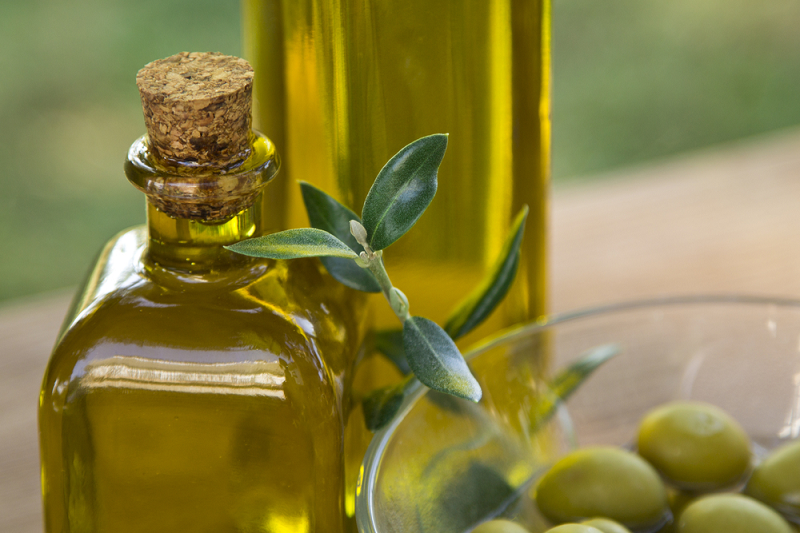
The olive oil of the Kabyle highlands of northern Algeria, produced from the indigenous Chemlal cultivar in the terraced orchards of Greater and Lesser Kabylie, is a Mediterranean olive oil of genuine geographic character rooted in Berber agricultural heritage extending over two thousand years of continuous cultivation.
The Kabyle region of northern Algeria, a Berber highland landscape of forested valleys and terraced hillsides stretching from Tizi Ouzou to Bejaia, contains one of the most ancient surviving olive cultivation systems in the Mediterranean world. The Chemlal cultivar, the dominant olive variety of Algerian Kabylie and one of the few cultivars indigenous to North Africa rather than introduced from the eastern Mediterranean, produces olive oil of a distinctive aromatic profile reflecting the cool highland climate, limestone-rich soils, and traditional stone press extraction methods that characterise authentic Kabyle oleiculture.
Algerian olive oil production has grown significantly in recent decades as investment in certified quality frameworks has enabled Kabyle oils to access premium European and North American markets increasingly interested in Mediterranean oils of documented indigenous cultivar character. Kabyle Chemlal oil's distinctive fruitiness, low acidity, and the specific polyphenol profile associated with traditional highland cultivation gives it an olive oil identity distinct from Spanish, Italian, or Greek competitors.
For procurement contacts in the premium culinary oil, specialty food, and certified origin sectors seeking North African olive oil with indigenous cultivar provenance, Berber highland cultivation heritage, and a quality profile of documented geographic distinction, Algerian Kabyle Oleicultures' Oils value chain offers provenance of Mediterranean historical depth and contemporary quality credentials.
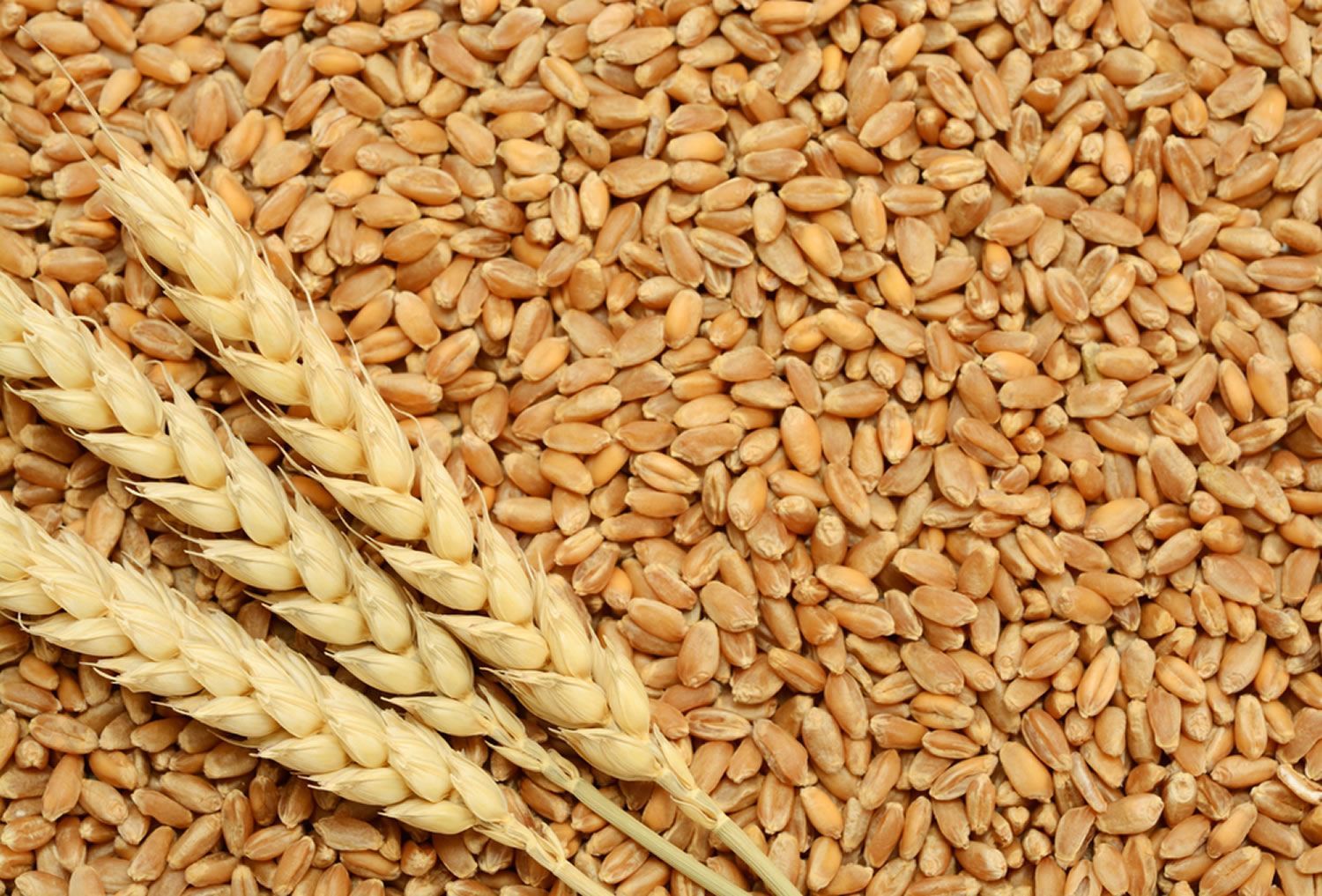
Algerian durum wheat, cultivated across the Hauts Plateaux and the semi-arid highland plains of the interior, is the foundational grain of North African cuisine, its high protein content and gluten strength producing semolina of the quality that defines authentic couscous and pasta manufacturing across the Mediterranean and beyond.
The Algerian high plateau cereal belt, extending across the provinces of Setif, M'Sila, Tiaret, and Saida at elevations between 800 and 1,200 metres, supports cultivation of hard wheat varieties adapted through centuries of selection to the specific conditions of North African continental climate, where intense summer heat, limited rainfall, and calcareous soils produce grain of elevated protein content and the gluten network strength that premium semolina processors specify.
Algeria's durum wheat heritage is inseparable from the country's culinary identity. Couscous, recognised as UNESCO Intangible Cultural Heritage shared across North Africa, requires durum semolina of specific granulation and gluten content that Algerian wheat traditions have refined over centuries of cultivation and artisan processing. The deep integration of durum cultivation into Algerian agricultural and food culture gives Algerian grain a provenance of culinary authenticity that industrial production alone cannot replicate.
For procurement contacts in the semolina milling, pasta manufacturing, and specialty food sectors seeking durum wheat with documented North African highland provenance, cultivar-specific protein quality characterisation, and the culinary heritage of the couscous grain tradition, Algerian Granicultures' Grains value chain offers cereal provenance of Mediterranean depth and North African culinary identity.

IFEROUS+ - Aligning with Algeria's multi-dimensional sovereign resource identity across Gara Djebilet iron of continental reserve significance, Biskra Deglet Nour dates commanding the world's premium date market, Kabyle Chemlal olive oil of two thousand years of Berber highland cultivation, and durum wheat from the Hauts Plateaux cereal belt, we are building integrated value chain partnerships across this extraordinary nation's most distinctive assets.
Call our London Office on 020 3355 1985 or email plus@iferous.com to connect with our strategists and discuss opportunities.