
-
Resources
- Precious Metals
- Battery Metals
- Industrial Metals
- Nuclear Energy
-
.cultures
- Timbers / Silvicultures
- Cottons / Gossypicultures
- Rubbers / Heveacultures
- Grains / Granicultures
- Oils / Oleicultures
- Sugars / Saccharicultures
- Coffees / Coffeicultures
- Cacaos / Cacaocultures
- Teas / Theicultures
- Flowers / Floricultures
- Fruits / Pomicultures
- Vegetables / Olericultures
- Citruses / Citricultures
-
Regions
- .IFEROUS+
- About
St. Kitts & Nevis
'The Mother Colony of the British Caribbean, Where Sugar Forged an Empire's Wealth'
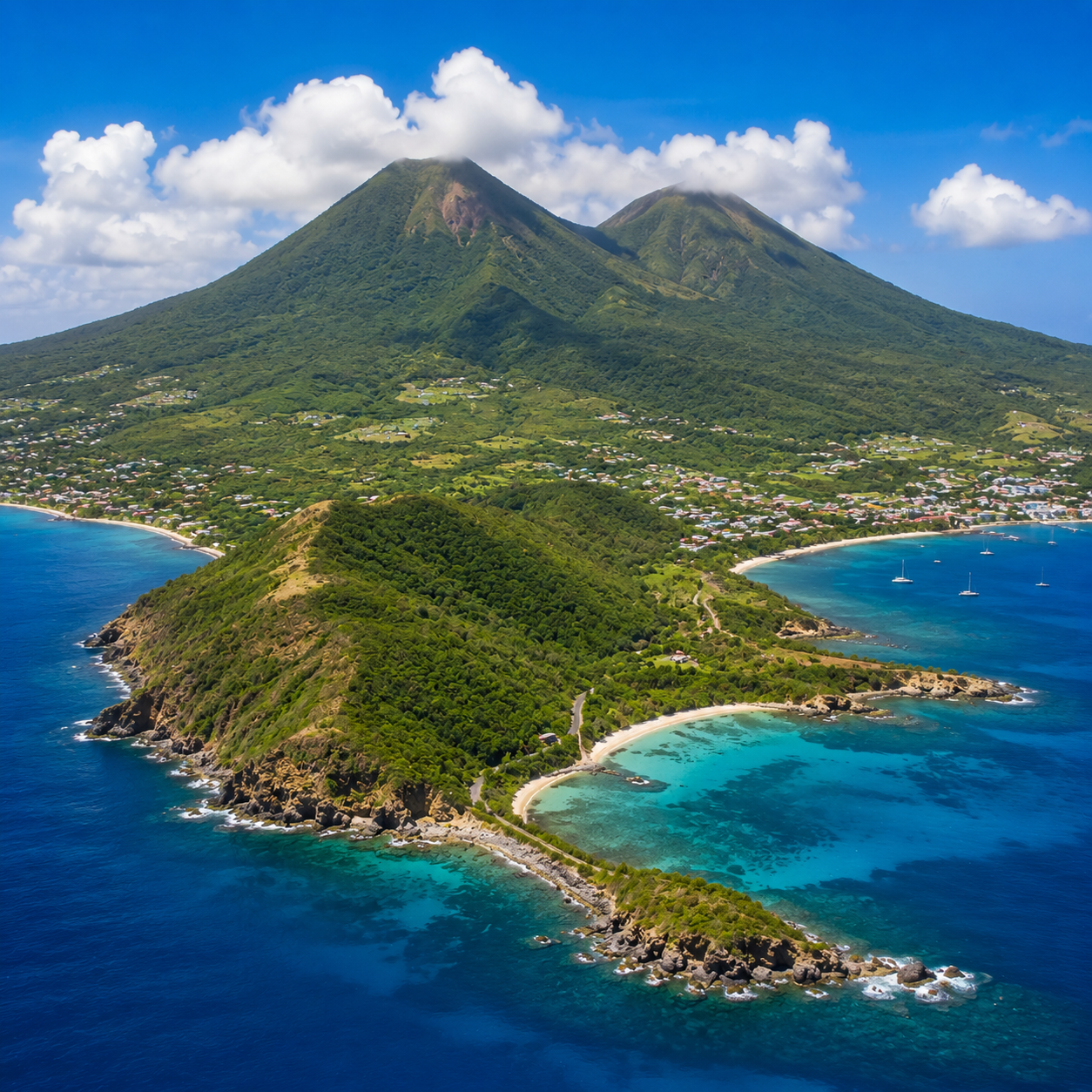
'Saint Kitts and Nevis is a twin-island federation of profound historical significance in the story of the British Caribbean. Saint Kitts, the first permanent English settlement in the Caribbean established in 1623, became the Mother Colony from which British Caribbean expansion radiated, the island whose agricultural systems, settlers, and expertise populated Antigua, Barbados, and ultimately every British West Indian territory.
The volcanic topography of both islands, Saint Kitts dominated by the Mount Liamuiga stratovolcano and Nevis shaped by the near-perfect cone of Nevis Peak, has given these islands a mineral richness that sustained one of the most productive sugar economies in the British Empire. The Brimstone Hill Fortress, a UNESCO World Heritage Site, was built to protect this most valuable of British Caribbean assets.
The woodland heritage of Saint Kitts and Nevis, sustained across the volcanic highlands of both islands, supports native hardwood species and secondary forest ecosystems of ecological significance. The cloud forest of Nevis Peak, beginning above 300 metres and reaching to the summit, represents one of the most intact high-altitude forest ecosystems in the Eastern Caribbean and provides the watershed foundation for the island's agricultural and domestic water supply.'
Saint Kitts and Nevis on Iferous.com

The volcanic forest ecosystems of Saint Kitts and Nevis, from the cloud forest canopy of Nevis Peak to the secondary woodland of the Mount Liamuiga slopes, sustain native hardwood species and tropical biodiversity of Eastern Caribbean ecological significance within highland environments of exceptional botanical richness.
The Nevis Peak cloud forest, beginning at elevations above 300 metres and covering the upper slopes of the island's defining volcanic cone, represents one of the most intact high-altitude forest systems in the Eastern Caribbean. The consistent moisture from cloud immersion that sustains this forest supports epiphytes, tree ferns, and native hardwood species of scientific significance, with the cloud forest serving as the primary watershed for Nevis's freshwater supply systems.
The Mount Liamuiga rainforest of Saint Kitts, rising to 1,156 metres from the Caribbean Sea, contains native hardwood species growing on the mineral-rich volcanic soils of the island's central volcanic massif. The integration of forest cover with Saint Kitts's former plantation landscape creates an ecological patchwork that maintains biodiversity corridors between the protected highland forest and the agricultural lowlands.
For procurement contacts and conservation specialists seeking volcanic island forest provenance from the founding British Caribbean colony, cloud forest ecosystem documentation from Nevis Peak, and the ecological heritage of a twin-island federation whose volcanic highlands sustain some of the Eastern Caribbean's most botanically significant highland forest systems, Kittitian and Nevisian Ligniferous value chain offers woodland provenance of ecological and historical distinction.
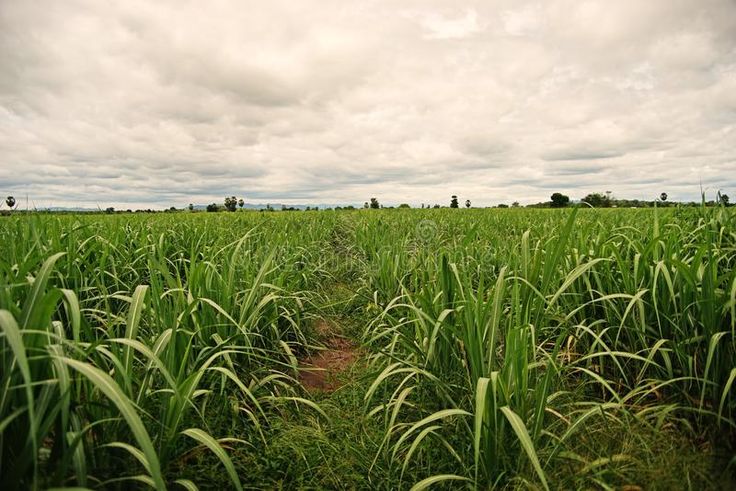
Saint Kitts operated as the pre-eminent sugar island of the British Caribbean Empire for over two centuries, establishing production systems and agricultural techniques that shaped sugar cultivation across the entire British West Indies, earning the designation of Mother Colony for the role it played in founding and populating subsequent British Caribbean territories.
Saint Kitts, the first permanent English settlement in the Caribbean established in 1623, became the template from which British Caribbean sugar cultivation spread to Barbados, Antigua, and ultimately across the British West Indies. At the peak of its colonial productivity, Saint Kitts was the most valuable sugar-producing territory per acre in the British Empire, its volcanic soils and reliable rainfall supporting cane cultivation of exceptional yield that sustained the island's position as the foundational colony of British Caribbean commercial agriculture for generations.
The Cane Spirit Rothschild, produced on Saint Kitts from fresh sugar cane juice rather than molasses, represented a technically distinct rum style within the Caribbean spirits category, one of the few Caribbean spirit producers working with fresh-pressed juice in the agricole tradition rather than the more common molasses-based production. The closure of the Saint Kitts Sugar Manufacturing Corporation in 2005 ended over 360 years of continuous sugar production on the island, making Saint Kitts the last of the British Caribbean sugar islands to cease industrial production.
For procurement contacts in the premium spirits, heritage sugar products, and Caribbean food heritage sectors seeking saccharicultural provenance from the founding island of British Caribbean sugar cultivation, the island whose production techniques and agricultural systems shaped sugar culture across an entire ocean basin for four centuries, Saint Kitts saccharicultural value chain offers historical depth and Mother Colony heritage of extraordinary commercial and cultural significance.
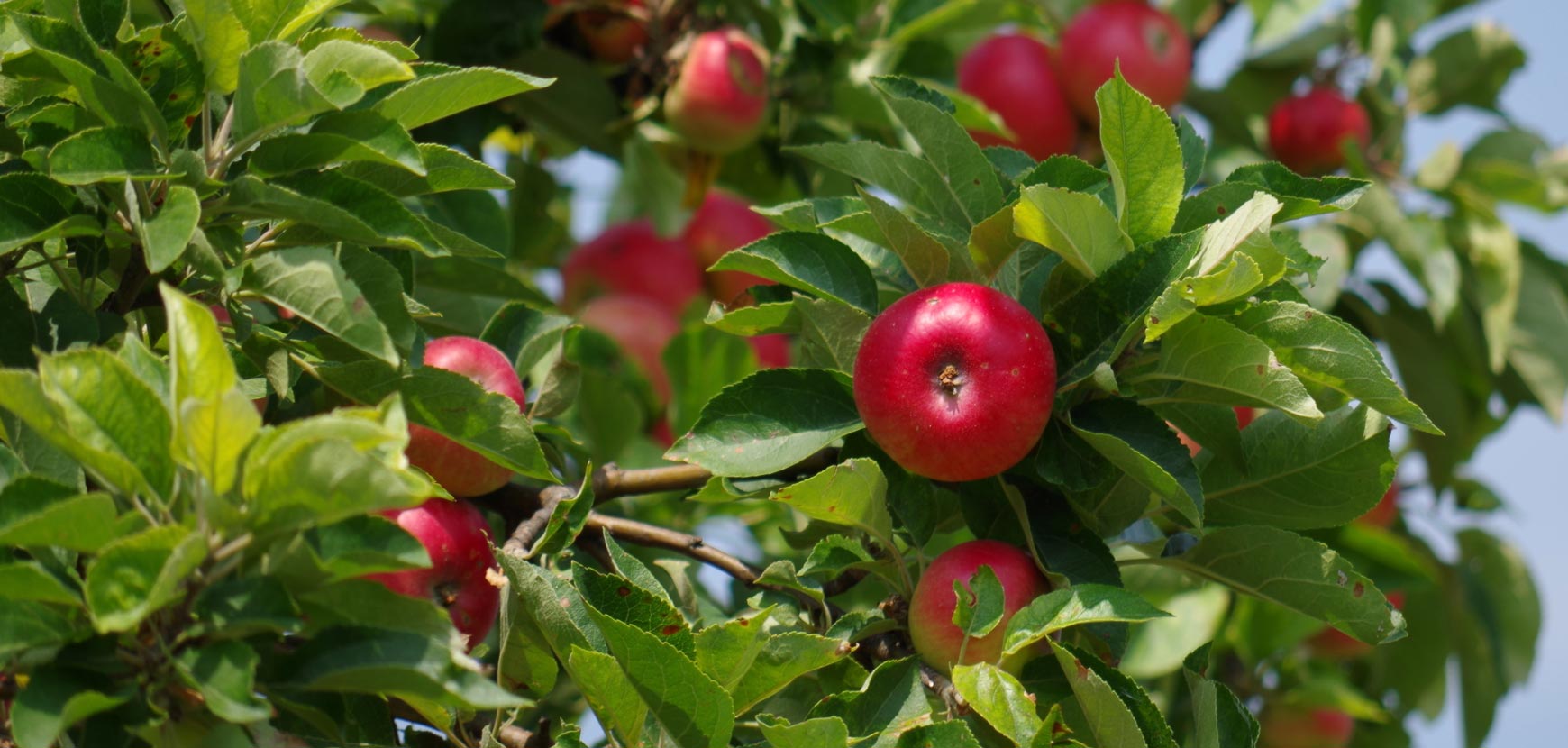
The slopes of Nevis Peak, rising to 985 metres from the Caribbean Sea and clothed in tropical vegetation from its coastal base through mid-elevation cloud forest, produce tropical fruits of exceptional character from volcanic soils enriched by the geothermal mineral richness of one of the Eastern Caribbean's most dramatically isolated volcanic summits.
Nevis Peak, the central volcanic cone that defines the island of Nevis and gives it its form, supports fruit cultivation on the lower and mid slopes where volcanic soils of exceptional mineral richness, consistent rainfall, and tropical temperatures produce mangoes, papaya, breadfruit, and coconuts of distinctive character. The specific mineral composition of the Nevis Peak volcanic soils, derived from the island's Pleistocene volcanic geology, contributes a mineral sweetness and aromatic intensity to tropical fruits grown on these slopes that reflects the geothermal heritage of this isolated volcanic cone rising from the Caribbean Sea.
Nevisian mangoes, particularly the Julie and Bombay varieties cultivated on the lower slopes of Nevis Peak, are celebrated within the Caribbean for their exceptional sweetness and aromatic depth, with the island's small-scale agricultural tradition producing fruit for domestic consumption and intra-Caribbean trade that reflects the character of volcanic island tropical agriculture at its most authentic. The coconut groves of the Nevisian coastal strip, producing coconuts in the mineral-rich volcanic soil environment of the island's agricultural lowlands, represent a further dimension of Nevis's tropical fruit heritage.
For procurement contacts in the specialty Caribbean fruit, artisan food, and tropical produce sectors seeking volcanic island fruit with documented Nevis Peak provenance, the mineral character of geothermal volcanic soils unique to this isolated Eastern Caribbean volcanic cone, and the authentic island agricultural heritage of smallholder tropical cultivation that has sustained Nevisian food culture for centuries, Nevisian pomiculture's Fruits value chain offers fruit provenance of volcanic island distinction and Caribbean authenticity.
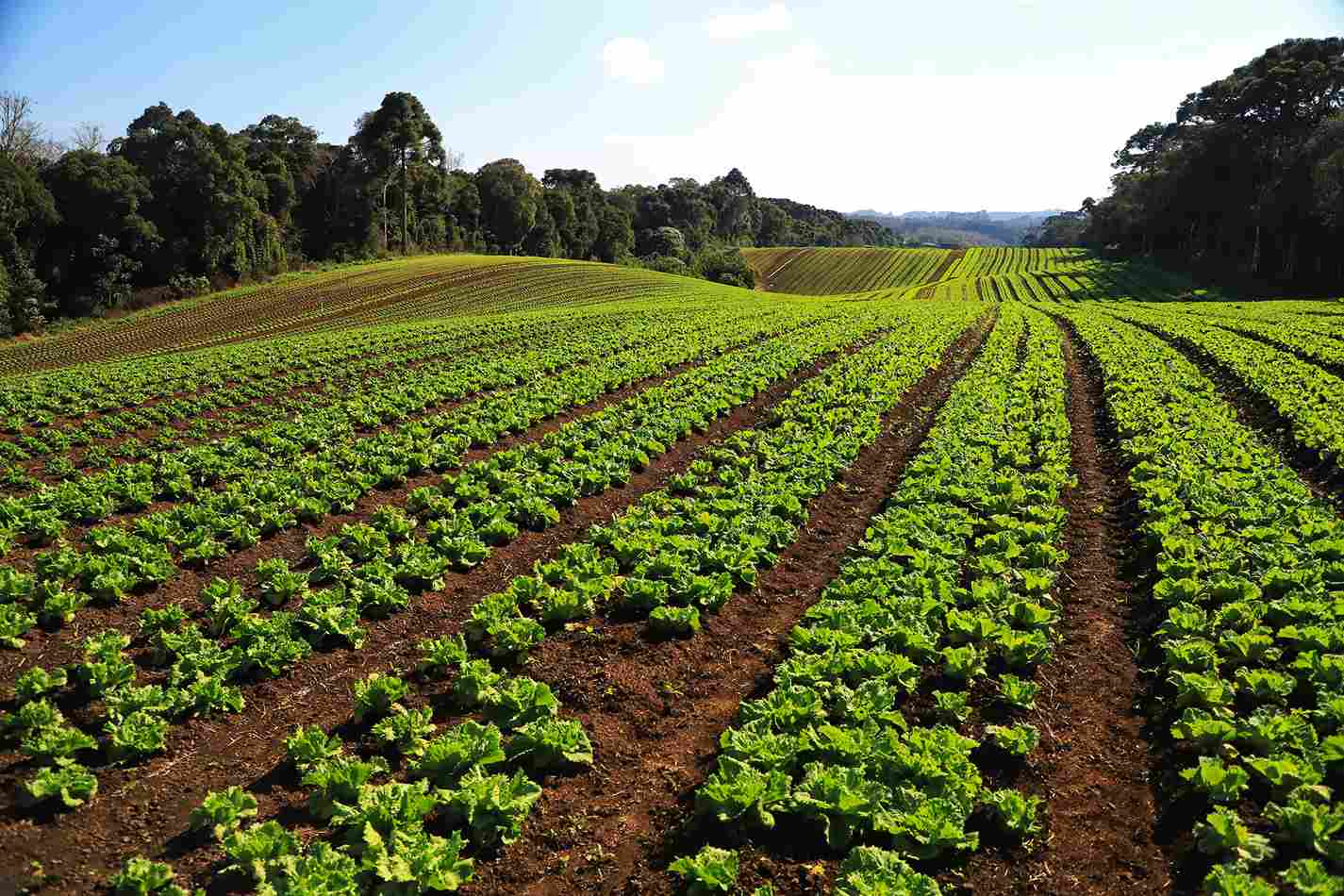
The ground provisions of Saint Kitts and Nevis, including dasheen, yams, eddoes, breadfruit, and sweet potatoes grown in the volcanic soils of the federation's agricultural plots, represent the Caribbean's most fundamental agricultural tradition, sustained on these islands by centuries of smallholder cultivation in some of the Eastern Caribbean's most mineralogically productive volcanic soils.
Ground provisions, the collective term for the starchy root vegetables and tubers that have sustained Caribbean communities for centuries, are cultivated across the agricultural plots of Saint Kitts and Nevis in volcanic soils whose mineral richness produces provisions of characteristic flavour, texture, and nutritional depth. Dasheen (taro), yam, eddoe, and sweet potato grown in the volcanic loam of the Kittitian and Nevisian hillside agricultural system develop a corm and tuber character shaped by the specific mineral nutrient uptake from soils enriched by the volcanic geology of the Saint Kitts-Nevis volcanic arc.
The breadfruit of Saint Kitts and Nevis, grown on trees whose introduction to the Caribbean from the Pacific in the late eighteenth century is one of the most documented botanical transfers in colonial history, produces starchy fruit of exceptional nutritional value from the island's volcanic soils. The federation's agricultural landscape, still characterised by smallholder food production alongside the former plantation system, maintains the ground provision tradition as a living heritage of Caribbean agricultural self-sufficiency rooted in the volcanic soil heritage of the Mother Colony.
For procurement contacts in the Caribbean food, diaspora grocery, and traditional tropical provisions sectors seeking ground provisions with documented volcanic island origin, the mineral character of Saint Kitts-Nevis volcanic arc soils, and the cultural heritage of the Eastern Caribbean's founding British colony agricultural tradition, Kittitian and Nevisian olericulture's Vegetables value chain offers provisions of volcanic island character and Caribbean agricultural heritage depth.

IFEROUS+ - Aligning with Saint Kitts and Nevis's multi-dimensional sovereign resource identity across Nevis Peak cloud forest, the Mother Colony sugar heritage that founded British Caribbean trade, Nevis Peak volcanic tropical fruits, and ground provisions from the Eastern Caribbean's most historically significant volcanic soils, we are building integrated value chain partnerships spanning the federation's most distinctive assets and connecting global procurement contacts with the provenance and supply relationships that irreplaceable Kittitian and Nevisian resources command.
Call our London Office on 020 3355 1985 or email plus@iferous.com to connect with our strategists and discuss opportunities.