
-
Resources
- Precious Metals
- Battery Metals
- Industrial Metals
- Nuclear Energy
-
.cultures
- Timbers / Silvicultures
- Cottons / Gossypicultures
- Rubbers / Heveacultures
- Grains / Granicultures
- Oils / Oleicultures
- Sugars / Saccharicultures
- Coffees / Coffeicultures
- Cacaos / Cacaocultures
- Teas / Theicultures
- Flowers / Floricultures
- Fruits / Pomicultures
- Vegetables / Olericultures
- Citruses / Citricultures
-
Regions
- .IFEROUS+
- About
Grenada
'The Island of Spice, Where Volcanic Soil Writes the World's Finest Flavours'
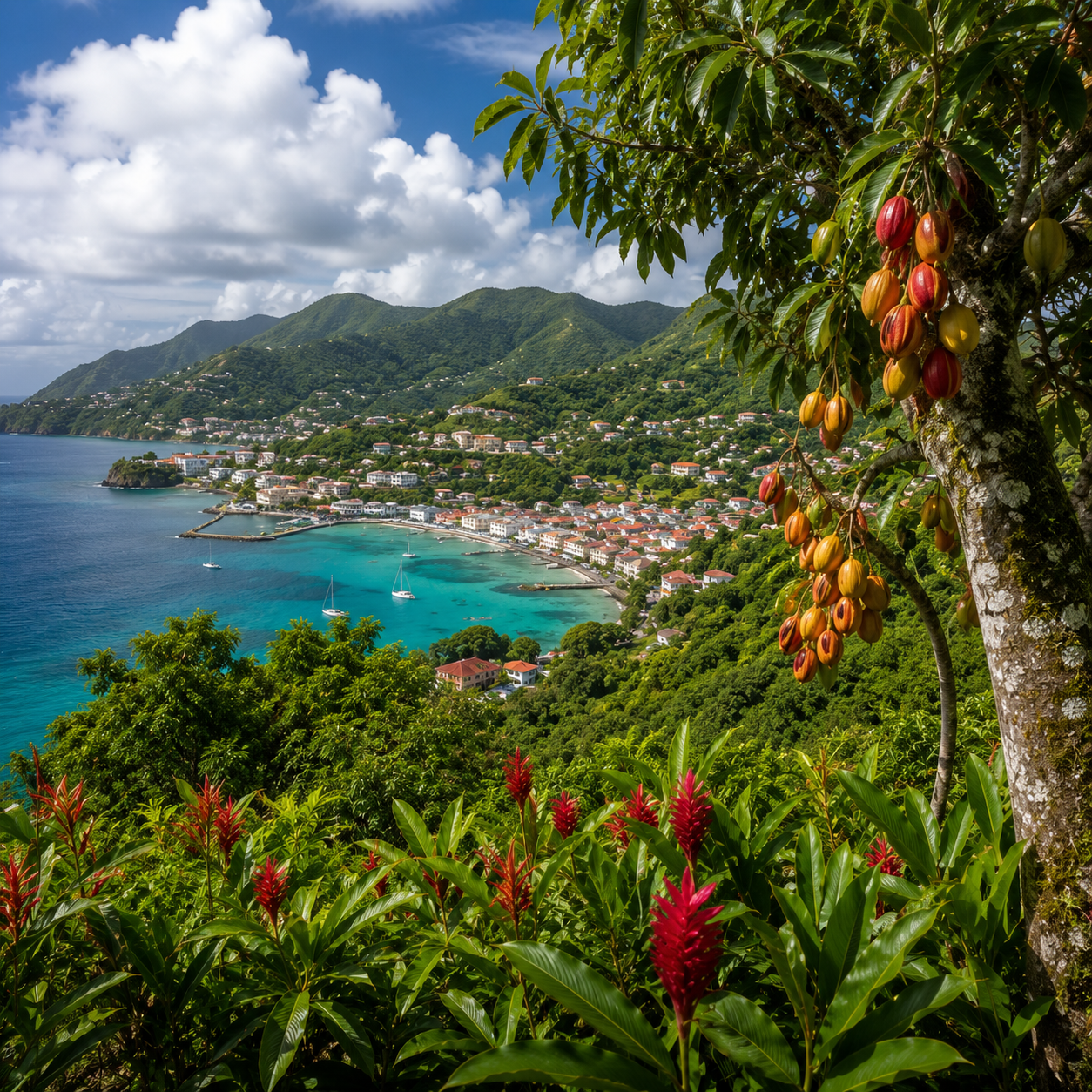
'Grenada is the island of spice, a volcanic jewel whose steep hillsides and extraordinarily rich volcanic soils produce nutmeg, mace, cinnamon, cocoa, and a portfolio of botanical resources with a concentrated aromatic richness found nowhere else in the Caribbean. This small island nation of 344 square kilometres punches far above its geographic weight in global commodity trade.
The agricultural identity of Grenada is inseparable from the nutmeg tree, Myristica fragrans, whose cultivation was established in the eighteenth century and whose products still define the island's sovereign commercial character. Grenada supplies approximately 20% of the world's nutmeg, and the island flag itself bears a golden nutmeg pod as testament to this botanical heritage.
Beneath Grenada's verdant volcanic forest canopy, the island's geology tells a story of tectonic energy that continues to enrich its soils. The Caribbean volcanic arc that created Grenada produces mineral-rich substrates of exceptional agricultural fertility, and the island's timber resources, including the tropical hardwoods of the Grand Etang National Park, reflect centuries of ecological development on this ancient volcanic foundation.'
Grenada on Iferous.com

Grenada's tropical rainforest, anchored by hardwood species including the gommier and Caribbean mahogany growing in volcanic soils of exceptional mineral richness, provides a woodland resource of ecological depth and heritage significance.
The forests of Grenada's interior, protected within the Grand Etang National Park and surrounding forest reserves, contain tropical hardwood species of considerable botanical significance growing on the mineral-rich volcanic soils that distinguish Grenadian forest ecology from the lower-fertility limestone forests of the flat Caribbean islands. The gommier, Dacryodes excelsa, grows to impressive dimensions in Grenada's high-rainfall volcanic interior, producing timber of traditional value to the island's boat-building and construction heritage.
Caribbean mahogany and other native hardwood species of Grenada's volcanic forest grow under conditions of high humidity, consistent rainfall, and deep volcanic mineral substrate that produce timber of specific density and durability characteristics valued in craft furniture and traditional construction. The integration of forest cover with Grenada's spice cultivation landscape creates an agroforestry system of ecological intelligence that has sustained the island's agricultural productivity across centuries.
For procurement contacts and heritage timber specialists seeking tropical hardwood with volcanic island provenance, documented forest ecology of Eastern Caribbean significance, and the botanical heritage of a timber resource embedded within one of the Caribbean's most productive agricultural landscapes, Grenada's Ligniferous value chain offers woodland provenance of ecological and cultural distinction.
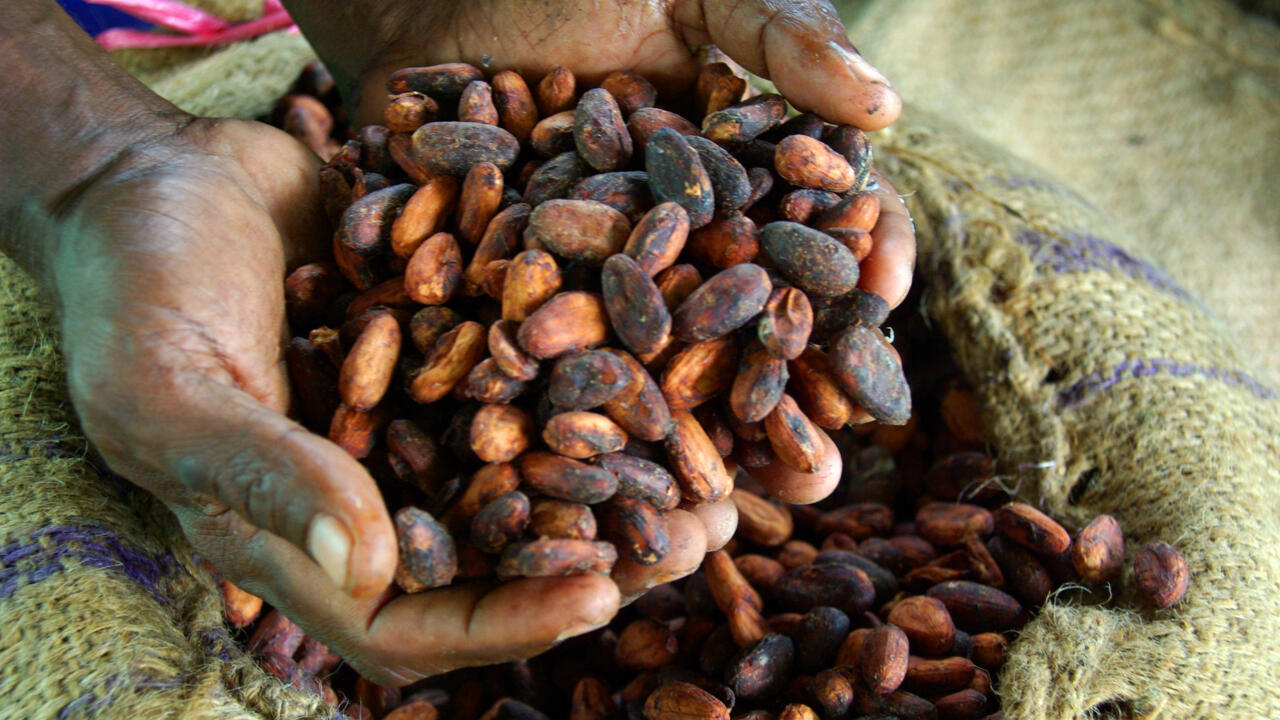
Grenadian Trinitario fine flavour cacao, grown on the volcanic hillsides of St. Patrick and St. Mark parishes and processed by estate producers including the Grenada Chocolate Company, has earned consistent international chocolate awards and ICCO fine flavour designation, making Grenada one of the world's most acclaimed small-island single-origin cacao territories.
Grenada's fine flavour cacao tradition is rooted in the island's Trinitario genetic heritage, volcanic soil mineral richness, and a growing microclimate of high humidity and consistent rainfall that produces cacao beans of exceptional fermentation potential. The Grenada Chocolate Company, operating on a cooperative organic model, was among the world's first bean-to-bar chocolate producers, making single-origin chocolate from Grenadian cacao at source, a model of integrated production that has since been adopted globally. Grenada's Trinitario cacao develops pronounced fruity, floral, and nutty aromatic notes in cupping evaluation.
International chocolate competitions including the Academy of Chocolate and the International Chocolate Awards have recognised Grenadian single-origin chocolate consistently across multiple years, establishing Grenada's cacao provenance in premium chocolate's most discerning evaluation frameworks. The volcanic soil mineral richness of Grenada's cacao growing zones contributes to the specific flavour precursor chemistry that expresses during fermentation, producing beans of consistent quality that estate producers document and certify to international chocolate buyer standards.
For procurement contacts in the premium chocolate manufacturing, artisan confectionery, and specialty cocoa sectors seeking single-origin Caribbean cacao with award-documented flavour quality, ICCO fine flavour genetic heritage, and bean-to-bar estate production provenance from one of the world's most acclaimed small-island cacao territories, Grenada's Cacaocultures value chain offers cacao of award heritage and volcanic island distinction.
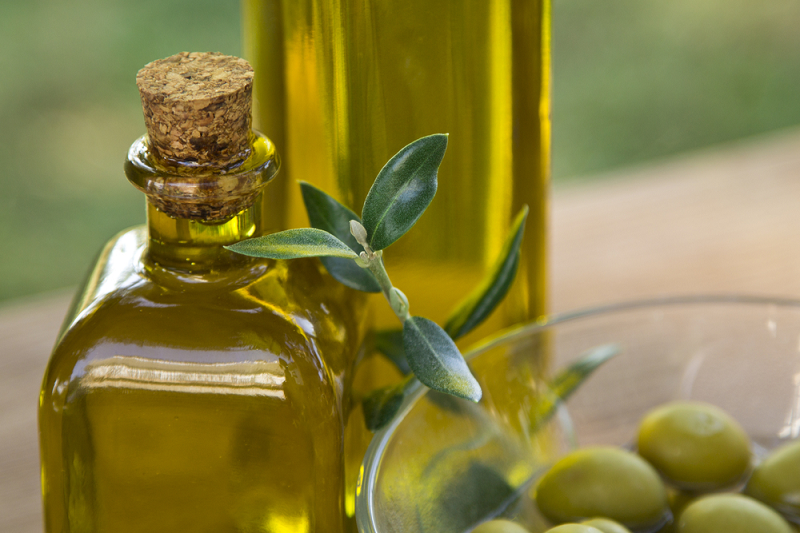
Grenada is the world's second largest producer of nutmeg, Myristica fragrans, supplying a significant share of global nutmeg essential oil, whose documented myristicin, eugenol, and sabinene composition gives it pharmaceutical, flavour, and fragrance applications of considerable commercial and scientific significance.
Nutmeg essential oil, obtained by steam distillation of the nutmeg seed cultivated across Grenada's volcanic hillsides, carries a characteristic terpenoid composition high in sabinene, alpha-pinene, and myristicin, the latter a phenylpropanoid studied for its potential analgesic and anti-inflammatory properties in pharmaceutical research. Grenada's nutmeg production, representing approximately 20% of world supply, makes the island an irreplaceable source of this oil for the global flavour, fragrance, and pharmaceutical industries.
Grenadian nutmeg oil's specific chemical profile, shaped by the island's volcanic soil mineral composition and the high-altitude growing conditions of the St. Patrick and St. Andrew hillside estates, carries aromatic characteristics that distinguish it in gas chromatography analysis from Indonesian nutmeg oil. The combination of warm spice and clean, bright terpene character that defines Grenadian nutmeg oil gives it distinct positioning in premium flavour and fragrance markets where provenance-specific botanical chemistry commands premium pricing.
For procurement contacts in the food flavouring, fragrance, pharmaceutical, and essential oil sectors seeking nutmeg oil with documented Grenadian volcanic terroir, the terpene and myristicin composition of the island's traditionally cultivated Myristica fragrans, and supply chain documentation from the world's second largest nutmeg producing territory, Grenada's Oleicultures value chain offers spice oil provenance of scientific complexity and Caribbean island origin.
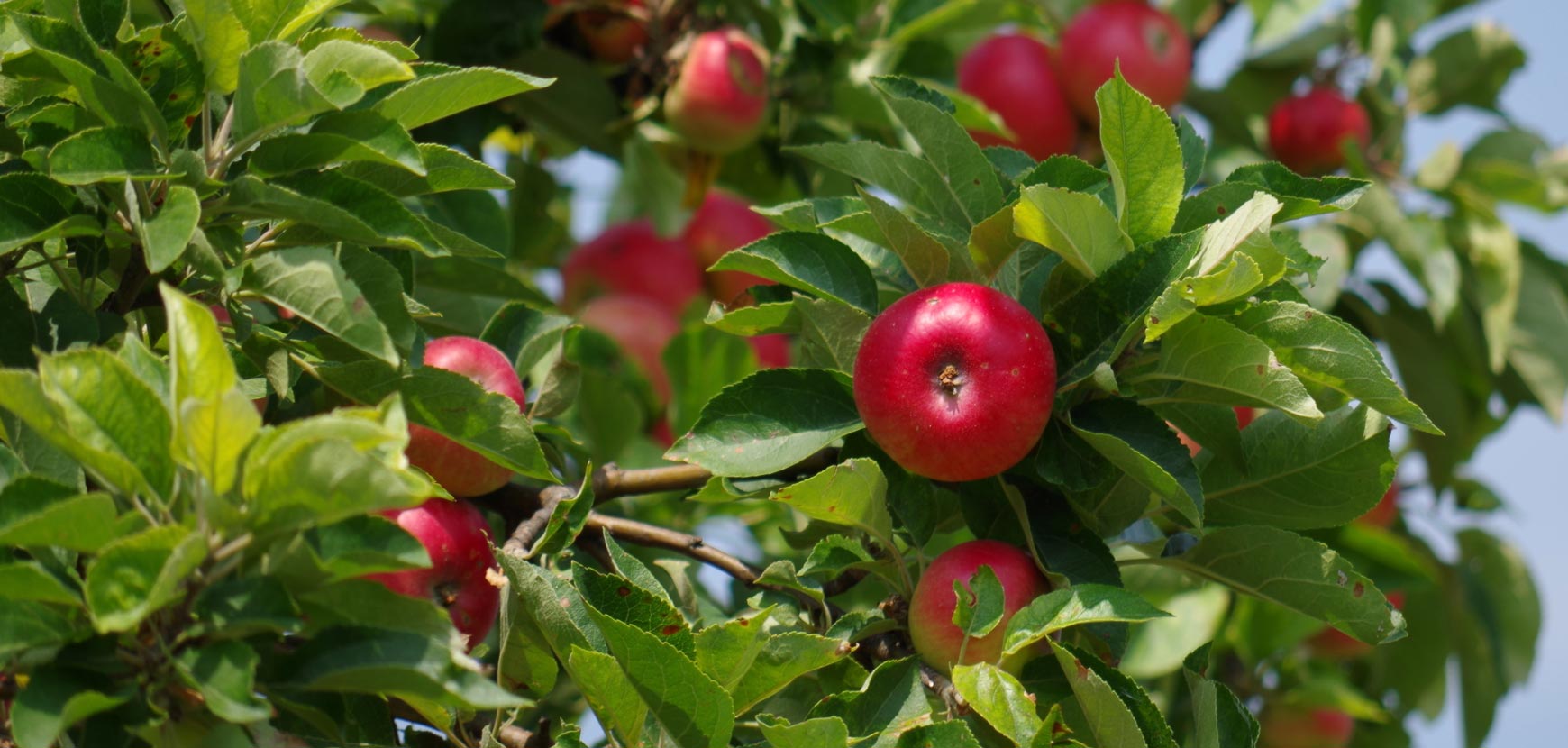
The nutmeg fruit of Grenada, yielding both the spice nutmeg and the rare crimson aril known as mace, represents one of the world's most botanically unique dual-spice commodity systems, with Grenada as the only Caribbean territory producing both at commercial export scale and the island flag bearing the nutmeg pod as its sovereign botanical emblem.
The nutmeg fruit, technically a drupe, splits open on maturity to reveal the crimson mace aril surrounding the dark brown nutmeg seed. Grenada is the only territory in the Caribbean producing both nutmeg and mace at commercial export scale, a botanical productivity that reflects the specific adaptation of Myristica fragrans to the island's volcanic growing conditions over two centuries of cultivation. The mace aril carries a similar but more delicate and complex aromatic profile than nutmeg, commanding premium pricing in gourmet spice markets for its rarity relative to the nutmeg seed it encloses.
Grenadian mace is recognised by specialist spice traders and chefs as qualitatively distinct from Indonesian mace, with the island's volcanic soil and high-rainfall growing conditions producing a blade mace of deeper crimson colour and more complex aromatic profile. The Grenada Co-operative Nutmeg Association administers quality grading and export documentation for both nutmeg and mace, providing procurement contacts with an institutional quality framework for these dual spice commodities under one island sovereign authority.
For procurement contacts in the premium spice, gourmet food, artisan flavouring, and essential oil sectors seeking nutmeg and mace with documented Grenadian volcanic island provenance, institutional quality grading from the GCNA, and the botanical rarity of a dual-spice system produced at commercial scale only in Grenada within the Caribbean basin, Grenada's Pomicultures value chain offers spice commodity provenance of botanical, scientific, and culinary distinction.

IFEROUS+ - Aligning with Grenada's multi-dimensional sovereign resource identity across volcanic tropical hardwood, award-winning Trinitario fine flavour cacao, nutmeg essential oil, and the world's only dual nutmeg and mace Caribbean export system, we are building integrated value chain partnerships that span the island's most scientifically distinctive assets, connecting global procurement contacts with the provenance documentation and long-term supply relationships that irreplaceable Grenadian resources command.
Call our London Office on 020 3355 1985 or email plus@iferous.com to connect with our strategists and discuss opportunities.