
-
Resources
- Precious Metals
- Battery Metals
- Industrial Metals
- Nuclear Energy
-
.cultures
- Timbers / Silvicultures
- Cottons / Gossypicultures
- Rubbers / Heveacultures
- Grains / Granicultures
- Oils / Oleicultures
- Sugars / Saccharicultures
- Coffees / Coffeicultures
- Cacaos / Cacaocultures
- Teas / Theicultures
- Flowers / Floricultures
- Fruits / Pomicultures
- Vegetables / Olericultures
- Citruses / Citricultures
-
Regions
- .IFEROUS+
- About
Dominican Republic
'Where Caribbean Sunshine Meets Gold of Continental Significance'
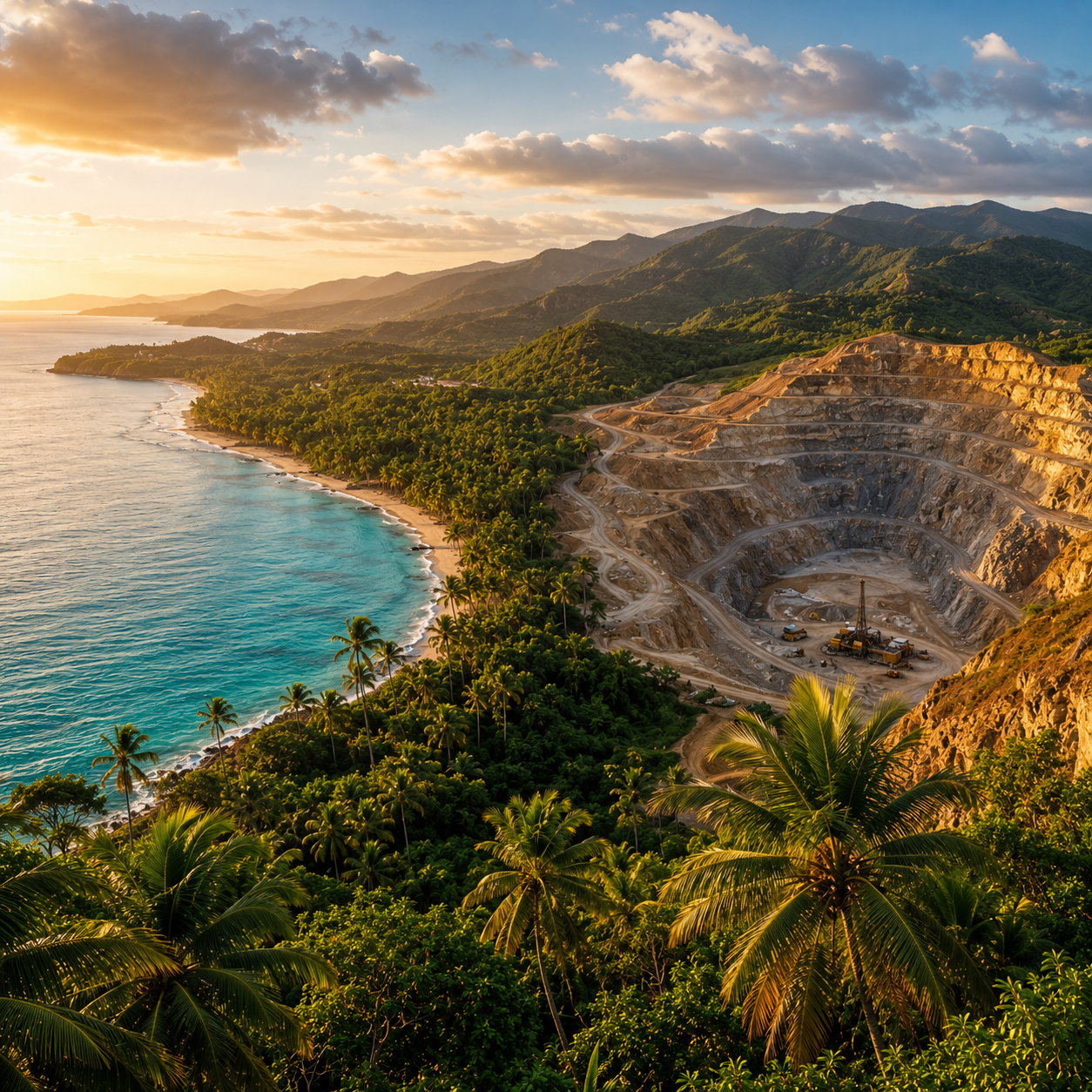
'The Dominican Republic is the Caribbean's largest economy and most geographically diverse nation, an island republic of mountain ranges, fertile valleys, and extensive coastlines that together support one of the most varied agricultural and natural resource portfolios in the region. From the Cibao Valley, the breadbasket of the Caribbean, to the mineral-rich cordilleras of the interior, every landscape contributes to Hispaniola's sovereign resource identity.
Dominican agricultural exports carry genuine geographic distinction. Cacao from the Cibao and Duarte provinces has earned fine-flavour designation, with organic and single-origin varieties sought by the world's premium chocolate manufacturers. Coffee from the Barahona region and tropical fruits from the fertile northern valleys represent a portfolio of agricultural exports with deepening international market recognition.
Beneath the mountainous interior of the Dominican Republic, the geological foundations of the island hold mineral wealth of considerable commercial significance. The Pueblo Viejo deposit represents one of the largest gold and silver mining operations in the world, a geological system that places this Caribbean nation among the most significant precious metal producers in the Western Hemisphere.'
Dominican Republic on Iferous.com
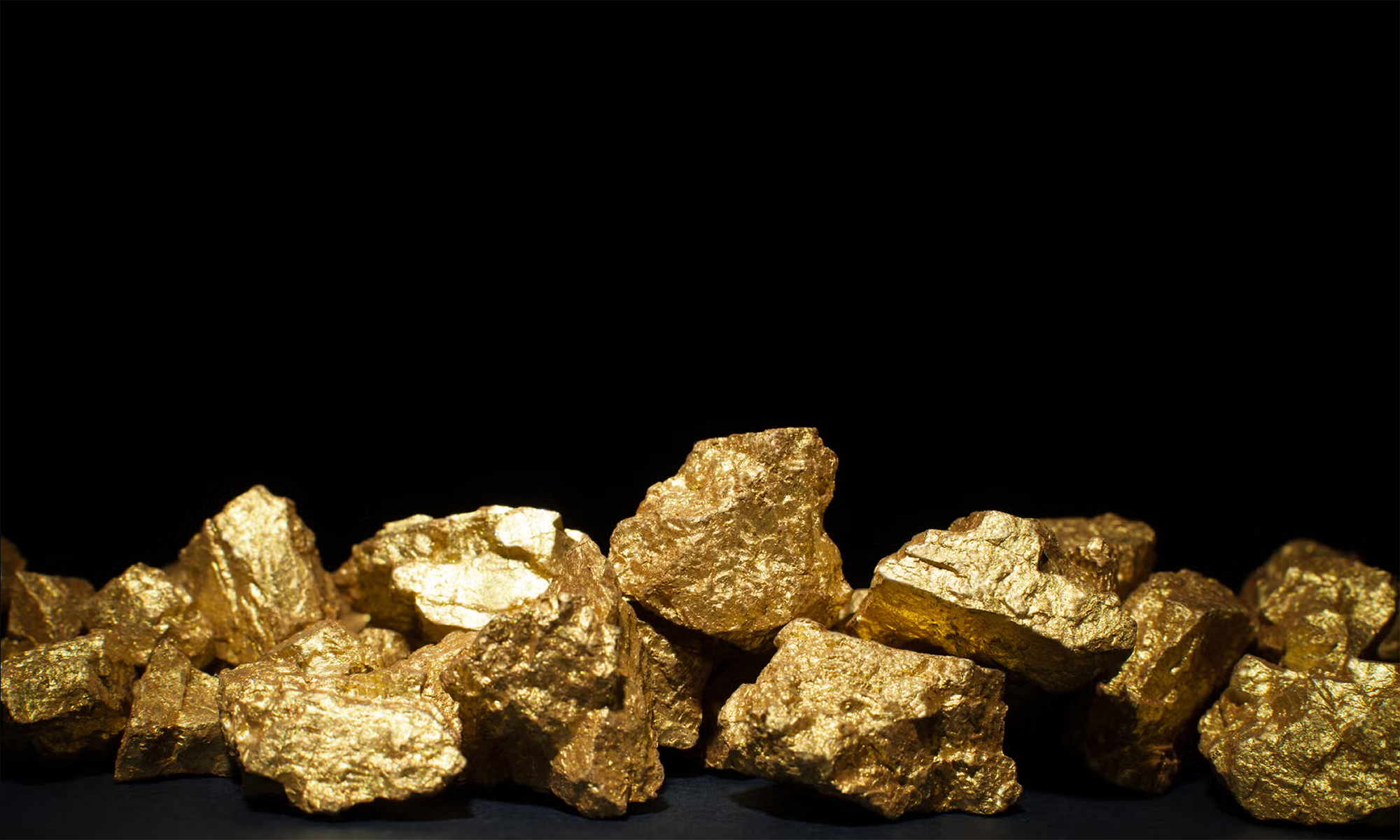
The Pueblo Viejo gold deposit in the Dominican Republic is one of the world's largest open-pit gold and silver operations, extracting ore from a volcanic-hosted system of exceptional grade and scale.
The Pueblo Viejo gold-silver deposit in Sanchez Ramirez Province is hosted within a Cretaceous volcanic arc sequence, producing one of the highest-grade and most extensive gold mineralisation systems discovered in the Caribbean basin. The deposit contains ore reserves placing it among the top tier of global gold assets by both size and contained metal value.
Operated by Barrick Gold Corporation, Pueblo Viejo employs pressure oxidation technology to process refractory gold ore, maximising gold recovery from sulphide-locked mineralisation. Dominican gold from Pueblo Viejo carries full ESG documentation, international regulatory compliance, and chain of custody certification meeting the world's most demanding precious metal market requirements.
For procurement contacts seeking gold from a large-scale, technically credentialed Caribbean source with comprehensive documentation and established LBMA-connected refining connections, the Dominican Republic's Pueblo Viejo value chain represents one of the most commercially significant gold production assets in the Western Hemisphere.
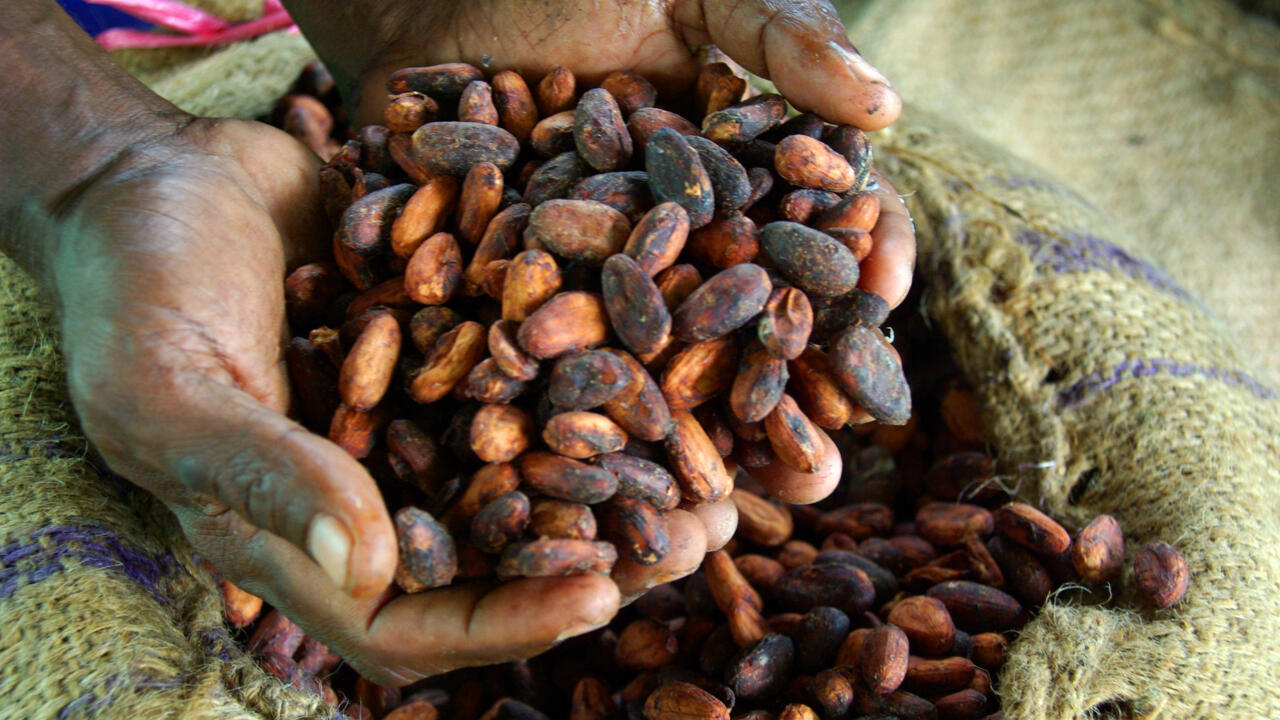
The Dominican Republic is the world's largest exporter of organic cacao and one of the most significant fine-flavour Hispaniola cacao producing nations, with the Cibao Valley and Duarte Province growing zones producing beans of exceptional aromatic complexity from a genetic heritage that includes rare Criollo and Trinitario varieties of documented fine-flavour designation.
The Dominican Republic produces approximately 70% of the world's certified organic cacao, a market position built on the transition of Dominican smallholder farming to organic certification across the Cibao Valley. The cacao genetics of the Dominican Republic include Hispaniola Criollo varieties of considerable antiquity, whose complex aromatic precursor profiles produce fine chocolate of documented floral, fruity, and nutty character assessed by the International Cocoa Organization's fine flavour evaluation programme.
Dominican organic cacao is certified under internationally recognised frameworks including USDA Organic, EU Organic, and Fairtrade, with cooperative organisations such as CONACADO and COOPROCAFE providing smallholder farmers with collective quality assurance systems that deliver documented bean quality to international chocolate manufacturers. The combination of organic certification, fine flavour genetic heritage, and cooperative traceability infrastructure makes Dominican cacao one of the most comprehensively documented sustainable cacao supply chains in the global premium chocolate industry.
For procurement contacts in the premium chocolate manufacturing, organic food, and sustainable ingredient sectors seeking cacao with the world's most extensive organic certification infrastructure, documented Hispaniola fine-flavour genetic heritage, and a cooperative supply chain of exceptional traceability, Dominican Republic's Cacaocultures value chain offers cacao provenance of organic integrity, flavour distinction, and supply chain documentation that defines the benchmark for sustainable Caribbean cacao sourcing.
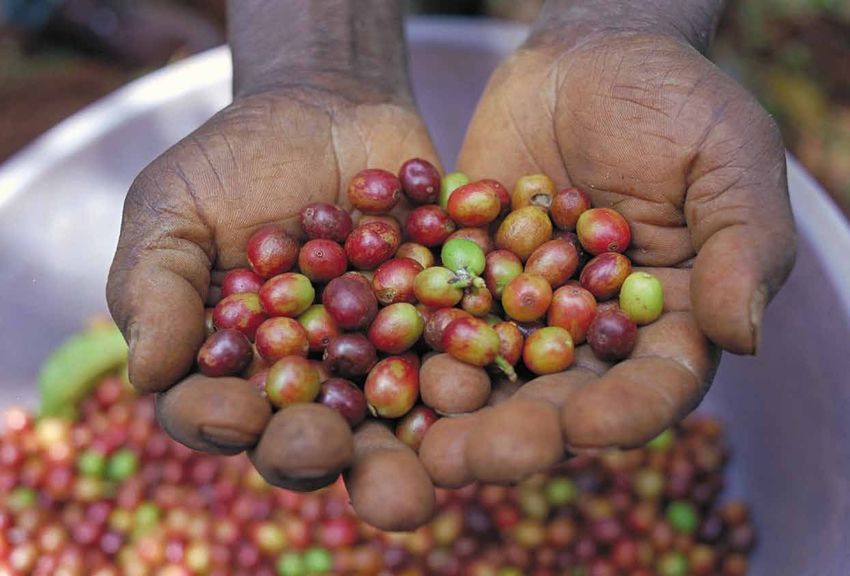
Barahona arabica coffee, grown on the fertile slopes of the southwestern Cordillera of the Dominican Republic at elevations of 600 to 1,500 metres, is the island's most internationally recognised single-origin highland coffee, its distinctive winey acidity and full-bodied cup profile the product of volcanic mountain soils and a growing microclimate of documented terroir quality.
The Barahona coffee region occupies mountain slopes where the Bahoruco and Neyba ranges create altitude gradients from 600 to 1,500 metres above sea level, producing growing conditions where cool nights and warm days concentrate sugar and aromatic precursors in the coffee cherry. The arabica varieties of Barahona, primarily Typica and Caturra cultivars adapted over generations to the specific microclimate of the southwestern cordillera, develop a cup profile of medium-high acidity with a distinctive winey, fruity character that SCA-certified cuppers consistently describe as among the Caribbean's most complex single-origin arabica expressions.
Dominican coffee production operates through a combination of smallholder farming associations and estate operations in the Barahona, Bani, and Ocoa regions, with the Coffee Institute of the Dominican Republic administering quality certification and export standards. The growing international interest in Caribbean single-origin specialty coffee has elevated Barahona arabica into the specialty coffee market's awareness as a distinctive terroir-driven origin capable of competing with established Central American specialty coffees on cup quality.
For procurement contacts in the specialty coffee, premium hospitality, and green coffee trading sectors seeking Caribbean arabica with documented altitude-specific terroir character, a cup profile of winey acidity and complexity distinctive to southwestern Dominican mountain conditions, and a production infrastructure of smallholder cooperative quality documentation, Barahona's Coffeicultures value chain offers coffee provenance of terroir distinction and Caribbean origin authenticity.
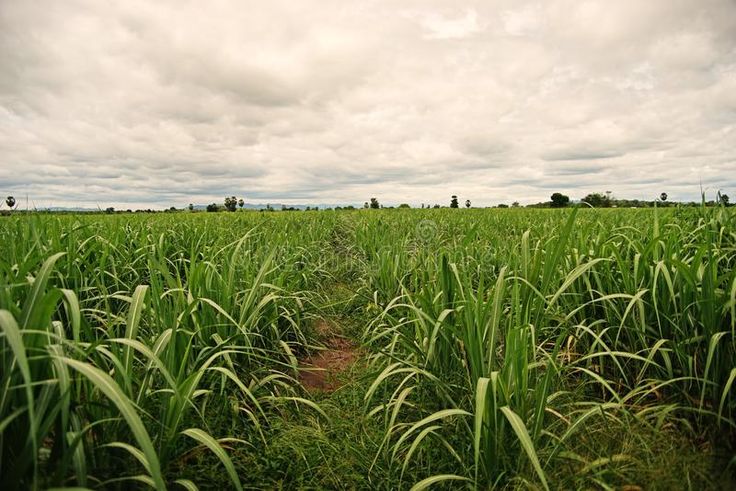
The Dominican Republic's rum heritage, centred on the Brugal and Barcelo estates whose production spans more than a century of continuous distilling, represents a rum tradition of documented geographic character distinct within the Caribbean category, its lighter-bodied column-distilled profile defined by Dominican sugarcane cultivars and the specific terroir of the northern Cibao sugarcane belt.
Dominican rum is defined by its characteristic lighter body, lower ester profile, and smoother palate compared to Jamaican and Barbadian styles, reflecting the column distillation tradition of Dominican producers and the specific sugar content and fermentation character of Dominican sugarcane cultivars. The Brugal family distillery, founded in 1888 in Puerto Plata, and Barcelo, founded in 1929 in Santo Domingo, represent the institutional heritage of Dominican rum production, with combined export volumes placing Dominican rum among the Caribbean's most significant rum export nations by volume.
The sugarcane cultivation of the Dominican Republic's northern coastal plain and the Cibao valley benefits from the fertile alluvial soils deposited by the Yaque del Norte river system and the moderating influence of the Atlantic trade winds, producing cane of consistent sucrose content. Dominican rum's commitment to the lighter, column-distilled style, aged in American white oak barrels under the humid Caribbean climate, produces spirits of consistent approachability that have made Dominican rum the dominant rum category in several major European import markets.
For procurement contacts in the premium spirits, rum blending, and hospitality sectors seeking rum with documented Dominican geographic identity, century-deep estate production heritage, and the lighter-bodied column-distilled character that defines Dominican rum's distinct position within the Caribbean spirits category, Dominican Republic's Saccharicultures value chain offers rum provenance of institutional depth and stylistic distinction.

IFEROUS+ - Aligning with the Dominican Republic's multi-dimensional sovereign resource identity across Pueblo Viejo gold, world-leading organic cacao, Barahona highland arabica, and Dominican column-distilled rum, we are building integrated value chain partnerships that span the nation's most scientifically distinctive assets, connecting global procurement contacts with the provenance documentation and long-term supply relationships that irreplaceable Dominican resources command.
Call our London Office on 020 3355 1985 or email plus@iferous.com to connect with our strategists and discuss opportunities.