
-
Resources
- Precious Metals
- Battery Metals
- Industrial Metals
- Nuclear Energy
-
.cultures
- Timbers / Silvicultures
- Cottons / Gossypicultures
- Rubbers / Heveacultures
- Grains / Granicultures
- Oils / Oleicultures
- Sugars / Saccharicultures
- Coffees / Coffeicultures
- Cacaos / Cacaocultures
- Teas / Theicultures
- Flowers / Floricultures
- Fruits / Pomicultures
- Vegetables / Olericultures
- Citruses / Citricultures
-
Regions
- .IFEROUS+
- About
Portugal
'Where Atlantic Heritage and Strategic Minerals Define a Sovereign Trading Nation'
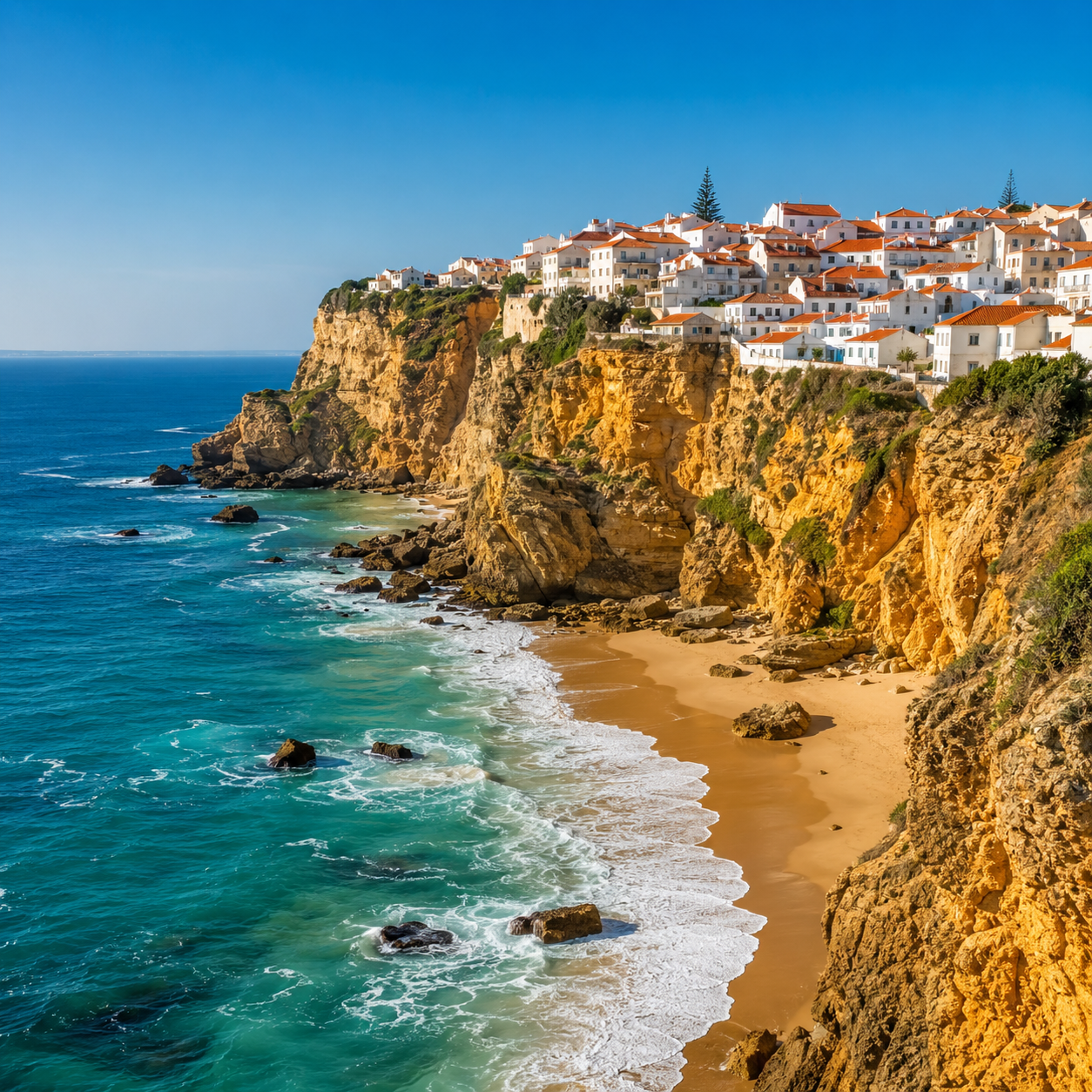
'Portugal's position on the western edge of Europe has shaped a trading identity of extraordinary global reach. From the port wine estates of the Douro Valley to the cork oak forests of Alentejo, supplying over fifty percent of the world's cork, Portuguese exports carry a geographical and biological distinctiveness that resists all substitution.
The agricultural heritage of Portugal encompasses olive oil from centuries-old estates, the Bacalhau salt cod trade that connected Iberia to the North Atlantic fishing grounds, and a wine tradition spanning Vinho Verde, Alentejo reds, and the celebrated fortified wines of the Douro, each carrying protected geographic identity and scientific distinction.
Beneath the rugged terrain of the Beira Baixa region in central Portugal, the geological foundations of the Hercynian massif conceal one of the world's most important tungsten mining systems. The Panasqueira mine, in continuous operation for over a century, stands as a benchmark for European critical mineral production and a symbol of Portugal's strategic resource identity.'
Portugal on Iferous.com
Portugal's Panasqueira mine is one of the world's pre-eminent tungsten producers, extracting ore from a hydrothermal vein system of exceptional scientific distinction and strategic global importance.
The Panasqueira tungsten deposit is hosted within a Late Variscan granite intrusion system in the Beira Baixa region, where mineralisation occurs as a dense network of subhorizontal quartz-wolframite veins. The wolframite at Panasqueira is characterised by a ferberite-dominant composition with high tungsten trioxide content, placing it among the world's highest-grade tungsten ore systems.
Panasqueira has been in continuous production since 1896, making it one of Europe's longest-operating metal mines and a globally recognised reference point for tungsten geology. Tungsten from Panasqueira is processed into ammonium paratungstate and tungsten powder for aerospace, defence, electronics, and cutting tool industries, markets where the metal's extreme hardness, high melting point, and density are irreplaceable.
For procurement contacts requiring tungsten from a politically stable, EU-regulated, historically documented source, Panasqueira represents the benchmark. A century of continuous extraction, rigorous geological documentation, and integration into European critical mineral supply chains make Portuguese tungsten one of the most credentialed strategic materials available to global industry.

Portugal is the world's cork capital, supplying over 50 percent of global cork production from Quercus suber cork oak forests managed under a harvesting system that sustains the same trees across multiple human generations without felling, making Portuguese cork the world's most sustainable and ecologically complex commercial forest product.
The cork oak forests of Portugal, concentrated in the Alentejo region and covering approximately 730,000 hectares, constitute the largest cork oak woodland in the world. Quercus suber produces a bark layer of extraordinary cellular structure, with over 40 million cells per cubic centimetre creating a compressible, impermeable, and chemically inert material unique in the plant kingdom. Portuguese cork oak is harvested by stripping the outer bark by hand every nine years without damaging the tree, with individual trees living and producing for over 200 years in a silvicultural relationship of exceptional ecological intelligence.
The suberin-dominated cellular composition of cork gives it properties unmatched by any synthetic or natural alternative: impermeability to liquids and gases, thermal and acoustic insulation, compressibility without lateral expansion, and resistance to fire, moisture, and chemical degradation. The Portuguese cork industry processes cork into wine stoppers, flooring, insulation, aerospace components, and precision technical materials, with each product stream requiring specific cellular density and bark quality characteristics that Portuguese producers document and certify to international standards.
For procurement contacts in the wine, aerospace, construction, and technical materials sectors seeking cork with the world's most extensive documented silvicultural heritage, the highest ecological integrity standards, and supply chain traceability from Portuguese montado forest to certified product, Portuguese cork silviculture's Timbers value chain offers a uniquely sustainable, scientifically characterised natural material that no other forest system on earth can provide at equivalent scale and quality.
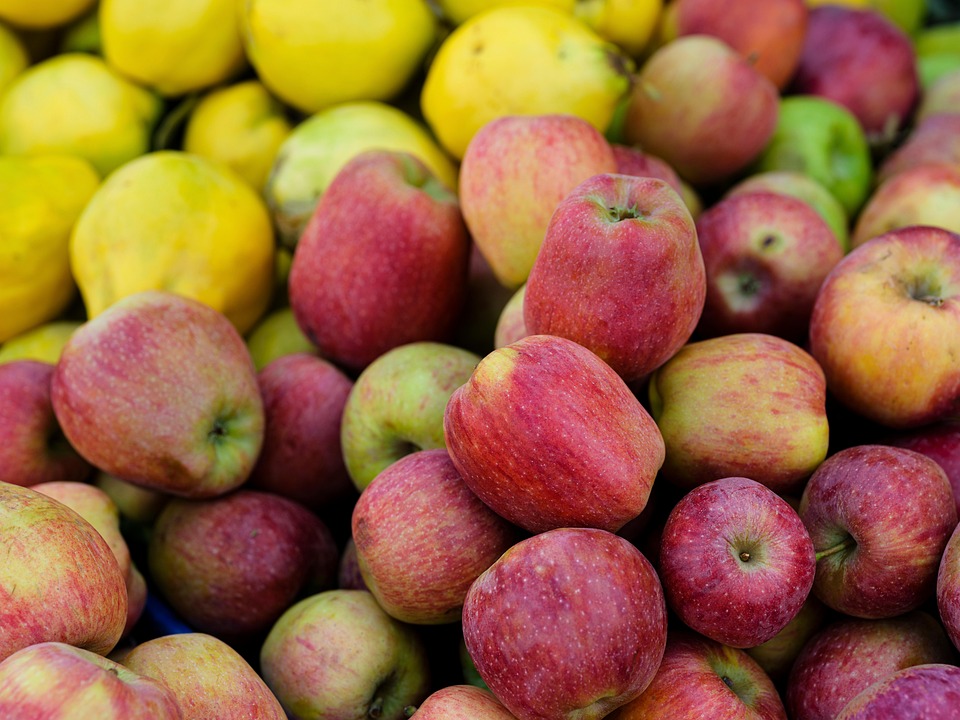
The Ananas dos Acores, grown exclusively in volcanic greenhouses on the island of Sao Miguel in the Azores, is the only pineapple cultivated in Europe and holds EU Protected Geographical Indication status, its extraordinary sweetness and aromatic intensity a product of volcanic soil, Atlantic light, and a two-year maturation unique in the world.
The Azores pineapple, Ananas comosus cultivated under glass in the volcanic landscape of Sao Miguel island, is the botanical and commercial anomaly of European agriculture. Brought to the Azores in the nineteenth century and adapted to traditional brick-and-glass estufa greenhouses heated by the island's volcanic geothermal environment, Azorean pineapple grows at the most northerly latitude of any pineapple cultivation in the world, taking up to two years to mature compared to twelve months for tropical production. This extended growing period, combined with the volcanic basalt soil of Sao Miguel and the quality of Atlantic light through the estufa glass, produces a fruit of exceptional aromatic concentration.
The sugar content, aromatic volatile profile, and textural character of Azorean pineapple reflect the accumulation of flavour compounds during its extended two-year maturation. The fruit's protected geographical indication formally recognises Sao Miguel as the sole legitimate growing zone, with production limited to approximately 90,000 kilograms annually from approximately 15 hectares of traditional estufa greenhouses, making Azorean pineapple among the world's most genuinely rare geographically protected fruits.
For procurement contacts in the luxury food, fine dining, and specialty grocery sectors seeking a fruit with the most geographically singular origin in European cultivation, EU PGI documentation, and the scientific distinction of two-year volcanic greenhouse maturation, Azores pineapple's Pomicultures value chain offers fruit provenance of extraordinary rarity and geographic uniqueness unavailable from any other European growing territory.
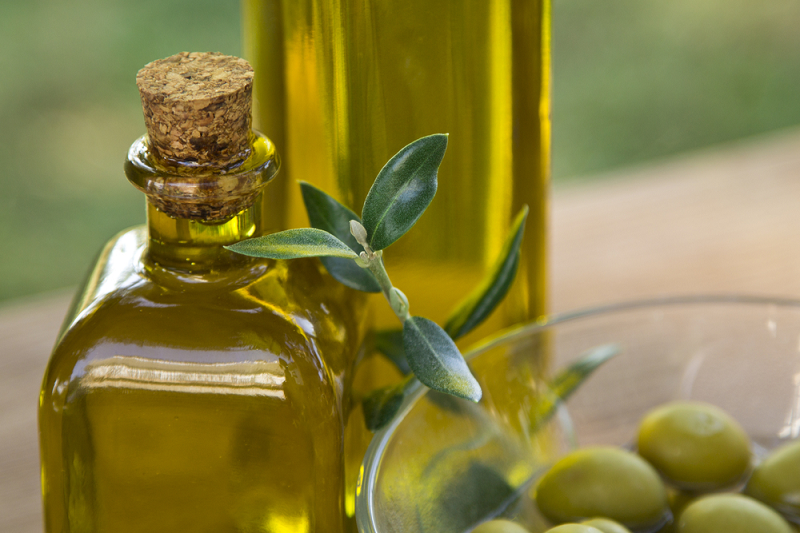
Tras-os-Montes DOP olive oil, produced from the ancient Verdeal Transmontana and Cobransosa cultivars in the northeastern highlands of Portugal, carries one of Europe's most geographically distinct olive oil identities, its specific flavour character shaped by continental highland climate and schist soils unique to this isolated mountain region.
Tras-os-Montes, literally behind the mountains in Portuguese, is a remote plateau of northeastern Portugal where continental climate conditions, schist and granite soils, and ancient olive cultivars that predate modern olive oil production by centuries combine to produce oil of a character distinct from any other Portuguese or Spanish production. The Verdeal Transmontana variety, indigenous to this specific region and not grown at commercial scale elsewhere in the world, produces oil of medium-high intensity with a distinctive green almond and fresh-cut grass character attributed to its specific fatty acid and polyphenol composition.
The Tras-os-Montes DOP framework covers the growing zones of Mirandela, Macedo de Cavaleiros, and the Douro Superior highlands, where traditional century-old olive groves growing in terraced schist soils produce fruit harvested by hand under protocols that preserve the chemical integrity of the oil from fruit to bottle. The schist soil mineral composition of this region, high in potassium and lower in calcium compared to limestone soils, contributes to the specific mineral character that distinguishes Tras-os-Montes oil in sensory analysis.
For procurement contacts in the premium food, culinary, and specialty olive oil sectors seeking Portuguese extra virgin olive oil with EU DOP protection, an indigenous regional cultivar found nowhere else in the world, and a continental highland terroir character scientifically differentiated from Mediterranean-zone production, Tras-os-Montes oleiculture's Oils value chain offers oil provenance of geographic and botanical distinction among the most documented in the Iberian Peninsula.

IFEROUS+ - Aligning with Portugal's multi-dimensional sovereign resource identity across Panasqueira tungsten, Alentejo cork oak, Azores volcanic pineapple, and Tras-os-Montes DOP olive oil, we are building integrated value chain partnerships that span the nation's most scientifically distinctive assets, connecting global procurement contacts with the provenance documentation and long-term supply relationships that irreplaceable Portuguese resources command.
Call our London Office on 020 3355 1985 or email plus@iferous.com to connect with our strategists and discuss opportunities.