
-
Resources
- Precious Metals
- Battery Metals
- Industrial Metals
- Nuclear Energy
-
.cultures
- Timbers / Silvicultures
- Cottons / Gossypicultures
- Rubbers / Heveacultures
- Grains / Granicultures
- Oils / Oleicultures
- Sugars / Saccharicultures
- Coffees / Coffeicultures
- Cacaos / Cacaocultures
- Teas / Theicultures
- Flowers / Floricultures
- Fruits / Pomicultures
- Vegetables / Olericultures
- Citruses / Citricultures
-
Regions
- .IFEROUS+
- About
Germany
'The Nation That Forged the Industrial World, Built on Iron'
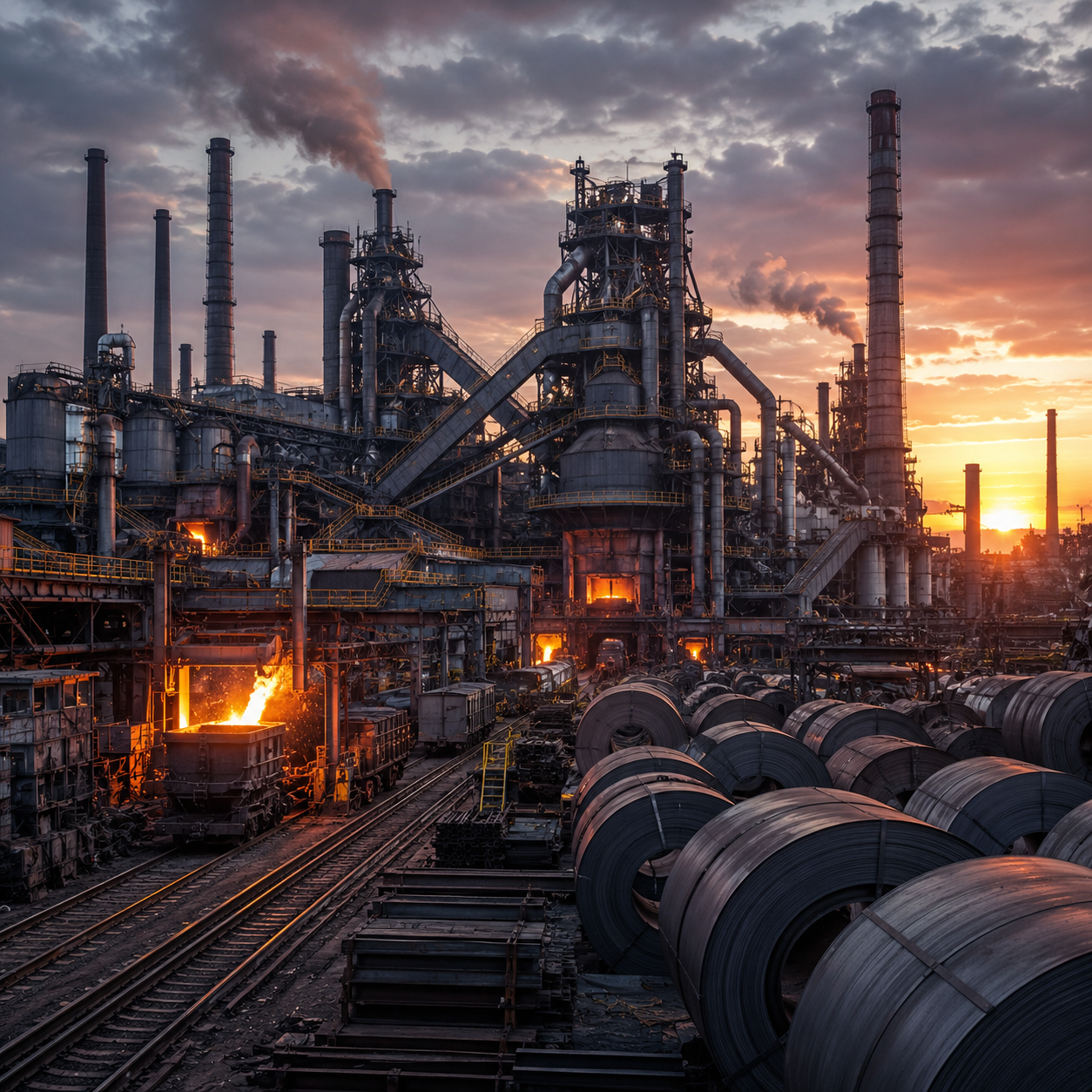
'Germany is one of the world's great industrial trading nations, an economy built on engineering precision, chemical innovation, and manufacturing excellence that has shaped global industry for over a century and a half. German exports, from automotive engineering to pharmaceutical chemicals and precision machinery, carry a reputation for quality that commands premium pricing in every global market.
The agricultural landscapes of Bavaria, Baden-Wurttemberg, and the Rhine Valley produce wines, hops for the world's most celebrated brewing tradition, and dairy products of documented geographic distinction. Riesling from the Mosel and Rhine regions, Bavarian wheat beer, and Black Forest ham represent a food and beverage export portfolio of genuine scientific and geographic identity.
The Ruhr Valley, the Saarland, and the historic Erzgebirge mountains of Saxony represent Germany's mineral foundations, geological systems that supplied the iron, coal, and metals that powered two centuries of European industrialisation. Germany's ironworking heritage, rooted in the rich ore deposits of its interior highlands, transformed not only its own economy but the manufacturing capacity of the entire continent.'
Germany on Iferous.com
Germany's iron heritage, rooted in the geological formations of the Erzgebirge, Siegerland, and Ruhr basin, underpins the most sophisticated engineering manufacturing tradition in the world.
The iron ore deposits of the Siegerland region in North Rhine-Westphalia represent some of Germany's most historically significant ferriferous formations. The spathic iron ore, siderite-dominant and characterised by high manganese content, was exploited from at least the medieval period and supplied the ironmasters of the Sauerland with raw material for blade, tool, and armament production of continental renown.
Modern German iron and steel production, centred on the Ruhr and Saarland, draws on an industrial heritage of unmatched depth. ThyssenKrupp, Salzgitter, and the broader German steel sector produce engineering-grade ferrous materials to specifications that remain the benchmark for European manufacturing. German DIN standards for iron and steel quality are referenced by industries from aerospace to automotive across the world.
For procurement contacts requiring iron and steel with the most rigorous engineering heritage and the most sophisticated downstream manufacturing integration of any producing nation, German ferriferous industry offers a value chain where the metal's journey from ore to precision component is documented, certified, and globally credentialed.
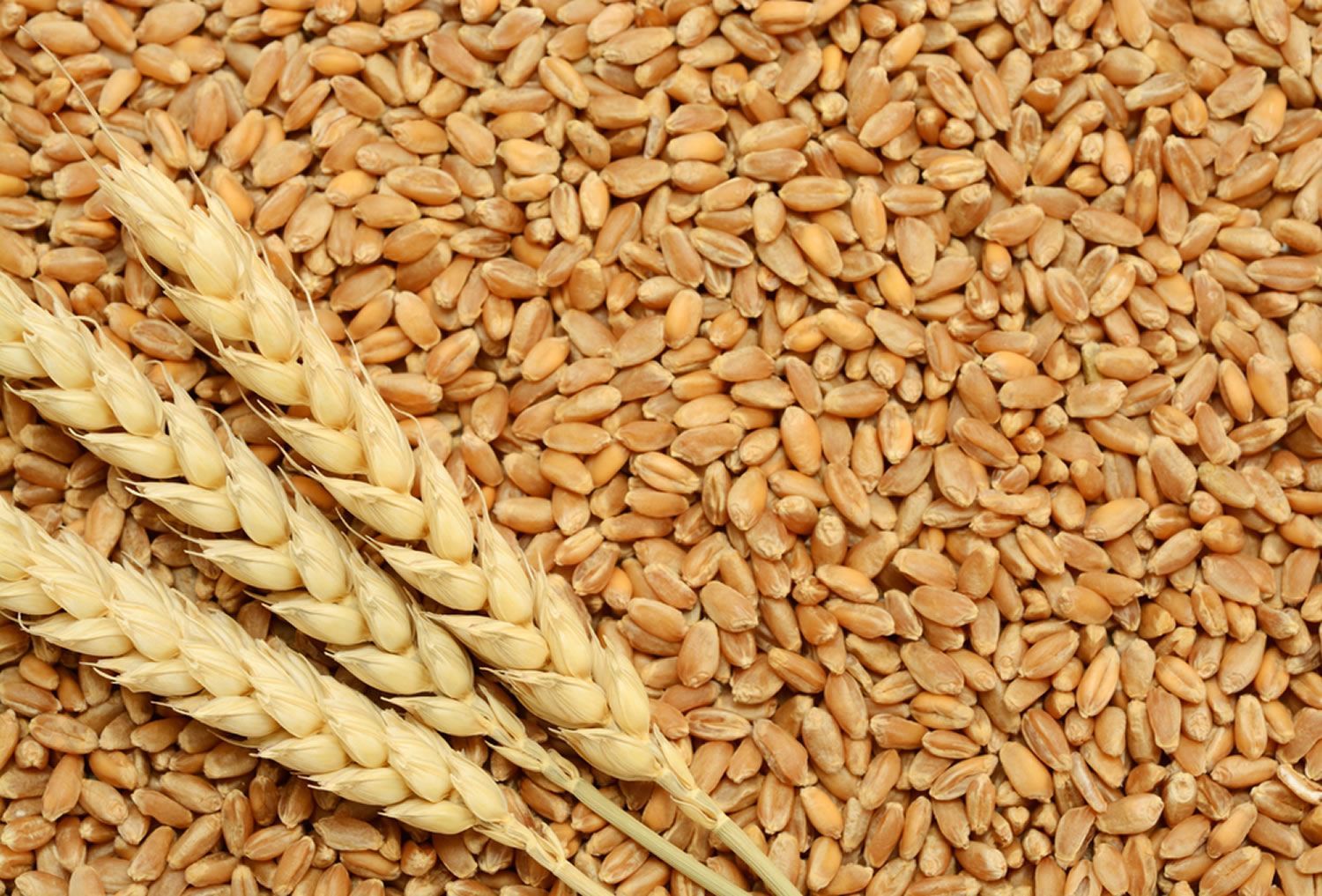
The Hallertau region of Bavaria is the world's largest continuous hop growing area, producing varieties including Hallertauer Mittelfrueh that are irreplaceable in premium lager and pilsner production, their specific alpha acid and essential oil profile the product of the Bavarian landscape and the strict Reinheitsgebot quality heritage that shaped global brewing standards.
The Hallertau, a rolling landscape north of Munich in Bavaria, covers approximately 17,000 hectares of hop cultivation and produces more hops by volume than any other single growing region in the world. The Hallertauer Mittelfrueh variety, the original landrace hop of the Hallertau, is the most historically important brewing hop in the world, providing the floral, spicy, herbal character that defines traditional Bavarian lager and German-style pilsner. Its specific alpha acid content, essential oil composition, and the co-humulone ratio that produces the smooth bitterness of Reinheitsgebot-compliant German brewing are a product of the Hallertau's specific loam-over-gravel soil and continental microclimate.
The Bavarian Reinheitsgebot, the German purity law enacted in 1516 limiting beer ingredients to water, malt, and hops, created the world's most demanding quality framework for hop selection, driving centuries of agricultural refinement in the Hallertau that produced the most comprehensively documented hop quality system in existence. German hop varieties carry VLB Berlin analytical certification covering alpha acid content, beta acid, essential oil volume, and myrcene fraction percentages that give procurement contacts specification confidence unmatched in global hop trading.
For procurement contacts in the premium brewing, craft beer, and pharmaceutical sectors seeking hops with the world's most documented geographic origin, certified analytical profiles from the oldest quality certification framework in European brewing, and the irreplaceable flavour heritage of the global brewing standard, Hallertau's Granicultures value chain offers hop provenance of historical, chemical, and commercial depth that no other hop producing region can match.

Germany is the birthplace of the concept of sustainable forestry, with Hans Carl von Carlowitz coining the term Nachhaltigkeit in 1713 in Saxony, and German managed forest systems remain the world's benchmark for certified sustainable timber production, silvicultural science, and forest ecology documentation.
Hans Carl von Carlowitz, a Saxon mining administrator, published his treatise Sylvicultura Oeconomica in 1713, introducing the principle of Nachhaltigkeit, sustainability, to forest management, defining the practice of harvesting no more timber than natural forest regeneration can replace. This principle, born from the timber crisis of the German mining industry, became the philosophical foundation of all modern sustainable resource management globally. German forestry institutions, including the forest academies of Tharandt and Eberswalde, subsequently developed and exported the systematic forestry science that transformed how the world manages forest resources.
German managed forests, covering approximately 11.4 million hectares, are among the most precisely documented forest ecosystems in the world, with century-long growth records, species composition data, and timber volume assessments maintained by state forest services to standards that underpin PEFC and FSC certification frameworks adopted globally. The Black Forest spruce and fir timber, the oak of the Rhine valley, and the beech of Germany's mixed deciduous forests are harvested under management plans that balance timber production with biodiversity, water management, and carbon sequestration objectives at a level of institutional sophistication unmatched in the world's major timber producing nations.
For procurement contacts in the construction, furniture, paper, and timber products sectors seeking certified sustainable timber with the world's most rigorous silvicultural documentation, chain of custody frameworks built on three centuries of systematic forest management science, and the institutional credibility of the nation that invented sustainability, German silviculture's Timbers value chain offers timber provenance and certification depth that defines the global standard for responsible forest management.
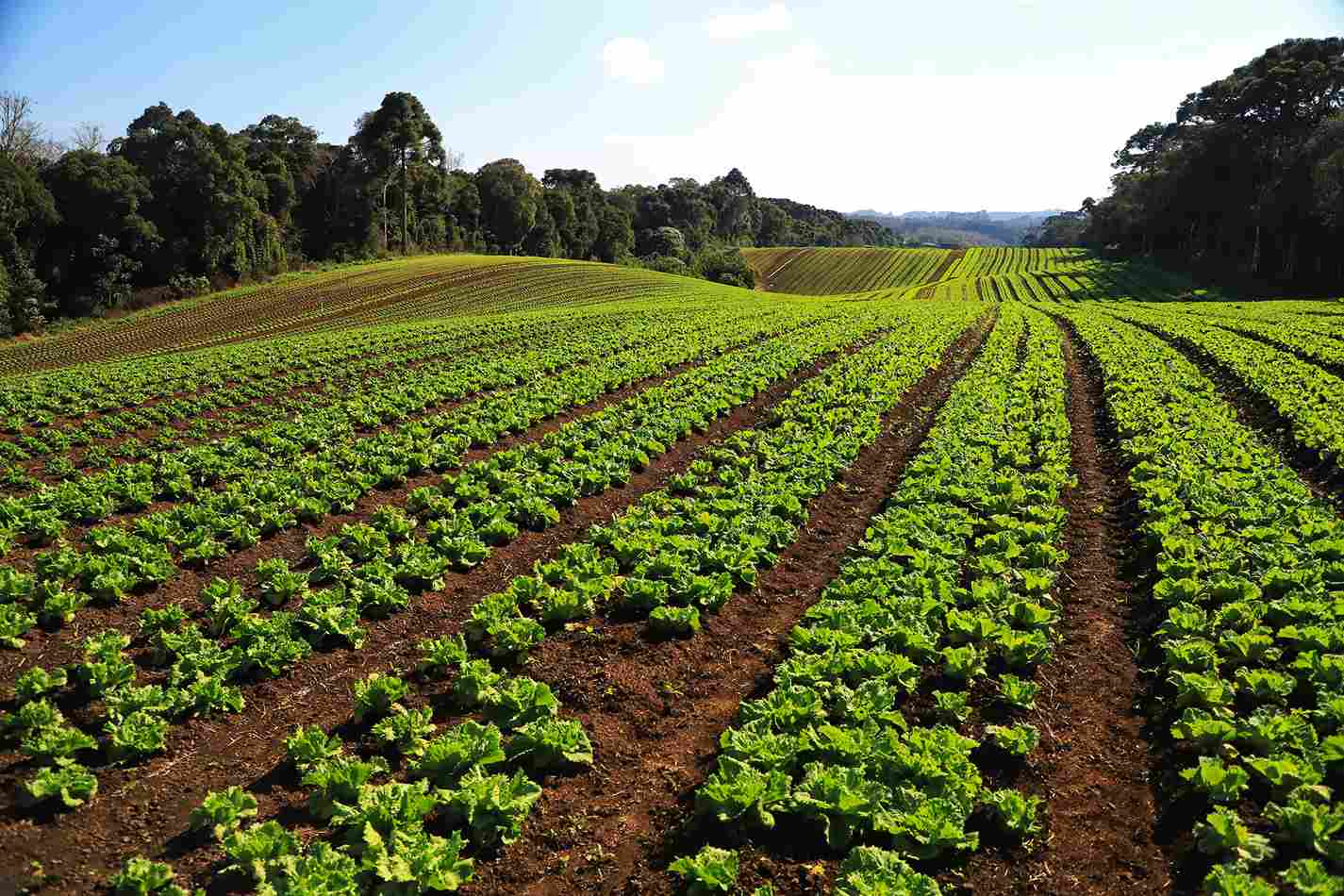
German white asparagus, Spargel, produced by a unique earthing-up cultivation technique that blanches the spear underground before harvest, carries a documented flavour chemistry distinct from all other asparagus production, its mild, sweetly bitter character the product of total light exclusion during growth in the sandy soils of the Rhine and Baden regions.
German white asparagus is produced by mounding loose sandy soil over the asparagus crowns as the spear develops, preventing any chlorophyll development through complete light exclusion and producing a blanched white spear of uniquely mild, tender character. The absence of chlorophyll synthesis produces a different flavour compound profile from green asparagus, with lower saponin content giving reduced bitterness, higher sucrose concentration, and the characteristic mild sweetness that distinguishes German Spargel from green asparagus varieties grown worldwide. The Schwetzingen and Marchfeld regions near the Rhine and Baden-Wurttemberg are the most renowned German asparagus growing zones.
The annual German asparagus season, running from late April until the traditional end date of 24th June Johannistag, generates the most concentrated seasonal food market in Europe, with German consumers purchasing approximately 130,000 tonnes of white asparagus per year during the six-week window. This cultural devotion to seasonal, geographically specific produce is itself a dimension of the German asparagus identity, creating an institutional market framework that supports high-quality domestic production and documented regional provenance at a scale unmatched for any other seasonal vegetable in European food culture.
For procurement contacts in the premium food service, specialty grocery, and European seasonal produce sectors seeking white asparagus with documented flavour chemistry distinct from green asparagus cultivation, a regional provenance framework covering Schwetzingen, Marchfeld, and Nieder-Elbe growing zones, and the institutional market credibility of Europe's most deeply embedded seasonal vegetable tradition, German Spargel's Olericultures value chain offers vegetable provenance of cultural, scientific, and culinary distinction unique in European market gardening.
IFEROUS+ - Aligning with Germany's multi-dimensional sovereign resource identity across Ruhr engineering iron, Hallertau brewing hops, the world's oldest sustainable forestry heritage, and Schwetzingen white asparagus, we are building integrated value chain partnerships that span the nation's most scientifically distinctive assets, connecting global procurement contacts with the provenance documentation and long-term supply relationships that irreplaceable German resources command.
Call our London Office on 020 3355 1985 or email plus@iferous.com to connect with our strategists and discuss opportunities.