
-
Resources
- Precious Metals
- Battery Metals
- Industrial Metals
- Nuclear Energy
-
.cultures
- Timbers / Silvicultures
- Cottons / Gossypicultures
- Rubbers / Heveacultures
- Grains / Granicultures
- Oils / Oleicultures
- Sugars / Saccharicultures
- Coffees / Coffeicultures
- Cacaos / Cacaocultures
- Teas / Theicultures
- Flowers / Floricultures
- Fruits / Pomicultures
- Vegetables / Olericultures
- Citruses / Citricultures
-
Regions
- .IFEROUS+
- About
St. Lucia
'Twin Peaks, Volcanic Soil, and Caribbean Resources of Rare Distinction'
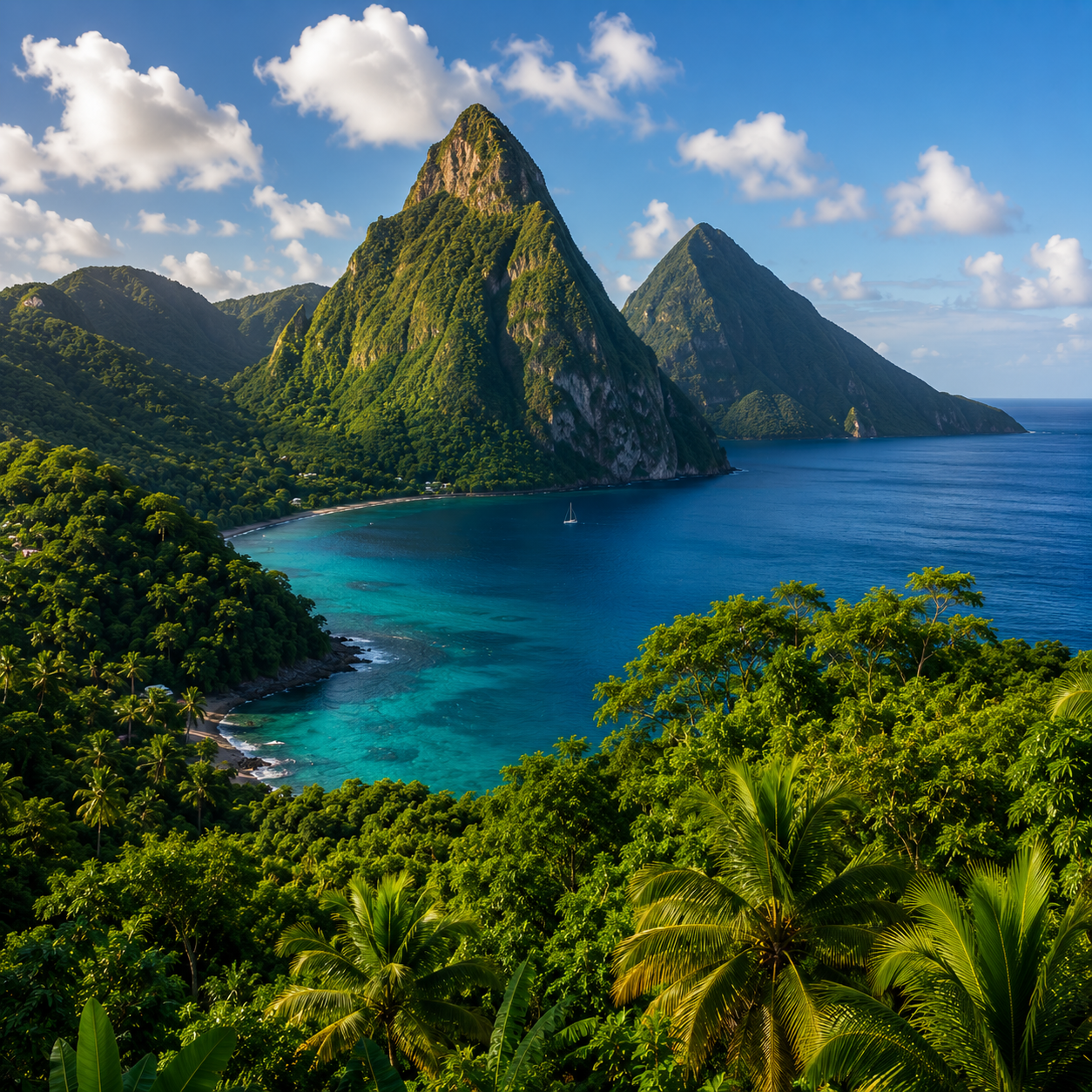
'Saint Lucia is a volcanic island of extraordinary natural drama whose twin Piton peaks, Gros Piton and Petit Piton, rise sheer from the sea as UNESCO World Heritage monuments to the tectonic forces that created this island's exceptional agricultural fertility. The combination of volcanic mineral enrichment and tropical Caribbean climate supports cocoa, tropical hardwoods, and botanical floriculture of genuine distinction.
The agricultural heritage of Saint Lucia is rooted in the volcanic valleys of the island's interior, where the Dennery and Fond St. Jacques regions support cocoa of growing international recognition, banana cultivation that built the island's twentieth-century export economy, and a rich tradition of smallholder tropical agriculture that reflects the extraordinary productivity of volcanic soils under tropical conditions.
Saint Lucia's natural landscapes carry protected status befitting their scientific significance. The Quilesse Forest Reserve in the south and the Edmund Forest Reserve in the interior contain native hardwood species and tropical biodiversity of Eastern Caribbean significance, their forest canopy sustained by rainfall patterns generated by the interaction of trade winds with the island's dramatic volcanic topography.'
Saint Lucia on Iferous.com
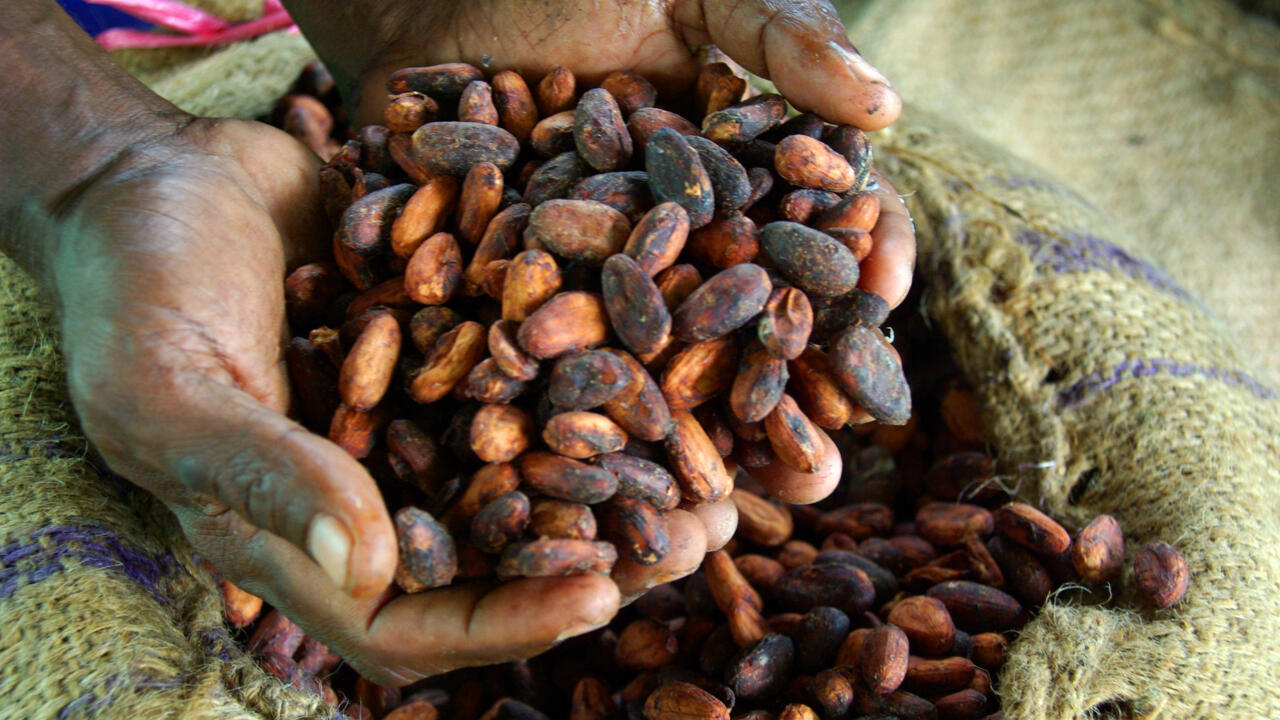
Saint Lucian cocoa, grown in the volcanic valleys of the Dennery and Fond St. Jacques regions under the influence of the Piton geothermal mineral environment, is gaining growing recognition among international specialty chocolate makers as a single-origin Caribbean cacao of distinct flavour character shaped by some of the most dramatic volcanic terroir in the Eastern Caribbean.
Saint Lucia's cocoa heritage extends from the island's colonial-era plantation cultivation through to the current resurgence of interest in Saint Lucian single-origin cacao among craft chocolate makers. The volcanic loam soils of the Dennery Valley and the southern interior, enriched by the geothermal minerality of the Piton massif, provide a growing environment of exceptional fertility that supports cacao trees of considerable age and proven flavour quality. Saint Lucian Trinitario and hybrid cacao varieties develop aromatic precursors of fruity, floral, and subtle earthen character that distinguish Saint Lucian origin chocolate in cupping evaluations.
The Saint Lucia Cocoa Growers Association and emerging estate operations in the island's interior have developed documentation and quality systems that bring Saint Lucian fine cacao to international chocolate markets with the traceability and fermentation records that premium buyers require. International craft chocolate makers working with Saint Lucian beans consistently report a cup character of genuine distinctiveness that the island's small production volumes make all the more valuable as a rare single-origin Caribbean source.
For procurement contacts in the artisan chocolate, specialty cocoa, and premium confectionery sectors seeking single-origin Caribbean cacao with volcanic Piton island terroir, a flavour character shaped by some of the Eastern Caribbean's most geologically dramatic growing conditions, and a provenance story of emerging craft chocolate recognition, Saint Lucian Cacaocultures value chain offers cacao of genuine botanical and culinary distinction.

The gommier tree, Dacryodes excelsa, native to Saint Lucia's volcanic rainforest and growing to its finest dimensions in the Quilesse Forest Reserve, is both the traditional boat-building timber of Saint Lucian maritime heritage and a scientifically documented tropical hardwood of specific resin character and structural properties shaped by the island's volcanic growing environment.
The gommier, Dacryodes exculsa, is the defining tropical hardwood of the Eastern Caribbean volcanic islands, growing in the mid and high altitude forests of Saint Lucia's interior on the volcanic soils of the Quilesse Forest Reserve. The tree's resinous gum, used historically as caulking and for torches, gives it its common name, while its straight-grained, moderately dense timber made it the preferred material for the construction of the traditional canoe pirogues of Saint Lucian and wider Caribbean fishing communities for centuries.
The Quilesse Forest Reserve in southern Saint Lucia protects significant stands of mature gommier alongside other native hardwood species, providing both conservation value and a sustainable managed timber resource. The volcanic soil conditions of the Quilesse highlands produce gommier of consistent quality, with the high mineral content of the volcanic substrate reflected in the wood's structural density and natural durability characteristics that made it the Caribbean's premier boat-building timber.
For procurement contacts in the specialty timber, heritage boat building, and Caribbean hardwood sectors seeking gommier with documented volcanic island provenance, traditional maritime use heritage establishing its specific wood properties, and sustainable forest management within a UNESCO World Heritage landscape, Saint Lucian silviculture's Timbers value chain offers hardwood provenance of cultural, scientific, and ecological distinction.
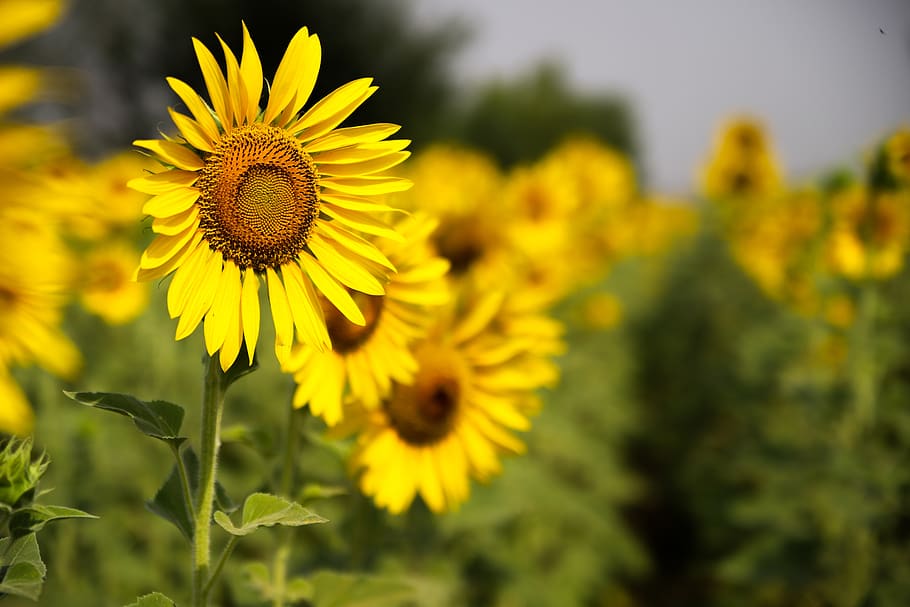
Saint Lucia's volcanic hillside floriculture, producing heliconias, anthuriums, and tropical cut flowers of exceptional colour intensity from soils enriched by the island's Piton geothermal geology, represents a Caribbean floriculture identity of botanical distinction, its blooms shaped by mineral conditions found only in the shadow of UNESCO-recognised volcanic peaks.
The tropical floriculture of Saint Lucia, centred on the production of heliconias, anthuriums, tropical gingers, and exotic cut flowers grown in the volcanic soils of the island's hillside farms, produces blooms of exceptional colour saturation and vase longevity attributed to the high mineral nutrient content of volcanic loam enriched by the geothermal system of the Piton massif. Saint Lucian heliconias, from the genus whose most dramatic species are native to the volcanic islands of the Eastern Caribbean, carry a flower structure and colour intensity shaped by the island's specific growing conditions that give them commercial distinction in specialty cut flower markets.
The anthurium varieties grown in Saint Lucia's volcanic growing zones produce blooms of glossy spathes in deep crimson and pink tones whose colour intensity is a documented function of anthocyanin synthesis stimulated by the volcanic soil mineral environment. The specific combination of high humidity, geothermal mineral richness, and consistent tropical temperature that characterises Saint Lucia's flower growing zones produces blooms of visual quality and vase life that support premium positioning in specialty cut flower markets.
For procurement contacts in the specialty cut flower, luxury floral design, and botanical export sectors seeking tropical floriculture product with documented Piton volcanic mineral character, the botanical heritage of heliconias native to the Eastern Caribbean volcanic arc, and colour intensity attributable to some of the Eastern Caribbean's most mineralogically distinct growing conditions, Saint Lucian Floricultures value chain offers flower provenance of botanical, visual, and geographic distinction.

IFEROUS+ - Aligning with Saint Lucia's multi-dimensional sovereign resource identity across Piton volcanic hardwood, Dennery Valley fine cacao, gommier maritime timber heritage, and volcanic floriculture of botanical distinction, we are building integrated value chain partnerships that span the island's most scientifically distinctive assets, connecting global procurement contacts with the provenance documentation and long-term supply relationships that irreplaceable Saint Lucian resources command.
Call our London Office on 020 3355 1985 or email plus@iferous.com to connect with our strategists and discuss opportunities.