
-
Resources
- Precious Metals
- Battery Metals
- Industrial Metals
- Nuclear Energy
-
.cultures
- Timbers / Silvicultures
- Cottons / Gossypicultures
- Rubbers / Heveacultures
- Grains / Granicultures
- Oils / Oleicultures
- Sugars / Saccharicultures
- Coffees / Coffeicultures
- Cacaos / Cacaocultures
- Teas / Theicultures
- Flowers / Floricultures
- Fruits / Pomicultures
- Vegetables / Olericultures
- Citruses / Citricultures
-
Regions
- .IFEROUS+
- About
Cambodia
'The Kingdom of Wonder, Where Pailin Gems, the World's Most Prestigious Pepper, and Phka Rumduol — the World's Best Rice — Define a Sovereign Agricultural Heritage'

'Cambodia is the Kingdom of Wonder, a nation of ancient Khmer civilisation whose Angkor Wat temple complex represents the largest religious monument ever constructed and whose agricultural heritage, embedded in the Tonle Sap floodplain and the coastal provinces of Kampot and Kep, has produced agricultural products of genuine international distinction that are now recognised by the world's most demanding food buyers.
Kampot pepper, the Protected Designation of Origin spice grown on trellised vines in the Kampot and Kep provinces of southern Cambodia, is widely assessed as the world's most prestigious black pepper, its complex flavour of citrus brightness, eucalyptus freshness, and deep heat distinguishing it from the commodity pepper of Vietnam, India, or Brazil that dominates the global spice trade. Cambodian palm sugar from the toddy palm, Borassus flabellifer, harvested by sugar palm climbers who ascend the distinctive tall palm trees daily to collect sap at dawn, is a natural sweetener of complex caramel depth that is inseparable from Cambodian culinary identity.
And Phka Rumduol, the jasmine fragrance rice of Cambodia, has won the World's Best Rice award at the World Rice Conference in multiple years, bringing international recognition to a grain variety that Cambodian farmers have cultivated in the Mekong alluvial plains for generations.'
Cambodia on Iferous.com

Cambodia's Pailin Province in western Cambodia near the Thai border, and the Ratanakiri Province of the northeast, produce rubies, blue sapphires, zircon, and other coloured gemstones from alluvial gem gravels and primary basalt-hosted deposits that have supplied regional and international gemstone markets for centuries and established Cambodia as Southeast Asia's most historically significant coloured gemstone origin.
The Pailin gem fields, developed in alluvial deposits derived from Cenozoic alkali basalt volcanic systems, produce rubies of pink to red corundum character and blue to violet sapphires of the colour range associated with Thai-Cambodian border gem production. The specific geological setting of basalt-hosted corundum, where the iron and titanium chemistry of the host rock influences colour development in ways distinct from metamorphic ruby origins such as Myanmar's Mogok, produces Pailin stones of a recognised market identity in the Southeast Asian coloured gemstone trade.
Ratanakiri Province adds blue and violet sapphires of fine colour from basalt gem gravels of different volcanic chemistry, along with zircon of exceptional clarity and rare colour variants that have attracted specialist gemological interest. For procurement contacts in the coloured gemstone, high jewellery, and mineral collection sectors seeking Cambodian ruby, sapphire, or zircon with documented Pailin or Ratanakiri provenance, Cambodia's Gemmiferous value chain offers Southeast Asian gemstone origin of established market identity and geological character.
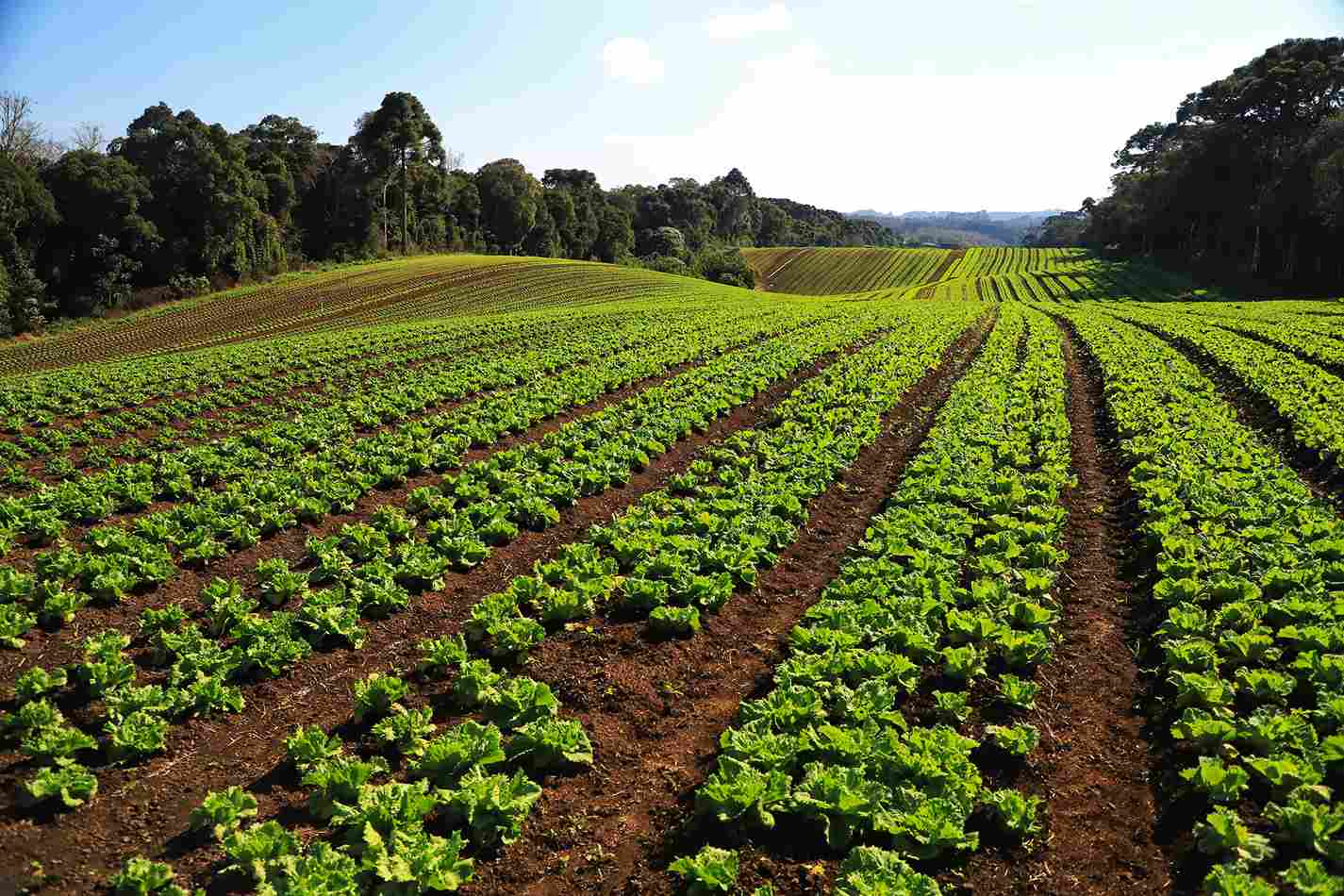
Kampot pepper, protected under Cambodia's first Geographical Indication and internationally recognised as the world's most prestigious black pepper, is grown on trellised Piper nigrum vines in the laterite soils of Kampot and Kep provinces where the specific combination of Gulf of Thailand coastal moisture, Cardamom Mountain mineral runoff, and traditional growing methods produces a pepper of citrus brightness, eucalyptus freshness, and complex heat that commodity pepper from Vietnam, India, or Brazil cannot replicate.
The Kampot Pepper Promotion Association, established to administer the GI and enforce quality standards for certified Kampot pepper, distinguishes four varieties by harvest stage — green, red, black, and white — each with distinct aromatic and heat profiles that reflect the degree of ripeness at harvest and processing method. Red Kampot pepper, harvested at full ripeness and sun-dried to preserve its fruity intensity, is assessed by chefs as the most complex of the four varieties, while white Kampot, fully ripe and soaked to remove the outer husk, carries a distinctive floral delicacy that makes it the preferred choice for cream-based sauces and lighter dishes.
Kampot pepper's reputation in the world's finest restaurants, where three-star Michelin kitchens specify it by name and country of origin, reflects a flavour complexity that has made it the benchmark by which all other premium pepper is assessed. For procurement contacts in fine dining, premium food retail, and specialty spice sectors seeking certified Kampot pepper with documented GI provenance, Cambodian Olericultures' Vegetables value chain offers the world's most prestigious pepper of agricultural and culinary distinction.
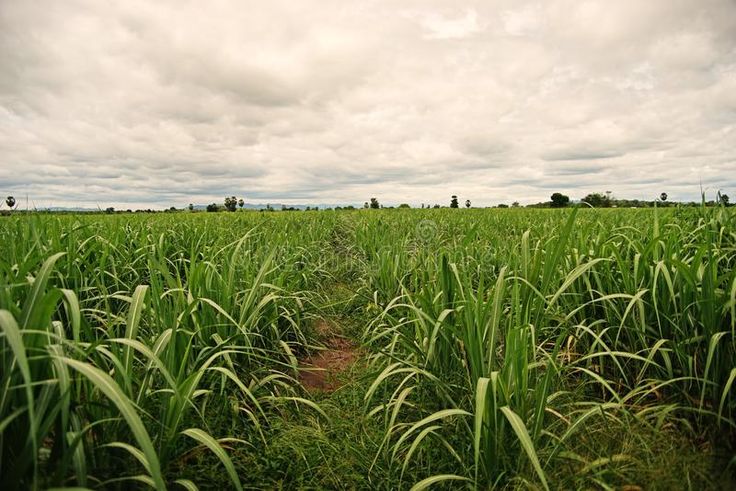
Cambodian palm sugar from the toddy palm, Borassus flabellifer, whose tall distinctive silhouette against flat rice paddy plains is the defining image of the Cambodian agricultural landscape, is extracted by sugar palm climbers who ascend thirty-metre trunks before dawn to harvest the floral sap from cut inflorescences, producing a natural sweetener of complex caramel depth, mild molasses warmth, and lower glycaemic character that is inseparable from the flavour identity of Cambodian cuisine.
The Cambodian sugar palm, known locally as thnot, is the national tree of Cambodia and a cultural symbol of resilience and sustenance that has supported Khmer civilisation for over a thousand years. Sugar palm cultivation and sap collection in Cambodia is a traditional smallholder practice concentrated in the provinces of Kampong Speu, Kandal, and Kampong Chhnang, where family-scale palm groves are worked by specialist climbers who make multiple ascents daily during the six-month sap-flowing season. The sap is either concentrated over wood fires to produce palm sugar cake or jaggery, or further refined to produce a liquid sugar whose lower sucrose content and higher fructose proportion give it a gentler glycaemic response than refined cane sugar.
Cambodian palm sugar's distinctive flavour, combining caramel sweetness with a faint floral undertone from the palm flower chemistry of the sap, makes it the preferred sweetener for authentic Cambodian amok, kroeung curry pastes, and desserts where refined cane sugar cannot replicate the depth of flavour. For procurement contacts in specialty food, artisan sweetener, and Asian culinary ingredient sectors seeking Cambodian palm sugar with documented national tree provenance and traditional small-scale production credentials, Cambodian Saccharicultures' Sugars value chain offers the sweetener that defines a civilisation's cuisine.
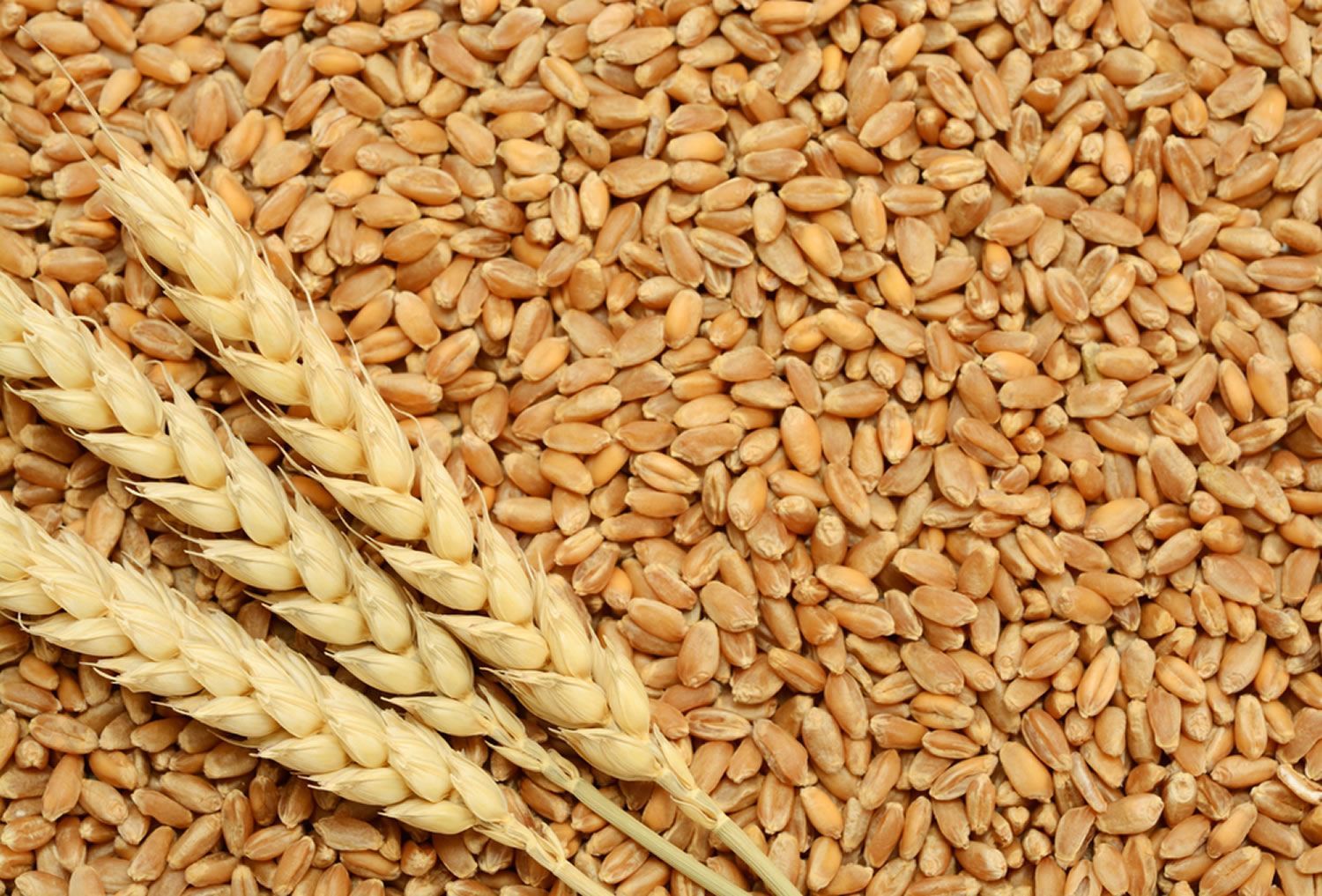
Phka Rumduol, the jasmine fragrance rice of Cambodia, has been named the World's Best Rice at the World Rice Conference on multiple occasions, bringing international recognition to a grain variety whose delicate floral fragrance — from the same 2-acetyl-1-pyrroline aromatic compound that defines Thai jasmine and Indian basmati — and soft, slightly sticky cooked texture represent a rice quality expression uniquely shaped by the Mekong alluvial soils and seasonal flood-recession cultivation of the Cambodian rice paddy system.
Phka Rumduol, meaning scented flower rice in Khmer, is a photoperiod-sensitive traditional variety cultivated once per year as a wet season crop in the flood-recession paddy system of the Mekong and Bassac river plains, where the annual Tonle Sap flood cycle deposits mineral-rich alluvium that fertilises the rice fields naturally. This flood-recession cultivation system, one of the most ecologically distinctive rice growing methods in the world, produces grain of the specific flavour character that has made Phka Rumduol the most celebrated rice variety in Southeast Asia's international quality competitions.
The Cambodian Rice Federation administers quality standards for Phka Rumduol export, with milling specifications and moisture content controls that maintain the grain integrity required for premium market positioning. For procurement contacts in premium rice, specialty food, and Asian grain markets seeking Cambodia's internationally award-winning jasmine fragrance rice with documented Mekong valley provenance and World Rice Conference quality credentials, Cambodian Granicultures' Grains value chain offers the world's most decorated rice origin.

IFEROUS+ - Aligning with Cambodia's sovereign resource identity across Pailin and Ratanakiri coloured gemstones, PDO Kampot pepper as the world's most prestigious spice assessed by three-star Michelin kitchens globally, toddy palm sugar as the sweetener defining Khmer culinary civilisation, and Phka Rumduol Cambodian jasmine rice as the world's most internationally decorated rice origin, we are building integrated value chain partnerships across the Kingdom of Wonder's most irreplaceable agricultural heritage.
Call our London Office on 020 3355 1985 or email plus@iferous.com to connect with our strategists and discuss opportunities.