
-
Resources
- Precious Metals
- Battery Metals
- Industrial Metals
- Nuclear Energy
-
.cultures
- Timbers / Silvicultures
- Cottons / Gossypicultures
- Rubbers / Heveacultures
- Grains / Granicultures
- Oils / Oleicultures
- Sugars / Saccharicultures
- Coffees / Coffeicultures
- Cacaos / Cacaocultures
- Teas / Theicultures
- Flowers / Floricultures
- Fruits / Pomicultures
- Vegetables / Olericultures
- Citruses / Citricultures
-
Regions
- .IFEROUS+
- About
India
'Where Darjeeling's Champagne of Teas, Monsooned Malabar Coffee, and Jasmine of Madurai Define the World's Most Diverse Agricultural Civilisation'

'India is the world's largest democracy and one of its most ancient civilisations, a subcontinent of extraordinary ecological, geological, and agricultural diversity whose natural resource endowment spans the Himalayan mineral systems, the Deccan volcanic plateau manganese deposits, the tea gardens of Darjeeling and Assam, the coffee estates of Karnataka and Kerala, and the jasmine cultivation traditions of Tamil Nadu whose Madurai Malligai carries India's first Geographical Indication for a flower.
Darjeeling tea is called the Champagne of teas for its unique muscatel character, a wine-like Darjeeling second flush quality achievable only in the specific altitudinal and geological conditions of the Darjeeling hills. Monsooned Malabar coffee, deliberately exposed to the monsoon winds of the Kerala coast in a processing tradition dating from the colonial era, is the world's only coffee intentionally transformed by atmospheric exposure into a low-acid, full-bodied, distinctively aged character that has no equivalent in any other producing nation.
India's manganese deposits in Odisha, Maharashtra, and Madhya Pradesh have made it consistently one of the world's top five manganese producing nations, with ore grades and processing infrastructure supplying both domestic steel industry requirements and international export markets.'
India on Iferous.com
India's manganese deposits, concentrated in the Odisha iron-manganese belt, the Madhya Pradesh Central Highlands, and the Maharashtra-Goa manganese zone, have consistently positioned India among the world's top five manganese producing nations, supplying a domestic steel industry of continental scale while exporting ore and processed ferromanganese to international markets.
The Indian manganese belt in Odisha, particularly the Bonai, Keonjhar, and Koraput districts, contains stratiform manganese ore bodies hosted in Precambrian metamorphic sequences of significant resource scale. The Nagpur district of Maharashtra and the Balaghat district of Madhya Pradesh add further production from high-grade deposits that have supplied Indian ferroalloy smelters and export markets for over a century of documented extraction.
India's domestic steel production, among the world's largest by annual output, creates a captive ferromanganese consumption base that absorbs significant domestic production, with the surplus from high-grade Odisha ores supplying East Asian and European ferromanganese processors. For procurement contacts in steel alloy, ferromanganese, and battery materials sectors seeking Indian manganese with documented Odisha or Maharashtra provenance, India's Manganiferous value chain offers production scale and domestic processing infrastructure of established commercial heritage.
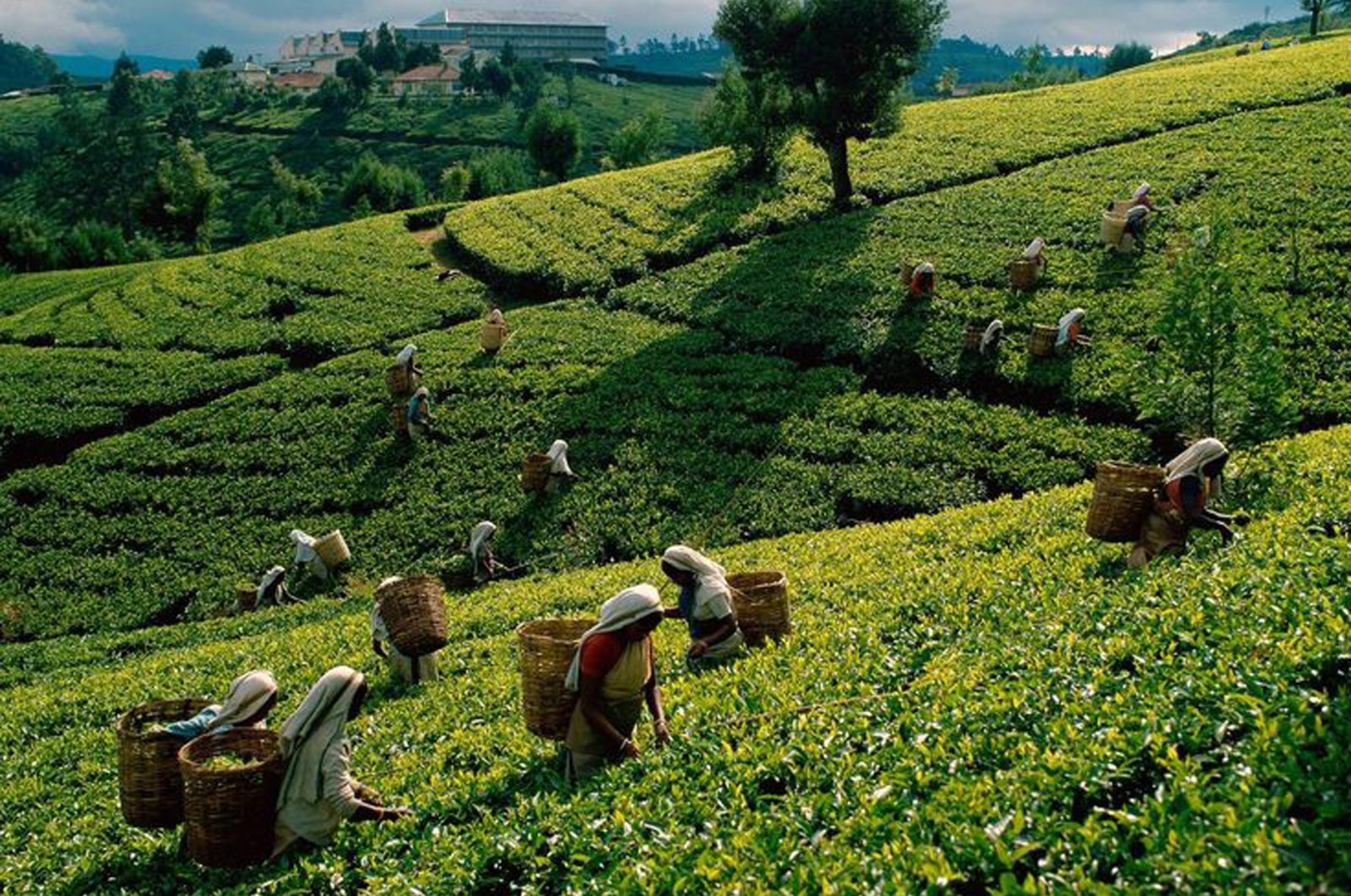
Darjeeling tea, cultivated in the Himalayan foothills of West Bengal at elevations of 600 to 2,000 metres and awarded Geographical Indication protection as the world's first GI-registered tea, is called the Champagne of teas for the unique muscatel character achievable only in its specific altitudinal, geological, and seasonal growing conditions, a quality designation that supports the highest per-kilogram auction prices of any origin in the global tea trade.
The muscatel character of Darjeeling second flush, the May-June harvest picking whose green leaf has been partially bitten by the Jacobiasca formosana leafhopper triggering the enzymatic reaction that produces the characteristic wine-like, floral, muscatel grape aroma, is an aromatic phenomenon unique to Darjeeling's specific growing conditions and cannot be produced in any other tea garden on earth. The combination of Himalayan altitude, the specific mineral composition of the Darjeeling schist and gneiss soils, the monsoon cloud cover that slows leaf development and concentrates flavour compounds, and the artisan orthodox processing tradition of the Darjeeling estates collectively create an unrepeatable cup character.
Darjeeling GI protection, administered by the Tea Board of India, requires that tea carrying the Darjeeling logo be produced entirely within the 86 gazetted tea gardens of the Darjeeling district, providing procurement contacts with the most robustly enforced geographic authenticity certification available in the global tea market. For specialty tea procurement contacts seeking the world's most geographically authenticated and aromatic orthodox black tea, India's Darjeeling Theicultures value chain offers the Champagne of teas with the GI assurance of origin integrity.
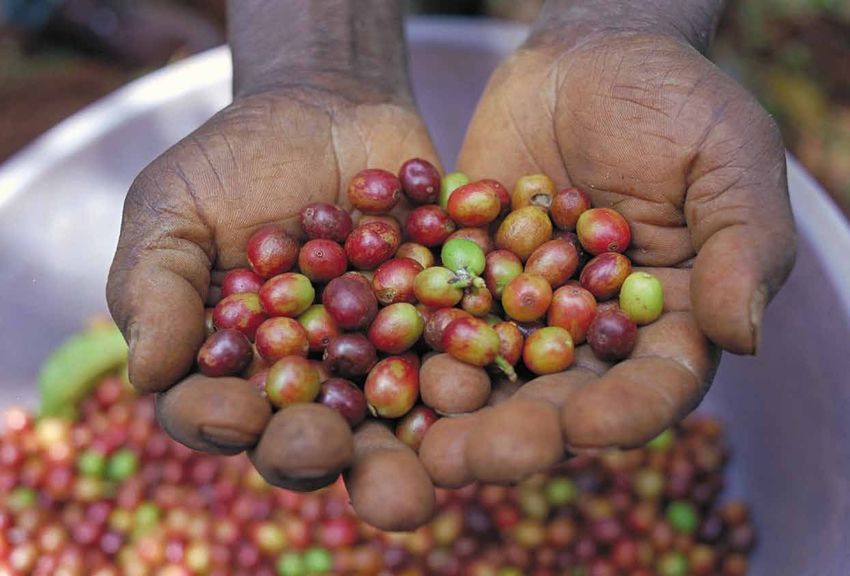
Monsooned Malabar, produced from arabica and robusta coffee beans deliberately exposed to the southwest monsoon winds of the Kerala coast for a period of six to eight weeks, is the world's only coffee intentionally transformed by atmospheric exposure, creating a low-acid, high-body, golden-coloured bean of uniquely aged character whose processing tradition dates from the colonial-era sea voyage of green coffee between India and Europe.
The monsooning process, conducted in open warehouses along the Kerala and Karnataka coastlines where the southwest monsoon winds of May to September circulate through the stored green coffee, causes the beans to swell to nearly double their original size as they absorb atmospheric moisture, while undergoing enzymatic and chemical transformations that neutralise the acids responsible for the bright fruity character of unprocessed Indian arabica and replace them with a full-bodied, earthy, mellow cup of distinctive golden-yellow colour and unique flavour character.
Monsooned Malabar AA and AB grades, processed from arabica grown on the Baba Budan hills and the Karnataka and Kerala coffee estates, achieve a cup assessed by international evaluators as having no close equivalent in any other coffee origin globally, with characteristics of low acidity, deep body, mild earthiness, and a mellow spice note that espresso blenders specifically source for the balancing function it provides in multi-origin formulations. For procurement contacts in specialty coffee, commercial espresso blend, and origin-diversity sourcing sectors seeking the world's only atmospheric-processed coffee with no equivalent elsewhere, India's Monsooned Malabar Coffeicultures value chain offers a processing heritage and cup character of absolute uniqueness.
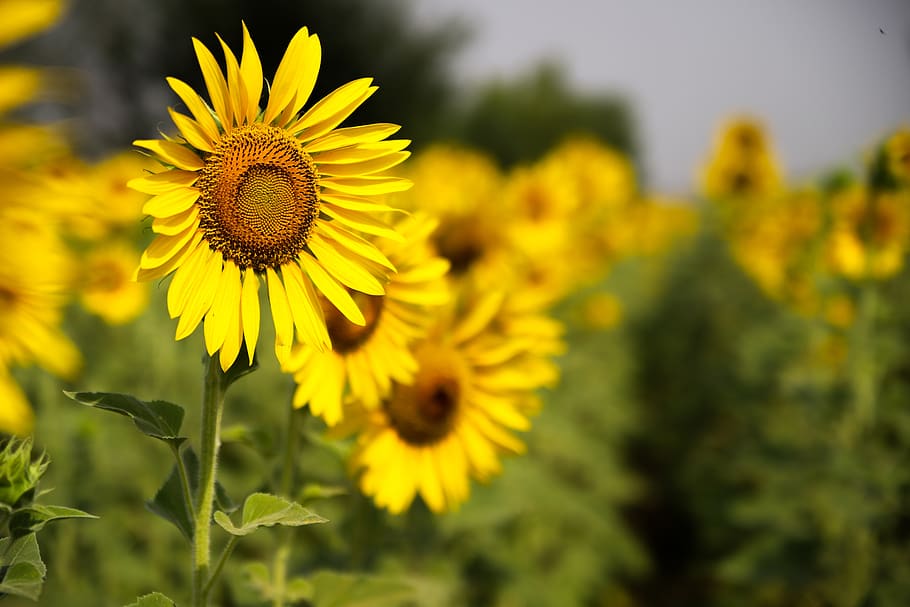
Indian jasmine, and specifically the Madurai Malligai Jasminum sambac cultivar of Tamil Nadu protected under India's Geographical Indications Act as the first GI-registered flower in the country, produces the world's most prized jasmine absolute oil used in luxury perfumery, whose cultivation tradition extending over a thousand years in the temple town of Madurai represents the oldest continuous documented jasmine growing heritage on earth.
Jasmine cultivation in India, spanning Tamil Nadu, Karnataka, Andhra Pradesh, and West Bengal, encompasses multiple Jasminum species producing flowers for garland making, temple offerings, essential oil distillation, and concrete and absolute extraction for the global fragrance industry. The Madurai Malligai, a specific Jasminum sambac variety characterised by its compact double flower structure, exceptionally high essential oil content, and the distinctive floral-sweet aromatic profile of Tamil Nadu's specific growing conditions, was recognised with Geographical Indication protection in 2013, formalising the documented geographic authenticity that perfumers and jasmine absolute buyers had long associated with Tamil Nadu origin.
Indian jasmine absolute, extracted from Jasminum sambac and Jasminum grandiflorum flowers grown primarily in the Madurai, Ooty, and Karnataka jasmine belts by solvent extraction from concrete, is among the most expensive natural aromatic ingredients in fine fragrance, commanding prices that reflect the labour intensity of hand-harvesting flowers that must be picked before dawn to capture peak aromatic content. The Indian jasmine absolute used in Chanel, Dior, and other luxury fragrance houses to provide the classic white floral heart notes of iconic compositions carries provenance whose integrity is authenticated by the specific chemical profile of Indian-origin benzyl acetate and indole ratios. For procurement contacts in luxury fragrance and fine cosmetics seeking Indian jasmine absolute with documented Madurai or Karnataka GI provenance, India's Floricultures value chain offers the world's most ancient and quality-prestigious jasmine cultivation heritage.

IFEROUS+ - Aligning with India's extraordinary sovereign resource identity across Odisha and Maharashtra manganese of continental steel industry scale, Darjeeling GI second flush muscatel as the world's most geographically authenticated premium tea, Monsooned Malabar as the world's only atmospheric-processed coffee with no equivalent elsewhere, and Madurai Malligai jasmine absolute of India's oldest documented floriculture GI for the world's luxury fragrance houses, we are building integrated value chain partnerships across one of humanity's oldest and most resource-diverse civilisations.
Call our London Office on 020 3355 1985 or email plus@iferous.com to connect with our strategists and discuss opportunities.