
-
Resources
- Precious Metals
- Battery Metals
- Industrial Metals
- Nuclear Energy
-
.cultures
- Timbers / Silvicultures
- Cottons / Gossypicultures
- Rubbers / Heveacultures
- Grains / Granicultures
- Oils / Oleicultures
- Sugars / Saccharicultures
- Coffees / Coffeicultures
- Cacaos / Cacaocultures
- Teas / Theicultures
- Flowers / Floricultures
- Fruits / Pomicultures
- Vegetables / Olericultures
- Citruses / Citricultures
-
Regions
- .IFEROUS+
- About
Morocco
'Where the Gateway Between Two Continents Yields Argan Oil, Roses, Saffron, and Manganese of World-Class Distinction'

'Morocco occupies a unique geopolitical position as the gateway between Africa and Europe, a kingdom of extraordinary geographic and cultural diversity whose Atlantic and Mediterranean coastlines, Atlas mountain ranges, and Saharan desert fringe support one of Africa's most sophisticated and diversified trading economies. Morocco's natural resource identity is defined by products of absolute geographic exclusivity, found nowhere else on earth.
Argan oil, produced from the endemic Argania spinosa tree growing only in a UNESCO-designated biosphere reserve in southwestern Morocco, is among the world's most genuinely irreplaceable agricultural exports. The Valley of Roses at Kelaat M'Gouna produces damask rose petals that supply the global rose water, attar, and luxury cosmetics market. Taliouine saffron from the Anti-Atlas is one of the world's highest-graded saffron origins. And Medjool dates from the Draa Valley are the world's most premium large-format date variety.
Beneath Morocco's Anti-Atlas mountains, the Imini and Tiouine manganese deposits have supplied global steelmakers for over a century, positioning Morocco as one of Africa's most historically established manganese producing nations and an increasingly strategic battery materials supplier for European markets.'
Morocco on Iferous.com
Morocco's Imini and Tiouine manganese deposits in the Anti-Atlas mountains, in continuous operation since 1930 and operated by Managem Group, represent one of Africa's most historically productive manganiferous systems, delivering 48-52% manganese content ore to global steelmakers and increasingly to battery cathode material producers for European manufacturing.
The deposits are hosted within Precambrian and Palaeozoic sedimentary sequences mineralised by hydrothermal and sedimentary processes, with ore chemistry and Atlantic Agadir port access making Moroccan manganese particularly competitive for European supply chains. Morocco's proximity to European battery manufacturing investment in the context of lithium-manganese-iron-phosphate battery cathode chemistry positions Anti-Atlas manganese advantageously in the emerging battery-grade market. For procurement contacts in steel and battery materials seeking high-grade North African manganese with a century of documented supply heritage, Morocco's Manganiferous value chain offers ore quality and Atlantic gateway positioning.
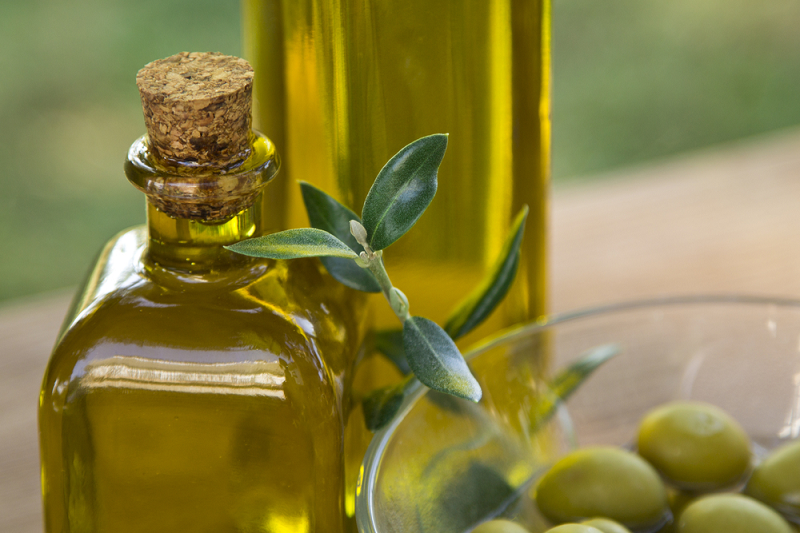
Argan oil, cold-pressed from the nuts of Argania spinosa, an endemic tree growing only within a UNESCO-designated biosphere reserve in the Souss-Massa-Draa region of southwestern Morocco, is one of the world's most genuinely irreplaceable agricultural exports, its geographic exclusivity guaranteed by the biological impossibility of cultivating this tree species outside its native Moroccan habitat.
The argan tree grows across approximately 800,000 hectares of the Souss-Massa-Draa lowlands and Anti-Atlas foothills in a range that extends from Agadir to Essaouira, growing on no other region of the planet. UNESCO's designation of this landscape as a Biosphere Reserve in 1998 recognised both the ecological uniqueness of the argan ecosystem and the traditional Berber knowledge systems that have sustained argan oil extraction for centuries. Moroccan Berber women's cooperatives, organised through the Argane cooperative network, extract argan oil through a traditional manual kernel-cracking and cold-pressing process whose artisan authenticity is inseparable from the product's quality identity.
Culinary argan oil, with its distinctive toasted nutty flavour from the roasting of kernels before pressing, is used in Moroccan cuisine and increasingly in international gourmet cooking. Cosmetic argan oil, cold-pressed from unroasted kernels, has achieved global luxury cosmetics market penetration valued in the billions of dollars annually. For procurement contacts in luxury cosmetics, gourmet culinary oil, and specialty food sectors seeking argan oil with documented Moroccan biosphere reserve provenance, women's cooperative production certification, and the geographic exclusivity of the world's only source, Moroccan Oleicultures' Oils value chain offers the ultimate origin-exclusive natural product.
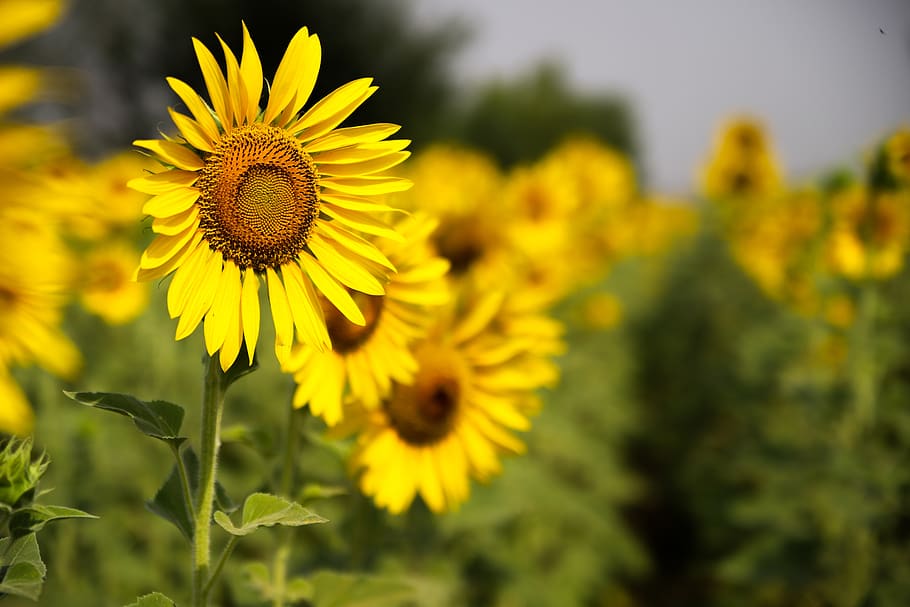
The Kelaat M'Gouna Valley of Roses in the Dades Gorge of Morocco's High Atlas, where thousands of hectares of Rosa damascena rosa planted by tenth-century Arab settlers bloom in late April and early May, produces the world's most celebrated rose water and rose attar, supplying luxury cosmetics houses, traditional medicine markets, and confectionery manufacturers with the distinctively rich, honey-tinged Moroccan damask rose character.
The Kelaat M'Gouna rose harvest, concentrated into a two to three week period each spring when the valley fills with the intense fragrance of millions of simultaneously blooming damask roses, creates one of Morocco's most famous seasonal cultural events, with the annual Rose Festival of Kelaat M'Gouna celebrating a harvest tradition that has defined this valley's identity for over a thousand years. The rosa damascena of this specific valley carries a chemical profile shaped by the altitude, rocky limestone soils, and temperature variation of the High Atlas foothill environment that distinguishes Moroccan damask rose attar from Turkish, Iranian, or Bulgarian equivalents in both chemistry and fragrance character.
Moroccan rose water, distilled from Kelaat M'Gouna petals by traditional copper alembic still methods, carries a floral intensity and characteristic honey-warm undertone that perfumers, pastry chefs, and traditional medicine practitioners specify over other origins for applications requiring the authentic Moroccan damask character. For procurement contacts in luxury fragrance, premium cosmetics, specialty food, and traditional medicine sectors seeking authentic Moroccan rosa damascena with documented Kelaat M'Gouna provenance, Moroccan floriculture's Flowers value chain offers a thousand-year rose valley heritage of fragrance industry distinction.
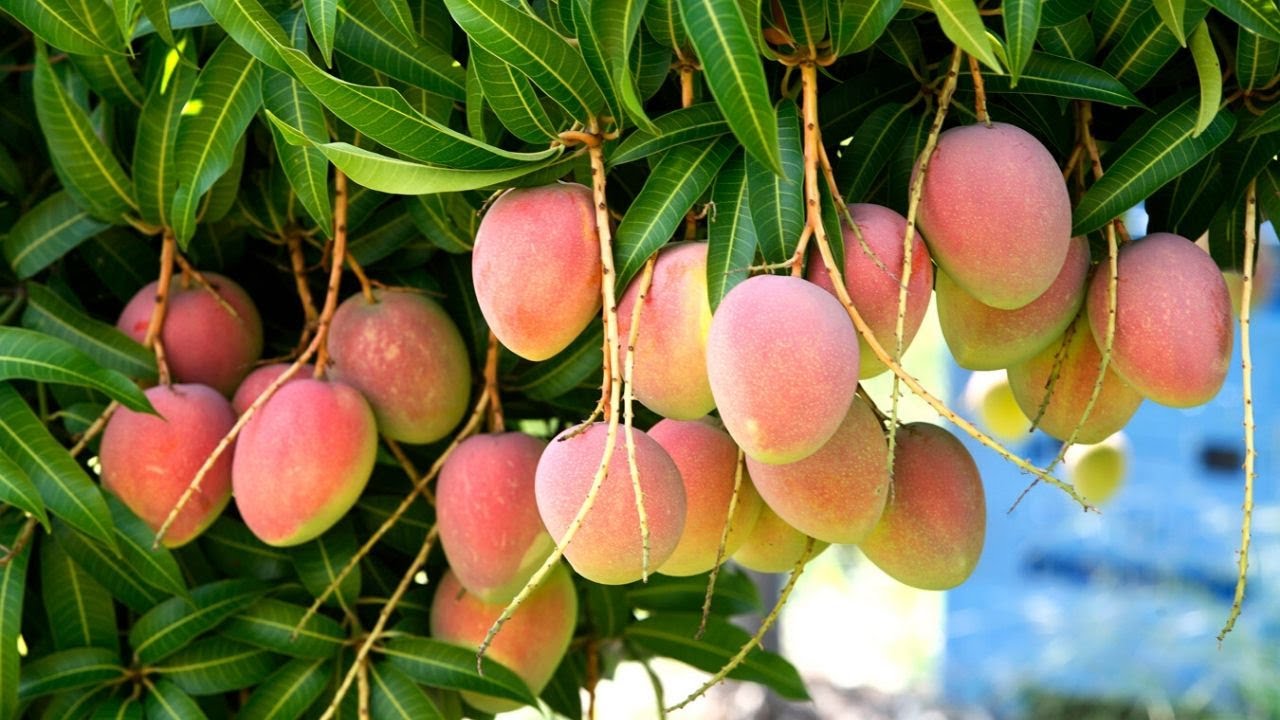
Moroccan Medjool dates from the Draa Valley and the Tafilalet oasis region, and Taliouine saffron from the Anti-Atlas mountains west of Ouarzazate, represent two of the world's most premium and geographically authenticated agricultural products, both commanding exceptional prices in international specialty food markets for quality characteristics shaped by Morocco's specific geographic and climatic conditions.
Medjool dates, the largest and most luxurious of the commercial date varieties, were historically so rare that they were reserved for Moroccan royalty and distinguished guests, their cultivation concentrated in the Draa Valley's date palm oases where deep alluvial soils, intense desert sun, and reliable water from the Draa River create the growing conditions for the enormous, soft, caramel-rich fruit that international gourmet food markets now source at premium prices. Morocco is the original homeland of the Medjool date palm, and the documented provenance of Draa Valley Medjool carries a geographic authenticity that Californian, Israeli, and Jordanian producers of the same variety cannot replicate.
Taliouine saffron, harvested from Crocus sativus flowers grown at 1,000-1,200 metres altitude in the Anti-Atlas mountains near Taliouine and Taznakht, consistently achieves ISO grading as Category 1 saffron with crocin, safranal, and picrocrocin levels among the highest measured in international saffron quality assessments. The specific soil and altitude conditions of the Anti-Atlas saffron zone produce a spice of intense colour-giving and aromatic potency that Iranian saffron, the dominant global source by volume, rarely matches at equivalent quality tier. For procurement contacts in premium confectionery, specialty food, and spice sectors seeking Moroccan Medjool dates of royal provenance and Taliouine saffron of Category 1 phytochemical quality, Moroccan pomiculture's Fruits value chain offers agricultural heritage of desert oasis distinction and mountain spice primacy.

IFEROUS+ - Aligning with Morocco's extraordinary sovereign resource identity across Anti-Atlas manganese of a century of documented European steelmaker supply, argan oil from the world's only source species protected by UNESCO biosphere designation, Kelaat M'Gouna damask rose of a thousand years of valley tradition, and Draa Valley Medjool dates alongside Taliouine Category 1 saffron, we are building integrated value chain partnerships across Africa's most agriculturally exclusive gateway nation.
Call our London Office on 020 3355 1985 or email plus@iferous.com to connect with our strategists and discuss opportunities.