
-
Resources
- Precious Metals
- Battery Metals
- Industrial Metals
- Nuclear Energy
-
.cultures
- Timbers / Silvicultures
- Cottons / Gossypicultures
- Rubbers / Heveacultures
- Grains / Granicultures
- Oils / Oleicultures
- Sugars / Saccharicultures
- Coffees / Coffeicultures
- Cacaos / Cacaocultures
- Teas / Theicultures
- Flowers / Floricultures
- Fruits / Pomicultures
- Vegetables / Olericultures
- Citruses / Citricultures
-
Regions
- .IFEROUS+
- About
China
'The Middle Kingdom, Where Rare Earth Dominance, the World's Tea Heritage, and Ancient Agricultural Civilisation Define an Incomparable Resource Identity'

'China is the world's most populous nation and its second largest economy, a civilisation of five thousand years whose natural resource endowment spans the most diverse mineral landscape on earth alongside agricultural traditions that gave the world tea, silk, peach, apricot, orange, litchi, and hundreds of other food plants now grown globally. China's contribution to the world's material and botanical heritage is without parallel in its breadth and depth.
China produces approximately sixty percent of the world's rare earth elements from the Bayan Obo deposit of Inner Mongolia and the ionic clay deposits of Jiangxi and Guangdong, a dominance of the critical minerals supply chain for electric vehicles, wind turbines, semiconductors, and defence systems that gives China a geopolitical resource identity of extraordinary strategic significance. Tungsten, molybdenum, antimony, and indium production add further critical mineral dimensions to China's sovereign resource portfolio.
The agricultural heritage of China is defined by origin: the country of origin of Camellia sinensis tea, of Bombyx mori silk, of the peony cultivated for fifteen centuries, and of tung oil extracted from Vernicia fordii trees across the Yangtze basin. Each of these Chinese-origin agricultural products has shaped the global economy in ways that persist to the present day.'
China on Iferous.com
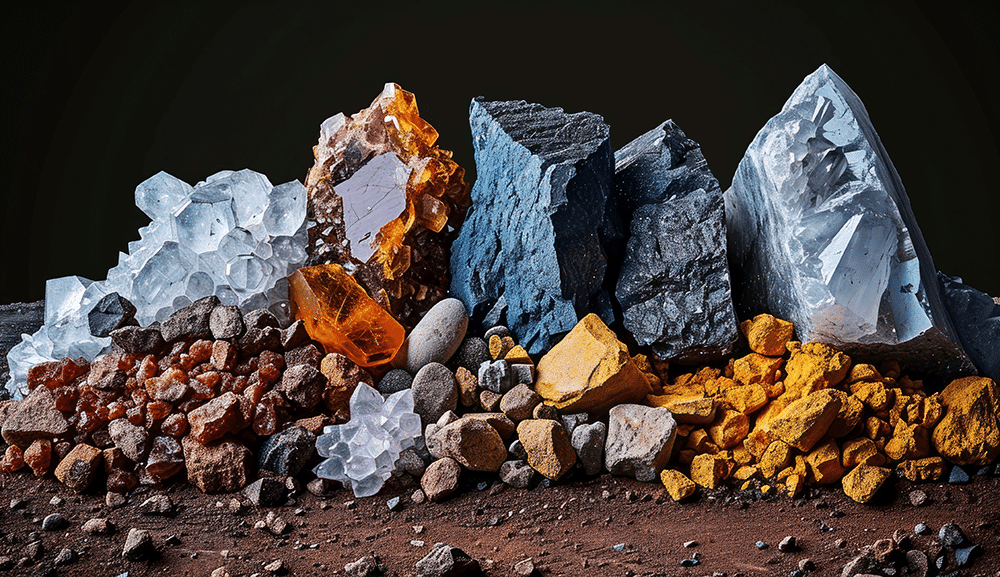
China's Bayan Obo deposit in Inner Mongolia is the world's largest rare earth ore body, and together with the ionic clay rare earth deposits of Jiangxi and Guangdong, gives China approximately sixty percent of global rare earth production and an even greater share of heavy rare earth elements critical to permanent magnet manufacture for electric vehicle motors and wind turbine generators.
The seventeen rare earth elements, comprising the fifteen lanthanides plus scandium and yttrium, underpin the technology stack of the global energy transition: neodymium and praseodymium in NdFeB permanent magnets, dysprosium and terbium as performance-enhancing dopants in high-temperature magnet applications, cerium and lanthanum in fluid cracking catalysts, and europium and terbium in display phosphors. No single nation's mineral production influences as broad a range of strategic industrial applications as China's rare earth output.
China's dominance reflects both geological endowment and decades of investment in separation and processing technology. The rare earth separation facilities of Jiangsu province and Inner Mongolia represent processing capabilities that global competitors are investing billions to replicate but have not yet matched at equivalent scale, grade, or product range.
For procurement contacts in permanent magnet manufacturing, EV powertrain, wind energy, defence electronics, and advanced ceramics sectors seeking engagement with the world's foundational rare earth supply chain, China's Lanthaniferous value chain offers the critical mineral provenance on which the global technology transition depends.
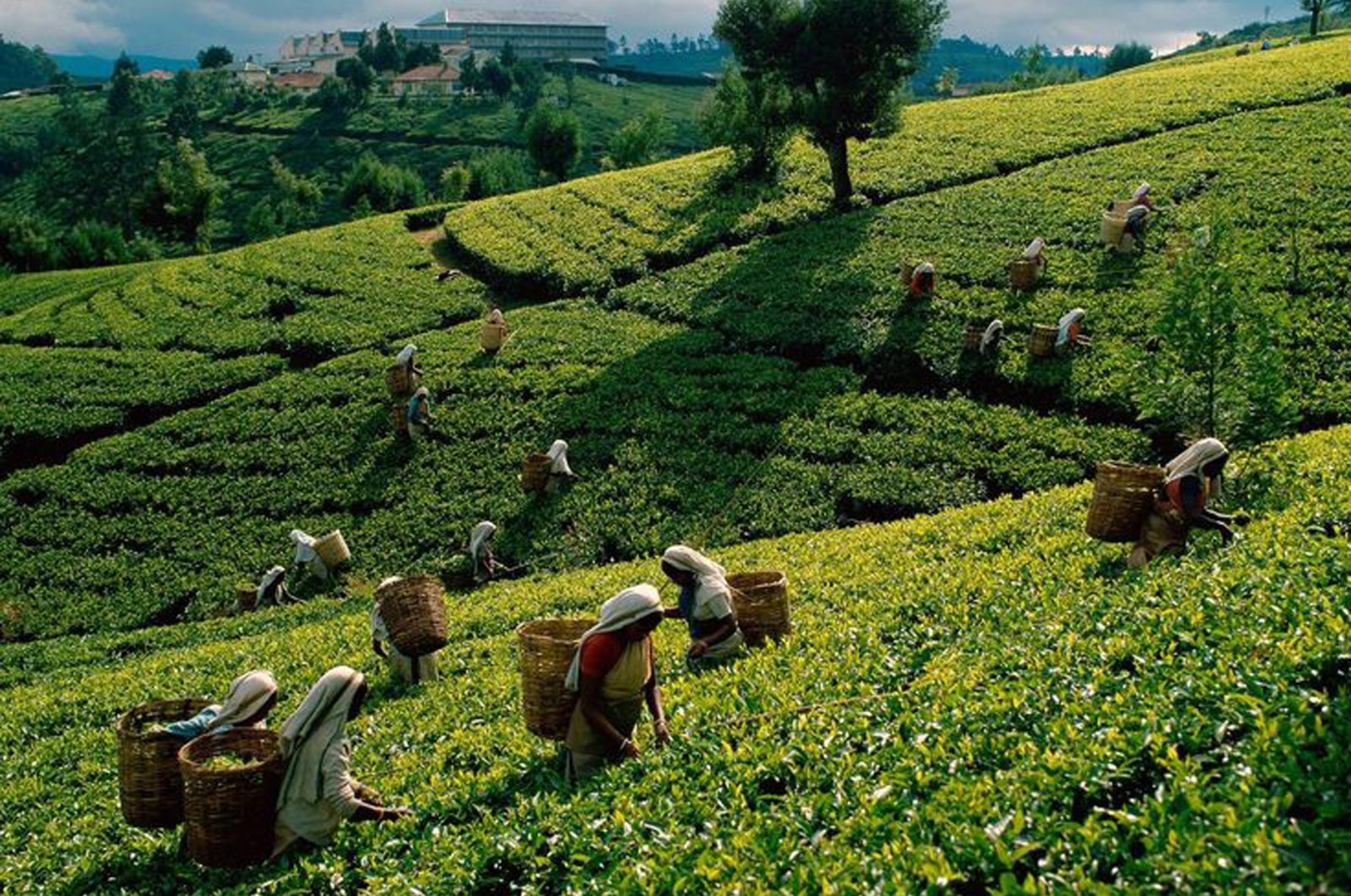
China is the birthplace of tea, the nation where Camellia sinensis was first cultivated, first processed into the beverage that became the world's most consumed drink after water, and where the full spectrum of green, white, yellow, oolong, red, and fermented tea categories was developed through thousands of years of cultivation and processing innovation before reaching any other country on earth.
Longjing (Dragon Well) tea from the West Lake district of Hangzhou, hand-pan-fired in the distinctive flat-leaf style by Zhejiang masters, achieves a vegetal sweetness and chestnut depth that Chinese tea evaluators assess as the pinnacle of Chinese green tea craft. Protected under Geographical Indication since 2001, authentic West Lake Longjing from the five core villages commands auction prices that establish it as one of the world's most expensive agricultural products per kilogram. Pu-erh, the aged and fermented tea of Yunnan Province pressed into cakes and stored for years or decades, represents an entirely different dimension of Chinese theiculture, developing complexity through microbial fermentation analogous to fine wine maturation.
The diversity of China's tea geography — from the mist-covered mountains of Fujian producing white Silver Needle and rock oolong, to the high ridges of Anhui yielding Keemun black tea, to the ancient wild tea trees of Yunnan — encompasses a botanical and sensory range unmatched by any other tea producing nation. For procurement contacts in specialty tea, luxury retail, and fine food sectors seeking the world's foundational tea origin with GI-authenticated provenance across multiple categories, China's Theicultures value chain offers the civilisational depth from which all global tea culture ultimately derives.
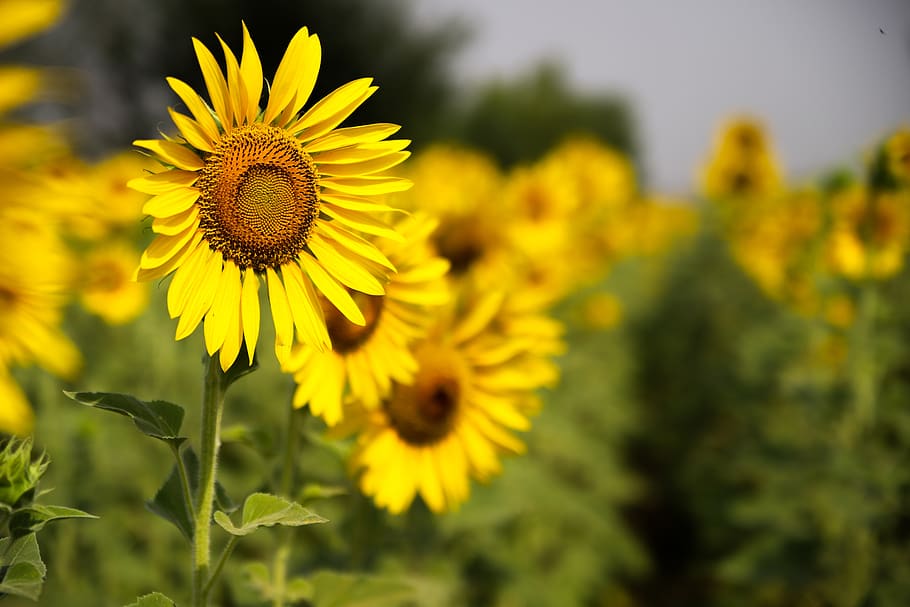
The Chinese tree peony, Paeonia suffruticosa, cultivated in the imperial gardens of Luoyang and Heze for over fifteen hundred years as the King of Flowers in Chinese cultural tradition, represents the world's oldest and most extensively developed ornamental flower cultivation heritage, its thousands of named cultivars and the city festivals celebrating its annual bloom defining a floriculture identity without parallel in any other nation.
Luoyang, the ancient capital of nine Chinese dynasties, has cultivated tree peonies since the Sui Dynasty (581-618 AD), developing through Tang and Song imperial patronage into the world's most sophisticated ornamental flower breeding tradition. Over a thousand named Luoyang peony cultivars have been documented, spanning from pure white through every shade of pink, red, and purple to near-black, with flower forms ranging from single to fully double and fragrances from light floral to intensely spiced. The Luoyang Peony Festival, held each April, attracts millions of visitors annually to witness the simultaneous blooming of millions of peony plants across the city's parks and gardens.
China is also the world's largest producer of cut chrysanthemums for the international flower trade, with the Yunnan plateau's growing conditions producing chrysanthemums of consistent Dutch auction grade quality year-round for European and Asian markets. The chrysanthemum's cultural significance in Chinese civilization, cultivated for over two thousand years as a symbol of longevity and resilience in Confucian tradition, gives Chinese chrysanthemum floriculture a depth of botanical and cultural heritage that commercial production alone cannot convey. For procurement contacts in luxury horticulture, premium ornamental, and botanical heritage sectors seeking Chinese floriculture with documented peony cultivar provenance, China's Floricultures value chain offers the world's oldest ornamental flower heritage.
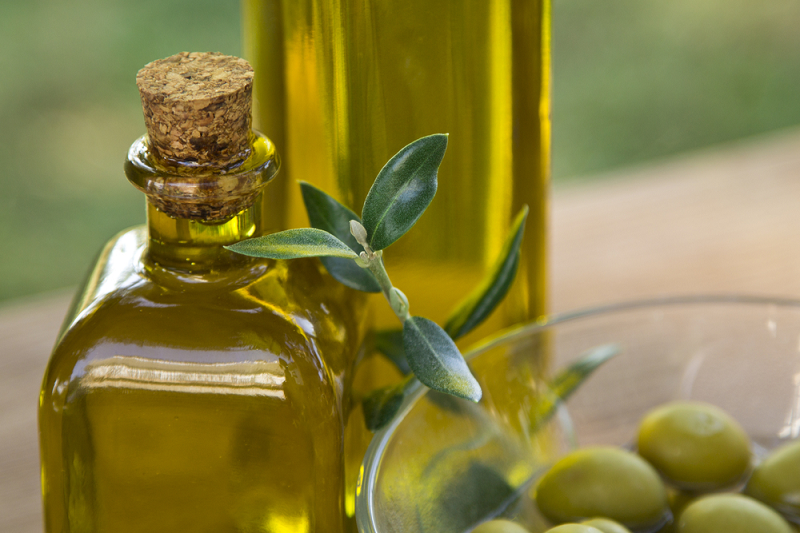
Tung oil, pressed from the seeds of Vernicia fordii, the tung tree native to the Yangtze River basin of central and southwestern China, is the world's most technically superior naturally drying oil, whose exceptional penetration depth, rapid polymerisation on exposure to air, and water resistance that conventional linseed oil cannot approach have made it the premium wood finishing oil for marine, fine furniture, and specialist woodworking applications for centuries.
The tung tree, cultivated across the hills of Hunan, Sichuan, Guangxi, and Guizhou provinces, produces a seed whose pressed oil contains approximately eighty percent eleostearic acid, a conjugated triene fatty acid with three conjugated double bonds that oxidise and polymerise with exceptional speed and depth on contact with air. This drying chemistry allows tung oil to penetrate deep into wood grain before curing to a hard, non-tacky, waterproof polymer matrix that seals and strengthens wood fibres from within rather than merely coating the surface. No other naturally drying oil achieves tung oil's combination of penetration depth, cure speed, and final surface hardness.
China supplies the majority of the world's tung oil through export from the traditional growing regions of the Yangtze basin, with Hunan and Sichuan provinces maintaining the historic cultivation systems that have produced tung oil for international markets since the nineteenth century. For procurement contacts in premium wood finishing, marine coatings, speciality varnish, and traditional craft restoration sectors seeking tung oil with documented Chinese Yangtze basin provenance, China's Oleicultures value chain offers the world's reference drying oil from its only significant natural source.

IFEROUS+ - Aligning with China's incomparable sovereign resource identity across Bayan Obo rare earth dominance underpinning the global technology transition, Longjing and Pu-erh from the civilisational birthplace of tea, the world's oldest ornamental flower heritage in Luoyang peony and Yunnan chrysanthemum, and Yangtze basin tung oil as the world's most technically superior natural wood finishing oil, we are building integrated value chain partnerships across the world's most resource-diverse civilisation.
Call our London Office on 020 3355 1985 or email plus@iferous.com to connect with our strategists and discuss opportunities.