
-
Resources
- Precious Metals
- Battery Metals
- Industrial Metals
- Nuclear Energy
-
.cultures
- Timbers / Silvicultures
- Cottons / Gossypicultures
- Rubbers / Heveacultures
- Grains / Granicultures
- Oils / Oleicultures
- Sugars / Saccharicultures
- Coffees / Coffeicultures
- Cacaos / Cacaocultures
- Teas / Theicultures
- Flowers / Floricultures
- Fruits / Pomicultures
- Vegetables / Olericultures
- Citruses / Citricultures
-
Regions
- .IFEROUS+
- About
Antigua & Barbuda
'A Coral Limestone Legacy of Fine Cotton, Rare Pineapple, and Caribbean Heritage'
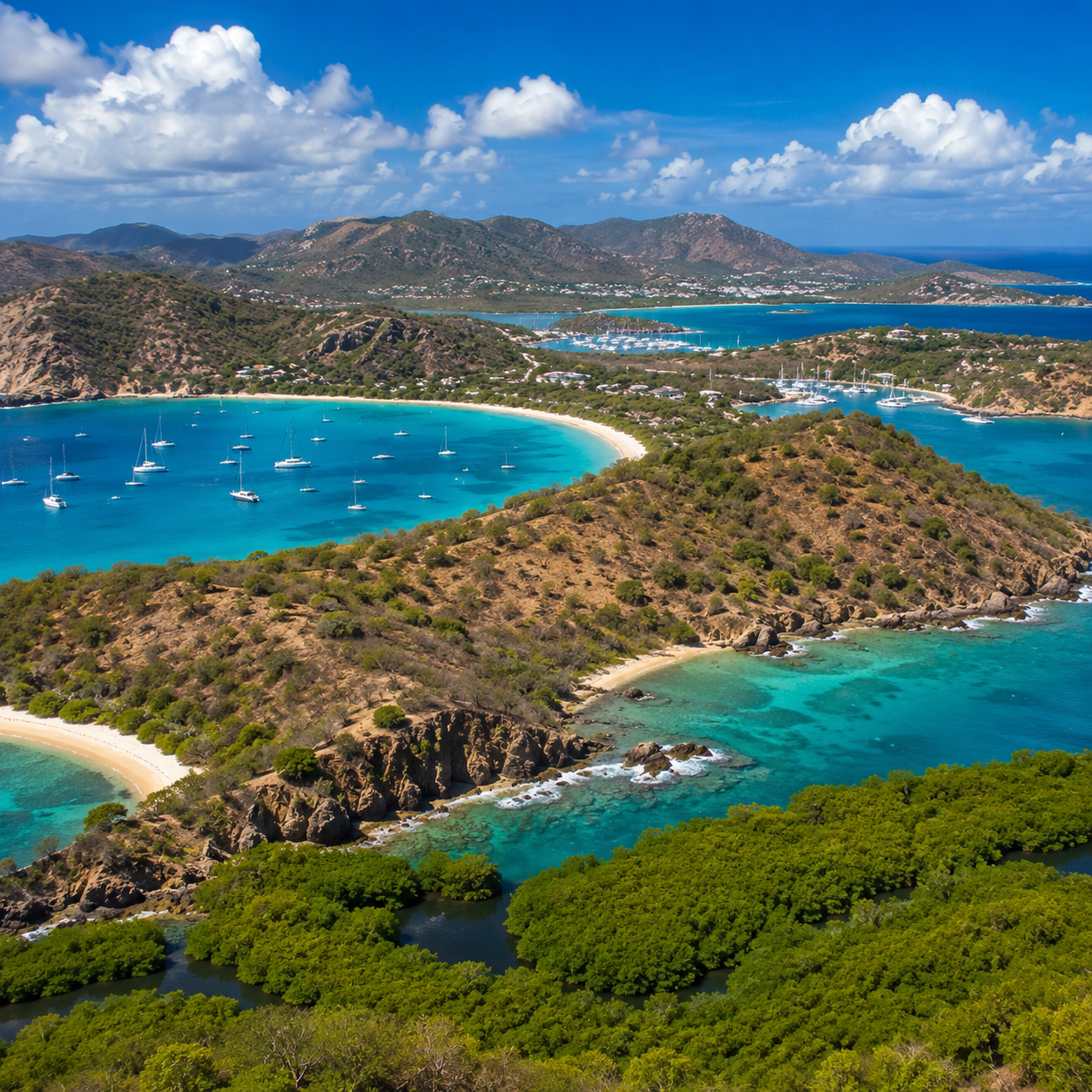
'Antigua and Barbuda is a dual-island nation of contrasting character, Antigua a flat coral limestone plateau of 365 beaches whose agricultural heritage shaped some of the finest natural fibres in the world, and Barbuda a low-lying wildlife sanctuary of extraordinary bird and marine biodiversity. The specific geology of Antigua's coral limestone substrate has given rise to agricultural products of documented uniqueness found nowhere else on earth.
The agricultural heritage of Antigua is rooted in sea island cotton and the island's remarkable horticultural traditions. Sea island cotton, Gossypium barbadense, cultivated on Antigua's coral limestone soils produced historically the finest natural textile fibre in the world, establishing the island as one of the original luxury fibre territories of the Caribbean. The Antigua Black pineapple, cultivated in the Old Road area on specific red clay soils, is celebrated as one of the world's sweetest pineapple varieties and carries Slow Food Ark of Taste heritage recognition.
Barbuda's ecological identity is defined by the Codrington Lagoon, a UNESCO-recognised frigate bird sanctuary and one of the Western Hemisphere's most significant colonial seabird nesting sites. The combined natural heritage of these two islands, coral plateau agriculture and pristine lagoon ecology, gives Antigua and Barbuda a sovereign resource identity of both agricultural and ecological significance in the wider Caribbean community.'
Antigua & Barbuda on Iferous.com

The woodland heritage of Antigua and Barbuda, including naturalised mahogany stands and native dry forest species adapted to the flat coral limestone terrain and Atlantic wind exposure, provides a timber resource of heritage significance unique in the Eastern Caribbean's low-lying coral island landscape.
Antigua's woodland character, shaped by its flat coral limestone geology and the drying effect of the Atlantic trade winds, supports dry tropical forest species distinct from the lush volcanic rainforests of neighbouring islands. The introduction of mahogany to Antigua in the colonial era created naturalised stands of this prized hardwood species growing in conditions of alkaline coral substrate that produce timber of distinctive grain and density. Antigua's woodland areas, including the historical plantation windbreaks, represent a timber resource whose character reflects centuries of human and ecological interaction with a coral island landscape.
Barbuda's woodland supports a different ecological character, with dry coastal forest species adapted to the low-lying coral and sand terrain of this flat sister island. The Codrington Lagoon area of Barbuda, supporting the Western Hemisphere's largest frigate bird colony, is surrounded by woodland of ecological significance that forms part of the UNESCO-recognised natural heritage of this exceptional sanctuary island.
For procurement contacts and heritage timber specialists seeking Caribbean hardwood with coral island provenance, mahogany grown in alkaline limestone conditions distinct from volcanic island timber character, and the woodland heritage of a dual-island nation whose natural legacy spans both agricultural coral plateau and pristine lagoon ecology, Antigua and Barbuda's Ligniferous value chain offers timber of island-specific character and Caribbean heritage.
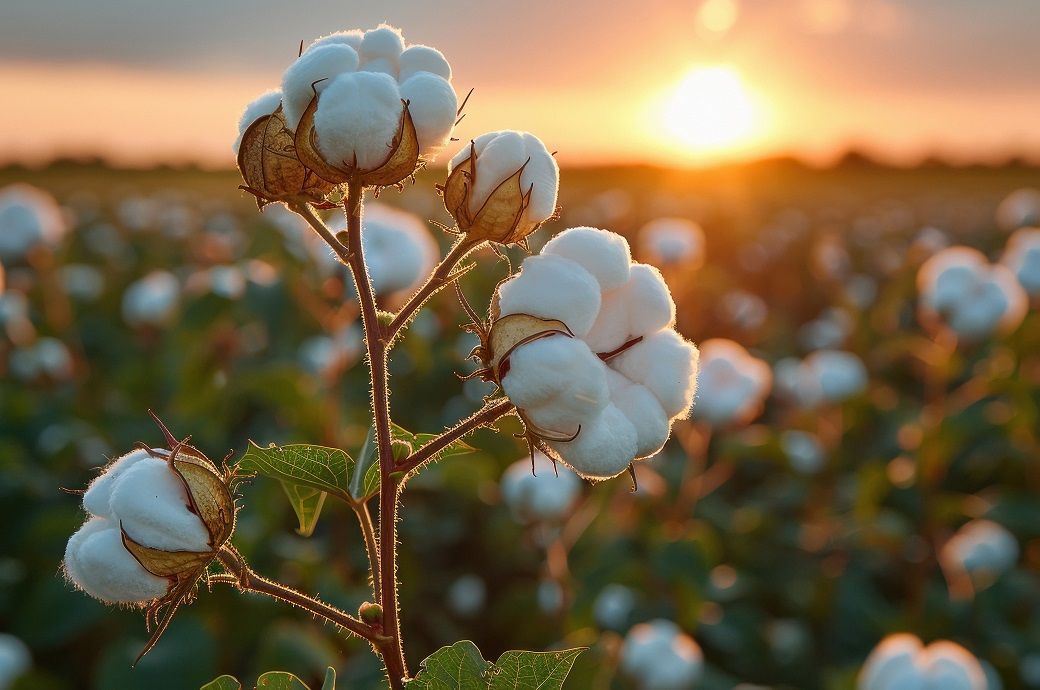
Antigua was among the original cultivation centres of sea island cotton, Gossypium barbadense, whose extra-long staple fibre grown on coral limestone soils produced historically the finest natural textile fibre in the world, Antigua's specific geological and climatic conditions contributing to the development of premium cotton genetics that underpin luxury textile production globally to this day.
Sea island cotton cultivation on Antigua and the surrounding Leeward Islands represented one of the world's most economically valuable textile fibre industries in the eighteenth and nineteenth centuries. The specific combination of Antigua's flat coral limestone terrain, Atlantic wind exposure, alkaline soil chemistry, and moderate Caribbean rainfall produced Gossypium barbadense fibre of the extra-long staple length and silky lustre that commanded prices many times higher than standard cotton on European textile markets, establishing Antigua as one of the original prestige fibre territories of the Caribbean.
The revival of sea island cotton cultivation on Antigua as a premium craft and heritage textile has been supported by small-scale producers committed to restoring this agricultural identity. Hand-harvested sea island cotton from Antigua's coral limestone soils produces lint of documented extra-long staple character that commands premium pricing in specialty yarn and artisan textile markets seeking the most historically distinguished natural fibre origin in the global cotton trade.
For procurement contacts in the luxury textile, premium apparel, specialty yarn, and heritage fibre sectors seeking sea island cotton with documented Antiguan coral limestone provenance, the genetic heritage of the Leeward Islands cotton cultivation tradition, and the historical prestige of a fibre that defined luxury textile quality for two centuries of European trade, Antigua's Gossypicultures value chain offers cotton fibre provenance of historical significance and luxury market distinction.
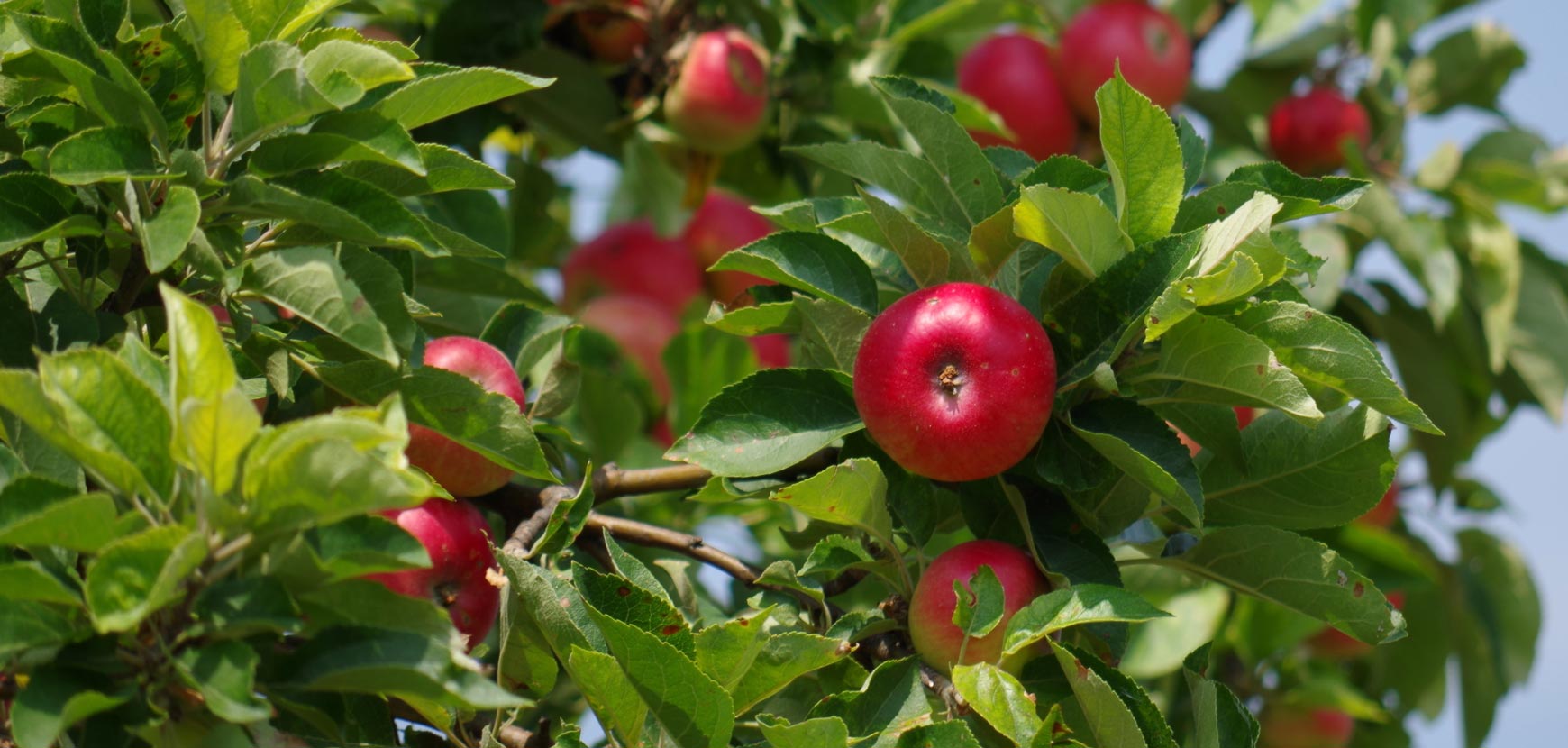
The Antigua Black pineapple, grown exclusively in the Old Road area of southwestern Antigua on specific red clay soils over coral limestone, is celebrated as one of the world's sweetest pineapple varieties, its extraordinary natural sugar content and near-zero acidity the product of a specific microclimate and soil combination recognised by the Slow Food Foundation's Ark of Taste as a heritage variety of global gastronomic significance.
The Antigua Black pineapple, Ananas comosus, cultivated in the Old Road area of Antigua's southwestern coast on a specific red clay soil over coral limestone substrate, produces fruit of exceptional sweetness, with natural sugar concentrations documented as significantly higher than commercial pineapple varieties from Costa Rica, Hawaii, or the Philippines. The specific combination of the Old Road microclimate, characterised by slightly higher temperatures and lower rainfall than other parts of Antigua, concentrated by the sheltering effect of the surrounding hills, along with the distinctive mineral character of the local red clay soil, creates growing conditions that produce the Antigua Black's characteristic jet-black skin when fully ripe and intense, non-acidic sweetness.
The Antigua Black pineapple variety has been listed by the Slow Food Foundation for Biodiversity on its Ark of Taste, the international catalogue of heritage food products at risk of extinction, recognising both the variety's exceptional culinary qualities and the precarious scale of its cultivation, limited to a small number of smallholder growers in the Old Road area. This listing formally documents the Antigua Black as a heritage variety of global gastronomic and botanical significance whose preservation is a matter of international food culture importance.
For procurement contacts in the luxury food, fine dining, specialty grocery, and heritage variety sectors seeking a pineapple with documented maximum natural sweetness, Slow Food Ark of Taste heritage recognition, and a cultivation tradition restricted to a specific microclimate on a single Caribbean island, Antigua Black pineapple's Pomicultures value chain offers fruit provenance of culinary, botanical, and heritage distinction unique in the global pineapple trade.
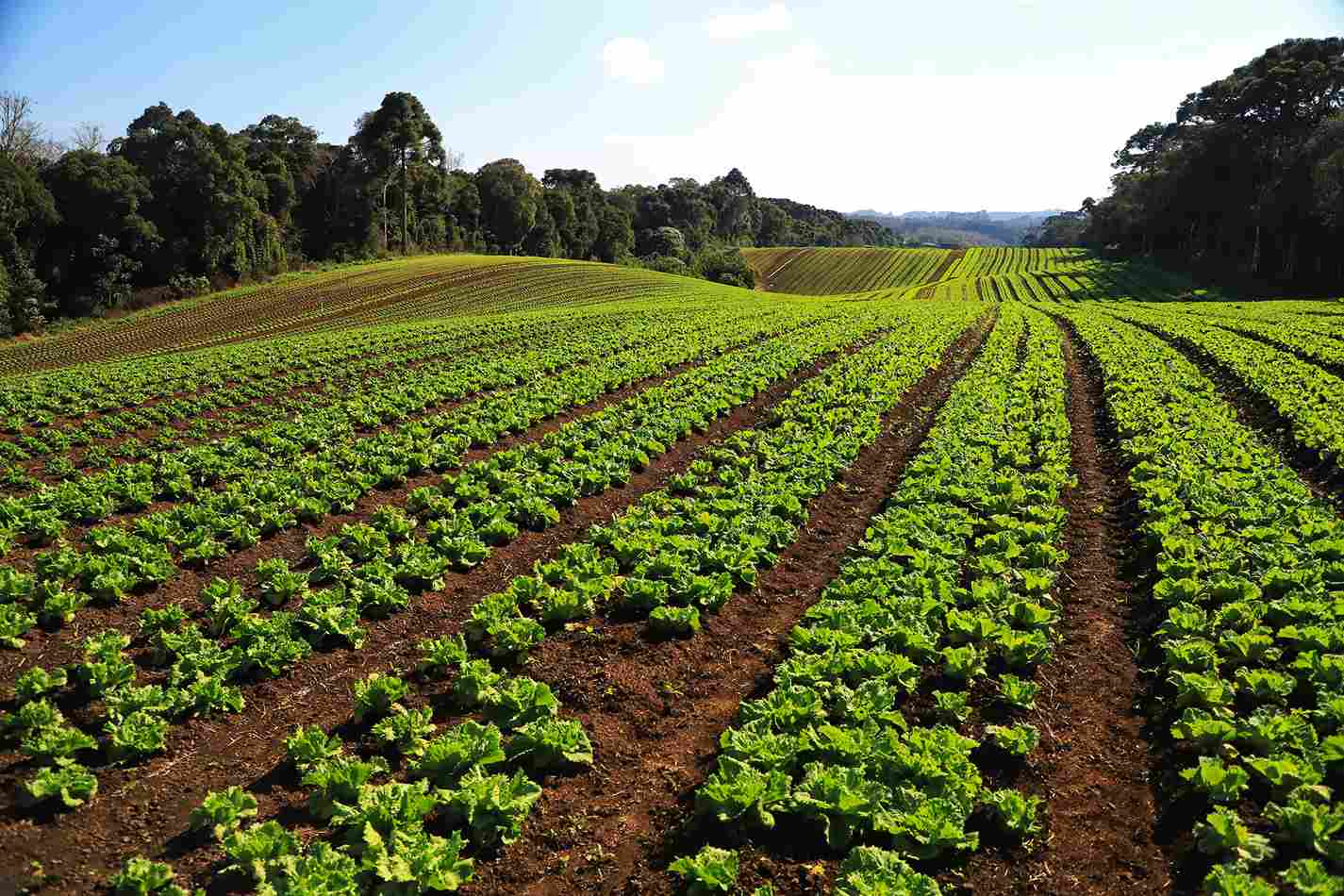
Antigua's coral limestone and red clay agricultural soils support a distinctive market garden tradition producing dasheen, sweet potatoes, and tropical root vegetables of specific flavour character shaped by the island's alkaline mineral-rich growing conditions and centuries of smallholder cultivation heritage unique to a flat Caribbean coral island.
The market garden tradition of Antigua, concentrated in the red clay agricultural areas of the island's interior and the flat limestone plains of the south, produces dasheen (taro, Colocasia esculenta), sweet potatoes, and various tropical vegetables for domestic consumption and intra-Caribbean trade. Antiguan dasheen, grown in the island's specific red clay and coral limestone soil conditions, develops a corm of consistent texture and starchy sweetness that reflects the mineral nutrient uptake from Antigua's distinctive geological substrate.
The Antiguan sweet potato, grown across the island's agricultural smallholdings, has developed locally adapted varieties suited to the coral limestone soil conditions and Atlantic wind exposure that distinguish Antigua's growing environment from larger, volcanic Caribbean islands. These local varieties carry a specific sweetness and texture character that reflects generations of informal selection by Antiguan smallholder farmers adapting to their island's unique geological and climatic conditions.
For procurement contacts in the Caribbean food, specialty produce, and diaspora food service sectors seeking Antiguan root vegetables with documented coral limestone and red clay terroir character, a smallholder cultivation heritage of centuries on a specific Caribbean island geology, and authentic Antiguan provenance for diaspora markets, Antiguan olericulture's Vegetables value chain offers vegetable provenance of island-specific agricultural heritage and geological growing environment distinction unique in the Eastern Caribbean.

IFEROUS+ - Aligning with Antigua and Barbuda's multi-dimensional sovereign resource identity across coral island woodland heritage, Leeward Islands sea island cotton, the Slow Food-recognised Antigua Black pineapple, and traditional coral limestone market gardening, we are building integrated value chain partnerships that span this dual island nation's most scientifically distinctive assets, connecting global procurement contacts with the provenance documentation and long-term supply relationships that irreplaceable Antiguan resources command.
Call our London Office on 020 3355 1985 or email plus@iferous.com to connect with our strategists and discuss opportunities.